


-
Republican Rep. Scott Perry suggested that Iran should shoulder the financial burden of the U.S. war, referencing the staggering cost of roughly $1 billion per day in ongoing military operations.
While Perry framed it as a rhetorical proposal rather than a formal policy, the comment highlights growing concern among lawmakers over the expense of the conflict, and the debate over who — if anyone — should ultimately bear the cost.
The remarks have sparked discussion online about the enormous economic impact of war, the responsibilities of foreign powers, and how U.S. taxpayers are footing the bill for overseas military interventions.Republican Rep. Scott Perry suggested that Iran should shoulder the financial burden of the U.S. war, referencing the staggering cost of roughly $1 billion per day in ongoing military operations. While Perry framed it as a rhetorical proposal rather than a formal policy, the comment highlights growing concern among lawmakers over the expense of the conflict, and the debate over who — if anyone — should ultimately bear the cost. The remarks have sparked discussion online about the enormous economic impact of war, the responsibilities of foreign powers, and how U.S. taxpayers are footing the bill for overseas military interventions.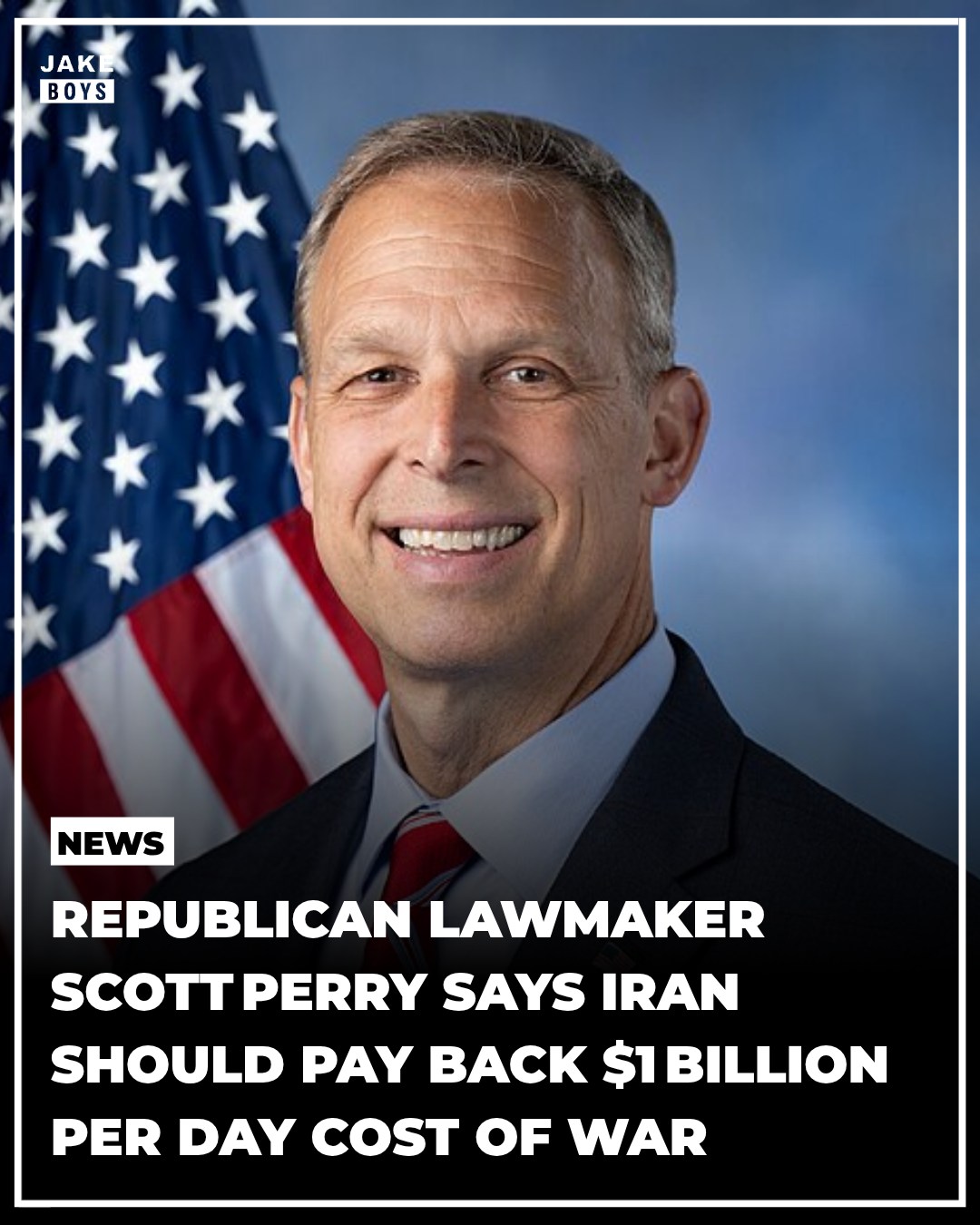 0 Comments 0 Shares 104 Views 0 Reviews
 3
3
-
Tensions between the U.S. and its NATO allies are escalating fast, as frustration grows over how the Iran conflict has been handled. Reports indicate that key allies were not formally consulted before military action began, fueling backlash across Europe and beyond.
In the weeks since, several countries — including the UK, France, Spain, Italy, and others — have distanced themselves from the conflict, with some restricting military cooperation, denying access to bases or airspace, or publicly stating they won’t be drawn in.
Now, with allies refusing to fall in line, Donald Trump is raising the possibility of pulling the U.S. out of NATO altogether — a move that would mark one of the most significant shifts in global alliances in modern history.
The situation is raising serious questions about U.S. leadership on the world stage, the future of NATO unity, and whether unilateral decisions are fracturing long-standing international partnerships.Tensions between the U.S. and its NATO allies are escalating fast, as frustration grows over how the Iran conflict has been handled. Reports indicate that key allies were not formally consulted before military action began, fueling backlash across Europe and beyond. In the weeks since, several countries — including the UK, France, Spain, Italy, and others — have distanced themselves from the conflict, with some restricting military cooperation, denying access to bases or airspace, or publicly stating they won’t be drawn in. Now, with allies refusing to fall in line, Donald Trump is raising the possibility of pulling the U.S. out of NATO altogether — a move that would mark one of the most significant shifts in global alliances in modern history. The situation is raising serious questions about U.S. leadership on the world stage, the future of NATO unity, and whether unilateral decisions are fracturing long-standing international partnerships.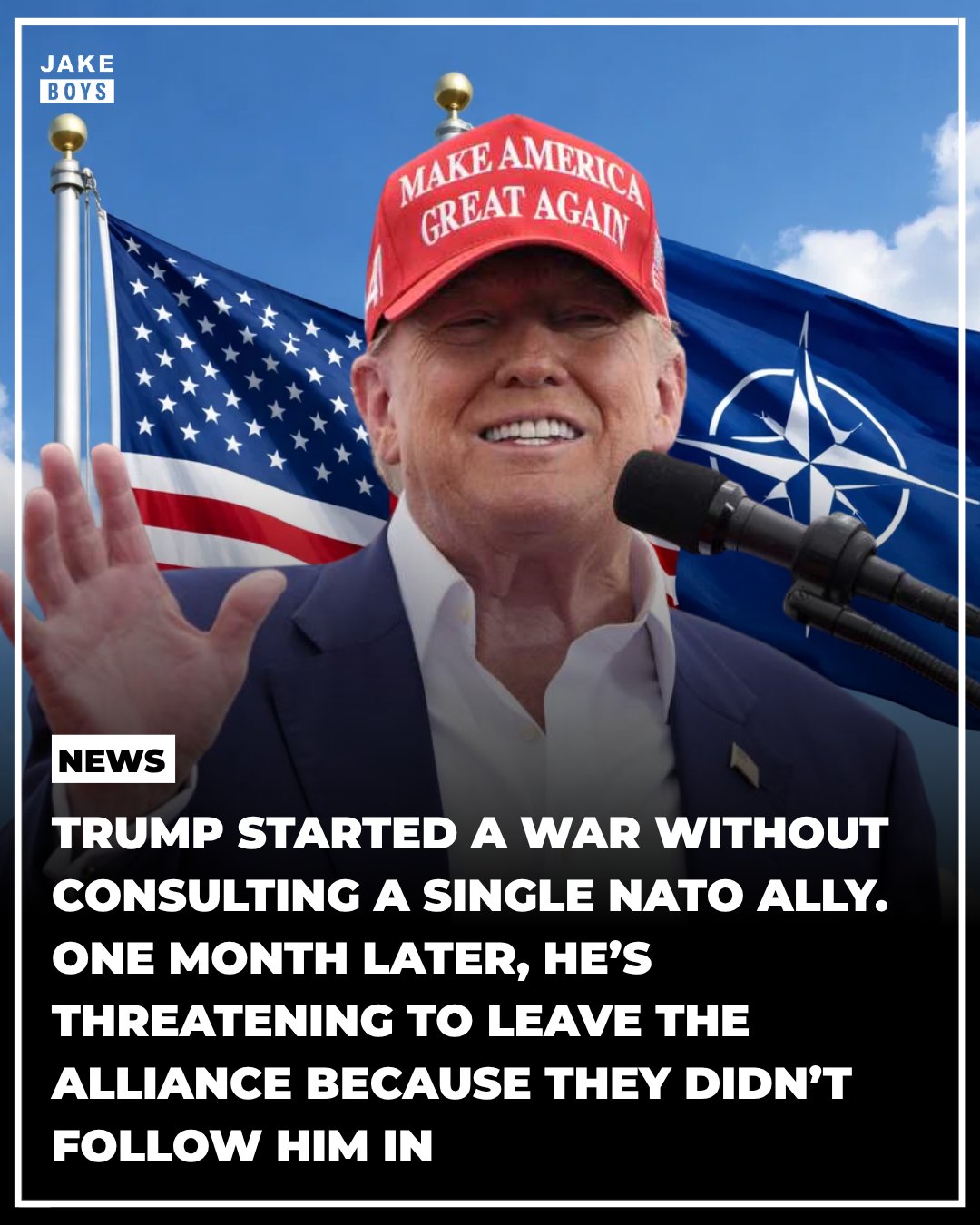 0 Comments 0 Shares 142 Views 0 Reviews
3
0 Comments 0 Shares 142 Views 0 Reviews
3
-
Reacher actor Alan Ritchson had sharp critique of Donald Trump and the way some Christian communities have embraced him. His comments are fueling discussions online about morality, politics, and the role of faith in evaluating political leaders.
The response shows a growing debate over how personal beliefs intersect with political support, and why some public figures are challenging the status quo.Reacher actor Alan Ritchson had sharp critique of Donald Trump and the way some Christian communities have embraced him. His comments are fueling discussions online about morality, politics, and the role of faith in evaluating political leaders. The response shows a growing debate over how personal beliefs intersect with political support, and why some public figures are challenging the status quo.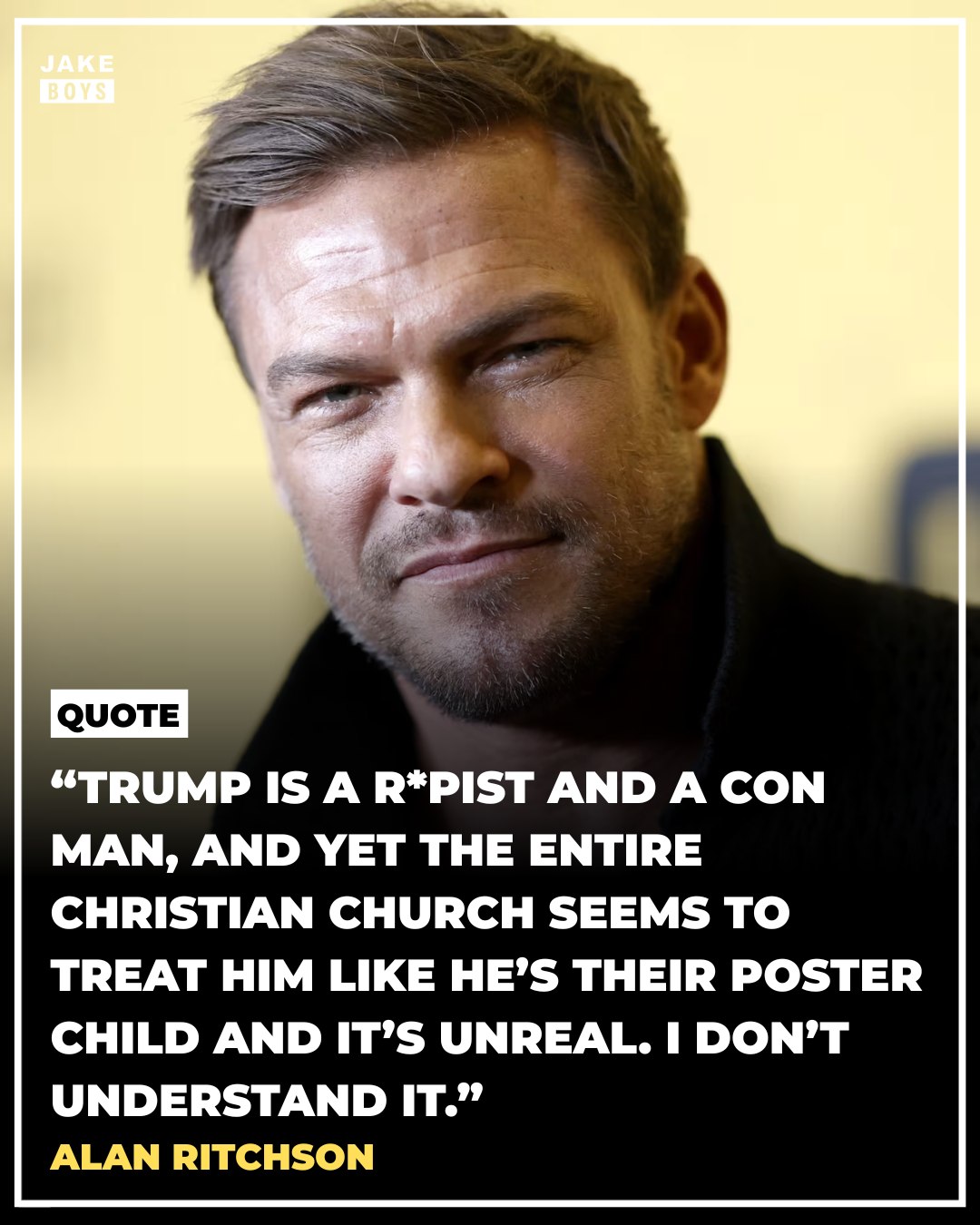 0 Comments 0 Shares 146 Views 0 Reviews
3
0 Comments 0 Shares 146 Views 0 Reviews
3
-
Political commentator Jessica Tarlov is spotlighting a surge of grassroots dissent against the second Trump administration, using the massive “No Kings” protests as a barometer of rising political energy on the left. In a recent post on X, she noted that what began as millions of protesters has grown even bigger — from around 6 million to nearly 8 million people nationwide — with more than 3,300 rallies in all 50 states, including suburbs and small towns. That turnout, organizers say, makes March’s protest the largest single-day demonstration in U.S. history.
Tarlov tied this visible energy on the streets to real political consequences inside Washington: a record 36 House Republicans have announced early retirements, which she argues reflects GOP anxiety about the coming elections, and polling shows Donald Trump’s approval stuck at historically weak levels — around 40% or lower by some measures.
Historically, when a president’s approval dips below 50%, the president’s party tends to lose significant ground in Congress — on average dozens of seats. Democrats, Tarlov points out, only need a handful of flips to take control of the House and Senate. That’s why she says the energy behind these protests is “real and growing” — and could translate into major electoral consequences next year.Political commentator Jessica Tarlov is spotlighting a surge of grassroots dissent against the second Trump administration, using the massive “No Kings” protests as a barometer of rising political energy on the left. In a recent post on X, she noted that what began as millions of protesters has grown even bigger — from around 6 million to nearly 8 million people nationwide — with more than 3,300 rallies in all 50 states, including suburbs and small towns. That turnout, organizers say, makes March’s protest the largest single-day demonstration in U.S. history. Tarlov tied this visible energy on the streets to real political consequences inside Washington: a record 36 House Republicans have announced early retirements, which she argues reflects GOP anxiety about the coming elections, and polling shows Donald Trump’s approval stuck at historically weak levels — around 40% or lower by some measures. Historically, when a president’s approval dips below 50%, the president’s party tends to lose significant ground in Congress — on average dozens of seats. Democrats, Tarlov points out, only need a handful of flips to take control of the House and Senate. That’s why she says the energy behind these protests is “real and growing” — and could translate into major electoral consequences next year.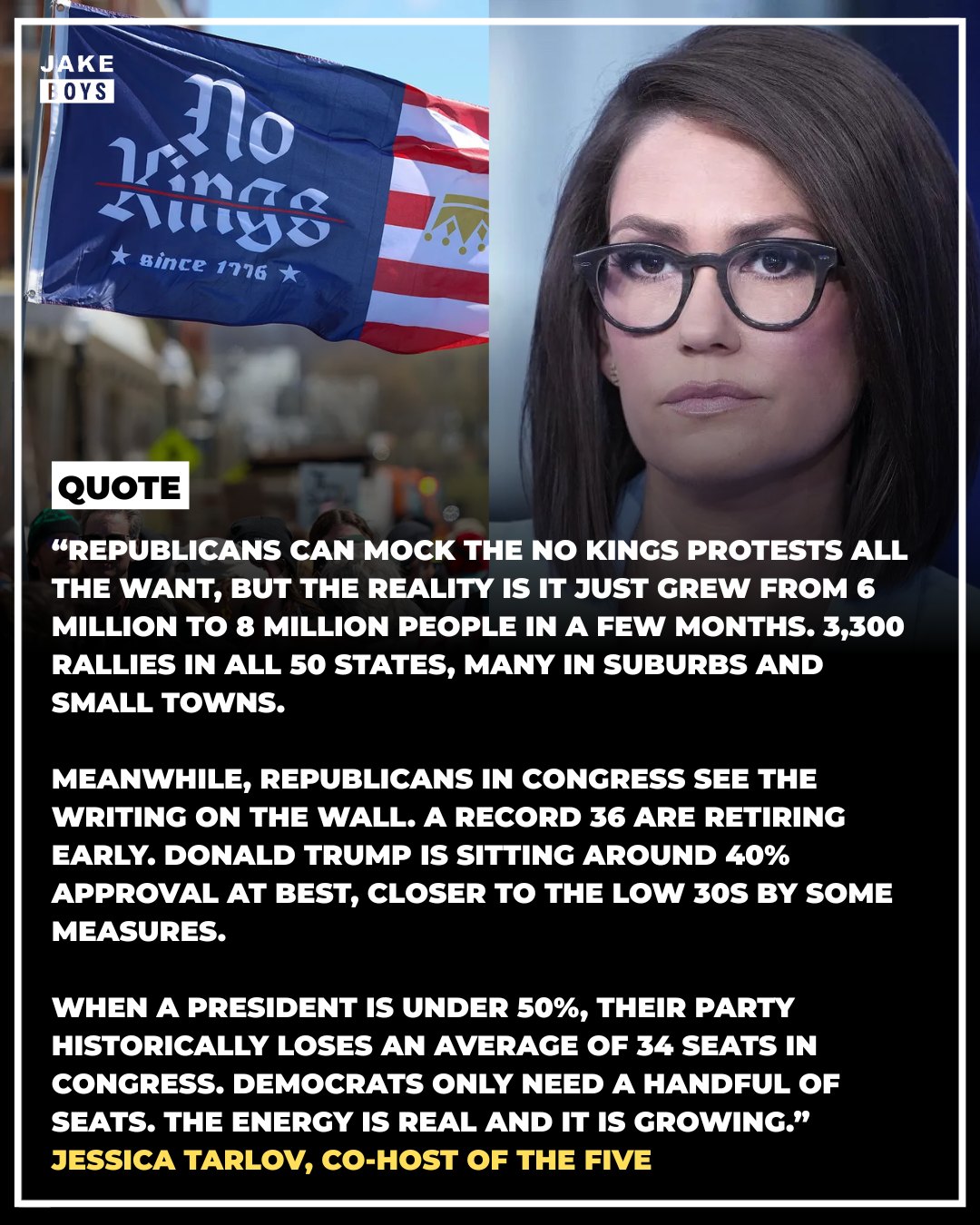 0 Comments 0 Shares 163 Views 0 Reviews
3
0 Comments 0 Shares 163 Views 0 Reviews
3
-
Spanish Prime Minister Pedro Sánchez directly called out former President Donald Trump, reminding him of the lessons from history:
“23 years ago, the U.S. government dragged us into a war with Iraq, said to eliminate Saddam Hussein's nuclear weapons and bring democracy. But no nuclear weapon was found in Iraq.”
Sánchez’s statement underscores the skepticism among European leaders toward renewed U.S.-led military interventions in the Middle East, highlighting the lessons of past conflicts and the importance of caution in international policy.
This is resonating online as a sharp rebuke of Trump’s push for the Iran war, emphasizing that history is not easily forgotten.Spanish Prime Minister Pedro Sánchez directly called out former President Donald Trump, reminding him of the lessons from history: “23 years ago, the U.S. government dragged us into a war with Iraq, said to eliminate Saddam Hussein's nuclear weapons and bring democracy. But no nuclear weapon was found in Iraq.” Sánchez’s statement underscores the skepticism among European leaders toward renewed U.S.-led military interventions in the Middle East, highlighting the lessons of past conflicts and the importance of caution in international policy. This is resonating online as a sharp rebuke of Trump’s push for the Iran war, emphasizing that history is not easily forgotten.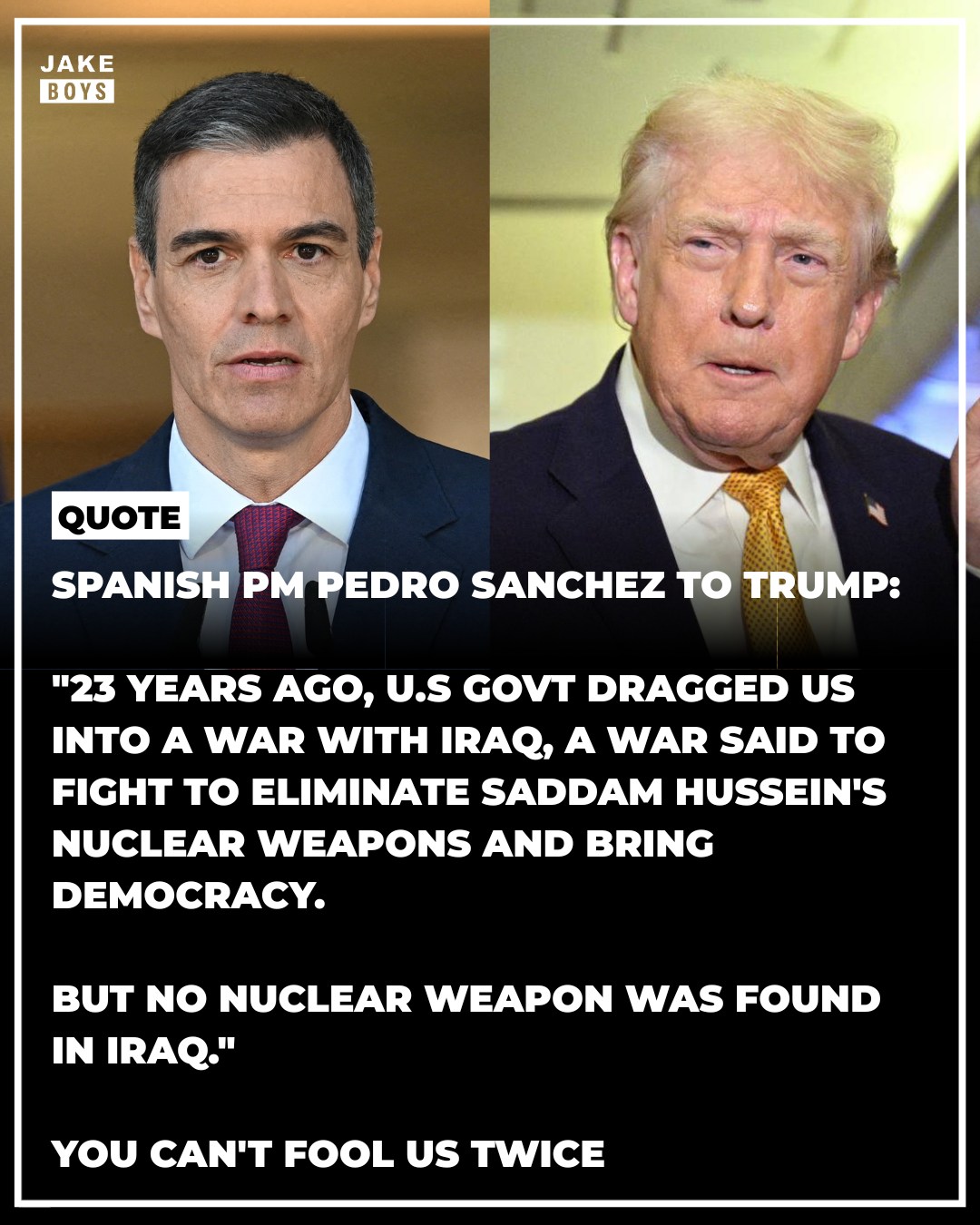 0 Comments 0 Shares 286 Views 0 Reviews
3
0 Comments 0 Shares 286 Views 0 Reviews
3
-
President Donald Trump has escalated his criticism of the North Atlantic Treaty Organization (NATO), saying he’s “strongly considering” pulling the United States out of the alliance after key European allies declined to back U.S. military action related to the war with Iran. Trump labeled NATO a “paper tiger” — a term he’s used to describe institutions he views as weak — and told The Telegraph that the idea of staying in NATO is now “beyond reconsideration.”
The comments underline a growing rift between Washington and longtime partners. Defense officials have even declined to reaffirm the U.S. commitment to NATO’s collective defense clause, putting the future of the alliance’s central guarantee in question.
Trump’s remarks came alongside sharp public criticism of European governments — including France, Spain, Italy, and the UK — for not contributing militarily to the U.S.-Israel campaign against Iran. Those tensions, combined with ongoing disputes over energy security and allied support, are raising serious questions about the stability and cohesion of NATO at a moment of multiple global crises.President Donald Trump has escalated his criticism of the North Atlantic Treaty Organization (NATO), saying he’s “strongly considering” pulling the United States out of the alliance after key European allies declined to back U.S. military action related to the war with Iran. Trump labeled NATO a “paper tiger” — a term he’s used to describe institutions he views as weak — and told The Telegraph that the idea of staying in NATO is now “beyond reconsideration.” The comments underline a growing rift between Washington and longtime partners. Defense officials have even declined to reaffirm the U.S. commitment to NATO’s collective defense clause, putting the future of the alliance’s central guarantee in question. Trump’s remarks came alongside sharp public criticism of European governments — including France, Spain, Italy, and the UK — for not contributing militarily to the U.S.-Israel campaign against Iran. Those tensions, combined with ongoing disputes over energy security and allied support, are raising serious questions about the stability and cohesion of NATO at a moment of multiple global crises.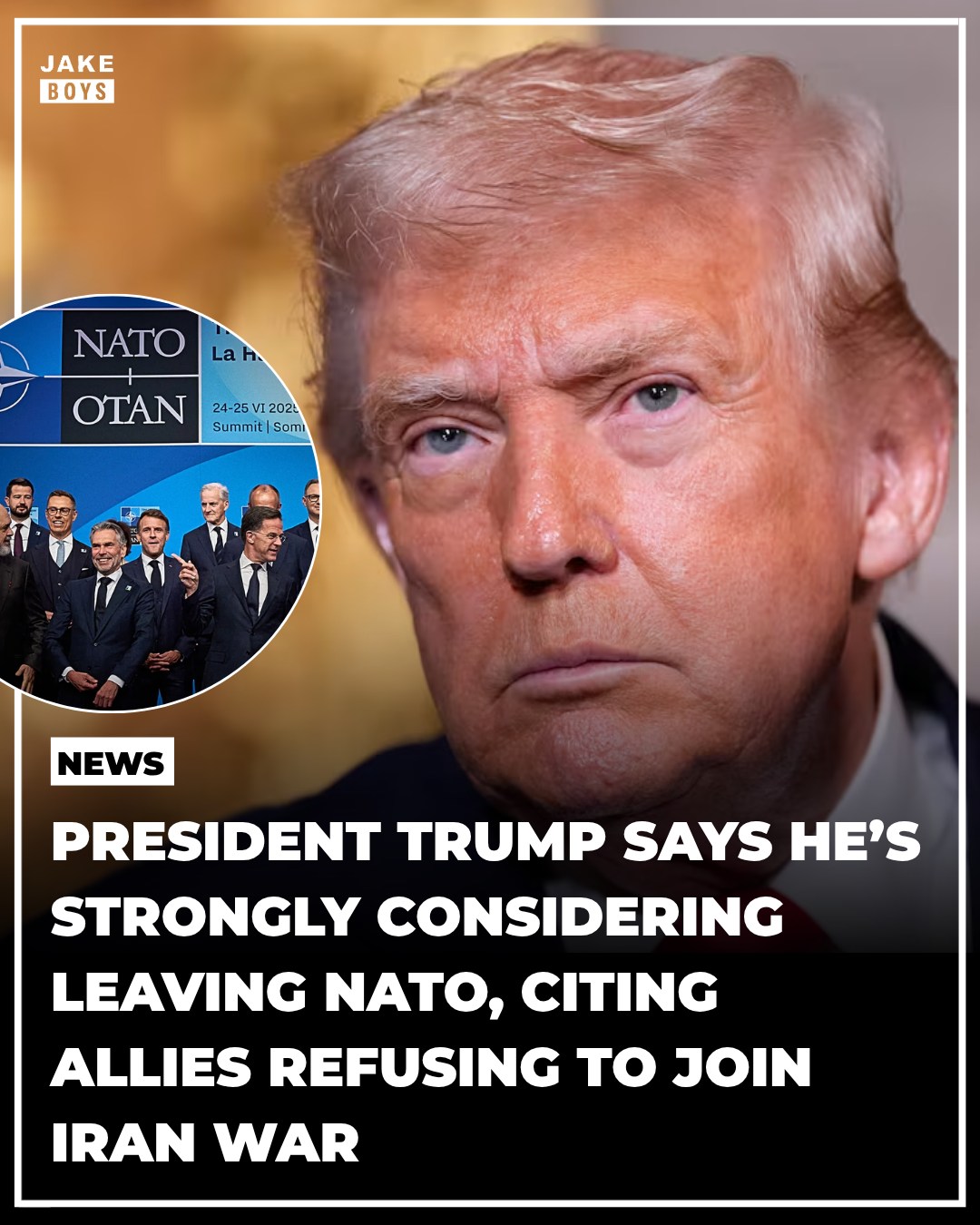 0 Comments 0 Shares 231 Views 0 Reviews
3
0 Comments 0 Shares 231 Views 0 Reviews
3
More Stories

 Language
 VN
VN
 French
 Spanish
 Portuguese
 Deutsch
 Turkish
 Dutch
Dutch
 Italiano
 Russian
 Romaian
 Portuguese (Brazil)
 Greek
Greek
 Arabic