


-
Court filings in the high‑profile murder case of conservative activist Charlie Kirk are now raising major unanswered questions about the forensic evidence — and the defense is spotlighting a potentially explosive detail. According to recent legal documents, the bullet recovered from Kirk’s body couldn’t be definitively linked to the rifle prosecutors say was used by the accused shooter, Tyler Robinson. That claim comes from the Bureau of Alcohol, Tobacco, Firearms and Explosives, which told defense lawyers it was unable to make a ballistic match between the fatal round and the rifle allegedly tied to Robinson.
Robinson, 22, is facing capital murder charges in Kirk’s killing at Utah Valley University in September 2025, and prosecutors have sought the death penalty. But this new twist — that the key piece of physical evidence may not conclusively connect him to the weapon — is now central to the defense’s push to delay the preliminary hearing and bring in additional experts to review the ballistic data.Court filings in the high‑profile murder case of conservative activist Charlie Kirk are now raising major unanswered questions about the forensic evidence — and the defense is spotlighting a potentially explosive detail. According to recent legal documents, the bullet recovered from Kirk’s body couldn’t be definitively linked to the rifle prosecutors say was used by the accused shooter, Tyler Robinson. That claim comes from the Bureau of Alcohol, Tobacco, Firearms and Explosives, which told defense lawyers it was unable to make a ballistic match between the fatal round and the rifle allegedly tied to Robinson. Robinson, 22, is facing capital murder charges in Kirk’s killing at Utah Valley University in September 2025, and prosecutors have sought the death penalty. But this new twist — that the key piece of physical evidence may not conclusively connect him to the weapon — is now central to the defense’s push to delay the preliminary hearing and bring in additional experts to review the ballistic data.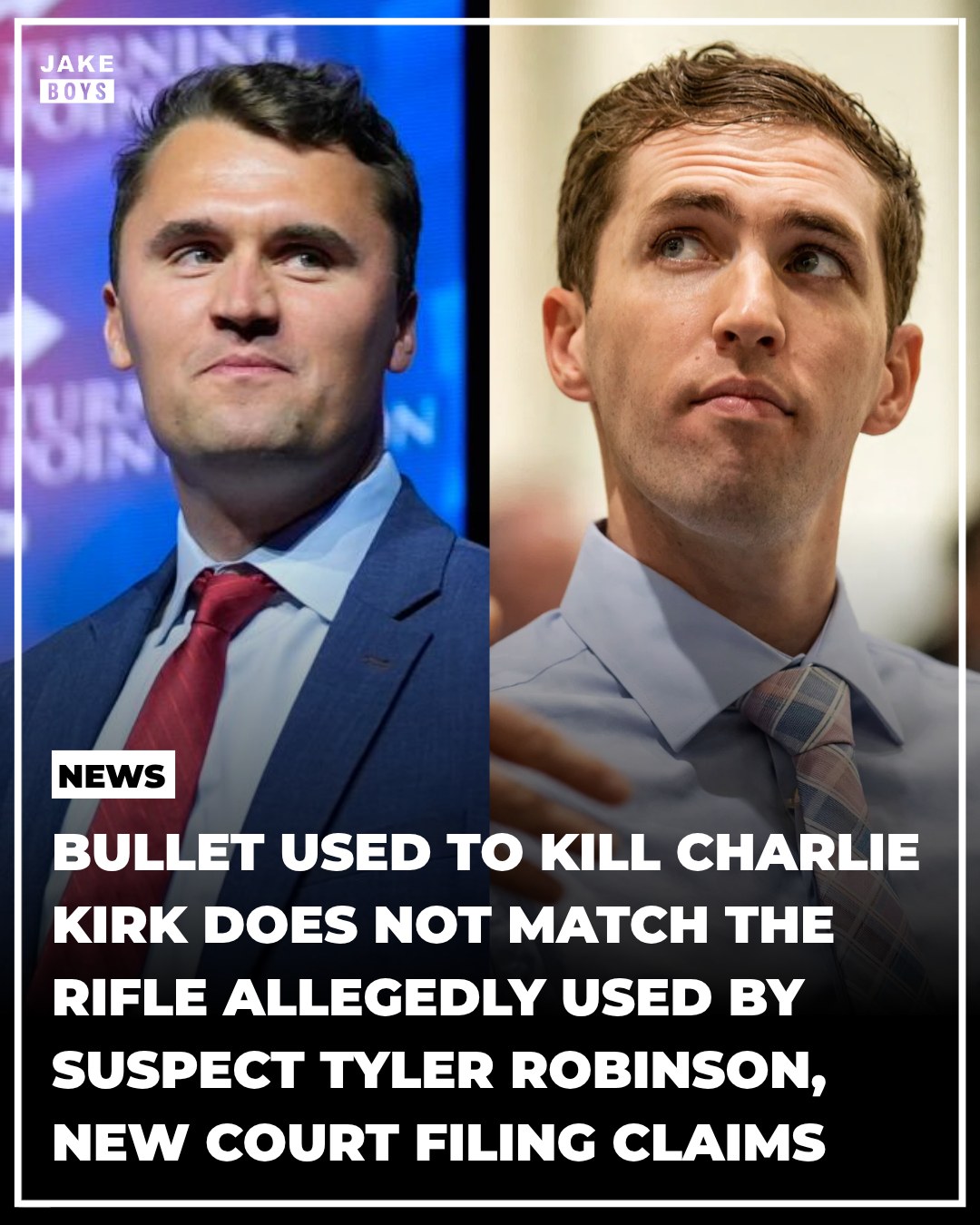 0 Comments 0 Shares 117 Views 0 Reviews
 3
3
-
Spanish MEP Irene Montero just issued one of the most forceful critiques yet from a European political leader about the ongoing war in Gaza and Western support for Israel. She warned that “if we do not stop Israel in time, it will do to the whole world what it has already done to Palestinians” — tying the violence and humanitarian catastrophe in occupied Palestinian territories to a broader warning about unchecked militarism and power.
Montero has repeatedly called for Europe to break its diplomatic silence and impose sanctions or isolation on Israel and its key backers, including the U.S., over what she describes as genocide and terror. Her statements reflect a sector of progressive opinion that sees the international response to the war as deeply hypocritical — especially given Western governments’ reluctance to sanction Israel despite documented displacement, civilian deaths, and concerns flagged by U.N. human rights experts about violations of international law.
Whether one agrees or not, this rhetoric directly challenges mainstream European foreign‑policy consensus and is fueling a heated trans‑Atlantic debate about war, human rights, and the limits of Western military alliances. It’s stirring strong reactions from activists on both sides, and could become a flashpoint in how European progressives frame opposition to U.S.–linked military power globally.Spanish MEP Irene Montero just issued one of the most forceful critiques yet from a European political leader about the ongoing war in Gaza and Western support for Israel. She warned that “if we do not stop Israel in time, it will do to the whole world what it has already done to Palestinians” — tying the violence and humanitarian catastrophe in occupied Palestinian territories to a broader warning about unchecked militarism and power. Montero has repeatedly called for Europe to break its diplomatic silence and impose sanctions or isolation on Israel and its key backers, including the U.S., over what she describes as genocide and terror. Her statements reflect a sector of progressive opinion that sees the international response to the war as deeply hypocritical — especially given Western governments’ reluctance to sanction Israel despite documented displacement, civilian deaths, and concerns flagged by U.N. human rights experts about violations of international law. Whether one agrees or not, this rhetoric directly challenges mainstream European foreign‑policy consensus and is fueling a heated trans‑Atlantic debate about war, human rights, and the limits of Western military alliances. It’s stirring strong reactions from activists on both sides, and could become a flashpoint in how European progressives frame opposition to U.S.–linked military power globally. 0 Comments 0 Shares 219 Views 0 Reviews
3
0 Comments 0 Shares 219 Views 0 Reviews
3
-
Italy just slapped a rare diplomatic and military check on the United States. According to multiple reports, the Italian government refused to allow a U.S. military aircraft to land at the Sigonella air base in Sicily before they were supposed to fly on toward the Middle East — because the U.S. didn’t ask permission first and failed to follow treaty procedures that require Italian approval for non‑routine military flights.
Sigonella isn’t just any airstrip — it’s one of NATO’s key hubs in the Mediterranean and has historically been used by the U.S. for operations into the region. But this week, Rome’s defense leadership stepped in and said “no” when Washington didn’t follow the rules.
This move follows growing European pushback against the U.S.–led war in Iran, including neighboring Spain closing its airspace and barring U.S. war flights tied to the conflict.
For progressives worried about mission creep, entanglement in endless wars, and sovereign governments standing up to U.S. military overreach, this could be a major flashpoint in NATO and trans‑Atlantic politics.Italy just slapped a rare diplomatic and military check on the United States. According to multiple reports, the Italian government refused to allow a U.S. military aircraft to land at the Sigonella air base in Sicily before they were supposed to fly on toward the Middle East — because the U.S. didn’t ask permission first and failed to follow treaty procedures that require Italian approval for non‑routine military flights. Sigonella isn’t just any airstrip — it’s one of NATO’s key hubs in the Mediterranean and has historically been used by the U.S. for operations into the region. But this week, Rome’s defense leadership stepped in and said “no” when Washington didn’t follow the rules. This move follows growing European pushback against the U.S.–led war in Iran, including neighboring Spain closing its airspace and barring U.S. war flights tied to the conflict. For progressives worried about mission creep, entanglement in endless wars, and sovereign governments standing up to U.S. military overreach, this could be a major flashpoint in NATO and trans‑Atlantic politics. 0 Comments 0 Shares 186 Views 0 Reviews
3
0 Comments 0 Shares 186 Views 0 Reviews
3
-
A group of survivors of Jeffrey Epstein’s abuse has filed a class‑action lawsuit against the U.S. Department of Justice under the Trump administration and Google, saying their private identifying information was exposed in publicly released Epstein‑related files and then spread online.
According to the complaint, documents the DOJ released under the Epstein Files Transparency Act included personal details about at least 100 survivors that were not properly redacted. The lawsuit argues the government chose to release a large volume of material quickly at the expense of victim privacy — and that Google continued to show the information in search results and AI outputs even after being asked to remove it.
Plaintiffs say the exposure has caused renewed trauma, including unwanted contact and threats, and are seeking damages as well as court orders to remove the information from online platforms.A group of survivors of Jeffrey Epstein’s abuse has filed a class‑action lawsuit against the U.S. Department of Justice under the Trump administration and Google, saying their private identifying information was exposed in publicly released Epstein‑related files and then spread online. According to the complaint, documents the DOJ released under the Epstein Files Transparency Act included personal details about at least 100 survivors that were not properly redacted. The lawsuit argues the government chose to release a large volume of material quickly at the expense of victim privacy — and that Google continued to show the information in search results and AI outputs even after being asked to remove it. Plaintiffs say the exposure has caused renewed trauma, including unwanted contact and threats, and are seeking damages as well as court orders to remove the information from online platforms. 0 Comments 0 Shares 411 Views 0 Reviews
3
0 Comments 0 Shares 411 Views 0 Reviews
3
-
Minnesota wanted to investigate. The FBI took over, then cut the state out entirely. No access to the evidence, the witnesses, or even the scene.
An ICE agent shot and killed 37-year-old U.S. citizen Renee Good in Minneapolis on January 7. The DOJ ruled it self-defense, while DHS claimed she had “weaponized” her vehicle. But video analysis suggested her car was turning away when the agent fired, and a family autopsy found she was shot in the head.
Within hours, the FBI assumed full control of the case, removing Minnesota authorities from the investigation altogether. Vice President Vance said the agent had “absolute immunity.”
The agent, Jonathan Ross, is an Iraq War veteran who had previously been dragged by a car during an arrest months earlier. The shooting was the first homicide in Minneapolis in 2026 and one of multiple incidents involving ICE agents opening fire since late 2025.
No independent investigation was conducted.Minnesota wanted to investigate. The FBI took over, then cut the state out entirely. No access to the evidence, the witnesses, or even the scene. An ICE agent shot and killed 37-year-old U.S. citizen Renee Good in Minneapolis on January 7. The DOJ ruled it self-defense, while DHS claimed she had “weaponized” her vehicle. But video analysis suggested her car was turning away when the agent fired, and a family autopsy found she was shot in the head. Within hours, the FBI assumed full control of the case, removing Minnesota authorities from the investigation altogether. Vice President Vance said the agent had “absolute immunity.” The agent, Jonathan Ross, is an Iraq War veteran who had previously been dragged by a car during an arrest months earlier. The shooting was the first homicide in Minneapolis in 2026 and one of multiple incidents involving ICE agents opening fire since late 2025. No independent investigation was conducted. 0 Comments 0 Shares 477 Views 0 Reviews
3
0 Comments 0 Shares 477 Views 0 Reviews
3
-
Jasmine Crockett is drawing attention after invoking a decades-old line from Tupac Shakur to criticise government priorities.
Pointing to reports that the Pentagon is seeking another $200 billion in funding, she questioned why there always seems to be money for war, but not for housing, healthcare or feeding struggling Americans.
It is a message that is resonating with many who feel basic needs at home are too often pushed aside in favour of military spending abroad.Jasmine Crockett is drawing attention after invoking a decades-old line from Tupac Shakur to criticise government priorities. Pointing to reports that the Pentagon is seeking another $200 billion in funding, she questioned why there always seems to be money for war, but not for housing, healthcare or feeding struggling Americans. It is a message that is resonating with many who feel basic needs at home are too often pushed aside in favour of military spending abroad. 0 Comments 0 Shares 310 Views 0 Reviews
3
0 Comments 0 Shares 310 Views 0 Reviews
3
More Stories

 Language
 VN
VN
 French
 Spanish
 Portuguese
 Deutsch
 Turkish
 Dutch
Dutch
 Italiano
 Russian
 Romaian
 Portuguese (Brazil)
 Greek
Greek
 Arabic