


-
Former Minnesota governor and longtime political outsider Jesse Ventura is once again speaking out about the January 6 Capitol attack — and he’s not holding back.
“I’m still not over January 6th. That was treason,” Ventura said, arguing that those involved — “all the way to Trump” — should have faced criminal consequences for their role in the events of that day.
Ventura specifically pointed to Donald Trump and Rudy Giuliani, claiming they helped orchestrate efforts to overturn the 2020 election — something both men have denied, even as multiple investigations and prosecutions have unfolded in the aftermath.
More than 1,000 people have been charged in connection with the Capitol attack, but the question of accountability at the highest levels of government continues to divide the country — and voices like Ventura’s are keeping that debate front and center.Former Minnesota governor and longtime political outsider Jesse Ventura is once again speaking out about the January 6 Capitol attack — and he’s not holding back. “I’m still not over January 6th. That was treason,” Ventura said, arguing that those involved — “all the way to Trump” — should have faced criminal consequences for their role in the events of that day. Ventura specifically pointed to Donald Trump and Rudy Giuliani, claiming they helped orchestrate efforts to overturn the 2020 election — something both men have denied, even as multiple investigations and prosecutions have unfolded in the aftermath. More than 1,000 people have been charged in connection with the Capitol attack, but the question of accountability at the highest levels of government continues to divide the country — and voices like Ventura’s are keeping that debate front and center.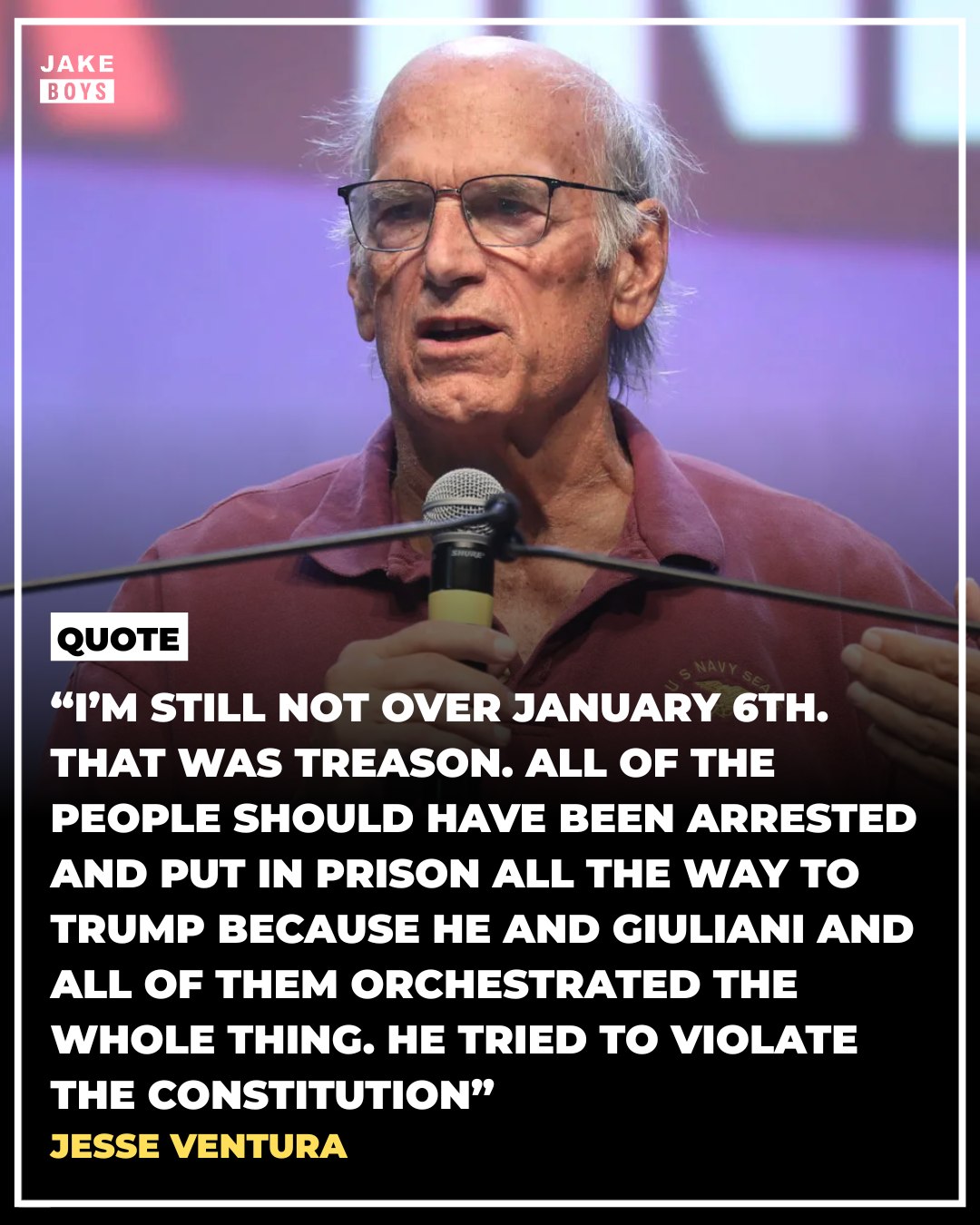 0 Comments 0 Shares 104 Views 0 Reviews
 3
3
-
After U.S. Defense Secretary Pete Hegseth tweeted “Back to the Stone Age” following President Donald Trump’s threat to bomb Iran, the response from Iran’s embassy was immediate — and brutal.
“Stone Age? At a time when you were still in caves searching for fire, we were inscribing human rights on the Cyrus Cylinder… because Iran is not just a country, it is a civilization.”
The viral clapback draws on Iran’s ancient history — referencing the Cyrus Cylinder, often described as one of the earliest declarations of human rights — and contrasts it with what officials framed as reckless modern-day rhetoric.
The exchange is part of a rapidly escalating war of words amid growing military tensions, with Trump himself warning the U.S. could strike Iran so hard it would be sent “back to the stone ages.”
What started as a two-word tweet has now turned into a global moment — highlighting not just the conflict, but the stark clash between military threats and civilizational identity.After U.S. Defense Secretary Pete Hegseth tweeted “Back to the Stone Age” following President Donald Trump’s threat to bomb Iran, the response from Iran’s embassy was immediate — and brutal. “Stone Age? At a time when you were still in caves searching for fire, we were inscribing human rights on the Cyrus Cylinder… because Iran is not just a country, it is a civilization.” The viral clapback draws on Iran’s ancient history — referencing the Cyrus Cylinder, often described as one of the earliest declarations of human rights — and contrasts it with what officials framed as reckless modern-day rhetoric. The exchange is part of a rapidly escalating war of words amid growing military tensions, with Trump himself warning the U.S. could strike Iran so hard it would be sent “back to the stone ages.” What started as a two-word tweet has now turned into a global moment — highlighting not just the conflict, but the stark clash between military threats and civilizational identity.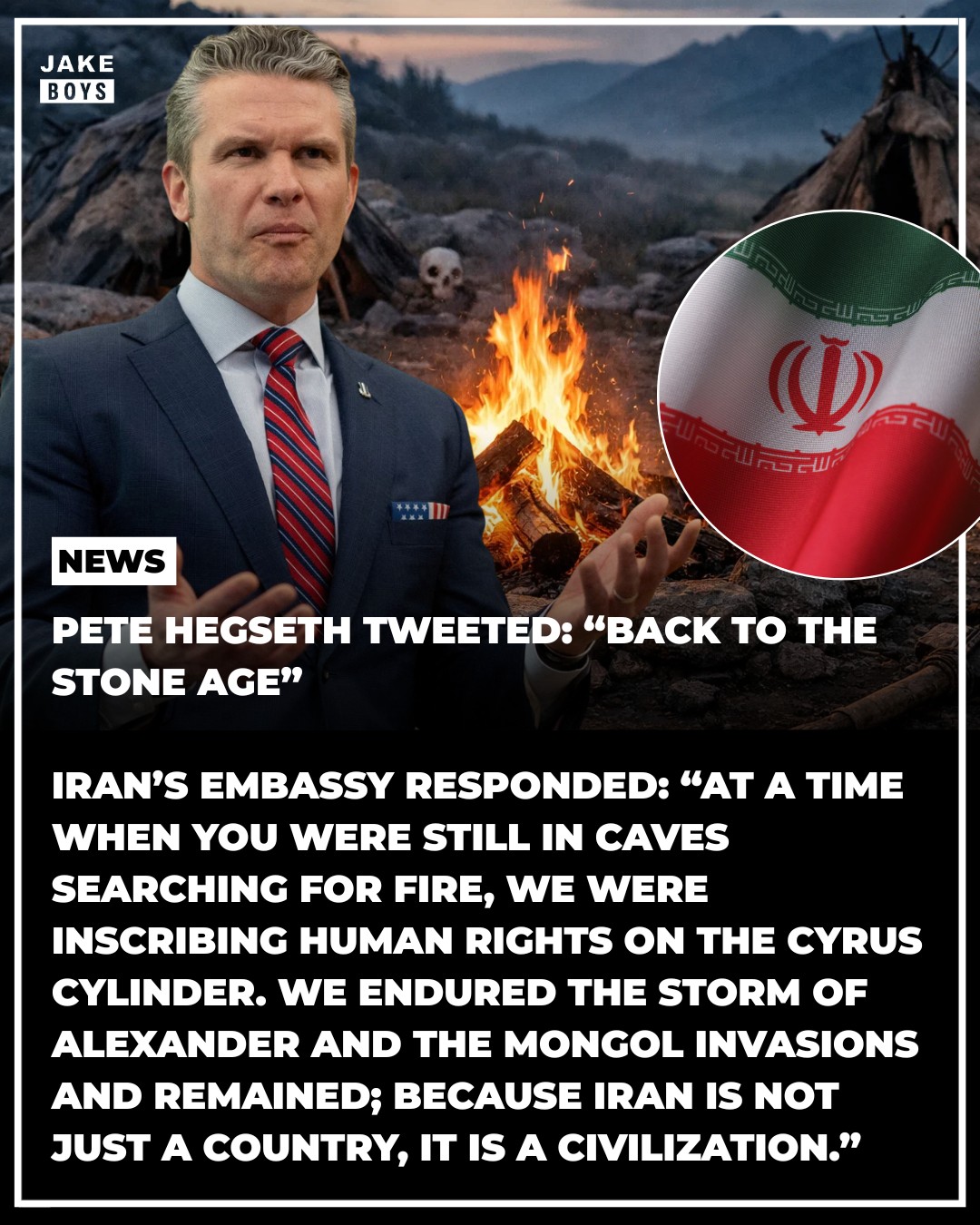 0 Comments 0 Shares 109 Views 0 Reviews
3
0 Comments 0 Shares 109 Views 0 Reviews
3
-
Former Trump administration DHS Miles Taylor has launched UndoTrump.org, a campaign aimed at removing President Donald Trump’s name from federal buildings, monuments, and any public assets where it has been placed or proposed.
The effort comes amid controversy over Trump’s name being attached to government properties and projects, with critics pointing to branding tied to federal facilities and reported discussions around placing his name on currency and national infrastructure initiatives.
Taylor says the campaign is about drawing a line between public service and personal branding, arguing that taxpayer-funded institutions should not carry the name of any sitting president.
The move is already sparking debate over presidential norms, legacy, and the role of personal image in public office as Trump’s influence continues to shape both policy and symbolism.Former Trump administration DHS Miles Taylor has launched UndoTrump.org, a campaign aimed at removing President Donald Trump’s name from federal buildings, monuments, and any public assets where it has been placed or proposed. The effort comes amid controversy over Trump’s name being attached to government properties and projects, with critics pointing to branding tied to federal facilities and reported discussions around placing his name on currency and national infrastructure initiatives. Taylor says the campaign is about drawing a line between public service and personal branding, arguing that taxpayer-funded institutions should not carry the name of any sitting president. The move is already sparking debate over presidential norms, legacy, and the role of personal image in public office as Trump’s influence continues to shape both policy and symbolism. 0 Comments 0 Shares 173 Views 0 Reviews
3
0 Comments 0 Shares 173 Views 0 Reviews
3
-
Trump's 2027 budget is out, and here's what he pushing to cut to fund his new $1.5 trillion military budget:
$510 million - Grants for farmers and agricultural research
$82 million - Loans for rural small businesses (Fully eliminated)
$61 million - Support for farmers and food markets (Fully eliminated)
$240 million - School meals and food education for children abroad (Fully eliminated)
$659 million - Community building grants
$47 million - Support for minority-owned businesses (Fully eliminated)
$449 million - Economic development grants for communities
$1.6 billion - Weather forecasting, fisheries, and coastal protection (NOAA)
$993 million - Scientific research and technology standards
$150 million - Support for American exports and trade
$2.2 billion - Broadband and internet access programs
$8.5 billion - Funding for public schools
$1.5 billion - Vocational training and adult education (Fully eliminated)
$2.7 billion - College access and higher education support
$15.2 billion - Roads, bridges, and infrastructure projects
$1.1 billion - Home energy efficiency and clean energy programs (Fully eliminated)
$1.1 billion - Scientific research funding
$386 million - Environmental cleanup programs
$150 million - Cutting-edge clean energy research
$4 billion - Help paying home heating and cooling bills for low-income families (Fully eliminated)
$768 million - Refugee resettlement assistance
$819 million - Care and shelter for migrant children
$775 million - Local anti-poverty programs (Fully eliminated)
$5 billion - Public health programs, mental health services, and disease prevention
$5 billion - Medical research (NIH)
$129 million - Healthcare quality and safety research
$356 million - Emergency preparedness and disaster response
$1.3 billion - FEMA community disaster preparedness grants
$707 million - Cybersecurity protection for critical infrastructure
$52 million - Airport and transportation security
$40 million - Protection against chemical and biological weapons threats
$53 million - Funding for homeland security operations
$3.3 billion - Community development block grants for local neighborhoods (Fully eliminated)
$1.3 billion - Affordable housing construction grants (Fully eliminated)
$393 million - Programs to reduce homelessness
$529 million - Housing assistance for people living with HIV/AIDS (Fully eliminated)
$489 million - Housing and services for Native American communities
$50 million - Grants to help communities build more housing (Fully eliminated)
$60 million - Enforcement of fair housing and anti-discrimination laws
$58 million - Homebuyer and renter counseling services (Fully eliminated)
$45 million - Renewable energy development programs (Fully eliminated)
$1.7 billion - Grants for local law enforcement and public safety
$20 million - Civil rights mediation and legal access programs (Fully eliminated)
$1.6 billion - Job training for at-risk youth (Fully eliminated)
$395 million - Jobs program for low-income seniors (Fully eliminated)
$234 million - Worker safety and labor protection programs
$101 million - Enforcement of equal pay and workplace anti-discrimination laws
$46 million - Programs to combat child labor and forced labor abroad
$2 billion - International humanitarian aid
$1.2 billion - Food aid for hungry families abroad (Fully eliminated)
$4.3 billion - Global health and disease prevention programs
$2.7 billion - Funding for the United Nations and international partnerships
$642 million - International economic and treasury programs
$315 million - Democracy and anti-corruption programs abroad
$486 million - Grants for public transit projects
$4.2 billion - Electric vehicle charging infrastructure
$372 million - Airline service for rural and small communities
$145 million - Grants for sustainable and equitable infrastructure
$204 million - Loans and investment for underserved communities
$1.4 billion - IRS taxpayer services and enforcement
$100 million - Air pollution monitoring and reduction programs (Fully eliminated)
$1 billion - EPA grants to states for environmental protection
$2.5 billion - Clean drinking water and wastewater infrastructure funds
$90 million - Grants to reduce diesel pollution (Fully eliminated)
$3.4 billion - NASA space and earth science research
$297 million - NASA technology innovation programs
$1.1 billion - International Space Station operations
$143 million - STEM education programs
$309 million - Small business development and entrepreneurship programs
$170 million - Small Business Administration operations
$158 million - Loans for small businessesTrump's 2027 budget is out, and here's what he pushing to cut to fund his new $1.5 trillion military budget: $510 million - Grants for farmers and agricultural research $82 million - Loans for rural small businesses (Fully eliminated) $61 million - Support for farmers and food markets (Fully eliminated) $240 million - School meals and food education for children abroad (Fully eliminated) $659 million - Community building grants $47 million - Support for minority-owned businesses (Fully eliminated) $449 million - Economic development grants for communities $1.6 billion - Weather forecasting, fisheries, and coastal protection (NOAA) $993 million - Scientific research and technology standards $150 million - Support for American exports and trade $2.2 billion - Broadband and internet access programs $8.5 billion - Funding for public schools $1.5 billion - Vocational training and adult education (Fully eliminated) $2.7 billion - College access and higher education support $15.2 billion - Roads, bridges, and infrastructure projects $1.1 billion - Home energy efficiency and clean energy programs (Fully eliminated) $1.1 billion - Scientific research funding $386 million - Environmental cleanup programs $150 million - Cutting-edge clean energy research $4 billion - Help paying home heating and cooling bills for low-income families (Fully eliminated) $768 million - Refugee resettlement assistance $819 million - Care and shelter for migrant children $775 million - Local anti-poverty programs (Fully eliminated) $5 billion - Public health programs, mental health services, and disease prevention $5 billion - Medical research (NIH) $129 million - Healthcare quality and safety research $356 million - Emergency preparedness and disaster response $1.3 billion - FEMA community disaster preparedness grants $707 million - Cybersecurity protection for critical infrastructure $52 million - Airport and transportation security $40 million - Protection against chemical and biological weapons threats $53 million - Funding for homeland security operations $3.3 billion - Community development block grants for local neighborhoods (Fully eliminated) $1.3 billion - Affordable housing construction grants (Fully eliminated) $393 million - Programs to reduce homelessness $529 million - Housing assistance for people living with HIV/AIDS (Fully eliminated) $489 million - Housing and services for Native American communities $50 million - Grants to help communities build more housing (Fully eliminated) $60 million - Enforcement of fair housing and anti-discrimination laws $58 million - Homebuyer and renter counseling services (Fully eliminated) $45 million - Renewable energy development programs (Fully eliminated) $1.7 billion - Grants for local law enforcement and public safety $20 million - Civil rights mediation and legal access programs (Fully eliminated) $1.6 billion - Job training for at-risk youth (Fully eliminated) $395 million - Jobs program for low-income seniors (Fully eliminated) $234 million - Worker safety and labor protection programs $101 million - Enforcement of equal pay and workplace anti-discrimination laws $46 million - Programs to combat child labor and forced labor abroad $2 billion - International humanitarian aid $1.2 billion - Food aid for hungry families abroad (Fully eliminated) $4.3 billion - Global health and disease prevention programs $2.7 billion - Funding for the United Nations and international partnerships $642 million - International economic and treasury programs $315 million - Democracy and anti-corruption programs abroad $486 million - Grants for public transit projects $4.2 billion - Electric vehicle charging infrastructure $372 million - Airline service for rural and small communities $145 million - Grants for sustainable and equitable infrastructure $204 million - Loans and investment for underserved communities $1.4 billion - IRS taxpayer services and enforcement $100 million - Air pollution monitoring and reduction programs (Fully eliminated) $1 billion - EPA grants to states for environmental protection $2.5 billion - Clean drinking water and wastewater infrastructure funds $90 million - Grants to reduce diesel pollution (Fully eliminated) $3.4 billion - NASA space and earth science research $297 million - NASA technology innovation programs $1.1 billion - International Space Station operations $143 million - STEM education programs $309 million - Small business development and entrepreneurship programs $170 million - Small Business Administration operations $158 million - Loans for small businesses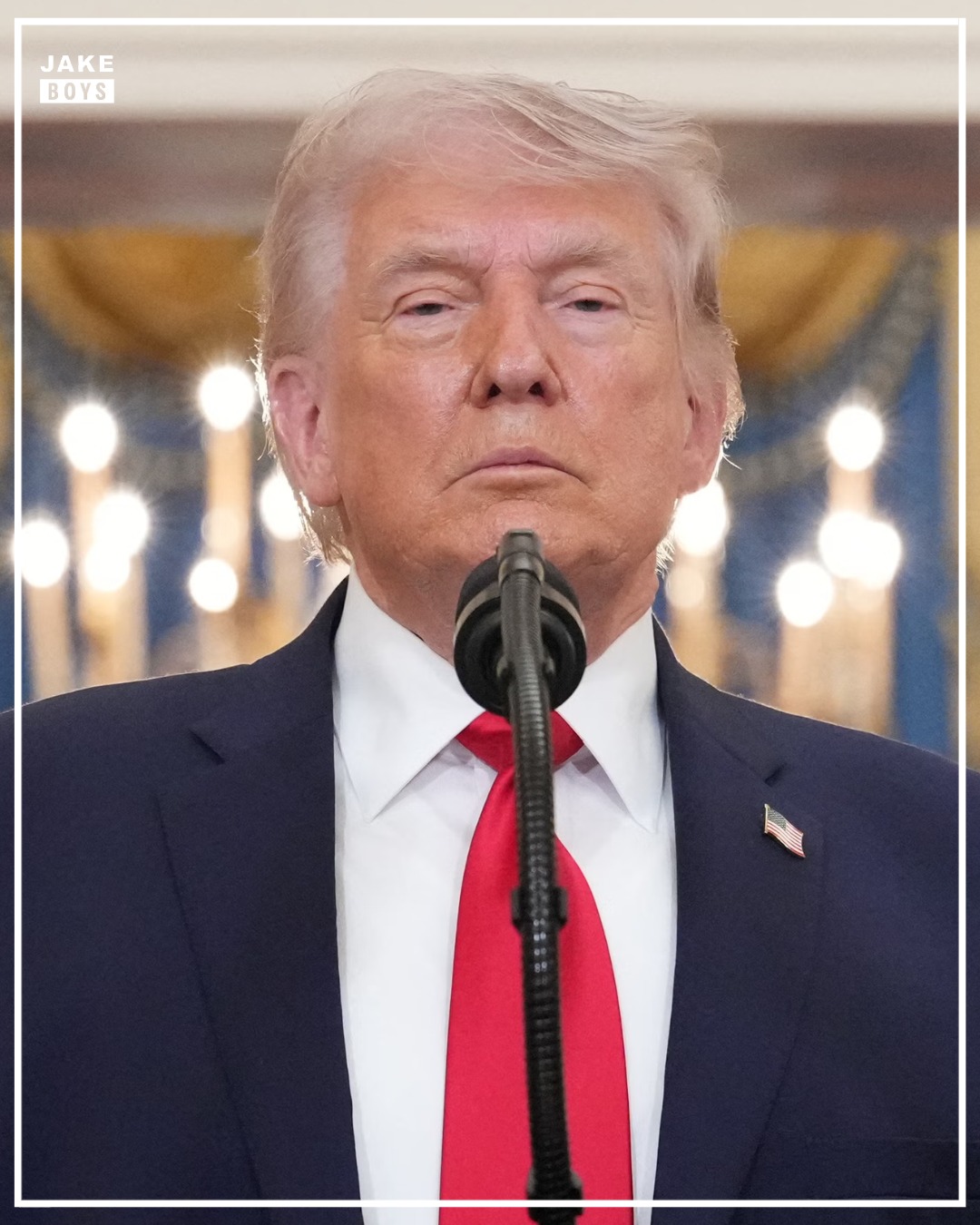 0 Comments 0 Shares 191 Views 0 Reviews
3
0 Comments 0 Shares 191 Views 0 Reviews
3
-
Eminem is once again making waves for his unapologetic stance on politics, doubling down on his criticism of Donald Trump even if it costs him fans.
The rapper made it clear he’s willing to lose support over speaking out, reinforcing a pattern of outspoken political commentary that’s defined much of his public persona in recent years.
His remarks are reigniting debate over celebrity activism, free expression, and the risks public figures take when they wade into deeply polarized political conversations.Eminem is once again making waves for his unapologetic stance on politics, doubling down on his criticism of Donald Trump even if it costs him fans. The rapper made it clear he’s willing to lose support over speaking out, reinforcing a pattern of outspoken political commentary that’s defined much of his public persona in recent years. His remarks are reigniting debate over celebrity activism, free expression, and the risks public figures take when they wade into deeply polarized political conversations.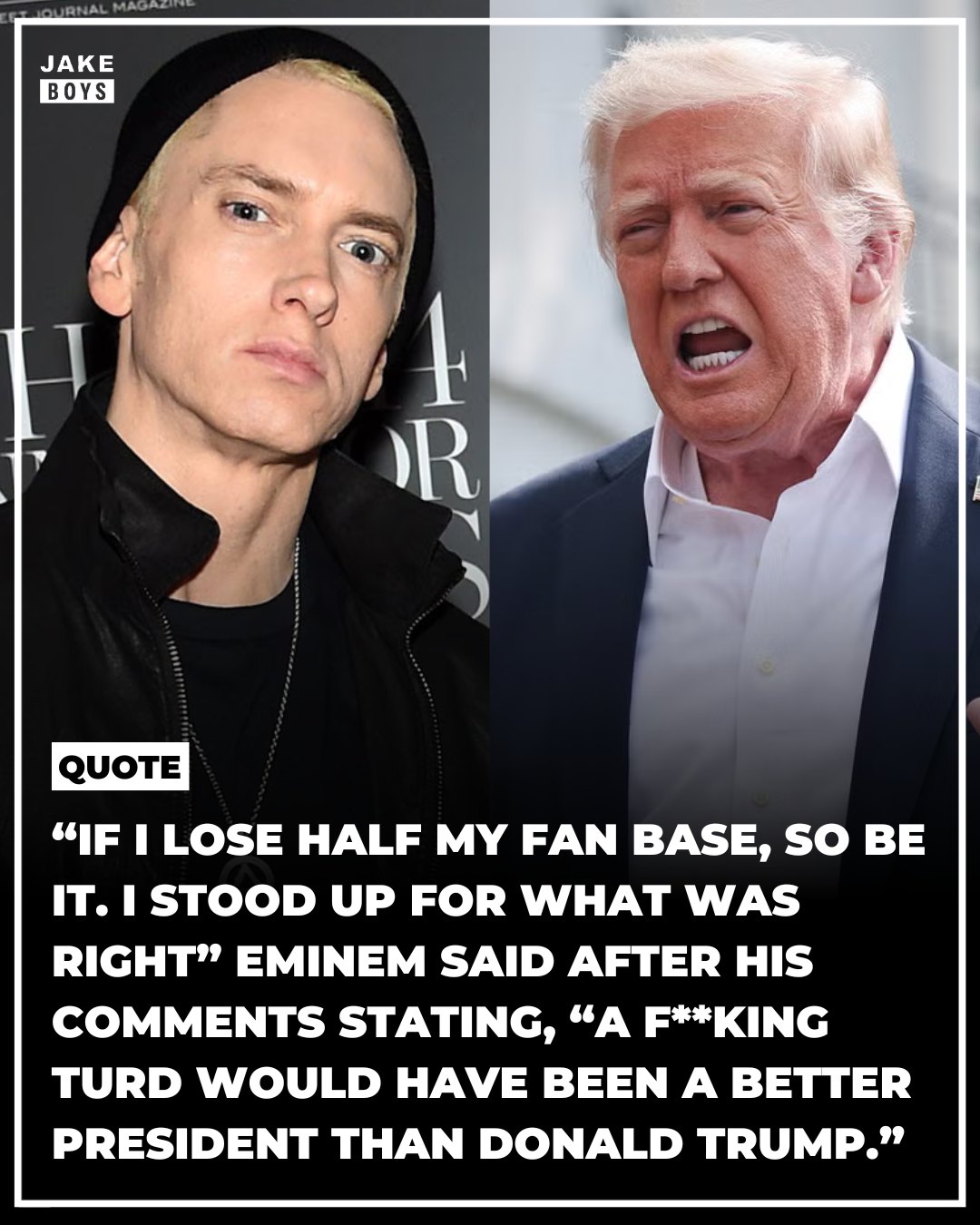 0 Comments 0 Shares 240 Views 0 Reviews
3
0 Comments 0 Shares 240 Views 0 Reviews
3
-
The United States reportedly offered a ceasefire proposal to Iran amid the ongoing U.S.–Israel conflict, but Tehran refused to agree to it, signaling that negotiations remain at a dead end. Mediators attempting to broker a pause in the fighting have said talks have stalled after Iran rejected Washington’s demands through regional channels.
Iranian Foreign Minister Abbas Araghchi has made clear that attacks destroying bridges and other infrastructure won’t force Iran to surrender — and warned that while “bridges and roads can be built again,” damage to America’s global standing will be “irreparable.”
The exchange underscores how diplomatic efforts have so far failed to halt the conflict, with both sides holding firm on their positions — and the war showing no sign of ending soon.The United States reportedly offered a ceasefire proposal to Iran amid the ongoing U.S.–Israel conflict, but Tehran refused to agree to it, signaling that negotiations remain at a dead end. Mediators attempting to broker a pause in the fighting have said talks have stalled after Iran rejected Washington’s demands through regional channels. Iranian Foreign Minister Abbas Araghchi has made clear that attacks destroying bridges and other infrastructure won’t force Iran to surrender — and warned that while “bridges and roads can be built again,” damage to America’s global standing will be “irreparable.” The exchange underscores how diplomatic efforts have so far failed to halt the conflict, with both sides holding firm on their positions — and the war showing no sign of ending soon.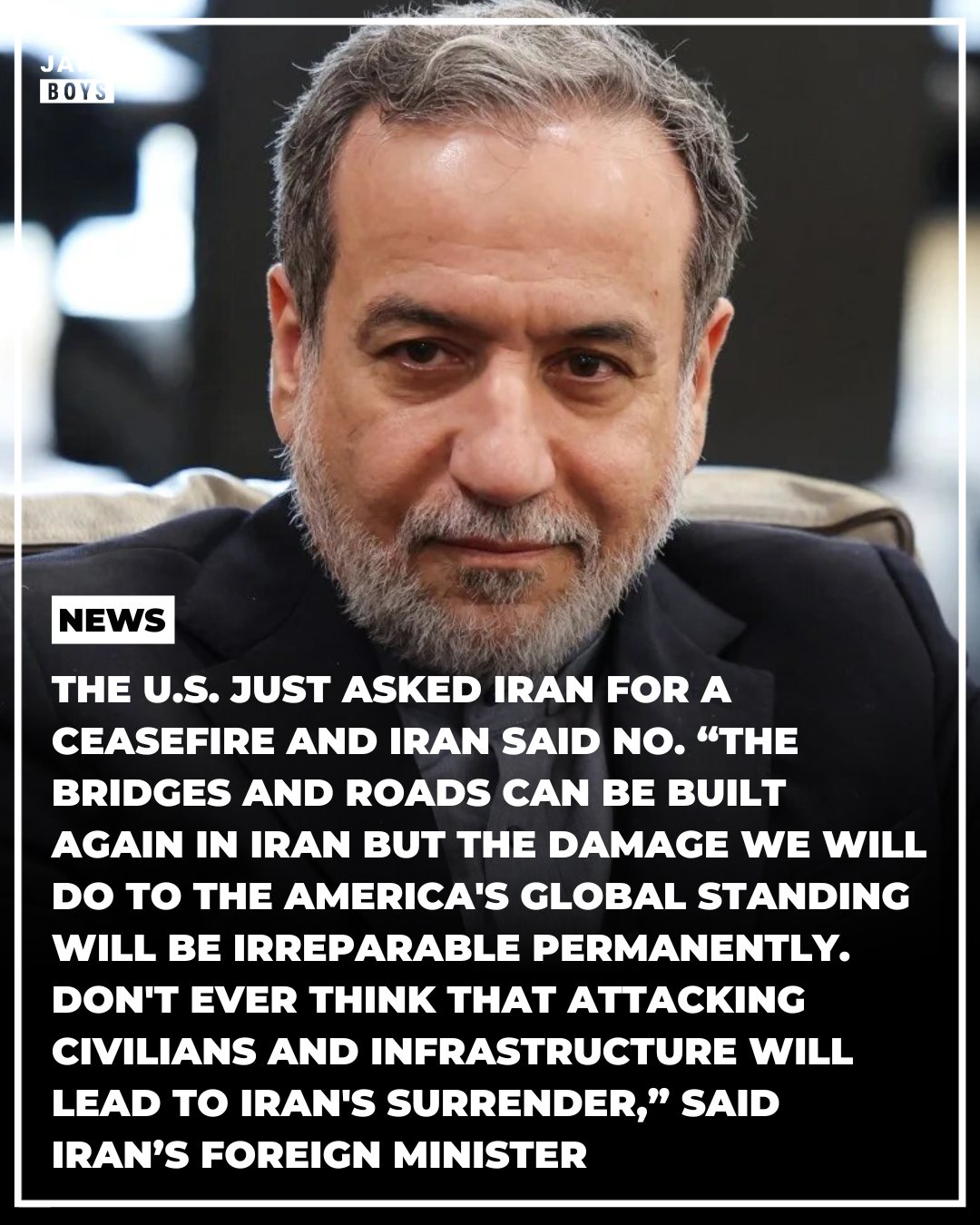 0 Comments 0 Shares 253 Views 0 Reviews
3
0 Comments 0 Shares 253 Views 0 Reviews
3
More Stories

 Language
 VN
VN
 French
 Spanish
 Portuguese
 Deutsch
 Turkish
 Dutch
Dutch
 Italiano
 Russian
 Romaian
 Portuguese (Brazil)
 Greek
Greek
 Arabic