


-
Recent national polling shows a shift in how Americans view presidential performance, with a majority now saying President Biden did a better job than former President Trump. In the Harvard CAPS/Harris poll, more adults said Trump’s presidency was worse than Biden’s, reversing earlier leads Trump held — and in February 2026, a slight majority (about 53%) said they viewed Trump less favorably in comparison to Biden.
This change comes amid sinking approval ratings for Trump, especially on key issues like the economy, inflation, and the ongoing conflict in the Middle East, with Reuters/Ipsos reporting his overall approval at historically low levels.
Polls like these reflect how public opinion can evolve over time — influenced by current events, economic conditions, and perceptions of leadership effectiveness — and they’re drawing attention as both parties prepare for upcoming elections.Recent national polling shows a shift in how Americans view presidential performance, with a majority now saying President Biden did a better job than former President Trump. In the Harvard CAPS/Harris poll, more adults said Trump’s presidency was worse than Biden’s, reversing earlier leads Trump held — and in February 2026, a slight majority (about 53%) said they viewed Trump less favorably in comparison to Biden. This change comes amid sinking approval ratings for Trump, especially on key issues like the economy, inflation, and the ongoing conflict in the Middle East, with Reuters/Ipsos reporting his overall approval at historically low levels. Polls like these reflect how public opinion can evolve over time — influenced by current events, economic conditions, and perceptions of leadership effectiveness — and they’re drawing attention as both parties prepare for upcoming elections.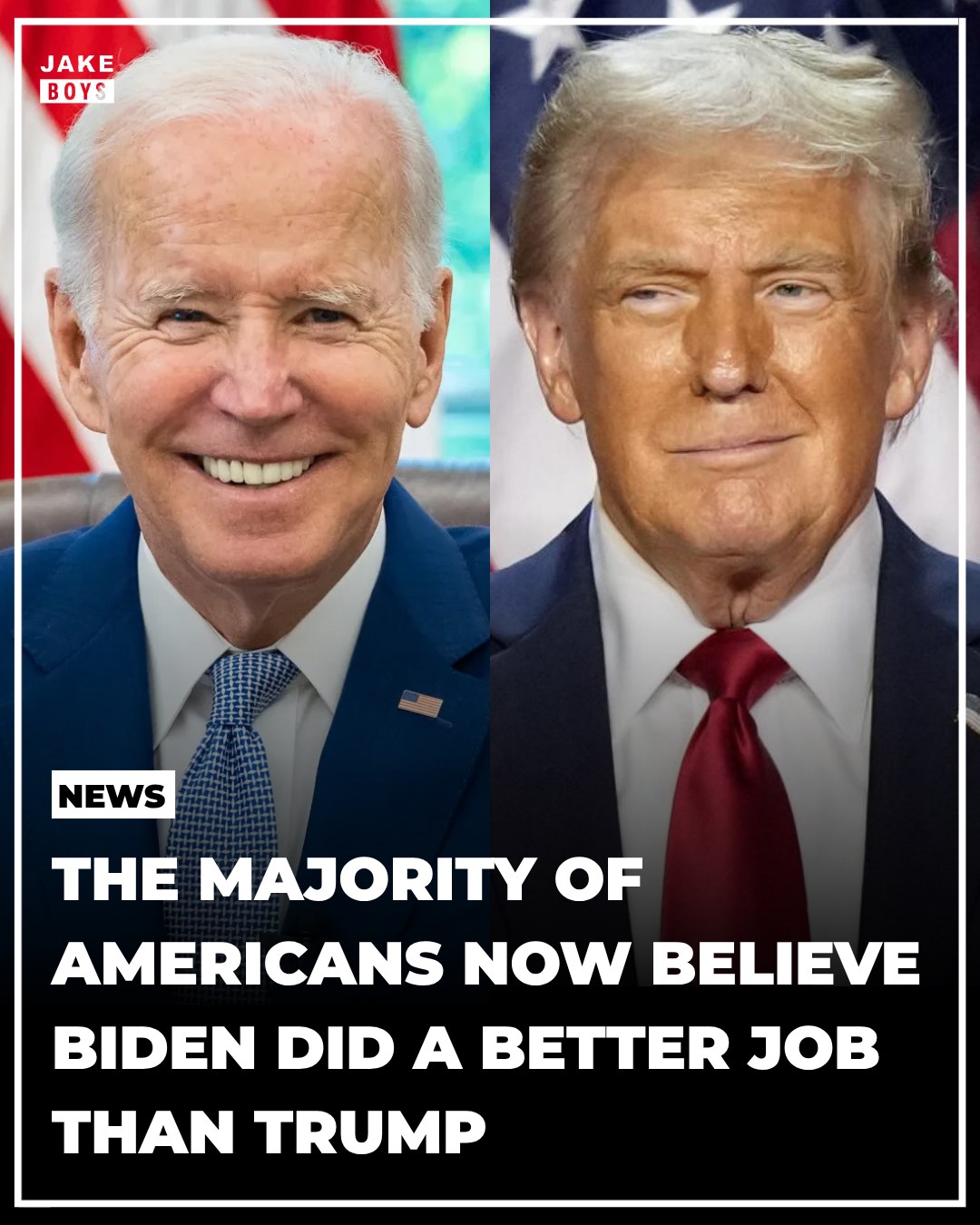 0 Comments 0 Shares 163 Views 0 Reviews
 3
3
-
Rapper Eminem didn’t hold back in a statement criticizing President Donald Trump, saying “a f--king turd would have been better as president than Donald Trump.”
Eminem has been vocal about politics for years, often using his platform to call out leaders he disagrees with, from explicit lyrics in songs to social media commentary. This blunt statement joins a long line of his critiques targeting Trump’s policies, rhetoric, and public behavior.Rapper Eminem didn’t hold back in a statement criticizing President Donald Trump, saying “a f--king turd would have been better as president than Donald Trump.” Eminem has been vocal about politics for years, often using his platform to call out leaders he disagrees with, from explicit lyrics in songs to social media commentary. This blunt statement joins a long line of his critiques targeting Trump’s policies, rhetoric, and public behavior.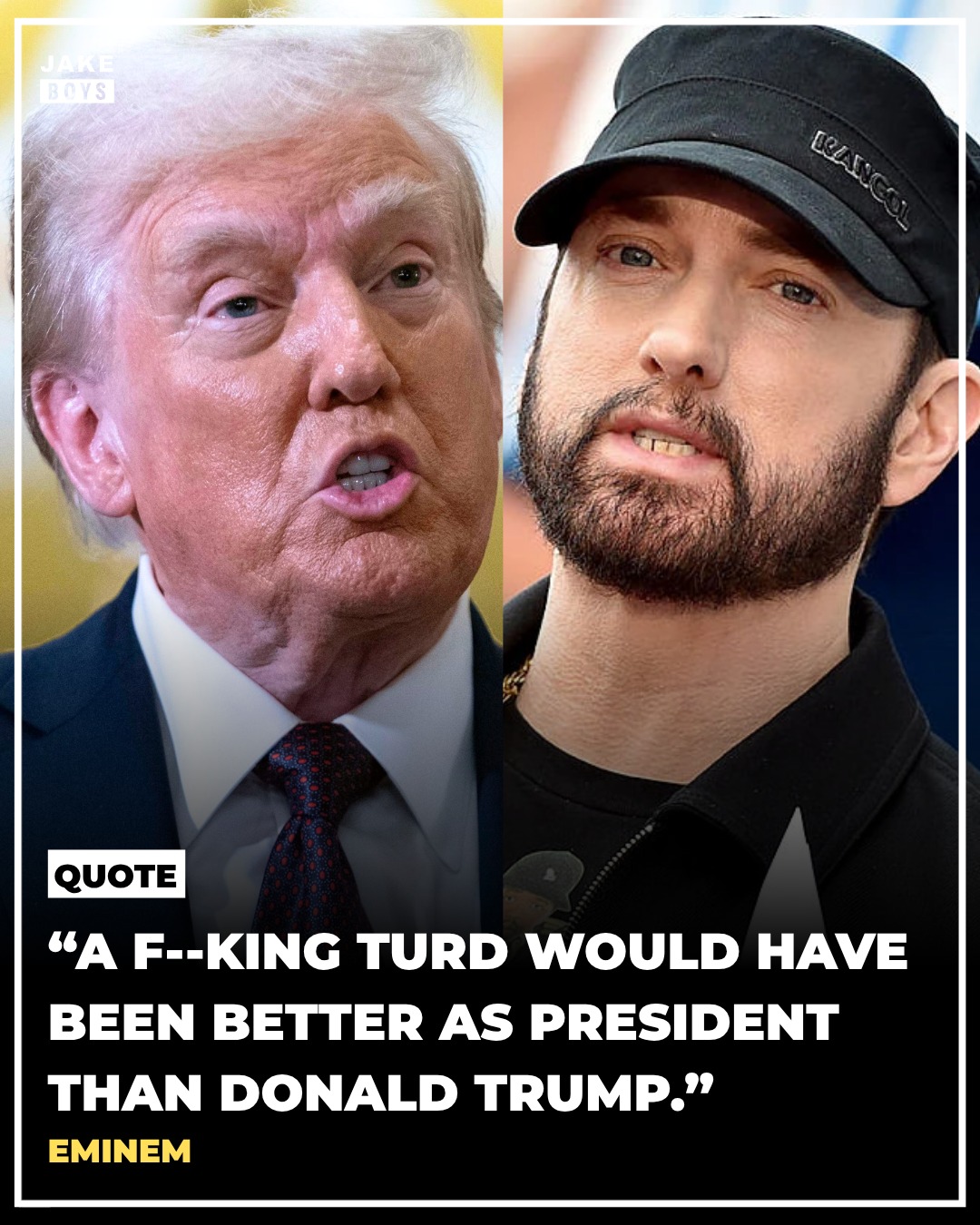 0 Comments 0 Shares 174 Views 0 Reviews
3
0 Comments 0 Shares 174 Views 0 Reviews
3
-
Author and political commentator Don Winslow — best known for his bestselling crime novels but also an outspoken critic of former President Donald Trump on social media — sparked a fresh wave of debate this week with a sharply worded post targeting the administration’s handling of the war in Iran. In a message on X, Winslow wrote that since ICE has been treated like Trump’s “own private army,” the president should “send them to fight in Iran instead of some 18‑year‑old kid who will be maimed, disfigured and possibly killed because of your stupidity and insanity.”
Winslow’s commentary comes amid growing public frustration over the conflict with Iran, ongoing military deployments, and arguments over who should bear the burden of war — criticisms he’s been vocal about previously, using his platform to question both policy and political rhetoric.
The remark taps into broader debates over military recruitment, immigration enforcement policies, and the human cost of war, combining two highly charged topics — the role of ICE domestically and the prospect of U.S. involvement in prolonged combat overseas. While ICE is actually a domestic law‑enforcement agency focused on immigration and border security (not a combat force), Winslow’s post uses that comparison to underscore his criticism of the administration’s approach to military service and war decision‑making.Author and political commentator Don Winslow — best known for his bestselling crime novels but also an outspoken critic of former President Donald Trump on social media — sparked a fresh wave of debate this week with a sharply worded post targeting the administration’s handling of the war in Iran. In a message on X, Winslow wrote that since ICE has been treated like Trump’s “own private army,” the president should “send them to fight in Iran instead of some 18‑year‑old kid who will be maimed, disfigured and possibly killed because of your stupidity and insanity.” Winslow’s commentary comes amid growing public frustration over the conflict with Iran, ongoing military deployments, and arguments over who should bear the burden of war — criticisms he’s been vocal about previously, using his platform to question both policy and political rhetoric. The remark taps into broader debates over military recruitment, immigration enforcement policies, and the human cost of war, combining two highly charged topics — the role of ICE domestically and the prospect of U.S. involvement in prolonged combat overseas. While ICE is actually a domestic law‑enforcement agency focused on immigration and border security (not a combat force), Winslow’s post uses that comparison to underscore his criticism of the administration’s approach to military service and war decision‑making.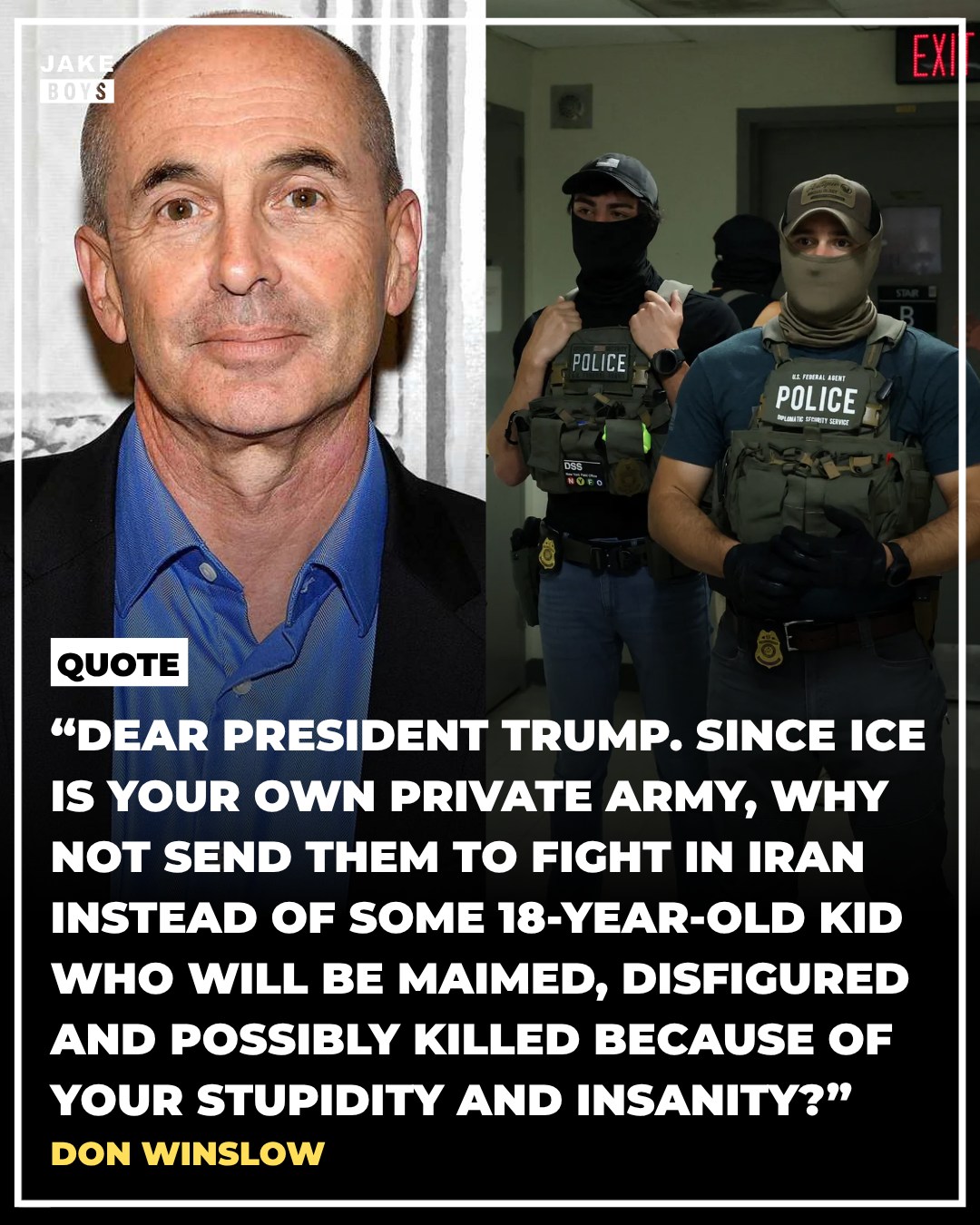 0 Comments 0 Shares 196 Views 0 Reviews
3
0 Comments 0 Shares 196 Views 0 Reviews
3
-
A bombshell report published today has thrust Kristi Noem — former U.S. Secretary of Homeland Security and long‑time GOP figure — back into the spotlight, but this time because of allegations about her husband’s private life. According to a Daily Mail‑sourced exposé, her husband Bryon Noem has allegedly been living a secret online life, including sending messages and photos to adult performers while cross‑dressing in provocative attire such as tight pink shorts and what appear to be balloon‑like prosthetic breasts. The report says Bryon exchanged hundreds of messages with three women in the so‑called “bimbofication” community and even sent them tens of thousands of dollars.
Kristi Noem’s representatives responded that she is “devastated” by the allegations and that the family was “blindsided”, asking the public for privacy and prayers. Bryon hasn’t denied all aspects of the accusations, though he reportedly denied making comments that would lead to blackmail or jeopardize his wife’s career.
The story has become politically charged because analysts note that the circumstances could have posed security clearance concerns while Noem was serving at the Department of Homeland Security, given the potential for personal vulnerabilities to be exploited. At the same time, the news arrives amid ongoing scrutiny of Noem’s time in government, which included investigations into contract handling and public controversy over immigration policies.
President Donald Trump, who appointed Noem to DHS before later relieving her of that post, commented he was “surprised” and felt badly for the family, saying he hadn’t seen any of the reported material and knew “nothing about it.”A bombshell report published today has thrust Kristi Noem — former U.S. Secretary of Homeland Security and long‑time GOP figure — back into the spotlight, but this time because of allegations about her husband’s private life. According to a Daily Mail‑sourced exposé, her husband Bryon Noem has allegedly been living a secret online life, including sending messages and photos to adult performers while cross‑dressing in provocative attire such as tight pink shorts and what appear to be balloon‑like prosthetic breasts. The report says Bryon exchanged hundreds of messages with three women in the so‑called “bimbofication” community and even sent them tens of thousands of dollars. Kristi Noem’s representatives responded that she is “devastated” by the allegations and that the family was “blindsided”, asking the public for privacy and prayers. Bryon hasn’t denied all aspects of the accusations, though he reportedly denied making comments that would lead to blackmail or jeopardize his wife’s career. The story has become politically charged because analysts note that the circumstances could have posed security clearance concerns while Noem was serving at the Department of Homeland Security, given the potential for personal vulnerabilities to be exploited. At the same time, the news arrives amid ongoing scrutiny of Noem’s time in government, which included investigations into contract handling and public controversy over immigration policies. President Donald Trump, who appointed Noem to DHS before later relieving her of that post, commented he was “surprised” and felt badly for the family, saying he hadn’t seen any of the reported material and knew “nothing about it.” 0 Comments 0 Shares 289 Views 0 Reviews
3
0 Comments 0 Shares 289 Views 0 Reviews
3
-
A growing number of U.S. allies have pushed back against President Trump’s demands related to the war with Iran — in ways that underline deep divisions within NATO and global diplomacy.
Spain has taken one of the strongest stands, closing its airspace and refusing use of its military bases for U.S. operations linked to the Iran conflict — a symbolic and practical rebuke to Trump’s strategy. Madrid’s government has openly condemned the strikes as violations of international law.
Italy also refused to allow U.S. bombers to land at the Sigonella air base, saying proper procedural approvals weren’t followed. Though Rome says it still supports NATO broadly, the move sent a clear message that U.S. war planning can’t proceed unilaterally on Italian soil.
France denied overflight rights to planes carrying U.S. weapons bound for Israel — an unprecedented blockade since the Iran conflict began — and official statements emphasized that Paris is not joining offensive military actions.
The United Kingdom has declined to send warships or commit to frontline combat roles in the Strait of Hormuz, with leaders instead prioritizing defensive postures and domestic considerations — even as Trump publicly criticized the UK’s stance.
Germany has also made clear that the Iran conflict is not a NATO war, and Berlin has no plans to dispatch forces to the region, reinforcing the message that collective defense does not equate to joining every U.S.-led campaign.
Canada and other partners have similarly refrained from joining combat operations, focusing instead on diplomatic channels and humanitarian concerns rather than military escalation.
Even outside Europe, Japan, Australia, and other U.S. partners have signaled they won’t send warships to help secure the Strait of Hormuz, rejecting Trump’s call for security contributions.
These standoffs go beyond routine alliance disagreements — they underline that many countries are unwilling to be drawn into a war they didn’t choose, even as the U.S. seeks broader participation or assistance.A growing number of U.S. allies have pushed back against President Trump’s demands related to the war with Iran — in ways that underline deep divisions within NATO and global diplomacy. Spain has taken one of the strongest stands, closing its airspace and refusing use of its military bases for U.S. operations linked to the Iran conflict — a symbolic and practical rebuke to Trump’s strategy. Madrid’s government has openly condemned the strikes as violations of international law. Italy also refused to allow U.S. bombers to land at the Sigonella air base, saying proper procedural approvals weren’t followed. Though Rome says it still supports NATO broadly, the move sent a clear message that U.S. war planning can’t proceed unilaterally on Italian soil. France denied overflight rights to planes carrying U.S. weapons bound for Israel — an unprecedented blockade since the Iran conflict began — and official statements emphasized that Paris is not joining offensive military actions. The United Kingdom has declined to send warships or commit to frontline combat roles in the Strait of Hormuz, with leaders instead prioritizing defensive postures and domestic considerations — even as Trump publicly criticized the UK’s stance. Germany has also made clear that the Iran conflict is not a NATO war, and Berlin has no plans to dispatch forces to the region, reinforcing the message that collective defense does not equate to joining every U.S.-led campaign. Canada and other partners have similarly refrained from joining combat operations, focusing instead on diplomatic channels and humanitarian concerns rather than military escalation. Even outside Europe, Japan, Australia, and other U.S. partners have signaled they won’t send warships to help secure the Strait of Hormuz, rejecting Trump’s call for security contributions. These standoffs go beyond routine alliance disagreements — they underline that many countries are unwilling to be drawn into a war they didn’t choose, even as the U.S. seeks broader participation or assistance.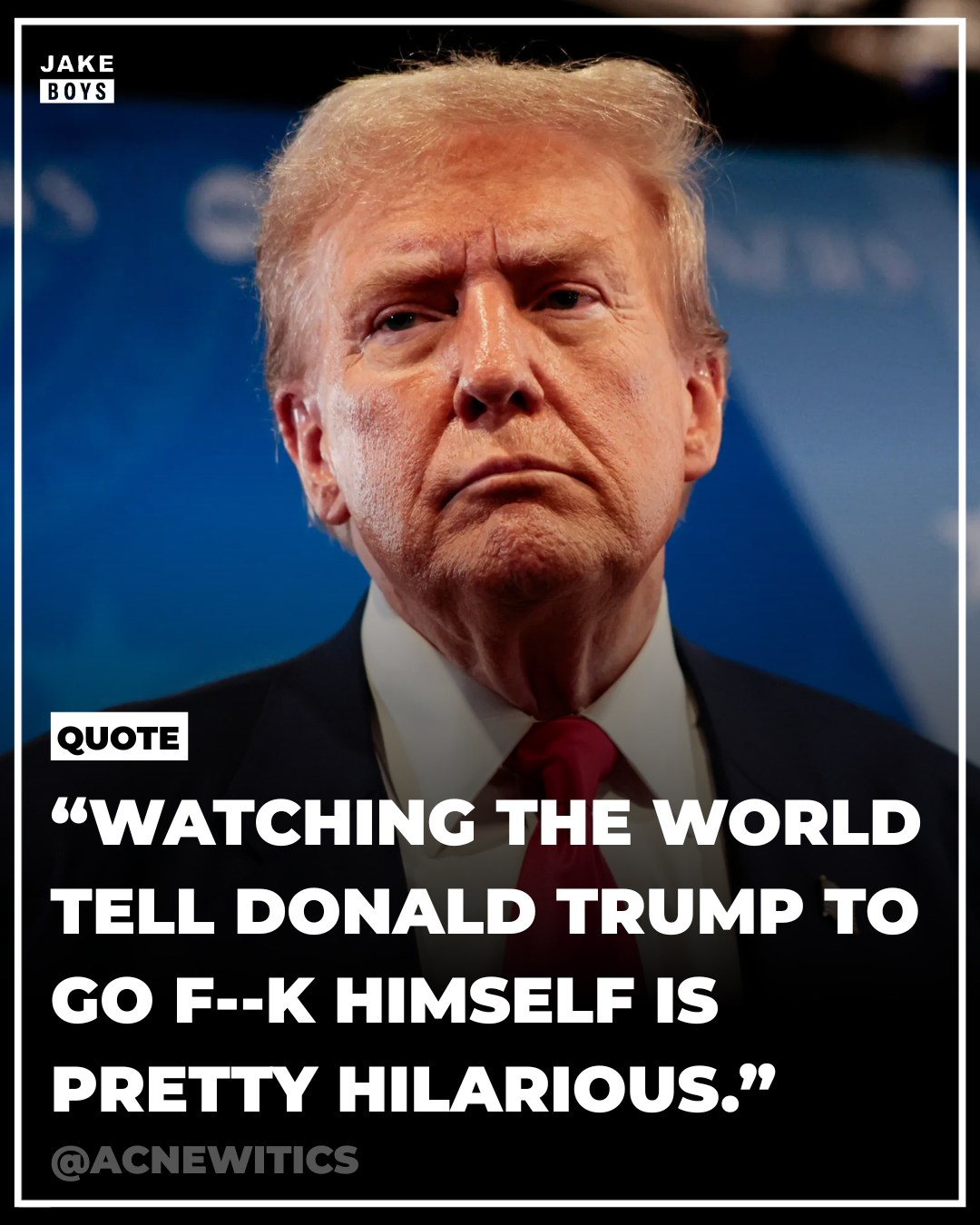 0 Comments 0 Shares 345 Views 0 Reviews
3
0 Comments 0 Shares 345 Views 0 Reviews
3
-
President Donald Trump has just lost a major court battle over funding for public broadcasting, with a judge ruling that his administration cannot move forward with efforts to defund NPR and PBS without congressional approval. The case centered on whether the executive branch has the authority to unilaterally cut funding that has already been allocated by Congress.
The court’s decision reinforces a key constitutional principle: control over federal spending rests with Congress, not the president. That means funding for public broadcasters like NPR and PBS — which provide news, educational programming, and local coverage across the country — cannot be stripped away through executive action alone.
Supporters of public broadcasting are calling the ruling a major victory for independent media and democratic institutions, arguing that outlets like these play a critical role in informing the public, especially in underserved communities. Critics of Trump’s efforts say the move to defund them raised serious concerns about press freedom and political interference in media.President Donald Trump has just lost a major court battle over funding for public broadcasting, with a judge ruling that his administration cannot move forward with efforts to defund NPR and PBS without congressional approval. The case centered on whether the executive branch has the authority to unilaterally cut funding that has already been allocated by Congress. The court’s decision reinforces a key constitutional principle: control over federal spending rests with Congress, not the president. That means funding for public broadcasters like NPR and PBS — which provide news, educational programming, and local coverage across the country — cannot be stripped away through executive action alone. Supporters of public broadcasting are calling the ruling a major victory for independent media and democratic institutions, arguing that outlets like these play a critical role in informing the public, especially in underserved communities. Critics of Trump’s efforts say the move to defund them raised serious concerns about press freedom and political interference in media. 0 Comments 0 Shares 292 Views 0 Reviews
3
0 Comments 0 Shares 292 Views 0 Reviews
3
More Stories

 Language
 VN
VN
 French
 Spanish
 Portuguese
 Deutsch
 Turkish
 Dutch
Dutch
 Italiano
 Russian
 Romaian
 Portuguese (Brazil)
 Greek
Greek
 Arabic