


-
President Donald Trump is facing major backlash after declaring "We can't take care of daycare. We're a big country. We're fighting wars. It's not possible for us to take care of daycare, Medicaid, Medicare, all these things."
This statement directly contradicts Trump's repeated campaign promises that he wouldn't cut Medicaid. On several occasions during his presidential campaign, Trump assured voters that Medicaid would be protected under his administration, making this recent comment particularly concerning for millions of Americans who rely on these vital programs.
The remarks have sparked outrage from healthcare advocates, senior citizens' groups, and working families who depend on these safety net programs. Medicaid alone provides healthcare coverage for over 70 million Americans, including children, pregnant women, elderly individuals, and people with disabilities.
Critics are pointing out the apparent disconnect between spending billions on military conflicts abroad while suggesting domestic programs that support the most vulnerable Americans are somehow unaffordable.
Trump's comments raise serious questions about what other campaign promises might be abandoned. What are your thoughts on this reversal?President Donald Trump is facing major backlash after declaring "We can't take care of daycare. We're a big country. We're fighting wars. It's not possible for us to take care of daycare, Medicaid, Medicare, all these things." This statement directly contradicts Trump's repeated campaign promises that he wouldn't cut Medicaid. On several occasions during his presidential campaign, Trump assured voters that Medicaid would be protected under his administration, making this recent comment particularly concerning for millions of Americans who rely on these vital programs. The remarks have sparked outrage from healthcare advocates, senior citizens' groups, and working families who depend on these safety net programs. Medicaid alone provides healthcare coverage for over 70 million Americans, including children, pregnant women, elderly individuals, and people with disabilities. Critics are pointing out the apparent disconnect between spending billions on military conflicts abroad while suggesting domestic programs that support the most vulnerable Americans are somehow unaffordable. Trump's comments raise serious questions about what other campaign promises might be abandoned. What are your thoughts on this reversal? 0 Comentários 0 Compartilhamentos 118 Visualizações 0 Anterior
 3
3
-
In a fiery rebuke, Iran's Islamic Revolutionary Guard Corps (IRGC) lashed out at President Trump over his recent threat to "send Iran back to the stone age." The IRGC retorted:
"It is you who are taking your soldiers to their graves, not Iran, whom you seek to drag back to the Stone Age. Hollywood delusions have so poisoned your minds that, with your paltry 250-year history, you threaten a civilization over 6,000 years old."
The IRGC's scathing response comes after Trump vowed to hit Iran "harder than they have ever been hit before." This latest escalation in the war of words signals the growing risk of direct military confrontation between the two adversaries.
Iran's invoking of its ancient cultural heritage is a clear attempt to portray the U.S. as an arrogant, ahistorical aggressor seeking to subjugate an advanced civilization. The IRGC's dismissive reference to America's "paltry 250-year history" is a provocative jab intended to undermine Washington's global standing and moral authority.
As tensions reach a boiling point, the increasingly personal and ideological nature of the rhetoric raises concerns that diplomacy may be giving way to dangerous brinksmanship. The potential for miscalculation and unintended consequences looms large over this volatile geopolitical standoff.In a fiery rebuke, Iran's Islamic Revolutionary Guard Corps (IRGC) lashed out at President Trump over his recent threat to "send Iran back to the stone age." The IRGC retorted: "It is you who are taking your soldiers to their graves, not Iran, whom you seek to drag back to the Stone Age. Hollywood delusions have so poisoned your minds that, with your paltry 250-year history, you threaten a civilization over 6,000 years old." The IRGC's scathing response comes after Trump vowed to hit Iran "harder than they have ever been hit before." This latest escalation in the war of words signals the growing risk of direct military confrontation between the two adversaries. Iran's invoking of its ancient cultural heritage is a clear attempt to portray the U.S. as an arrogant, ahistorical aggressor seeking to subjugate an advanced civilization. The IRGC's dismissive reference to America's "paltry 250-year history" is a provocative jab intended to undermine Washington's global standing and moral authority. As tensions reach a boiling point, the increasingly personal and ideological nature of the rhetoric raises concerns that diplomacy may be giving way to dangerous brinksmanship. The potential for miscalculation and unintended consequences looms large over this volatile geopolitical standoff.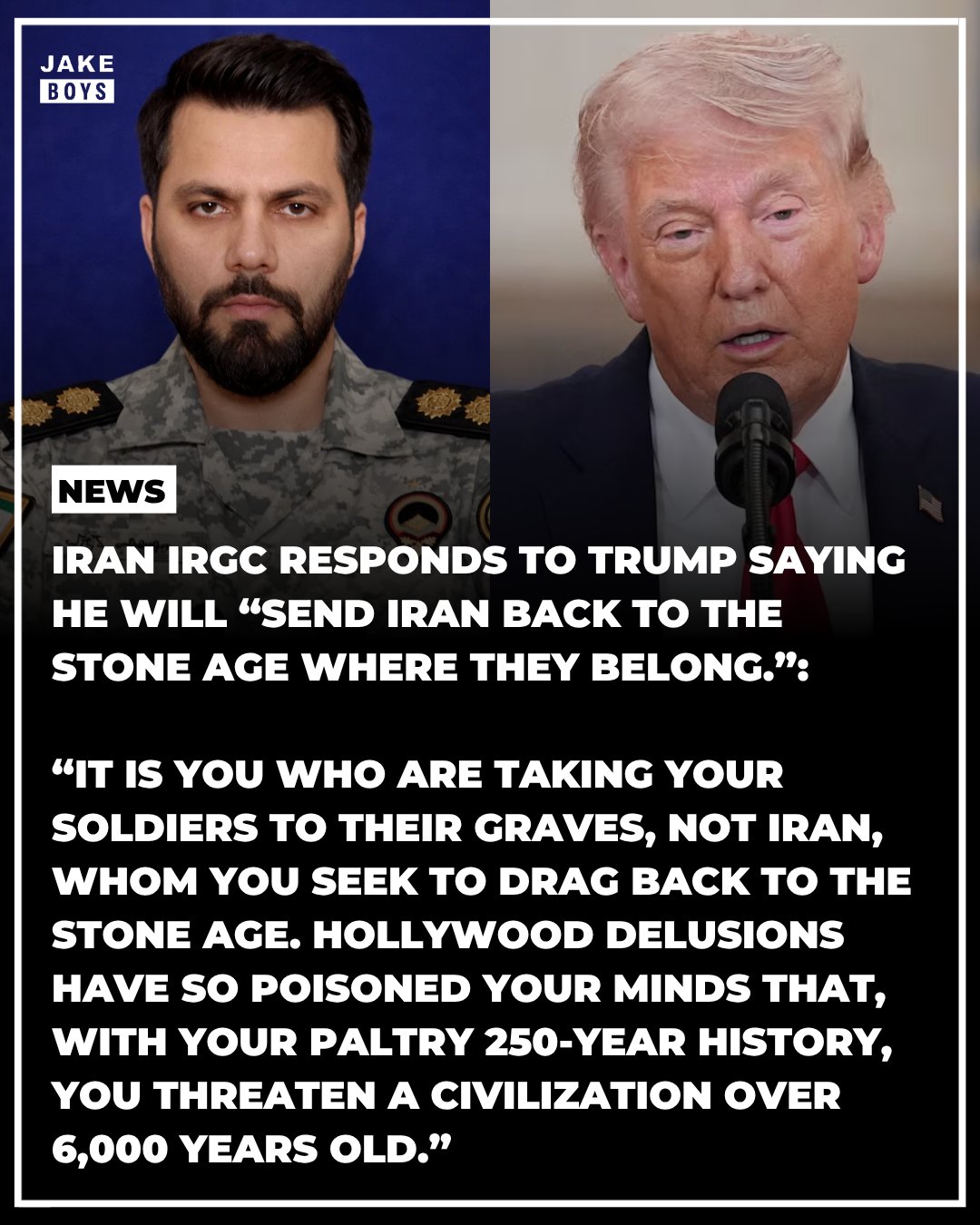 0 Comentários 0 Compartilhamentos 79 Visualizações 0 Anterior
3
0 Comentários 0 Compartilhamentos 79 Visualizações 0 Anterior
3
-
The Economist just released their latest front cover and a lot of people are saying it sums up the global situation perfectly. It shows Chinese President, Xi Jinping, smirking in the background while President Donald Trump shouts in the foreground, and is captioned, "Never interrupt your enemy when he's making a mistake."The Economist just released their latest front cover and a lot of people are saying it sums up the global situation perfectly. It shows Chinese President, Xi Jinping, smirking in the background while President Donald Trump shouts in the foreground, and is captioned, "Never interrupt your enemy when he's making a mistake."
 0 Comentários 0 Compartilhamentos 84 Visualizações 0 Anterior
3
0 Comentários 0 Compartilhamentos 84 Visualizações 0 Anterior
3
-
NASA's Artemis mission successfully launched today, marking humanity's return to lunar exploration after more than 50 years. The mission represents a major milestone in space exploration, aiming to establish a sustainable human presence on the Moon and eventually pave the way for Mars missions.
Meanwhile, one social media user perfectly captured the mood of many Americans watching the launch: "Big shoutout to Artemis as they escape Earth while we have to stay and listen to a**hole Trump."
The comment highlights the sentiment among some viewers who might be feeling a bit envious of the astronauts getting to leave the planet during these politically turbulent times. It's a darkly humorous take on current events that resonated with thousands online, reflecting how space missions can sometimes feel like the ultimate escape from earthly problems.
The Artemis program, which aims to land the first woman and next man on the Moon, continues NASA's legacy of pushing the boundaries of human exploration - even as many of us remain earthbound dealing with the daily political circus.
Anyone else secretly wishing they could hitch a ride to space right about now?NASA's Artemis mission successfully launched today, marking humanity's return to lunar exploration after more than 50 years. The mission represents a major milestone in space exploration, aiming to establish a sustainable human presence on the Moon and eventually pave the way for Mars missions. Meanwhile, one social media user perfectly captured the mood of many Americans watching the launch: "Big shoutout to Artemis as they escape Earth while we have to stay and listen to a**hole Trump." The comment highlights the sentiment among some viewers who might be feeling a bit envious of the astronauts getting to leave the planet during these politically turbulent times. It's a darkly humorous take on current events that resonated with thousands online, reflecting how space missions can sometimes feel like the ultimate escape from earthly problems. The Artemis program, which aims to land the first woman and next man on the Moon, continues NASA's legacy of pushing the boundaries of human exploration - even as many of us remain earthbound dealing with the daily political circus. Anyone else secretly wishing they could hitch a ride to space right about now? 0 Comentários 0 Compartilhamentos 94 Visualizações 0 Anterior
3
0 Comentários 0 Compartilhamentos 94 Visualizações 0 Anterior
3
-
Iran has announced that Israel will never be allowed passage through the Strait of Hormuz, even after the current conflict ends. "The permanent passage of Israeli ships through the strait will be banned, for all of history, under our management," declared an Iranian government representative.
This escalation represents a significant development in Middle Eastern tensions, as the Strait of Hormuz is one of the world's most critical shipping chokepoints. The strait handles approximately 20% of global oil shipments and serves as a vital maritime route for international commerce.
Iran's declaration effectively threatens to cut off Israeli access to this crucial waterway indefinitely, raising serious questions about freedom of navigation and international maritime law. This move comes amid ongoing regional conflicts and could have far-reaching implications for global shipping, energy markets, and diplomatic efforts to de-escalate tensions in the region.
The international community will be watching closely to see how this affects ongoing ceasefire negotiations and broader Middle East stability.Iran has announced that Israel will never be allowed passage through the Strait of Hormuz, even after the current conflict ends. "The permanent passage of Israeli ships through the strait will be banned, for all of history, under our management," declared an Iranian government representative. This escalation represents a significant development in Middle Eastern tensions, as the Strait of Hormuz is one of the world's most critical shipping chokepoints. The strait handles approximately 20% of global oil shipments and serves as a vital maritime route for international commerce. Iran's declaration effectively threatens to cut off Israeli access to this crucial waterway indefinitely, raising serious questions about freedom of navigation and international maritime law. This move comes amid ongoing regional conflicts and could have far-reaching implications for global shipping, energy markets, and diplomatic efforts to de-escalate tensions in the region. The international community will be watching closely to see how this affects ongoing ceasefire negotiations and broader Middle East stability.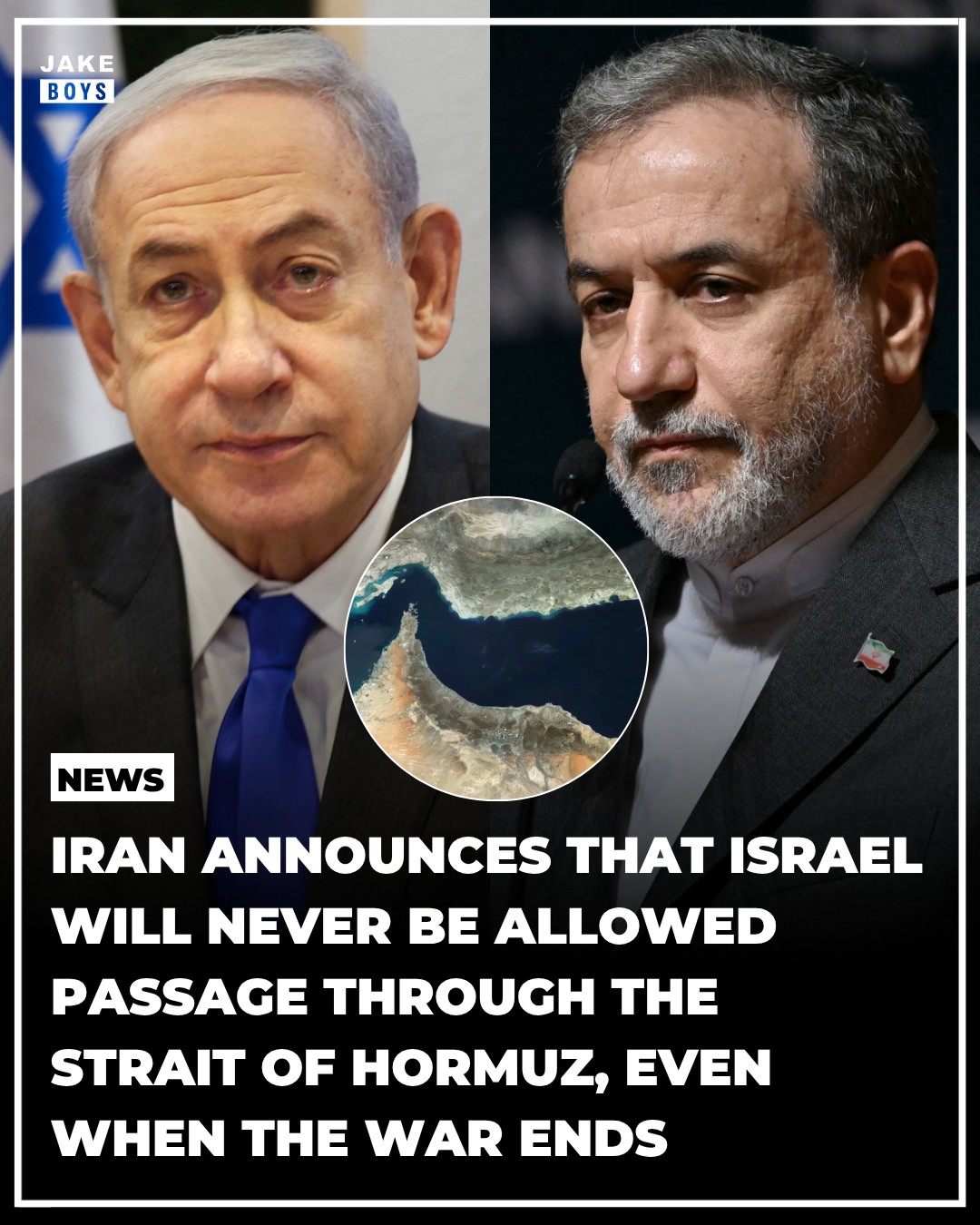 0 Comentários 0 Compartilhamentos 140 Visualizações 0 Anterior
3
0 Comentários 0 Compartilhamentos 140 Visualizações 0 Anterior
3
-
More than 30 world leaders have now joined UK-led talks to resolve the Strait of Hormuz crisis, with Prime Minister Keir Starmer confirming that 35 countries are involved in efforts to stabilize the vital shipping route.
Countries taking part include the UK, France, Germany, Canada, Japan, and other European and Asian allies — all working to coordinate a response focused on de-escalation, maritime security, and reopening global trade flows.
Notably, these talks are moving forward without direct U.S. involvement, highlighting a rare moment where traditional allies are stepping in collectively to manage a major geopolitical flashpoint on their own.
With a significant share of the world’s oil passing through the Strait of Hormuz, the outcome of these discussions could have major consequences for global energy markets and international stability.More than 30 world leaders have now joined UK-led talks to resolve the Strait of Hormuz crisis, with Prime Minister Keir Starmer confirming that 35 countries are involved in efforts to stabilize the vital shipping route. Countries taking part include the UK, France, Germany, Canada, Japan, and other European and Asian allies — all working to coordinate a response focused on de-escalation, maritime security, and reopening global trade flows. Notably, these talks are moving forward without direct U.S. involvement, highlighting a rare moment where traditional allies are stepping in collectively to manage a major geopolitical flashpoint on their own. With a significant share of the world’s oil passing through the Strait of Hormuz, the outcome of these discussions could have major consequences for global energy markets and international stability. 0 Comentários 0 Compartilhamentos 147 Visualizações 0 Anterior
3
0 Comentários 0 Compartilhamentos 147 Visualizações 0 Anterior
3
Mais Stories

 Language
 English
 VN
VN
 French
 Spanish
 Deutsch
 Turkish
 Dutch
Dutch
 Italiano
 Russian
 Romaian
 Portuguese (Brazil)
 Greek
Greek
 Arabic