


-
The late comedian Robin Williams offered a scathing satirical critique of the perceived influence of money in modern American politics through this analogy to NASCAR sponsorships. His statement suggests a belief that elected officials are beholden to and "owned" by wealthy donors and special interests who provide political funding, much like professional race car drivers are associated with the corporate brands that sponsor their vehicles.
Williams' comparison invokes the visual imagery of politicians wearing branded "sponsor jackets" to make their financial backers explicit and transparent to the public. This idea underscores the comedian's apparent perception that money has become a corrupting force in the democratic process, with elected representatives serving the interests of their financial supporters rather than the broader electorate.
By drawing this parallel to NASCAR, Williams taps into the widely recognized commercialization of that sport, where driver uniforms and race cars are plastered with corporate logos. Applying that same dynamic to the political realm reflects a cynical view that elected officials have become little more than mouthpieces for the highest bidders.
This statement reflects a longstanding debate around the role of money in politics and the degree to which it can distort the functioning of democratic institutions. Williams' sardonic proposal suggests a belief that greater transparency around the financial interests influencing politicians could help restore public trust and accountability.
Ultimately, this quote represents Williams' effort to call attention, through biting humor, to what he perceived as an unhealthy merger of wealth and political power that undermines the principles of representative government.The late comedian Robin Williams offered a scathing satirical critique of the perceived influence of money in modern American politics through this analogy to NASCAR sponsorships. His statement suggests a belief that elected officials are beholden to and "owned" by wealthy donors and special interests who provide political funding, much like professional race car drivers are associated with the corporate brands that sponsor their vehicles. Williams' comparison invokes the visual imagery of politicians wearing branded "sponsor jackets" to make their financial backers explicit and transparent to the public. This idea underscores the comedian's apparent perception that money has become a corrupting force in the democratic process, with elected representatives serving the interests of their financial supporters rather than the broader electorate. By drawing this parallel to NASCAR, Williams taps into the widely recognized commercialization of that sport, where driver uniforms and race cars are plastered with corporate logos. Applying that same dynamic to the political realm reflects a cynical view that elected officials have become little more than mouthpieces for the highest bidders. This statement reflects a longstanding debate around the role of money in politics and the degree to which it can distort the functioning of democratic institutions. Williams' sardonic proposal suggests a belief that greater transparency around the financial interests influencing politicians could help restore public trust and accountability. Ultimately, this quote represents Williams' effort to call attention, through biting humor, to what he perceived as an unhealthy merger of wealth and political power that undermines the principles of representative government.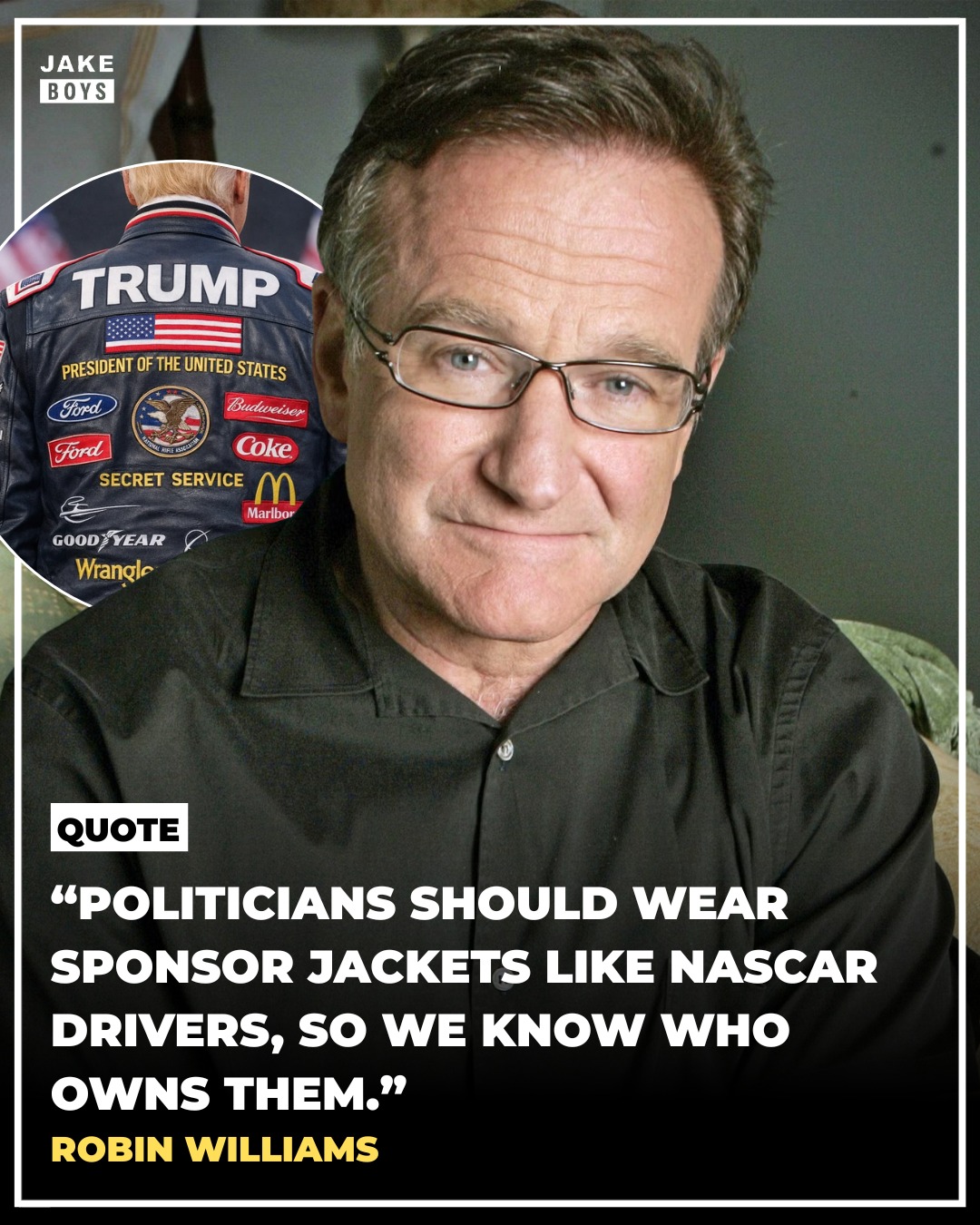 0 Comments 0 Shares 87 Views 0 Reviews
 3
3
-
We really don’t talk enough about how strong the economy was toward the end of Barack Obama’s presidency.
He came into office during the worst financial crisis since the Great Depression — and by the time he left, the U.S. had record-low unemployment, solid GDP growth, and gas prices around $2.
Whether you agree with all his policies or not, it’s hard to ignore the turnaround. It’s a reminder that context matters — and that those final years were a lot more stable and prosperous than people sometimes remember.We really don’t talk enough about how strong the economy was toward the end of Barack Obama’s presidency. He came into office during the worst financial crisis since the Great Depression — and by the time he left, the U.S. had record-low unemployment, solid GDP growth, and gas prices around $2. Whether you agree with all his policies or not, it’s hard to ignore the turnaround. It’s a reminder that context matters — and that those final years were a lot more stable and prosperous than people sometimes remember.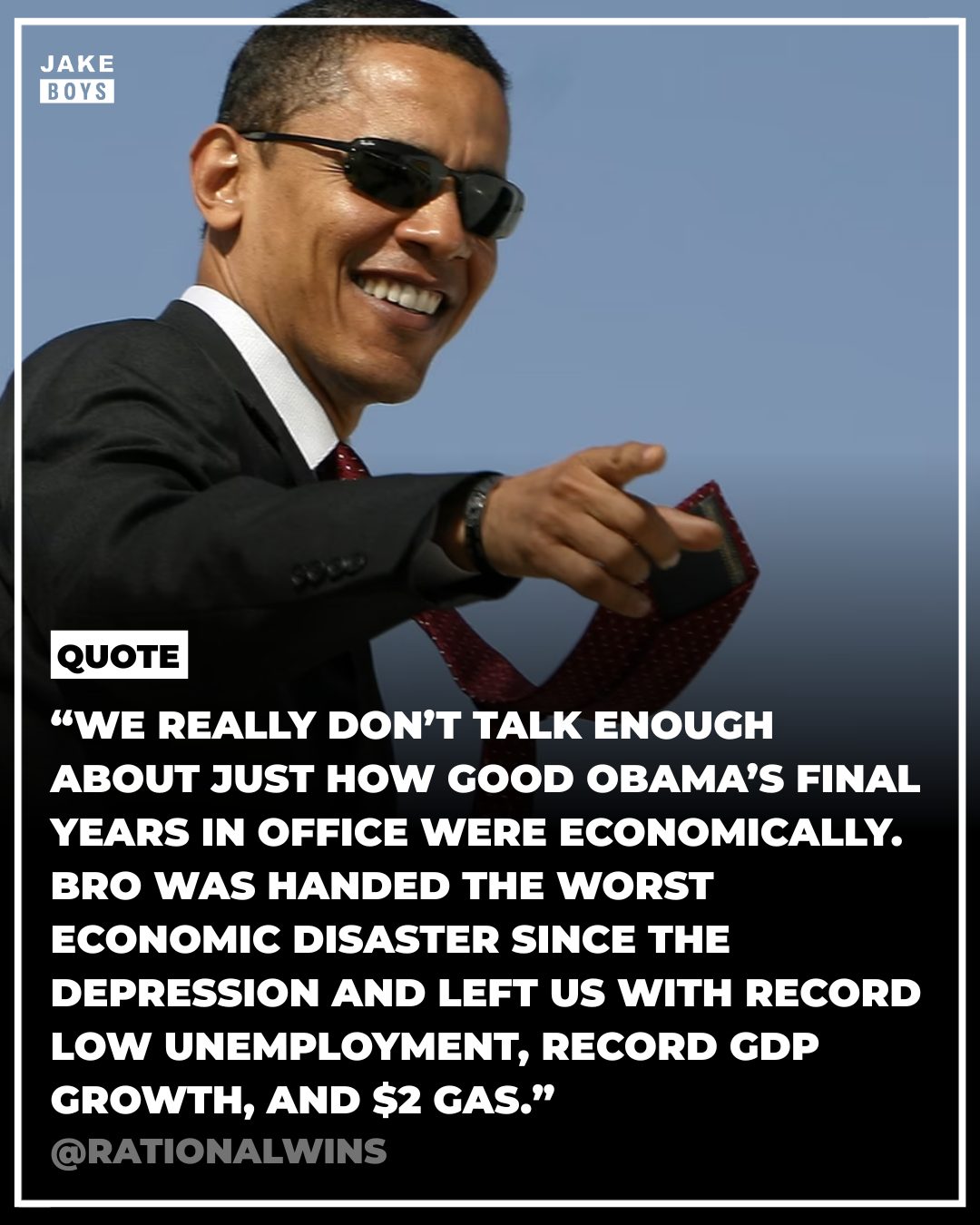 0 Comments 0 Shares 256 Views 0 Reviews
3
0 Comments 0 Shares 256 Views 0 Reviews
3
-
George Conway, a prominent attorney and public intellectual who has been critical of former President Donald Trump, delivers a scathing personal and moral rebuke of the ex-president. Conway, who is a self-identified Democrat, paints Trump as the embodiment of character flaws and behavioral patterns that stand in stark opposition to the values and virtues typically instilled in children.
By accusing Trump of being a "liar," "thief," and "molester," Conway levels some of the most serious personal and ethical indictments possible. His assertion that the former President exhibits a complete lack of "remorse, shame, [and] empathy" further reinforces this portrait of a man utterly devoid of moral conscience or concern for others.
Conway goes on to directly challenge Trump's loyalty to foundational American institutions, claiming he has "no loyalty to the law" or "the Constitution." This portrayal casts the former President as an existential threat to the democratic principles and legal frameworks that underpin the republic.
In the culmination of his scathing rebuke, Conway declares Trump "the lowest character of all," a stark and unequivocal moral judgment that positions him as the antithesis of the virtues and standards of conduct that society expects of its leaders and public figures. This represents a complete and uncompromising rejection of Trump as a person and a political actor.George Conway, a prominent attorney and public intellectual who has been critical of former President Donald Trump, delivers a scathing personal and moral rebuke of the ex-president. Conway, who is a self-identified Democrat, paints Trump as the embodiment of character flaws and behavioral patterns that stand in stark opposition to the values and virtues typically instilled in children. By accusing Trump of being a "liar," "thief," and "molester," Conway levels some of the most serious personal and ethical indictments possible. His assertion that the former President exhibits a complete lack of "remorse, shame, [and] empathy" further reinforces this portrait of a man utterly devoid of moral conscience or concern for others. Conway goes on to directly challenge Trump's loyalty to foundational American institutions, claiming he has "no loyalty to the law" or "the Constitution." This portrayal casts the former President as an existential threat to the democratic principles and legal frameworks that underpin the republic. In the culmination of his scathing rebuke, Conway declares Trump "the lowest character of all," a stark and unequivocal moral judgment that positions him as the antithesis of the virtues and standards of conduct that society expects of its leaders and public figures. This represents a complete and uncompromising rejection of Trump as a person and a political actor.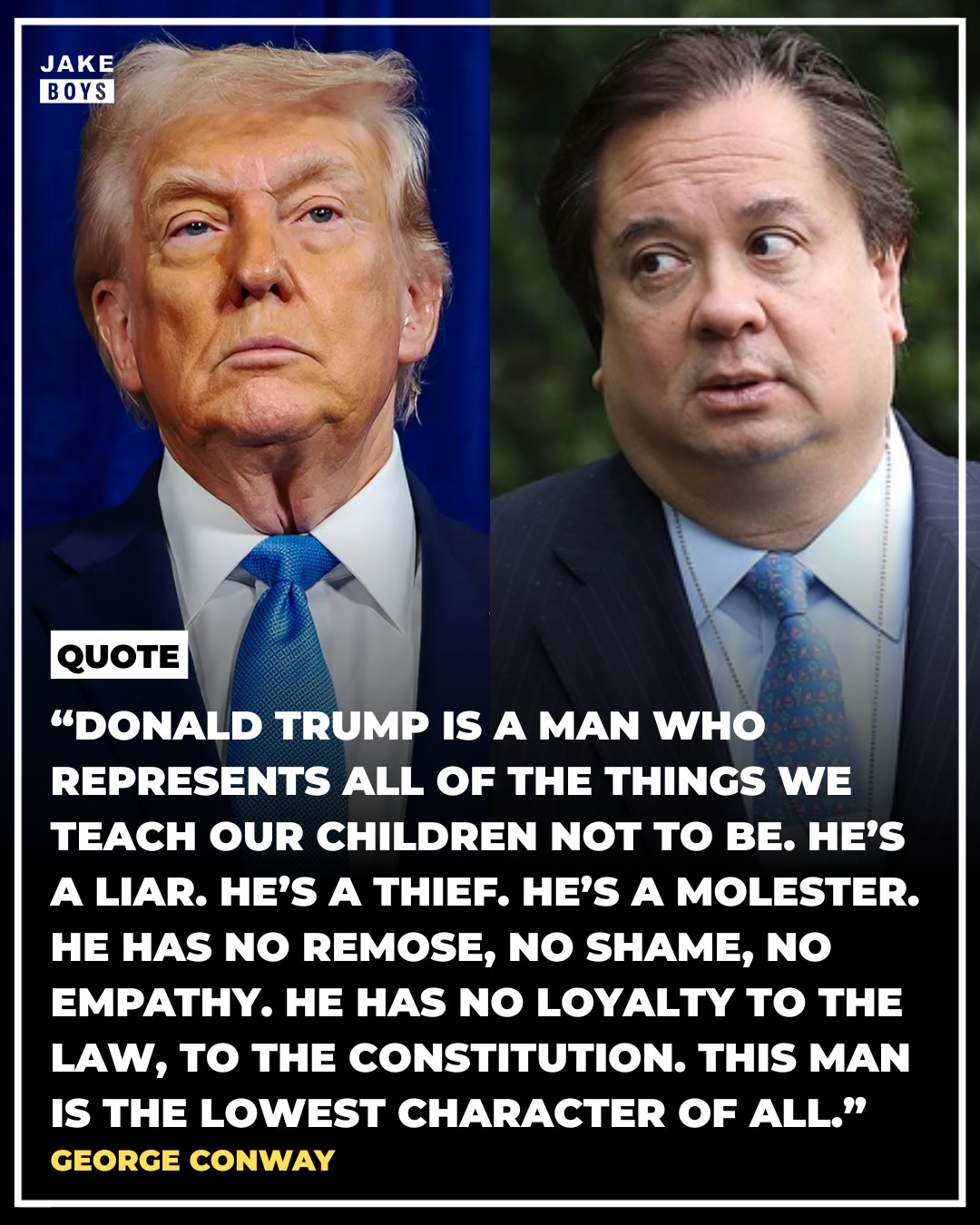 0 Comments 0 Shares 219 Views 0 Reviews
3
0 Comments 0 Shares 219 Views 0 Reviews
3
-
Actor Robert De Niro is weighing in on the current political climate, arguing that ordinary Americans — regardless of party — didn’t vote for war or harsh immigration crackdowns.
His comments tap into a broader frustration that major policy decisions, from foreign conflicts to deportations, often feel disconnected from what voters actually want.
As tensions rise both abroad and at home, voices like De Niro’s are amplifying a growing call for unity, restraint, and policies that reflect the will of everyday people.Actor Robert De Niro is weighing in on the current political climate, arguing that ordinary Americans — regardless of party — didn’t vote for war or harsh immigration crackdowns. His comments tap into a broader frustration that major policy decisions, from foreign conflicts to deportations, often feel disconnected from what voters actually want. As tensions rise both abroad and at home, voices like De Niro’s are amplifying a growing call for unity, restraint, and policies that reflect the will of everyday people.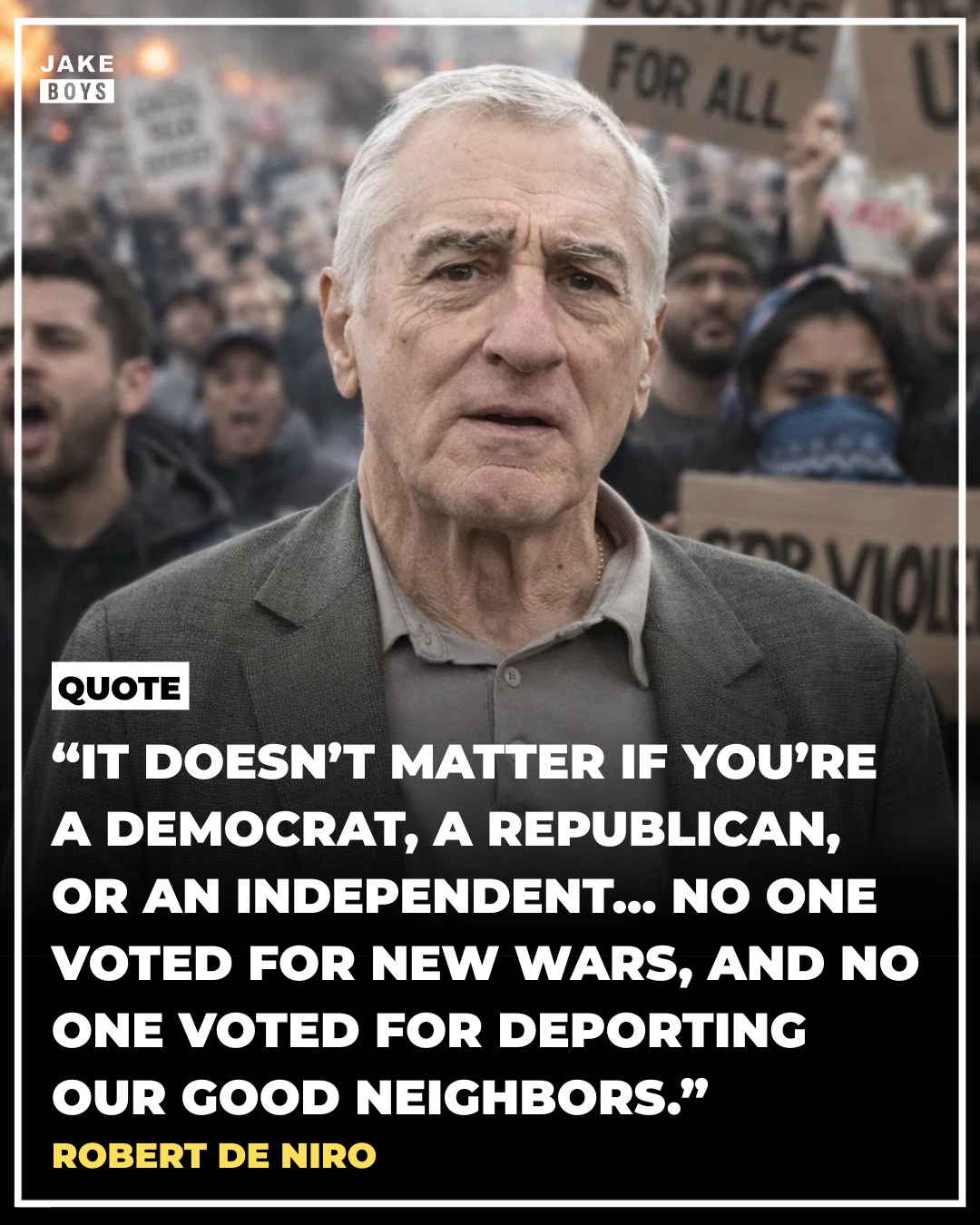 0 Comments 0 Shares 281 Views 0 Reviews
3
0 Comments 0 Shares 281 Views 0 Reviews
3
-
Representative Chip Roy has delivered an unprecedented attack on the entire structure of Congress itself, suggesting that the institution has become so fundamentally broken that complete replacement of all elected representatives may be necessary. His statement represents one of the most radical critiques of congressional dysfunction ever voiced by a sitting member, essentially arguing that the system has failed beyond repair.
Roy's proposal to eliminate all 435 House members and 100 Senators amounts to calling for a complete governmental reset - a nuclear option that would effectively dissolve the legislative branch as it currently exists. This extraordinary suggestion goes far beyond typical partisan criticism or calls for reform, instead questioning whether the institution itself can fulfill its constitutional responsibilities to the American people.
The Congressman's language frames this as an inevitable conclusion that the public will eventually reach, suggesting that congressional failures are so severe and systemic that citizens will demand total replacement rather than incremental change. His use of "literally failing" emphasizes what he sees as complete institutional breakdown rather than mere political disagreements or policy disputes.
This represents a remarkable moment of self-criticism from within the system itself - a sitting member of Congress publicly entertaining the abolition of his own institution. Roy's statement reflects deep frustration with legislative gridlock, partisan dysfunction, and what he characterizes as Congress's inability to address fundamental challenges facing the country through normal democratic processes.Representative Chip Roy has delivered an unprecedented attack on the entire structure of Congress itself, suggesting that the institution has become so fundamentally broken that complete replacement of all elected representatives may be necessary. His statement represents one of the most radical critiques of congressional dysfunction ever voiced by a sitting member, essentially arguing that the system has failed beyond repair. Roy's proposal to eliminate all 435 House members and 100 Senators amounts to calling for a complete governmental reset - a nuclear option that would effectively dissolve the legislative branch as it currently exists. This extraordinary suggestion goes far beyond typical partisan criticism or calls for reform, instead questioning whether the institution itself can fulfill its constitutional responsibilities to the American people. The Congressman's language frames this as an inevitable conclusion that the public will eventually reach, suggesting that congressional failures are so severe and systemic that citizens will demand total replacement rather than incremental change. His use of "literally failing" emphasizes what he sees as complete institutional breakdown rather than mere political disagreements or policy disputes. This represents a remarkable moment of self-criticism from within the system itself - a sitting member of Congress publicly entertaining the abolition of his own institution. Roy's statement reflects deep frustration with legislative gridlock, partisan dysfunction, and what he characterizes as Congress's inability to address fundamental challenges facing the country through normal democratic processes.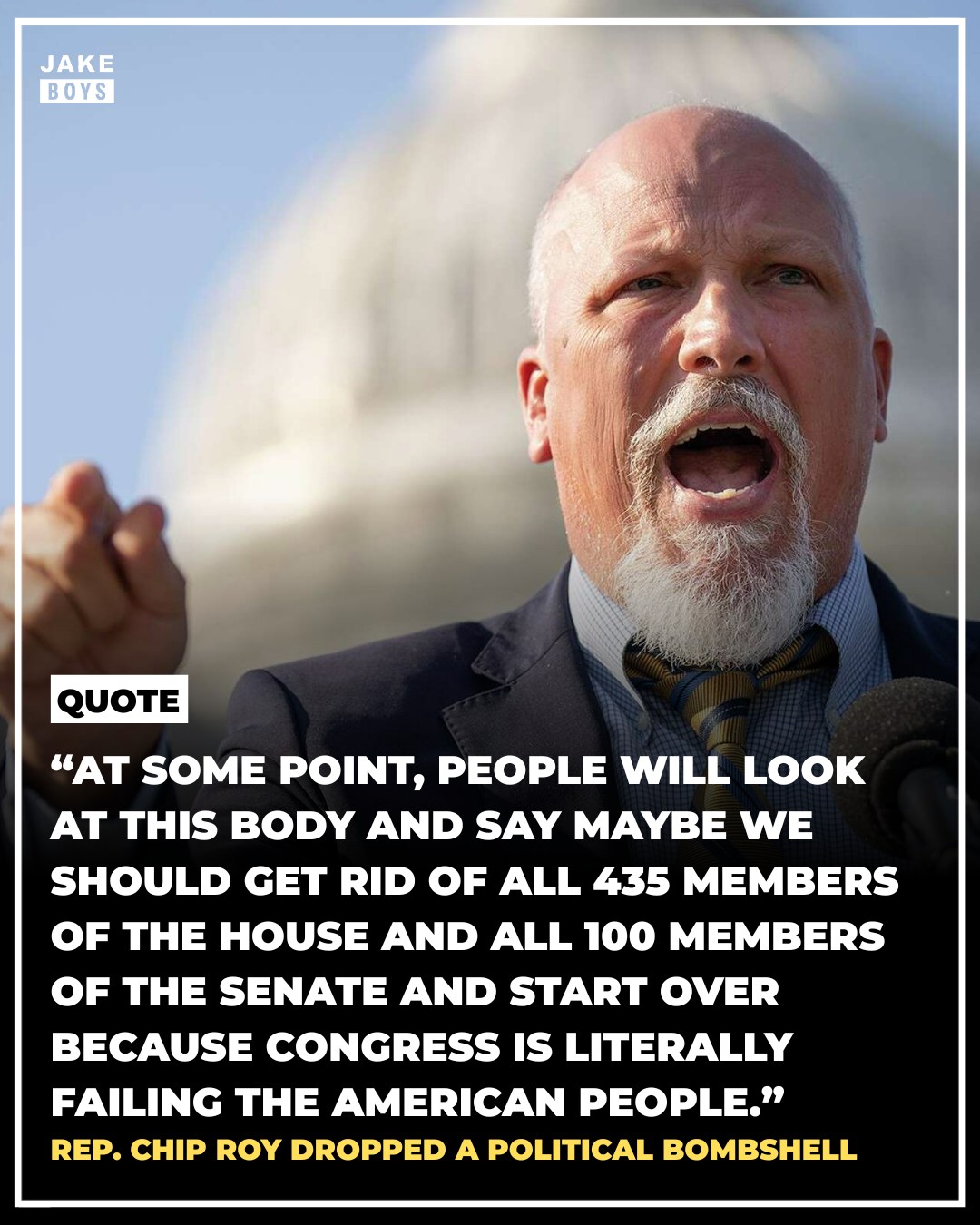 0 Comments 0 Shares 310 Views 0 Reviews
3
0 Comments 0 Shares 310 Views 0 Reviews
3
-
A Trump merchandise store has shuttered operations following a dramatic decline in sales that the owner directly attributes to the onset of military conflict with Iran. The stark reality of wartime economics has hit this particular MAGA retail operation hard, with the store owner describing the immediate and devastating impact on consumer behavior once hostilities began.
The shop owner's blunt assessment - "It all started with the war. It was dead as a door nail the minute that happened" - illustrates how quickly political merchandise markets can shift when public attention turns from campaign rallies and political enthusiasm toward serious international crises. The timing suggests that war fundamentally altered consumer priorities and spending patterns among the traditional Trump supporter base.
This development highlights the complex relationship between political merchandising and real-world events, particularly how military conflicts can overshadow domestic political marketing efforts. The merchandise business, which typically thrives on political energy and partisan enthusiasm, appears to have been unable to compete with the gravity and immediacy of international warfare for consumer attention and disposable income.
The closure represents more than just one business failure - it signals how wartime conditions can rapidly reshape political commerce landscapes. When supporters are focused on military developments and potential escalation, campaign-style merchandise loses its appeal and relevance, leaving retailers who built their business models around political enthusiasm facing sudden obsolescence in a dramatically changed marketplace.A Trump merchandise store has shuttered operations following a dramatic decline in sales that the owner directly attributes to the onset of military conflict with Iran. The stark reality of wartime economics has hit this particular MAGA retail operation hard, with the store owner describing the immediate and devastating impact on consumer behavior once hostilities began. The shop owner's blunt assessment - "It all started with the war. It was dead as a door nail the minute that happened" - illustrates how quickly political merchandise markets can shift when public attention turns from campaign rallies and political enthusiasm toward serious international crises. The timing suggests that war fundamentally altered consumer priorities and spending patterns among the traditional Trump supporter base. This development highlights the complex relationship between political merchandising and real-world events, particularly how military conflicts can overshadow domestic political marketing efforts. The merchandise business, which typically thrives on political energy and partisan enthusiasm, appears to have been unable to compete with the gravity and immediacy of international warfare for consumer attention and disposable income. The closure represents more than just one business failure - it signals how wartime conditions can rapidly reshape political commerce landscapes. When supporters are focused on military developments and potential escalation, campaign-style merchandise loses its appeal and relevance, leaving retailers who built their business models around political enthusiasm facing sudden obsolescence in a dramatically changed marketplace.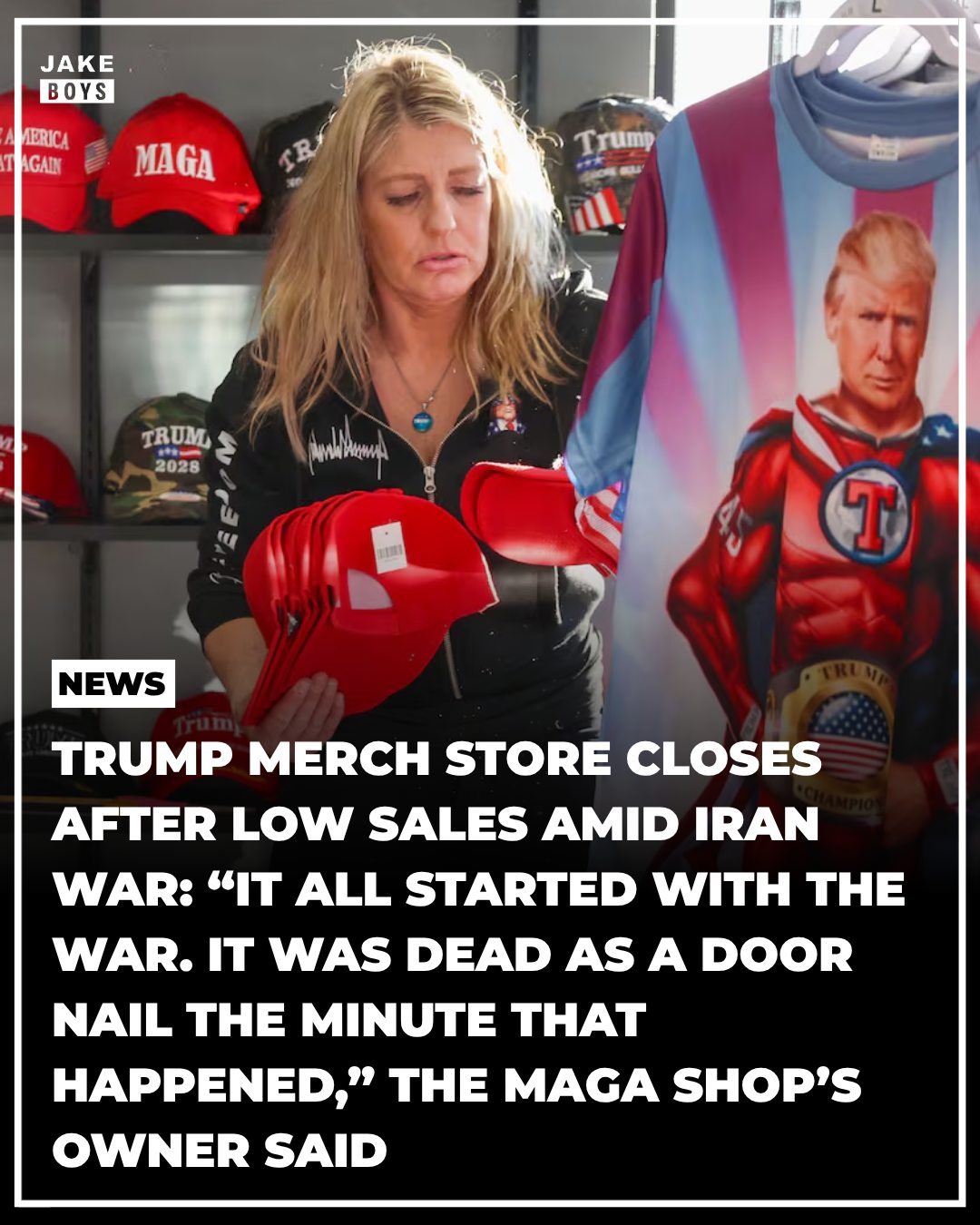 0 Comments 0 Shares 340 Views 0 Reviews
3
0 Comments 0 Shares 340 Views 0 Reviews
3
More Stories

 Language
 VN
VN
 French
 Spanish
 Portuguese
 Deutsch
 Turkish
 Dutch
Dutch
 Italiano
 Russian
 Romaian
 Portuguese (Brazil)
 Greek
Greek
 Arabic