


-
Thomas Massie has said he will not stop until Epstein victims have justice.
He says releasing the files is only the first step, not the end goal.
Massie argues real accountability means investigations, charges, and arrests, not just documents.
“Men need to be perp-walked in handcuffs,” he said, calling out a system he believes is failing victims.
Until those responsible are held accountable in court, he says justice hasn’t been served.Thomas Massie has said he will not stop until Epstein victims have justice. He says releasing the files is only the first step, not the end goal. Massie argues real accountability means investigations, charges, and arrests, not just documents. “Men need to be perp-walked in handcuffs,” he said, calling out a system he believes is failing victims. Until those responsible are held accountable in court, he says justice hasn’t been served.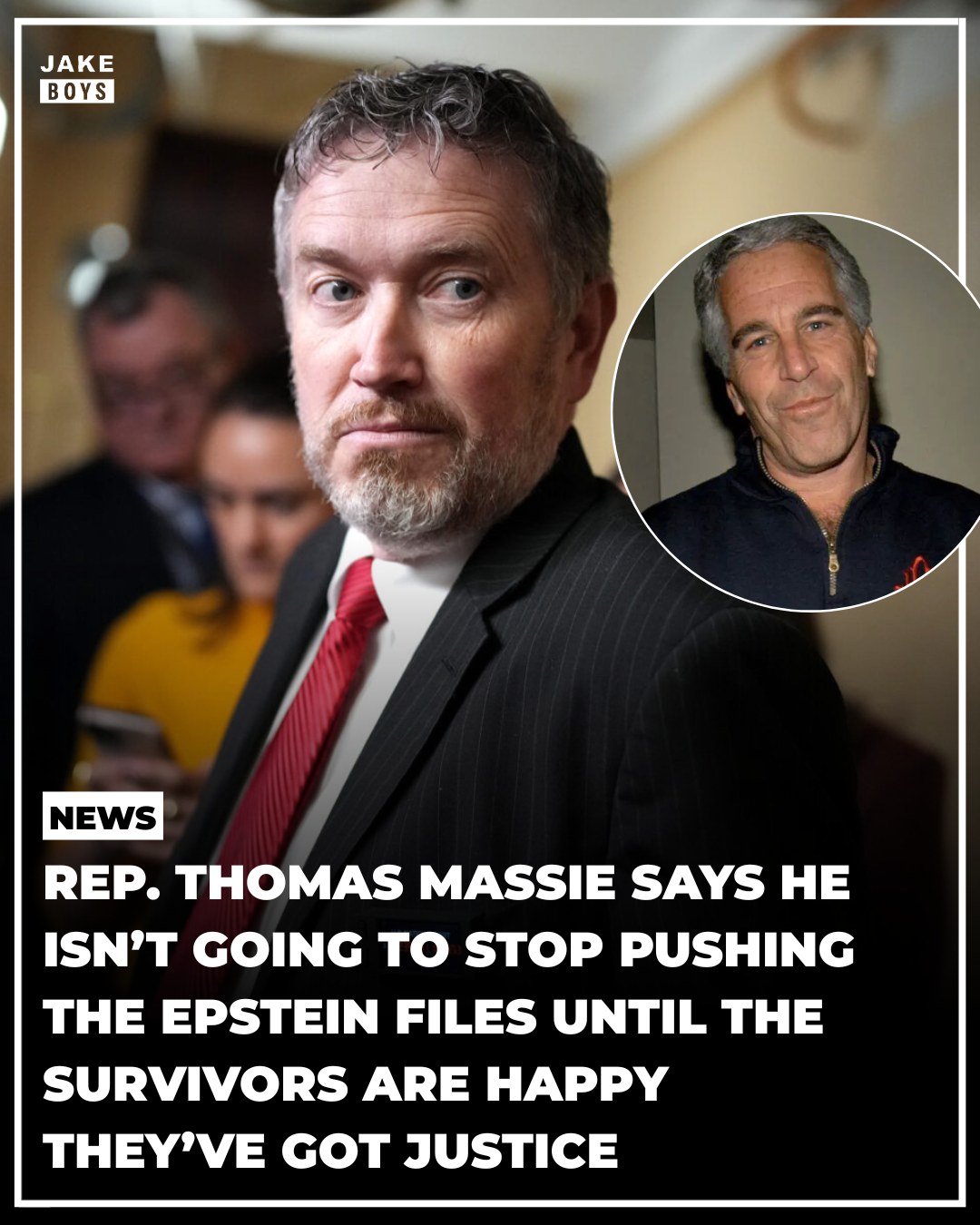 0 Comments 0 Shares 382 Views 0 Reviews
 3
3
-
Seven countries have already drawn a line when it comes to money in politics.
Places like France, Canada, Japan, South Korea, Belgium, Israel and Chile don’t allow billionaires to pour unlimited money into campaigns. Most have strict caps on donations, ban corporate funding, and rely more on public money to keep elections fair.
Elections shouldn’t be decided by whoever has the deepest pockets.
In other countries, billionaire-funded campaigns and outside spending groups can still dominate, raising questions about who really has influence.
Seven countries chose to limit it.
Should we?Seven countries have already drawn a line when it comes to money in politics. Places like France, Canada, Japan, South Korea, Belgium, Israel and Chile don’t allow billionaires to pour unlimited money into campaigns. Most have strict caps on donations, ban corporate funding, and rely more on public money to keep elections fair. Elections shouldn’t be decided by whoever has the deepest pockets. In other countries, billionaire-funded campaigns and outside spending groups can still dominate, raising questions about who really has influence. Seven countries chose to limit it. Should we? 0 Comments 0 Shares 436 Views 0 Reviews
3
0 Comments 0 Shares 436 Views 0 Reviews
3
-
Former Republican Congressman Adam Kinzinger is continuing his sharp criticism of Donald Trump, warning that the former president’s influence is becoming increasingly dangerous for the country.
Kinzinger, a longtime Trump critic, has argued that the current political climate reflects deeper divisions in the U.S., and says leaders have a responsibility to confront rhetoric and actions they believe could harm democratic institutions.
His comments are part of an ongoing clash within American politics, as figures from both parties debate Trump’s role and impact ahead of future elections.Former Republican Congressman Adam Kinzinger is continuing his sharp criticism of Donald Trump, warning that the former president’s influence is becoming increasingly dangerous for the country. Kinzinger, a longtime Trump critic, has argued that the current political climate reflects deeper divisions in the U.S., and says leaders have a responsibility to confront rhetoric and actions they believe could harm democratic institutions. His comments are part of an ongoing clash within American politics, as figures from both parties debate Trump’s role and impact ahead of future elections.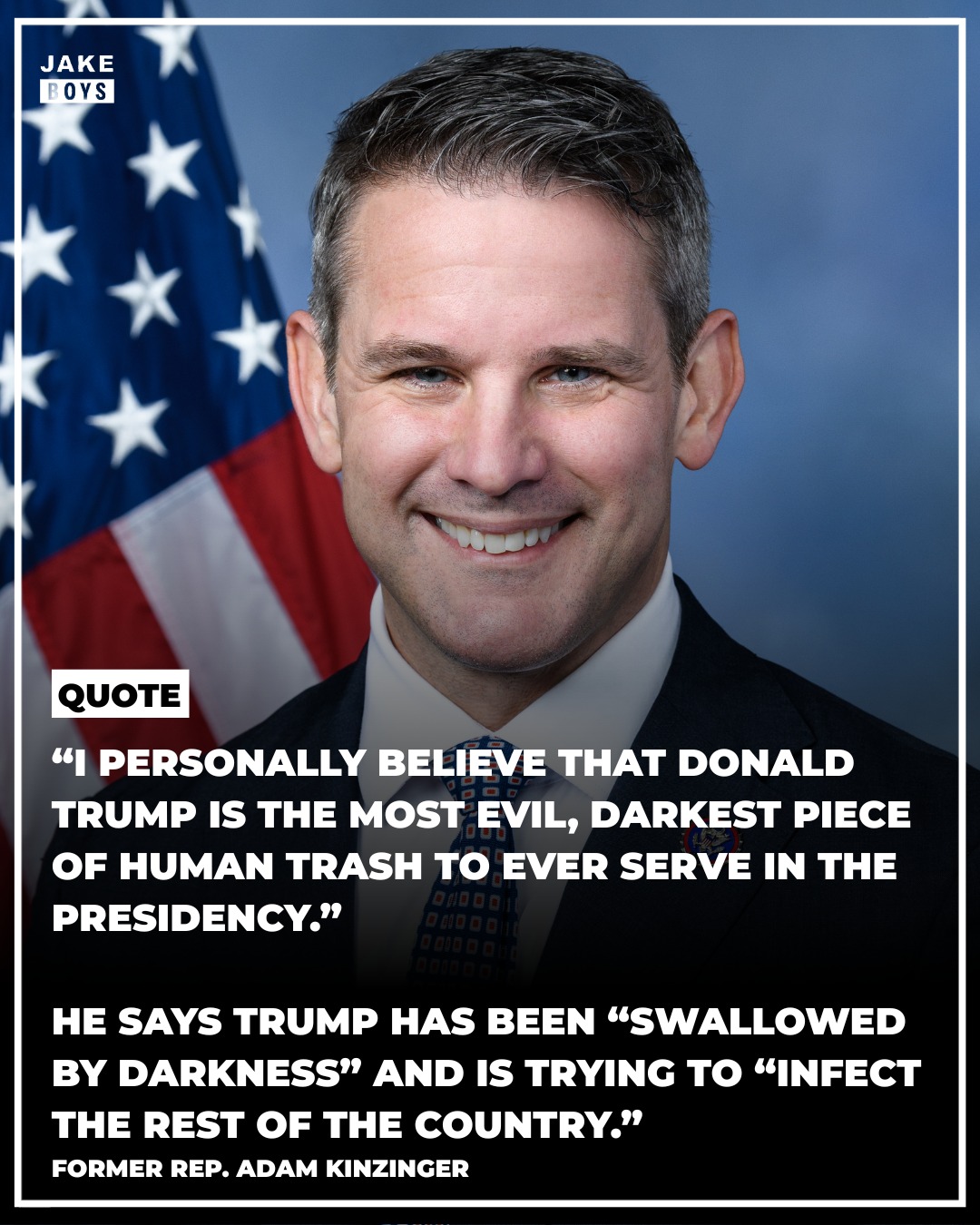 0 Comments 0 Shares 559 Views 0 Reviews
3
0 Comments 0 Shares 559 Views 0 Reviews
3
-
Arizona inmate Ricky Wassenaar, already serving 16 life sentences, killed three convicted sex offenders at an Arizona State Prison in Tucson.
All three victims were convicted pedophiles and sex offenders, including one who had raped and murdered a 15-year-old girl.
Known in prison as "Rooster," Wassenaar strangled his cellmate first, then used a rock stuffed in a laundry bag to attack and kill two more inmates outside the mess hall.
His only regret was not finishing the job. He estimated he could have killed up to 12 had the inmates been locked in the yard together.
He now faces the death penalty on top of his existing 16 life sentences.Arizona inmate Ricky Wassenaar, already serving 16 life sentences, killed three convicted sex offenders at an Arizona State Prison in Tucson. All three victims were convicted pedophiles and sex offenders, including one who had raped and murdered a 15-year-old girl. Known in prison as "Rooster," Wassenaar strangled his cellmate first, then used a rock stuffed in a laundry bag to attack and kill two more inmates outside the mess hall. His only regret was not finishing the job. He estimated he could have killed up to 12 had the inmates been locked in the yard together. He now faces the death penalty on top of his existing 16 life sentences.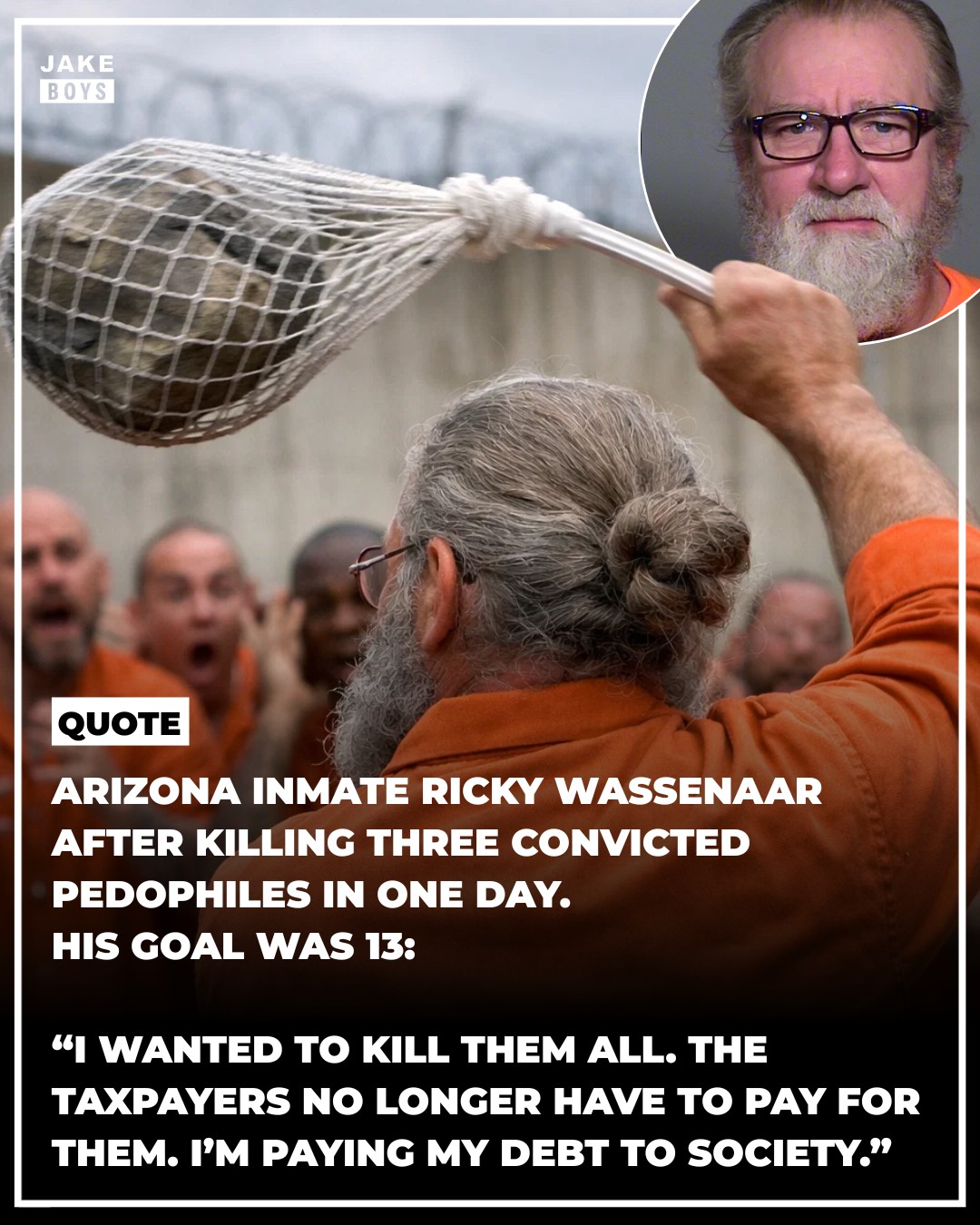 0 Comments 0 Shares 451 Views 0 Reviews
3
0 Comments 0 Shares 451 Views 0 Reviews
3
-
Several U.S. states have recently passed or expanded laws that make certain severe child sexual abuse offenses eligible for the death penalty, a significant shift in criminal justice policy.
In Alabama, the legislature passed the Child Predator Death Penalty Act, which allows capital punishment for first‑degree sexual abuse of a child under 12. Supporters say it sends a strong message against abuse, while critics raise legal and ethical concerns about proportionality and Supreme Court precedents.
Similar moves have been seen in Florida, Tennessee, Idaho, and other states, where laws now provide the death penalty as an option in cases of severe child sexual abuse, challenging a 2008 Supreme Court ruling that previously limited capital punishment to crimes involving the victim’s death.
These changes have sparked nationwide debate over justice, deterrence, constitutional limits, and how best to protect children.Several U.S. states have recently passed or expanded laws that make certain severe child sexual abuse offenses eligible for the death penalty, a significant shift in criminal justice policy. In Alabama, the legislature passed the Child Predator Death Penalty Act, which allows capital punishment for first‑degree sexual abuse of a child under 12. Supporters say it sends a strong message against abuse, while critics raise legal and ethical concerns about proportionality and Supreme Court precedents. Similar moves have been seen in Florida, Tennessee, Idaho, and other states, where laws now provide the death penalty as an option in cases of severe child sexual abuse, challenging a 2008 Supreme Court ruling that previously limited capital punishment to crimes involving the victim’s death. These changes have sparked nationwide debate over justice, deterrence, constitutional limits, and how best to protect children.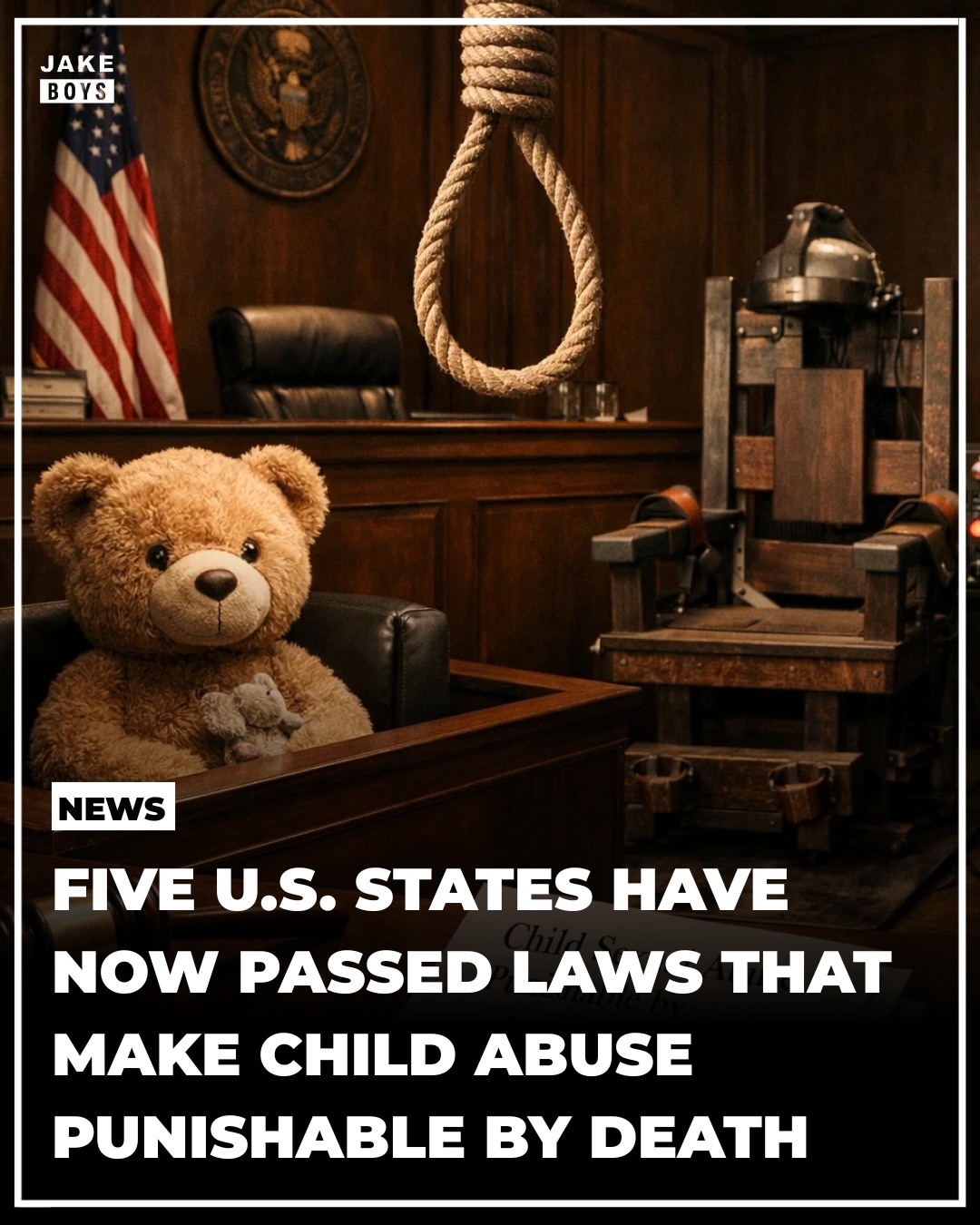 0 Comments 0 Shares 486 Views 0 Reviews
3
0 Comments 0 Shares 486 Views 0 Reviews
3
-
Congresswoman Nancy Mace is calling for the harshest possible penalties for those convicted of severe child sexual abuse, arguing that certain crimes should carry the death penalty.
Her comments come as several states debate or pass laws expanding capital punishment in cases involving children, sparking national conversations around justice, deterrence, and constitutional limits.
Supporters say tougher penalties are necessary to protect vulnerable victims, while critics raise concerns about legal precedent and the use of the death penalty.Congresswoman Nancy Mace is calling for the harshest possible penalties for those convicted of severe child sexual abuse, arguing that certain crimes should carry the death penalty. Her comments come as several states debate or pass laws expanding capital punishment in cases involving children, sparking national conversations around justice, deterrence, and constitutional limits. Supporters say tougher penalties are necessary to protect vulnerable victims, while critics raise concerns about legal precedent and the use of the death penalty.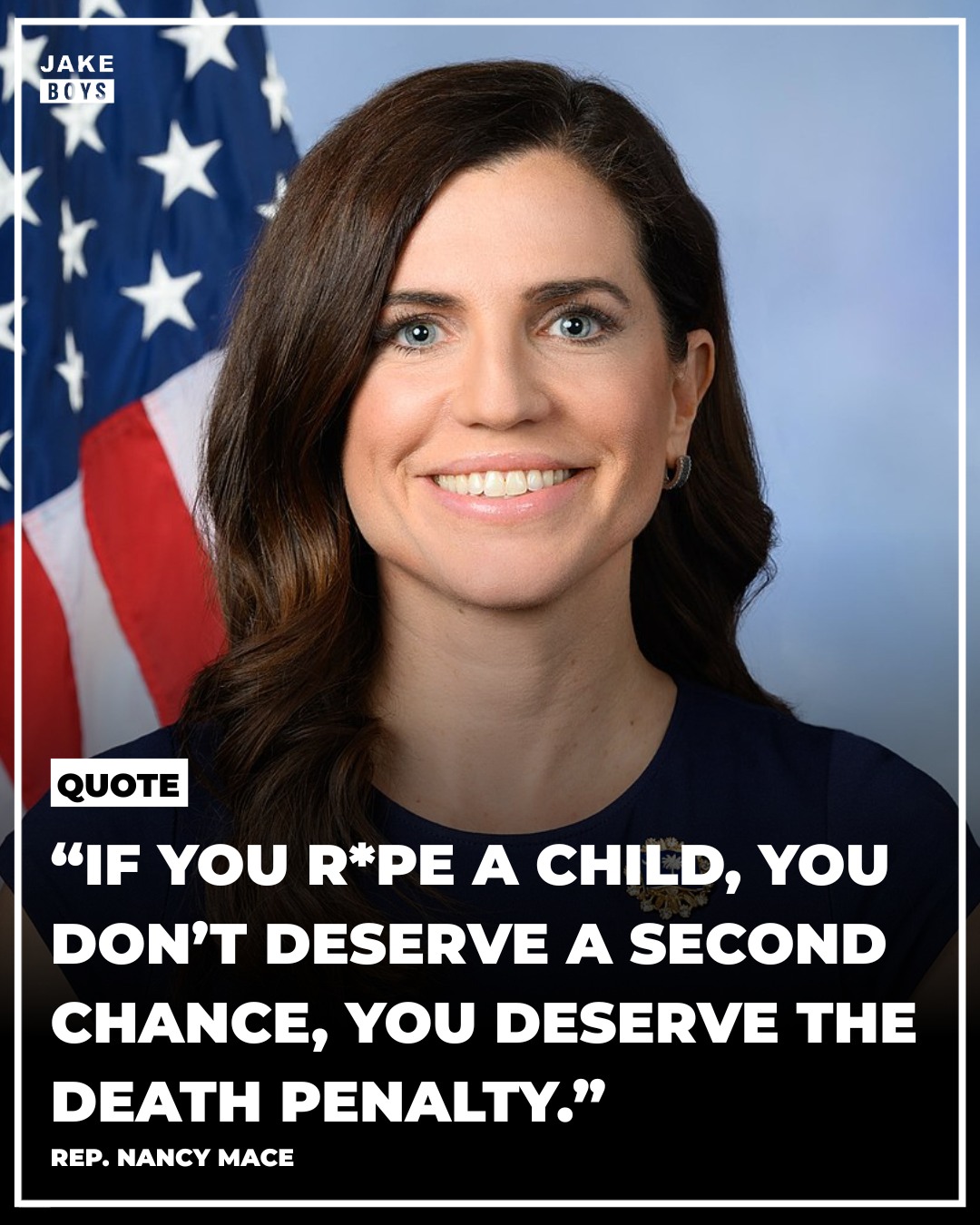 0 Comments 0 Shares 580 Views 0 Reviews
3
0 Comments 0 Shares 580 Views 0 Reviews
3
More Stories

 Language
 VN
VN
 French
 Spanish
 Portuguese
 Deutsch
 Turkish
 Dutch
Dutch
 Italiano
 Russian
 Romaian
 Portuguese (Brazil)
 Greek
Greek
 Arabic