


-
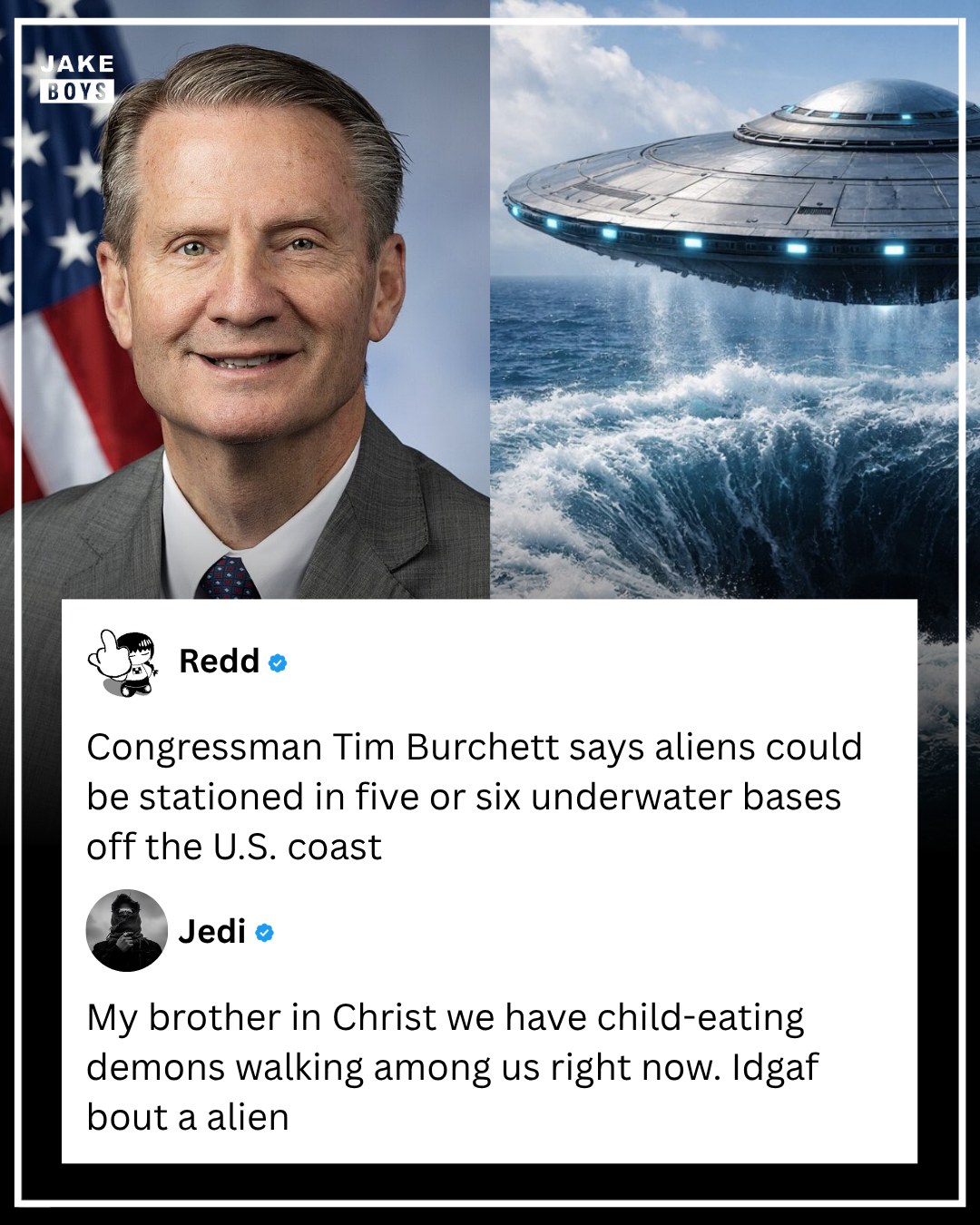
Rep. Tim Burchett has stated that there could be aliens stationed in underwater bases off the coast of the U.S., but everyone is saying the same thing. People are implying that all the talk of alien life is an attempt to distract from the Epstein files.Rep. Tim Burchett has stated that there could be aliens stationed in underwater bases off the coast of the U.S., but everyone is saying the same thing. People are implying that all the talk of alien life is an attempt to distract from the Epstein files.
 0 Comments 0 Shares 123 Views 0 Reviews
 3
3
-
Former California Governor Arnold Schwarzenegger delivers a scathing assessment of President Trump's leadership and legacy. Schwarzenegger, a Republican who has previously criticized Trump, declares the current president "a failed leader" and predicts he "will go down in history as the worst president ever."
The former actor-turned-politician employs modern social media terminology in his critique, comparing Trump's future relevance to "an old tweet" - suggesting that Trump's influence and significance will quickly fade into digital obscurity. This metaphor reflects how rapidly information cycles and public attention move in the contemporary media landscape.
Schwarzenegger's harsh judgment represents a continuation of his public opposition to Trump, despite both men sharing Republican Party affiliation. His prediction about Trump's historical standing places the current president at the bottom of presidential rankings, a particularly damning assessment from a fellow Republican.Former California Governor Arnold Schwarzenegger delivers a scathing assessment of President Trump's leadership and legacy. Schwarzenegger, a Republican who has previously criticized Trump, declares the current president "a failed leader" and predicts he "will go down in history as the worst president ever." The former actor-turned-politician employs modern social media terminology in his critique, comparing Trump's future relevance to "an old tweet" - suggesting that Trump's influence and significance will quickly fade into digital obscurity. This metaphor reflects how rapidly information cycles and public attention move in the contemporary media landscape. Schwarzenegger's harsh judgment represents a continuation of his public opposition to Trump, despite both men sharing Republican Party affiliation. His prediction about Trump's historical standing places the current president at the bottom of presidential rankings, a particularly damning assessment from a fellow Republican.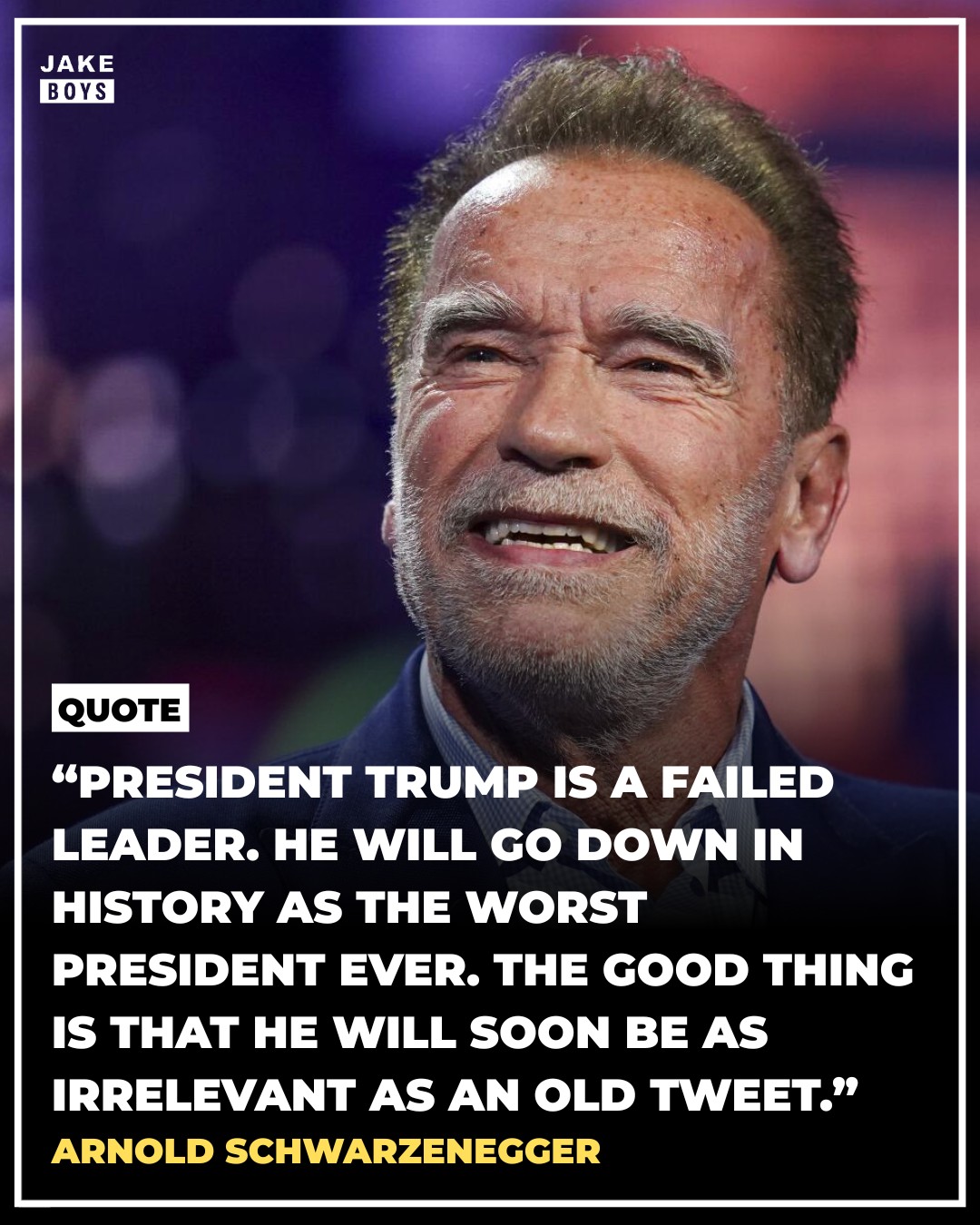 0 Comments 0 Shares 100 Views 0 Reviews
3
0 Comments 0 Shares 100 Views 0 Reviews
3
-
The late comedian Robin Williams offered a scathing satirical critique of the perceived influence of money in modern American politics through this analogy to NASCAR sponsorships. His statement suggests a belief that elected officials are beholden to and "owned" by wealthy donors and special interests who provide political funding, much like professional race car drivers are associated with the corporate brands that sponsor their vehicles.
Williams' comparison invokes the visual imagery of politicians wearing branded "sponsor jackets" to make their financial backers explicit and transparent to the public. This idea underscores the comedian's apparent perception that money has become a corrupting force in the democratic process, with elected representatives serving the interests of their financial supporters rather than the broader electorate.
By drawing this parallel to NASCAR, Williams taps into the widely recognized commercialization of that sport, where driver uniforms and race cars are plastered with corporate logos. Applying that same dynamic to the political realm reflects a cynical view that elected officials have become little more than mouthpieces for the highest bidders.
This statement reflects a longstanding debate around the role of money in politics and the degree to which it can distort the functioning of democratic institutions. Williams' sardonic proposal suggests a belief that greater transparency around the financial interests influencing politicians could help restore public trust and accountability.
Ultimately, this quote represents Williams' effort to call attention, through biting humor, to what he perceived as an unhealthy merger of wealth and political power that undermines the principles of representative government.The late comedian Robin Williams offered a scathing satirical critique of the perceived influence of money in modern American politics through this analogy to NASCAR sponsorships. His statement suggests a belief that elected officials are beholden to and "owned" by wealthy donors and special interests who provide political funding, much like professional race car drivers are associated with the corporate brands that sponsor their vehicles. Williams' comparison invokes the visual imagery of politicians wearing branded "sponsor jackets" to make their financial backers explicit and transparent to the public. This idea underscores the comedian's apparent perception that money has become a corrupting force in the democratic process, with elected representatives serving the interests of their financial supporters rather than the broader electorate. By drawing this parallel to NASCAR, Williams taps into the widely recognized commercialization of that sport, where driver uniforms and race cars are plastered with corporate logos. Applying that same dynamic to the political realm reflects a cynical view that elected officials have become little more than mouthpieces for the highest bidders. This statement reflects a longstanding debate around the role of money in politics and the degree to which it can distort the functioning of democratic institutions. Williams' sardonic proposal suggests a belief that greater transparency around the financial interests influencing politicians could help restore public trust and accountability. Ultimately, this quote represents Williams' effort to call attention, through biting humor, to what he perceived as an unhealthy merger of wealth and political power that undermines the principles of representative government.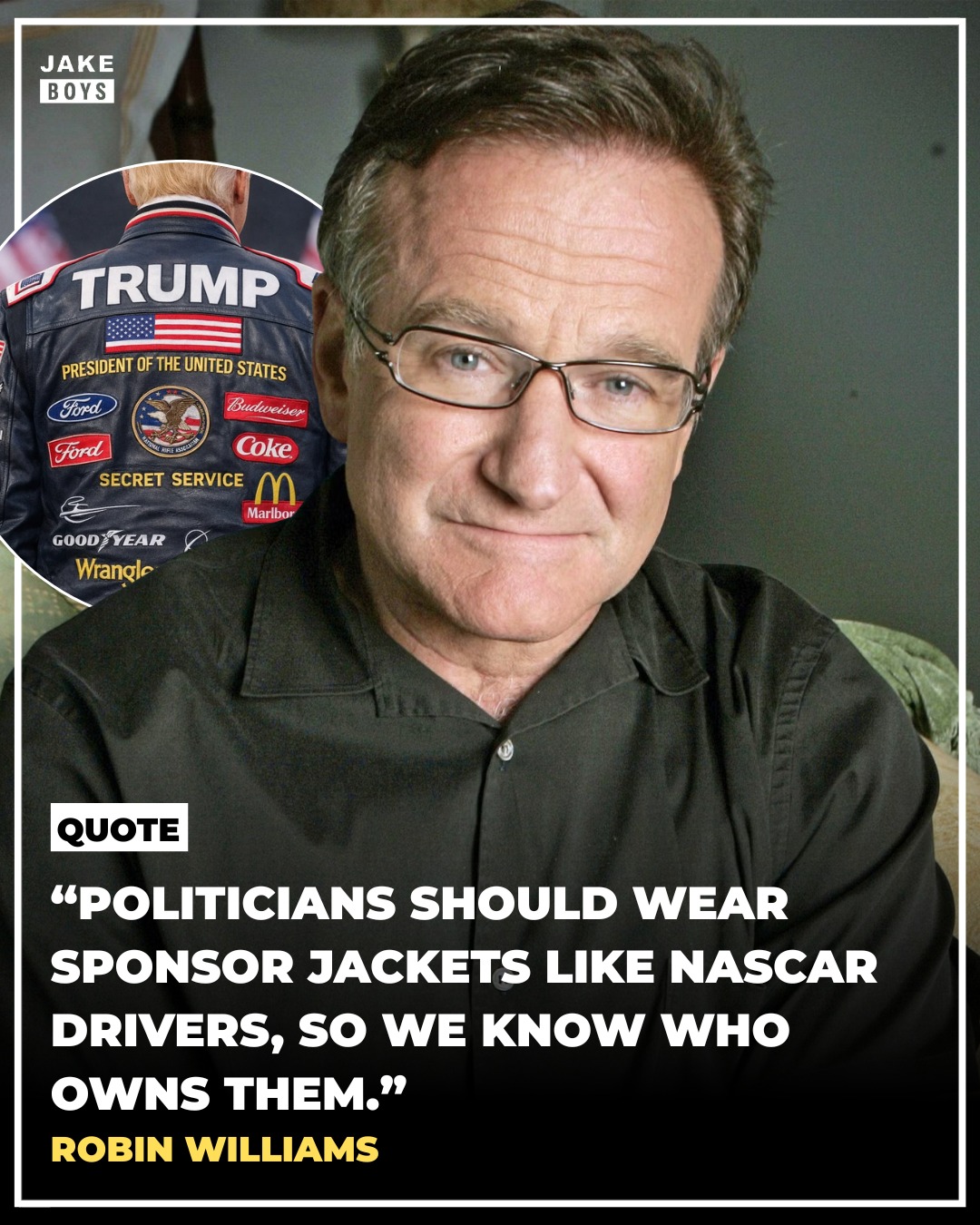 0 Comments 0 Shares 301 Views 0 Reviews
3
0 Comments 0 Shares 301 Views 0 Reviews
3
-
We really don’t talk enough about how strong the economy was toward the end of Barack Obama’s presidency.
He came into office during the worst financial crisis since the Great Depression — and by the time he left, the U.S. had record-low unemployment, solid GDP growth, and gas prices around $2.
Whether you agree with all his policies or not, it’s hard to ignore the turnaround. It’s a reminder that context matters — and that those final years were a lot more stable and prosperous than people sometimes remember.We really don’t talk enough about how strong the economy was toward the end of Barack Obama’s presidency. He came into office during the worst financial crisis since the Great Depression — and by the time he left, the U.S. had record-low unemployment, solid GDP growth, and gas prices around $2. Whether you agree with all his policies or not, it’s hard to ignore the turnaround. It’s a reminder that context matters — and that those final years were a lot more stable and prosperous than people sometimes remember.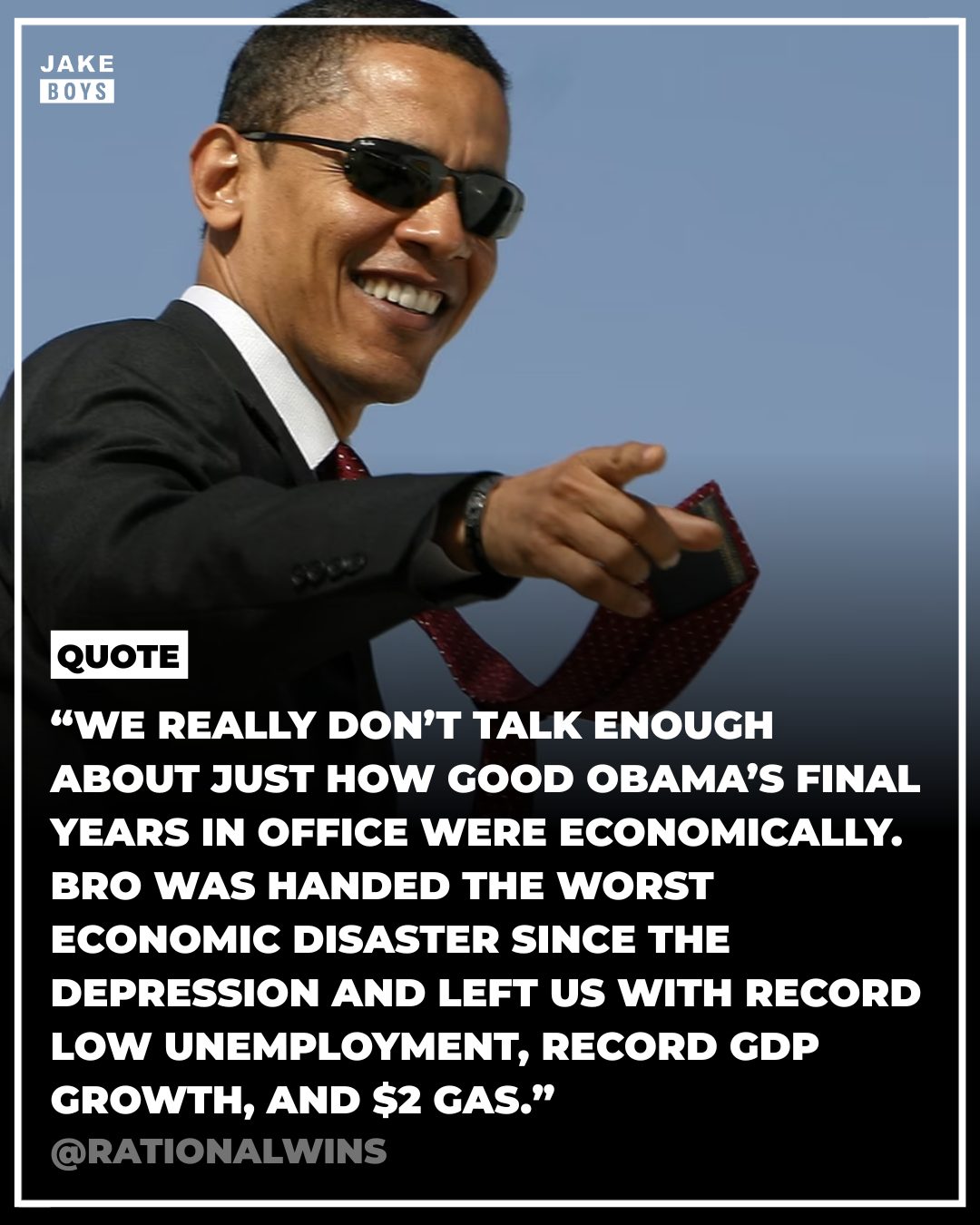 0 Comments 0 Shares 396 Views 0 Reviews
3
0 Comments 0 Shares 396 Views 0 Reviews
3
-
George Conway, a prominent attorney and public intellectual who has been critical of former President Donald Trump, delivers a scathing personal and moral rebuke of the ex-president. Conway, who is a self-identified Democrat, paints Trump as the embodiment of character flaws and behavioral patterns that stand in stark opposition to the values and virtues typically instilled in children.
By accusing Trump of being a "liar," "thief," and "molester," Conway levels some of the most serious personal and ethical indictments possible. His assertion that the former President exhibits a complete lack of "remorse, shame, [and] empathy" further reinforces this portrait of a man utterly devoid of moral conscience or concern for others.
Conway goes on to directly challenge Trump's loyalty to foundational American institutions, claiming he has "no loyalty to the law" or "the Constitution." This portrayal casts the former President as an existential threat to the democratic principles and legal frameworks that underpin the republic.
In the culmination of his scathing rebuke, Conway declares Trump "the lowest character of all," a stark and unequivocal moral judgment that positions him as the antithesis of the virtues and standards of conduct that society expects of its leaders and public figures. This represents a complete and uncompromising rejection of Trump as a person and a political actor.George Conway, a prominent attorney and public intellectual who has been critical of former President Donald Trump, delivers a scathing personal and moral rebuke of the ex-president. Conway, who is a self-identified Democrat, paints Trump as the embodiment of character flaws and behavioral patterns that stand in stark opposition to the values and virtues typically instilled in children. By accusing Trump of being a "liar," "thief," and "molester," Conway levels some of the most serious personal and ethical indictments possible. His assertion that the former President exhibits a complete lack of "remorse, shame, [and] empathy" further reinforces this portrait of a man utterly devoid of moral conscience or concern for others. Conway goes on to directly challenge Trump's loyalty to foundational American institutions, claiming he has "no loyalty to the law" or "the Constitution." This portrayal casts the former President as an existential threat to the democratic principles and legal frameworks that underpin the republic. In the culmination of his scathing rebuke, Conway declares Trump "the lowest character of all," a stark and unequivocal moral judgment that positions him as the antithesis of the virtues and standards of conduct that society expects of its leaders and public figures. This represents a complete and uncompromising rejection of Trump as a person and a political actor.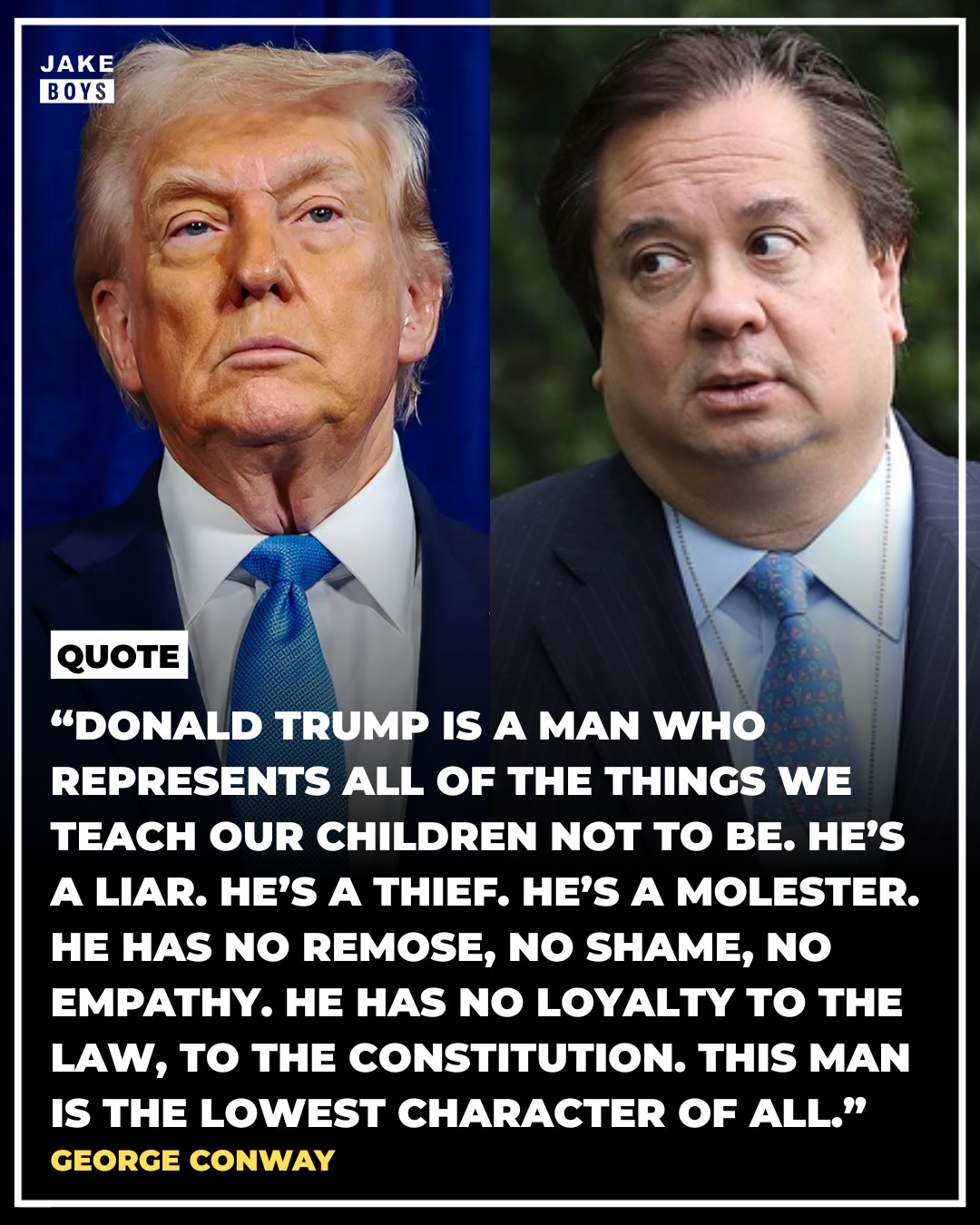 0 Comments 0 Shares 370 Views 0 Reviews
3
0 Comments 0 Shares 370 Views 0 Reviews
3
-
Actor Robert De Niro is weighing in on the current political climate, arguing that ordinary Americans — regardless of party — didn’t vote for war or harsh immigration crackdowns.
His comments tap into a broader frustration that major policy decisions, from foreign conflicts to deportations, often feel disconnected from what voters actually want.
As tensions rise both abroad and at home, voices like De Niro’s are amplifying a growing call for unity, restraint, and policies that reflect the will of everyday people.Actor Robert De Niro is weighing in on the current political climate, arguing that ordinary Americans — regardless of party — didn’t vote for war or harsh immigration crackdowns. His comments tap into a broader frustration that major policy decisions, from foreign conflicts to deportations, often feel disconnected from what voters actually want. As tensions rise both abroad and at home, voices like De Niro’s are amplifying a growing call for unity, restraint, and policies that reflect the will of everyday people.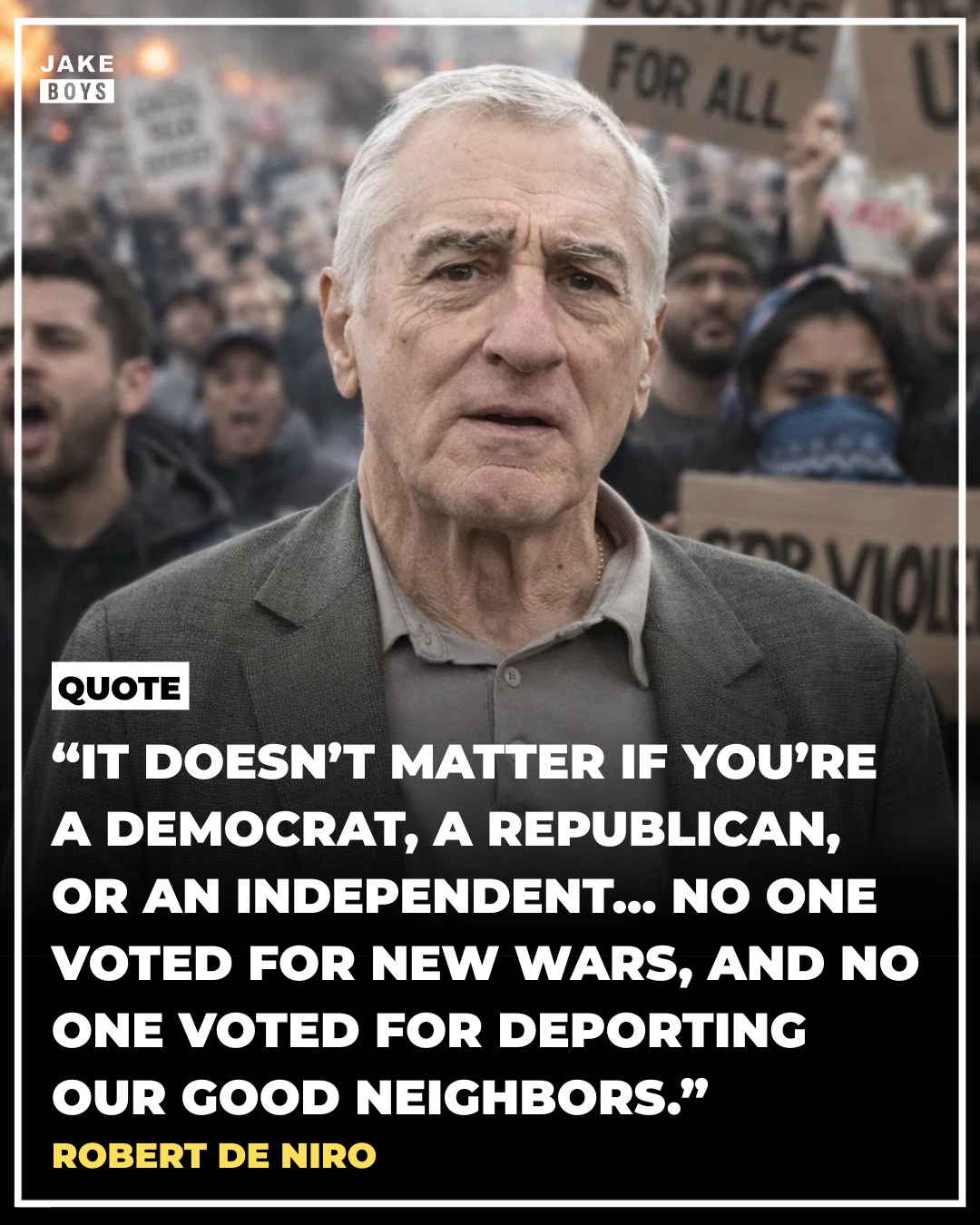 0 Comments 0 Shares 379 Views 0 Reviews
3
0 Comments 0 Shares 379 Views 0 Reviews
3
More Stories

 Language
 VN
VN
 French
 Spanish
 Portuguese
 Deutsch
 Turkish
 Dutch
Dutch
 Italiano
 Russian
 Romaian
 Portuguese (Brazil)
 Greek
Greek
 Arabic