


-
The United States reportedly offered a ceasefire proposal to Iran amid the ongoing U.S.–Israel conflict, but Tehran refused to agree to it, signaling that negotiations remain at a dead end. Mediators attempting to broker a pause in the fighting have said talks have stalled after Iran rejected Washington’s demands through regional channels.
Iranian Foreign Minister Abbas Araghchi has made clear that attacks destroying bridges and other infrastructure won’t force Iran to surrender — and warned that while “bridges and roads can be built again,” damage to America’s global standing will be “irreparable.”
The exchange underscores how diplomatic efforts have so far failed to halt the conflict, with both sides holding firm on their positions — and the war showing no sign of ending soon.The United States reportedly offered a ceasefire proposal to Iran amid the ongoing U.S.–Israel conflict, but Tehran refused to agree to it, signaling that negotiations remain at a dead end. Mediators attempting to broker a pause in the fighting have said talks have stalled after Iran rejected Washington’s demands through regional channels. Iranian Foreign Minister Abbas Araghchi has made clear that attacks destroying bridges and other infrastructure won’t force Iran to surrender — and warned that while “bridges and roads can be built again,” damage to America’s global standing will be “irreparable.” The exchange underscores how diplomatic efforts have so far failed to halt the conflict, with both sides holding firm on their positions — and the war showing no sign of ending soon.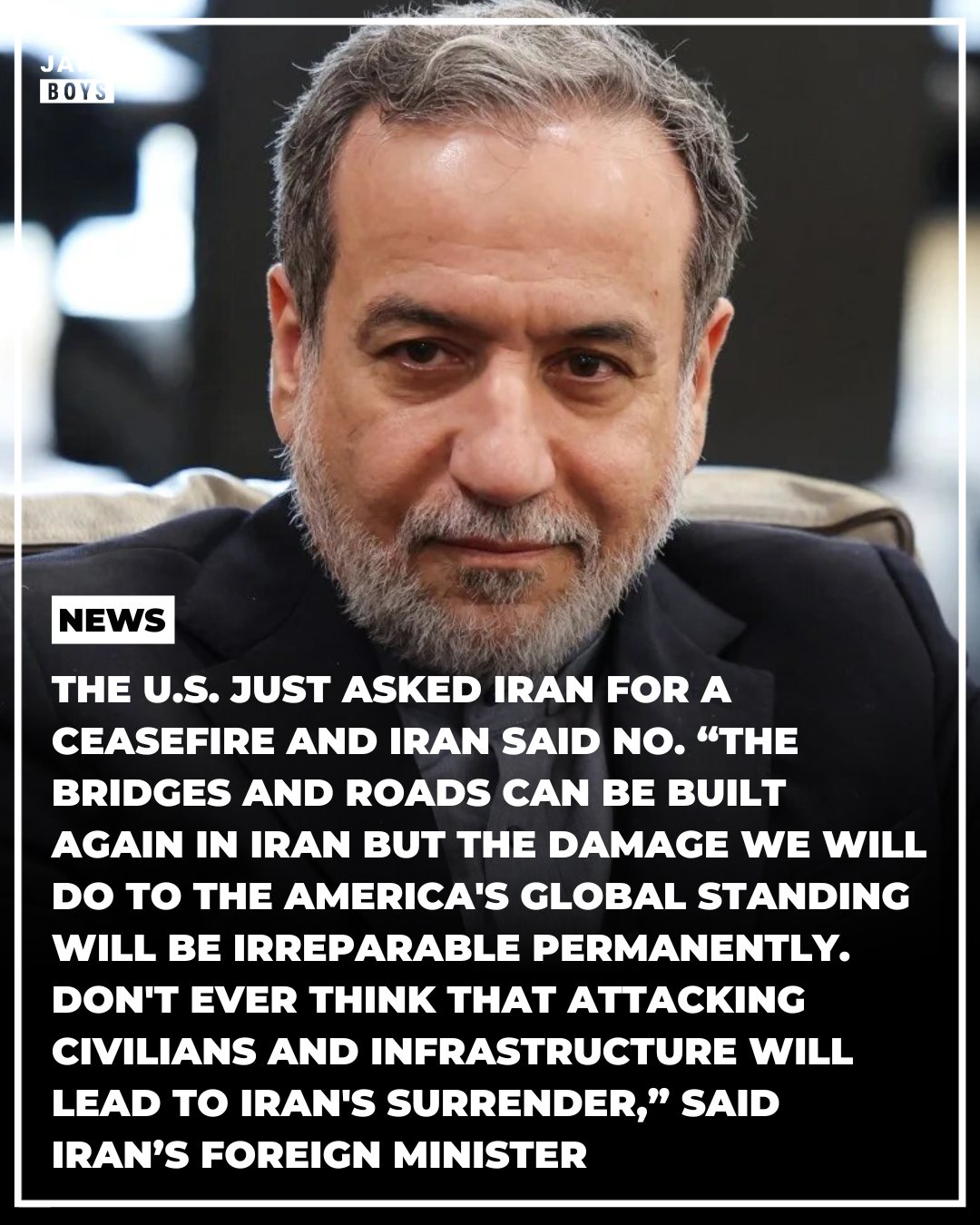 0 Commenti 0 condivisioni 117 Views 0 Anteprima
 3
3
-
The Strait of Hormuz is effectively reopening — but not for everyone.
Iranian Foreign Minister Abbas Araghchi made it clear: “the Strait of Hormuz is open… but only closed to American [and] Israeli ships”, adding that vessels from other nations are still free to pass.
And that’s exactly what’s happening. In recent days, ships linked to France, Japan, and India have successfully crossed the strait — including a French container vessel and Japanese and Indian tankers — signaling a selective reopening under Iran’s terms.
The message from Tehran is unmistakable: this isn’t a full blockade — it’s a targeted restriction aimed specifically at the U.S. and Israel, while much of the rest of the world resumes critical trade through one of the most important energy chokepoints on Earth.
With roughly 20% of global oil supply flowing through this narrow passage, who gets access — and who doesn’t — is now shaping not just the war, but the global economy.The Strait of Hormuz is effectively reopening — but not for everyone. Iranian Foreign Minister Abbas Araghchi made it clear: “the Strait of Hormuz is open… but only closed to American [and] Israeli ships”, adding that vessels from other nations are still free to pass. And that’s exactly what’s happening. In recent days, ships linked to France, Japan, and India have successfully crossed the strait — including a French container vessel and Japanese and Indian tankers — signaling a selective reopening under Iran’s terms. The message from Tehran is unmistakable: this isn’t a full blockade — it’s a targeted restriction aimed specifically at the U.S. and Israel, while much of the rest of the world resumes critical trade through one of the most important energy chokepoints on Earth. With roughly 20% of global oil supply flowing through this narrow passage, who gets access — and who doesn’t — is now shaping not just the war, but the global economy.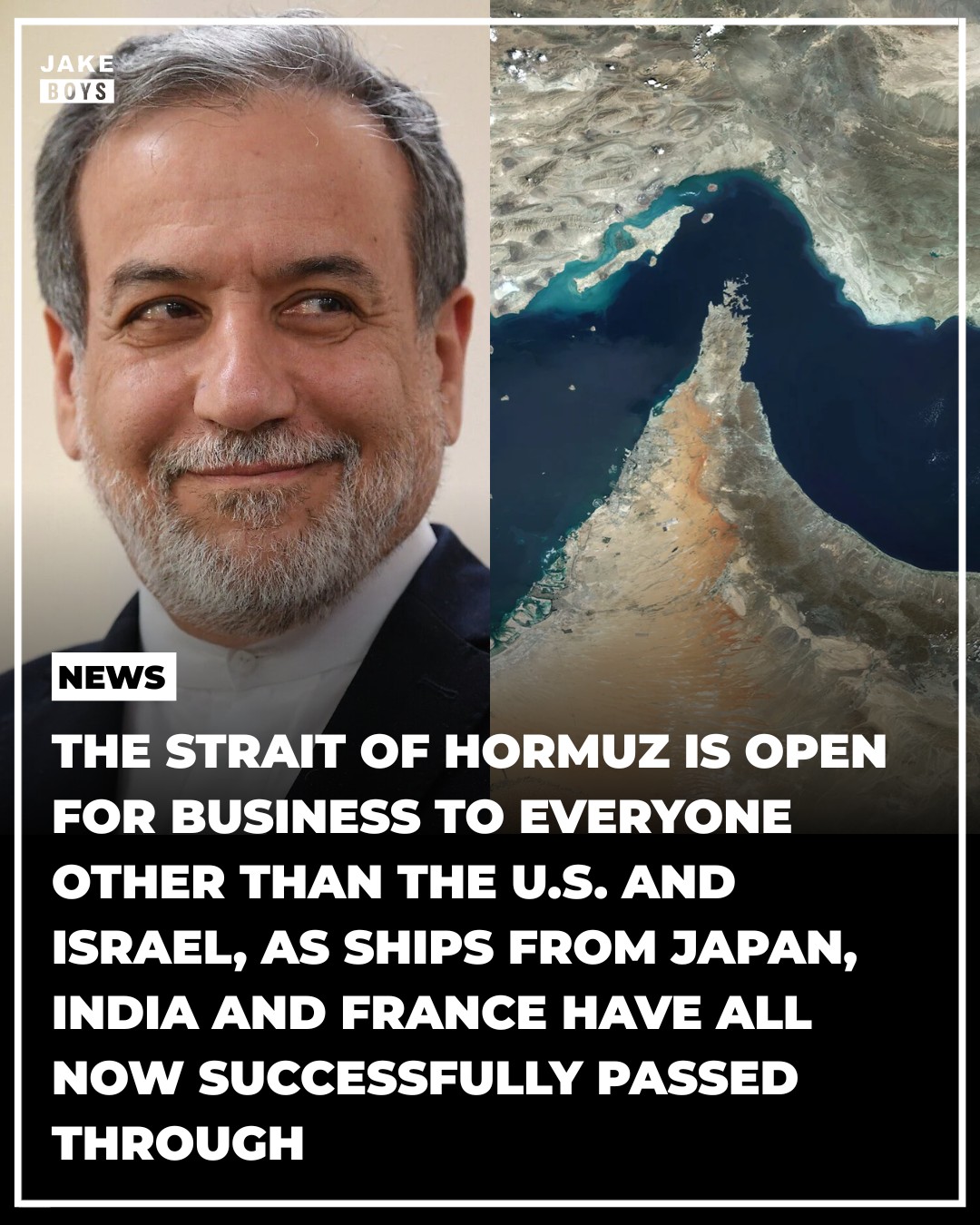 0 Commenti 0 condivisioni 299 Views 0 Anteprima
3
0 Commenti 0 condivisioni 299 Views 0 Anteprima
3
-
French President Emmanuel Macron took a pointed swipe at President Donald Trump, quipping: “When we are serious, we do not say the opposite of what we said the day before. Perhaps we should not speak every day.”
The remarks come amid ongoing tensions over inconsistent messaging from Washington and highlight Macron’s frustration with what he sees as erratic communication from U.S. leadership.
Observers note the comment reflects broader concerns among global leaders about credibility, consistency, and predictability in international diplomacy — especially during high-stakes conflicts and negotiations.French President Emmanuel Macron took a pointed swipe at President Donald Trump, quipping: “When we are serious, we do not say the opposite of what we said the day before. Perhaps we should not speak every day.” The remarks come amid ongoing tensions over inconsistent messaging from Washington and highlight Macron’s frustration with what he sees as erratic communication from U.S. leadership. Observers note the comment reflects broader concerns among global leaders about credibility, consistency, and predictability in international diplomacy — especially during high-stakes conflicts and negotiations.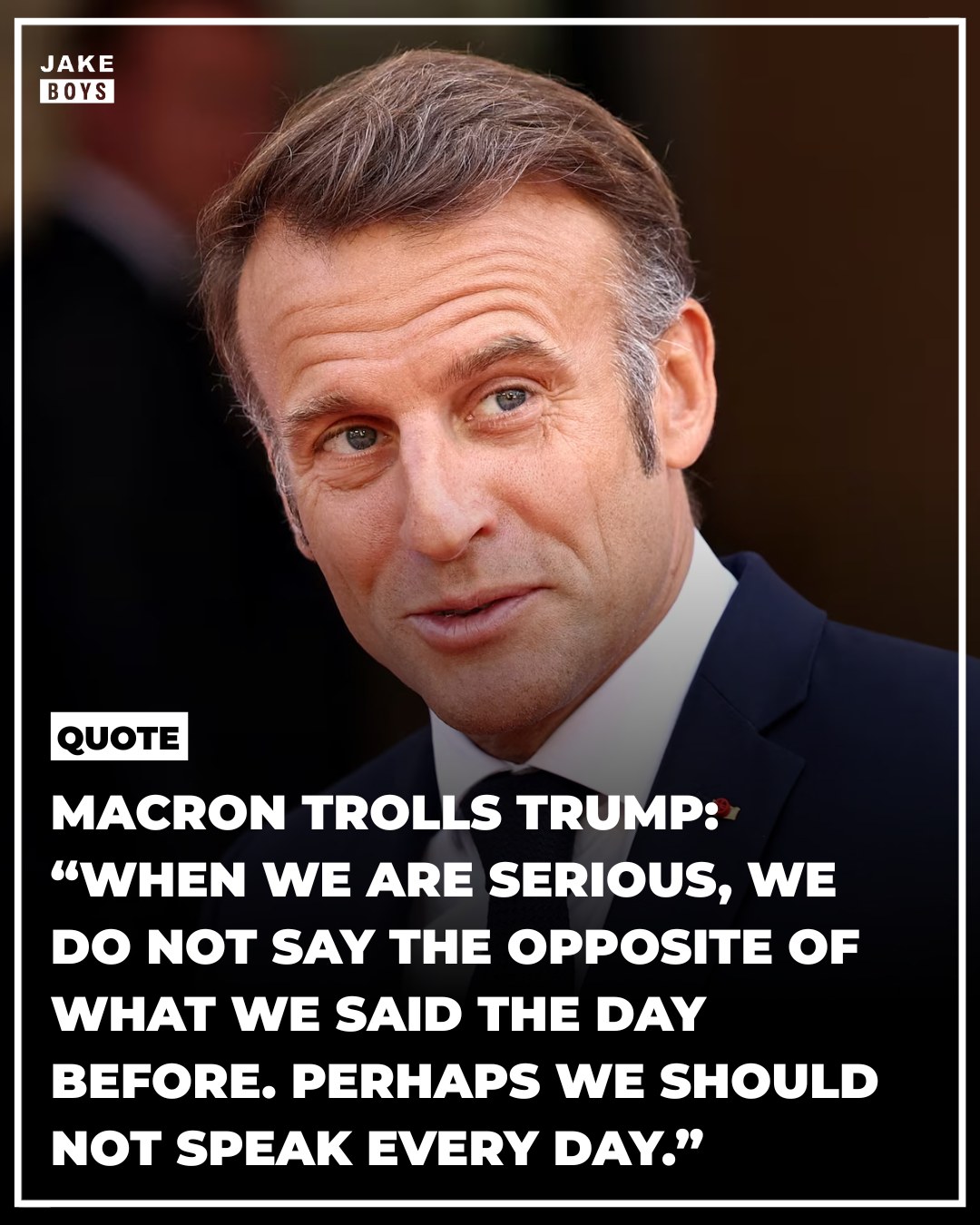 0 Commenti 0 condivisioni 354 Views 0 Anteprima
3
0 Commenti 0 condivisioni 354 Views 0 Anteprima
3
-
Spanish MEP Irene Montero is drawing global attention after delivering a fiery response to President Donald Trump over the escalating conflict.
In her remarks, Montero condemned the push toward war, arguing that political leaders who advocate for military action should be willing to face its consequences personally — a message that’s resonating widely as tensions rise.
Her comments reflect a broader wave of criticism across Europe, where several leaders and lawmakers have voiced concern over escalation, warning of the human cost and calling for de-escalation and accountability at the highest levels.Spanish MEP Irene Montero is drawing global attention after delivering a fiery response to President Donald Trump over the escalating conflict. In her remarks, Montero condemned the push toward war, arguing that political leaders who advocate for military action should be willing to face its consequences personally — a message that’s resonating widely as tensions rise. Her comments reflect a broader wave of criticism across Europe, where several leaders and lawmakers have voiced concern over escalation, warning of the human cost and calling for de-escalation and accountability at the highest levels.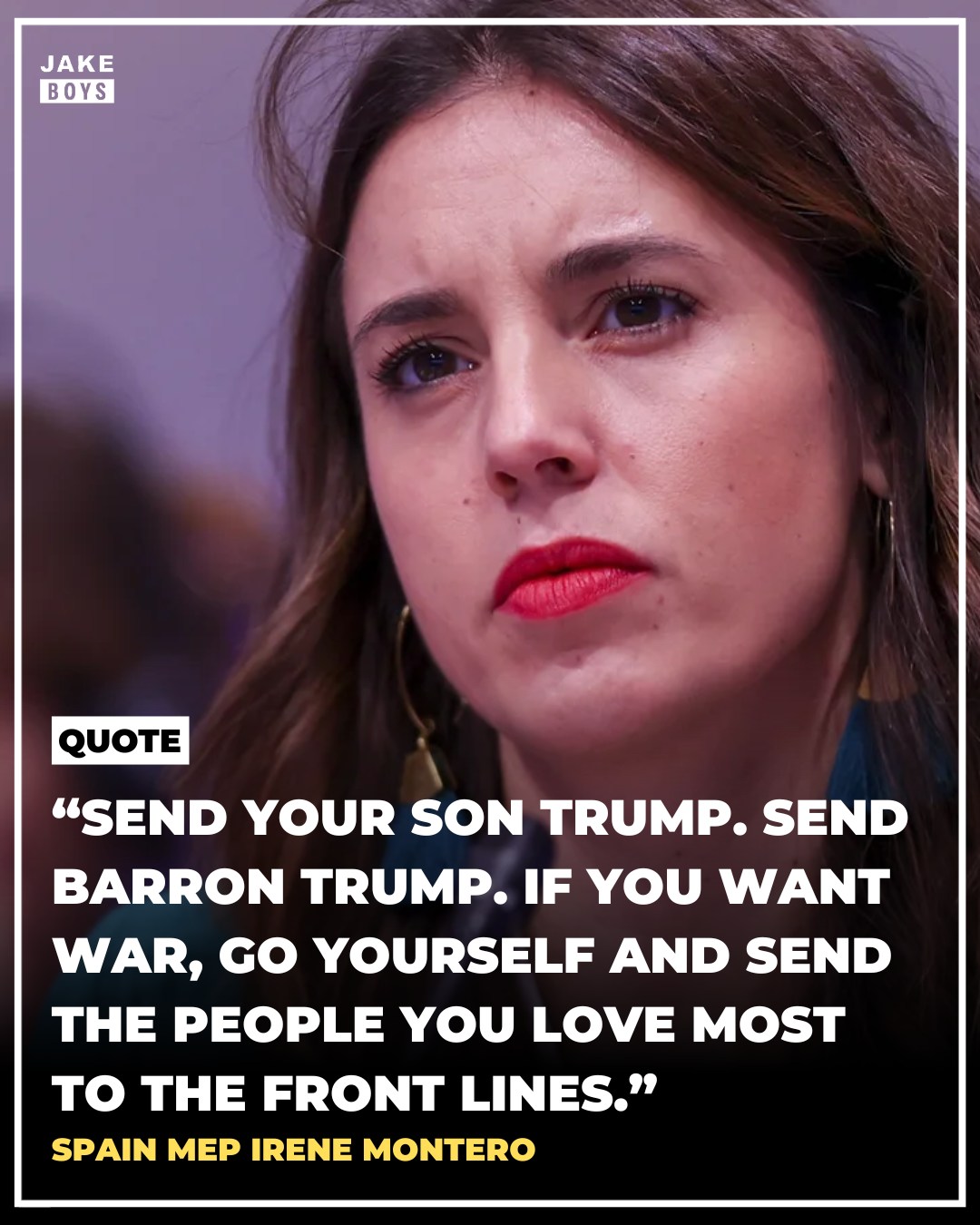 0 Commenti 0 condivisioni 521 Views 0 Anteprima
3
0 Commenti 0 condivisioni 521 Views 0 Anteprima
3
-
French General Michel Yakovleff is drawing global attention after delivering a blistering response to a reported Trump administration plan to build a runway inside Iran to extract and airlift uranium during an active war.
Calling the proposal wildly unrealistic, Yakovleff mocked the idea in blunt terms — questioning how such an operation could even be executed under fire, from securing the site to safely transporting nuclear material.
The remarks highlight growing skepticism among U.S. allies about the feasibility — and risk — of escalating military strategies in Iran, especially those involving ground operations deep inside hostile territory.
As tensions rise, the exchange underscores a deeper issue: not just disagreement, but open ridicule from allied military voices, signaling how strained international confidence in U.S. decision-making has become during the conflict.French General Michel Yakovleff is drawing global attention after delivering a blistering response to a reported Trump administration plan to build a runway inside Iran to extract and airlift uranium during an active war. Calling the proposal wildly unrealistic, Yakovleff mocked the idea in blunt terms — questioning how such an operation could even be executed under fire, from securing the site to safely transporting nuclear material. The remarks highlight growing skepticism among U.S. allies about the feasibility — and risk — of escalating military strategies in Iran, especially those involving ground operations deep inside hostile territory. As tensions rise, the exchange underscores a deeper issue: not just disagreement, but open ridicule from allied military voices, signaling how strained international confidence in U.S. decision-making has become during the conflict.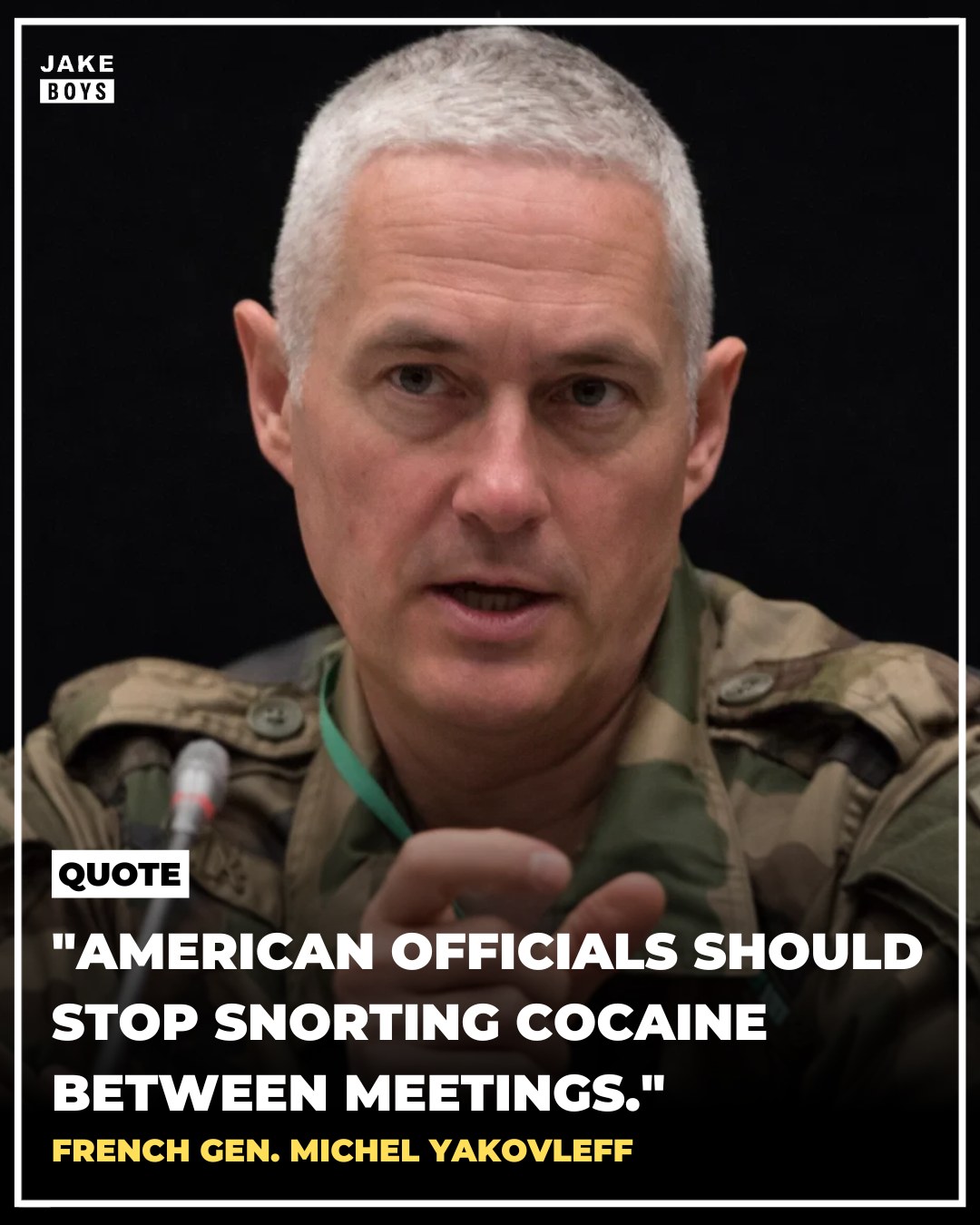 0 Commenti 0 condivisioni 312 Views 0 Anteprima
3
0 Commenti 0 condivisioni 312 Views 0 Anteprima
3
-
A viral post is capturing a growing sense of unease as global tensions rise, with some questioning whether the U.S. is becoming increasingly isolated on the world stage.
Amid reports of allies distancing themselves from military involvement and refusing support in the current conflict, the sentiment reflects broader concerns about fractured alliances, shifting global power dynamics, and America’s standing with longtime partners.
While the claim may be an exaggeration, the reaction highlights a real conversation happening right now: how much support the U.S. truly has — and what that means in a rapidly changing world.A viral post is capturing a growing sense of unease as global tensions rise, with some questioning whether the U.S. is becoming increasingly isolated on the world stage. Amid reports of allies distancing themselves from military involvement and refusing support in the current conflict, the sentiment reflects broader concerns about fractured alliances, shifting global power dynamics, and America’s standing with longtime partners. While the claim may be an exaggeration, the reaction highlights a real conversation happening right now: how much support the U.S. truly has — and what that means in a rapidly changing world.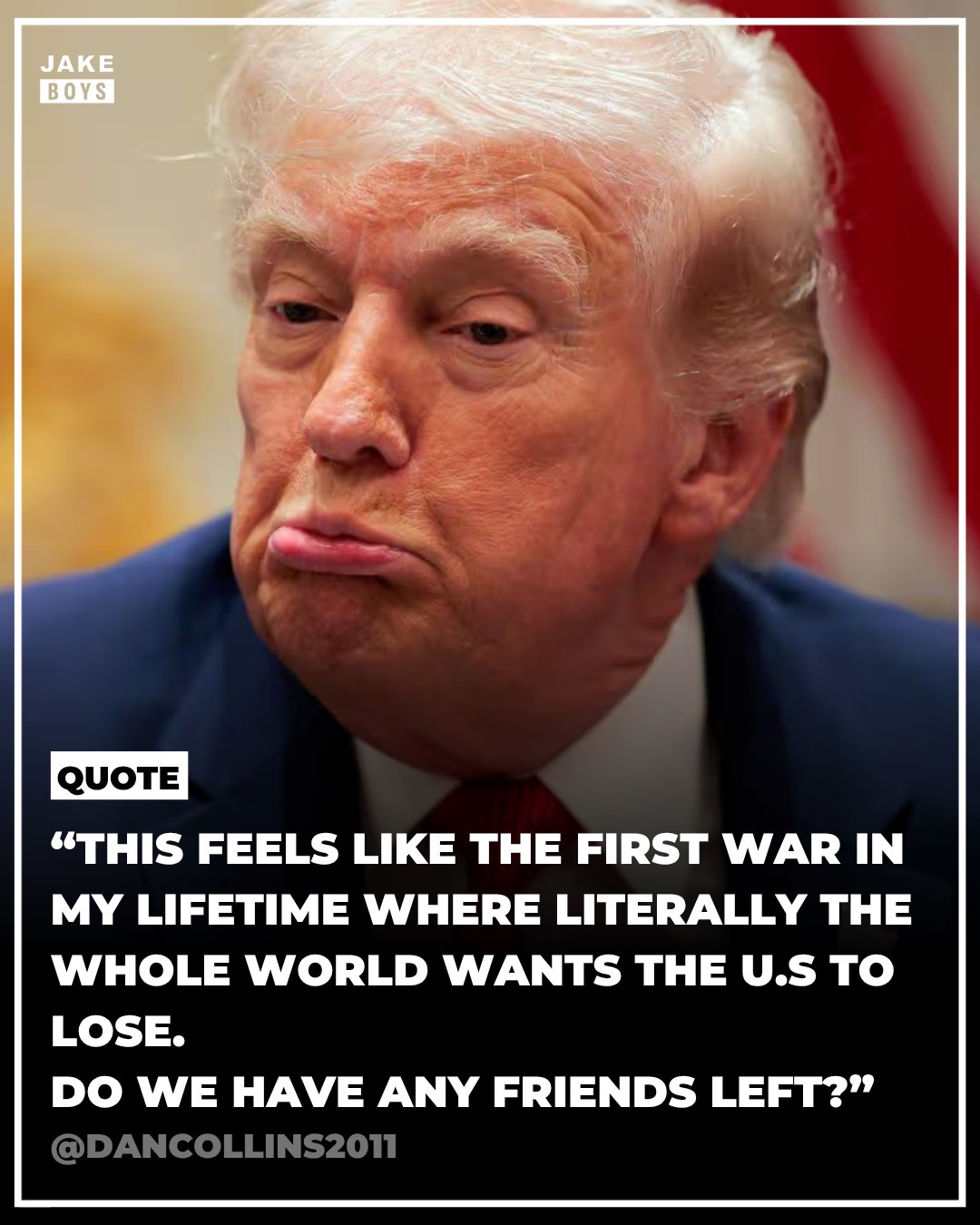 0 Commenti 0 condivisioni 349 Views 0 Anteprima
3
0 Commenti 0 condivisioni 349 Views 0 Anteprima
3
Altre storie

 Language
 English
 VN
VN
 French
 Spanish
 Portuguese
 Deutsch
 Turkish
 Dutch
Dutch
 Russian
 Romaian
 Portuguese (Brazil)
 Greek
Greek
 Arabic