


-
Noelia Castillo Ramos, 25, is expected to undergo euthanasia in Spain — a case drawing international attention because it involves mental health and trauma as central factors.
According to reports in Spanish newspaper Marca, her suffering followed a sexual assault while she was living in a supervised center as a minor, as well as a suicide attempt that left her paraplegic. Over the years, she has lived with chronic physical pain and severe psychological distress.
Spanish law allows euthanasia in cases of “serious and incurable conditions” or “intolerable suffering,” but cases involving mental health remain rare and legally complex. Noelia’s case has sparked debate over how laws should balance autonomy, mental health, and protections for vulnerable individuals.
Supporters argue that people experiencing enduring, irreversible suffering should have the right to make their own decisions. Critics call for careful safeguards to ensure mental health cases are handled responsibly.
As her case unfolds, it continues to raise broader questions about ethics, autonomy, and how society supports individuals experiencing extreme suffering.Noelia Castillo Ramos, 25, is expected to undergo euthanasia in Spain — a case drawing international attention because it involves mental health and trauma as central factors. According to reports in Spanish newspaper Marca, her suffering followed a sexual assault while she was living in a supervised center as a minor, as well as a suicide attempt that left her paraplegic. Over the years, she has lived with chronic physical pain and severe psychological distress. Spanish law allows euthanasia in cases of “serious and incurable conditions” or “intolerable suffering,” but cases involving mental health remain rare and legally complex. Noelia’s case has sparked debate over how laws should balance autonomy, mental health, and protections for vulnerable individuals. Supporters argue that people experiencing enduring, irreversible suffering should have the right to make their own decisions. Critics call for careful safeguards to ensure mental health cases are handled responsibly. As her case unfolds, it continues to raise broader questions about ethics, autonomy, and how society supports individuals experiencing extreme suffering.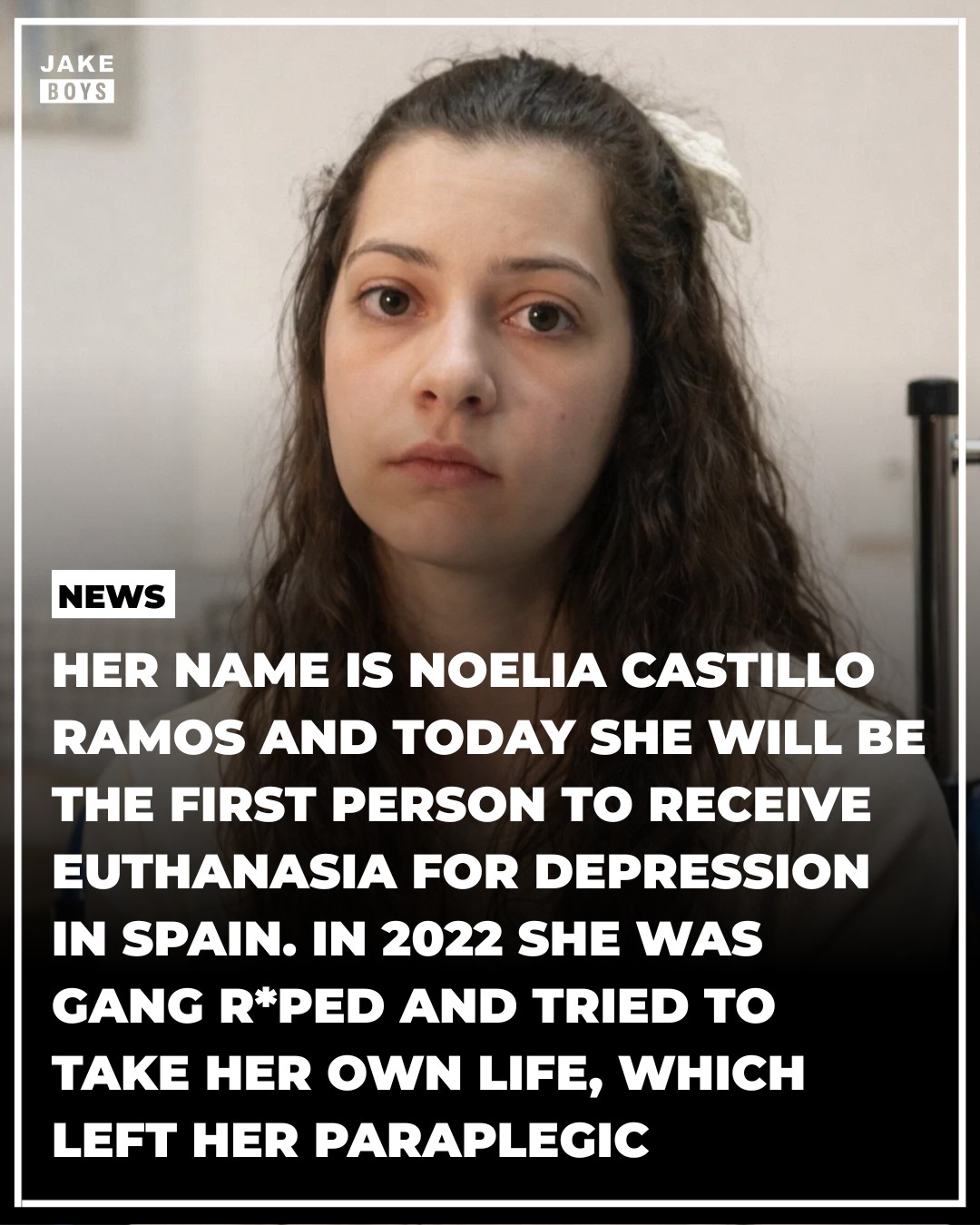 0 Comments 0 Shares 119 Views 0 Reviews
 3
3
-
The United Nations General Assembly has voted to formally recognize the transatlantic slave trade as the “gravest crime against humanity.”
The resolution — backed by more than 120 countries — highlights the scale, duration, and lasting global impact of slavery, including its role in shaping modern inequality and systemic racism. It also calls for renewed conversations around justice, reconciliation, and potential reparations.
However, the vote was not unanimous.
Countries including the United States, Argentina, and Israel voted against the measure, while others — including the United Kingdom and many European nations — abstained, raising concerns about how history is interpreted and whether ranking atrocities creates a “hierarchy of suffering.”
The resolution is non-binding, but supporters say it marks a significant symbolic step in acknowledging the full historical impact of slavery — and its consequences that are still felt today.The United Nations General Assembly has voted to formally recognize the transatlantic slave trade as the “gravest crime against humanity.” The resolution — backed by more than 120 countries — highlights the scale, duration, and lasting global impact of slavery, including its role in shaping modern inequality and systemic racism. It also calls for renewed conversations around justice, reconciliation, and potential reparations. However, the vote was not unanimous. Countries including the United States, Argentina, and Israel voted against the measure, while others — including the United Kingdom and many European nations — abstained, raising concerns about how history is interpreted and whether ranking atrocities creates a “hierarchy of suffering.” The resolution is non-binding, but supporters say it marks a significant symbolic step in acknowledging the full historical impact of slavery — and its consequences that are still felt today.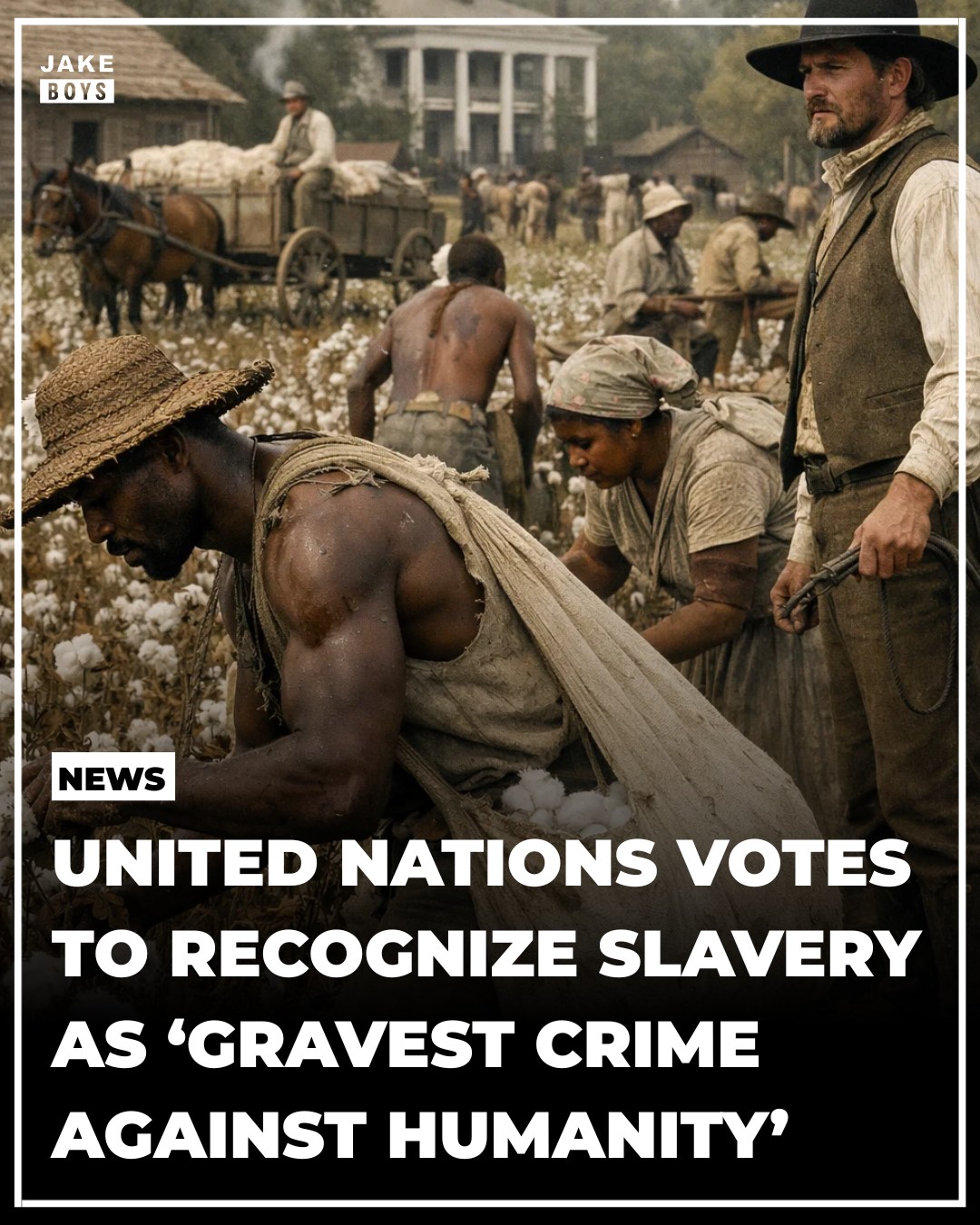 0 Comments 0 Shares 209 Views 0 Reviews
3
0 Comments 0 Shares 209 Views 0 Reviews
3
-
Epstein victim Maria Farmer reported to the FBI in 1996 that Epstein had photos of young girls and she had witnessed what was happening inside his mansion.
The FBI logged her complaint on September 3rd, 1996.
No case was opened. No investigation followed.
For nearly 30 years, the file was assumed lost.
In 2025, it resurfaced under the Epstein Files Transparency Act.
Nine years after her warning, investigators uncovered dozens of victims.
Now Maria and 11 other women are suing the FBI for $100 million.
They argue those early warnings were not acted upon and that the failure to investigate allowed the abuse to continue.
The complaint was real. The questions around why it was never pursued remain unanswered.Epstein victim Maria Farmer reported to the FBI in 1996 that Epstein had photos of young girls and she had witnessed what was happening inside his mansion. The FBI logged her complaint on September 3rd, 1996. No case was opened. No investigation followed. For nearly 30 years, the file was assumed lost. In 2025, it resurfaced under the Epstein Files Transparency Act. Nine years after her warning, investigators uncovered dozens of victims. Now Maria and 11 other women are suing the FBI for $100 million. They argue those early warnings were not acted upon and that the failure to investigate allowed the abuse to continue. The complaint was real. The questions around why it was never pursued remain unanswered.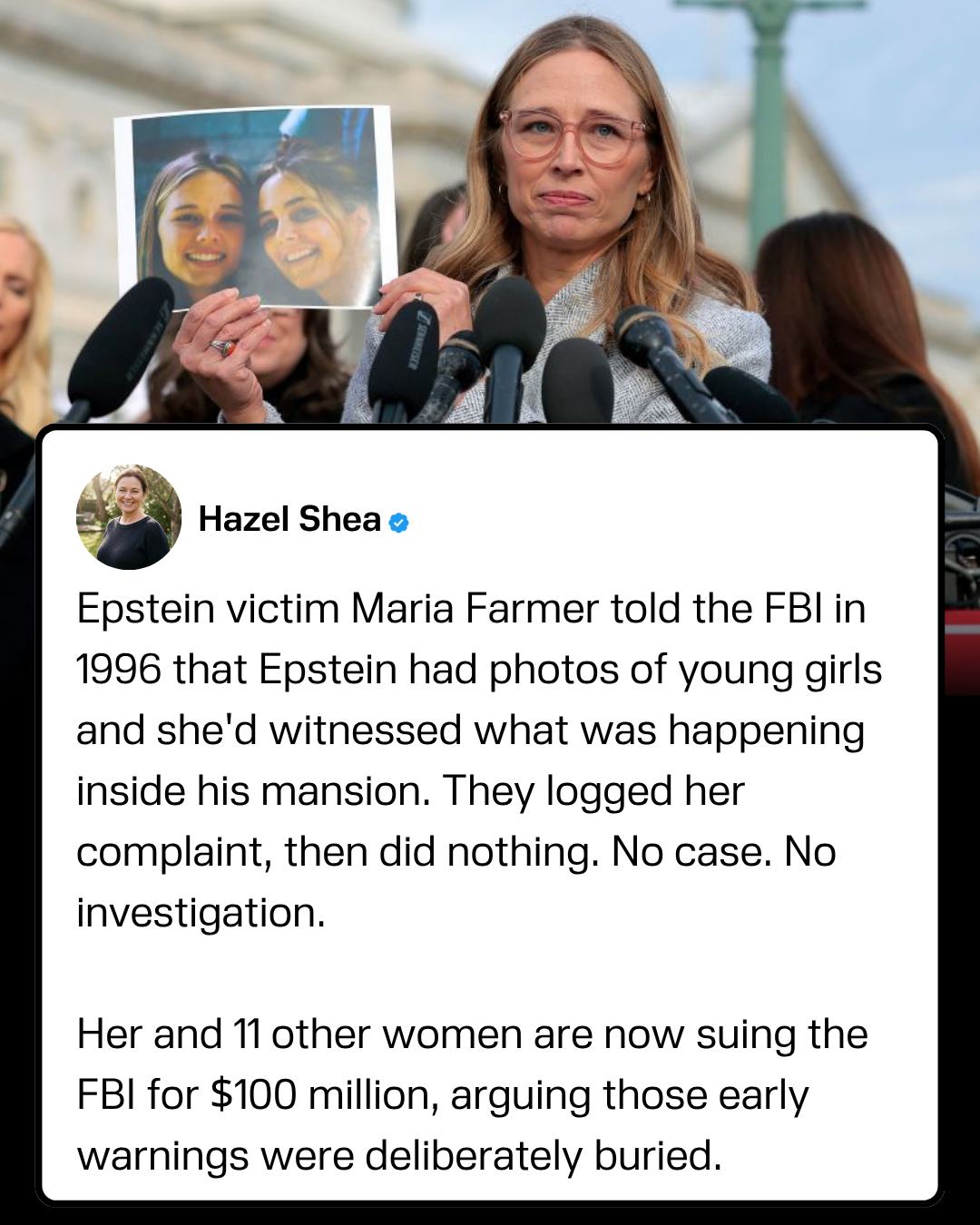 0 Comments 0 Shares 499 Views 0 Reviews
3
0 Comments 0 Shares 499 Views 0 Reviews
3
-
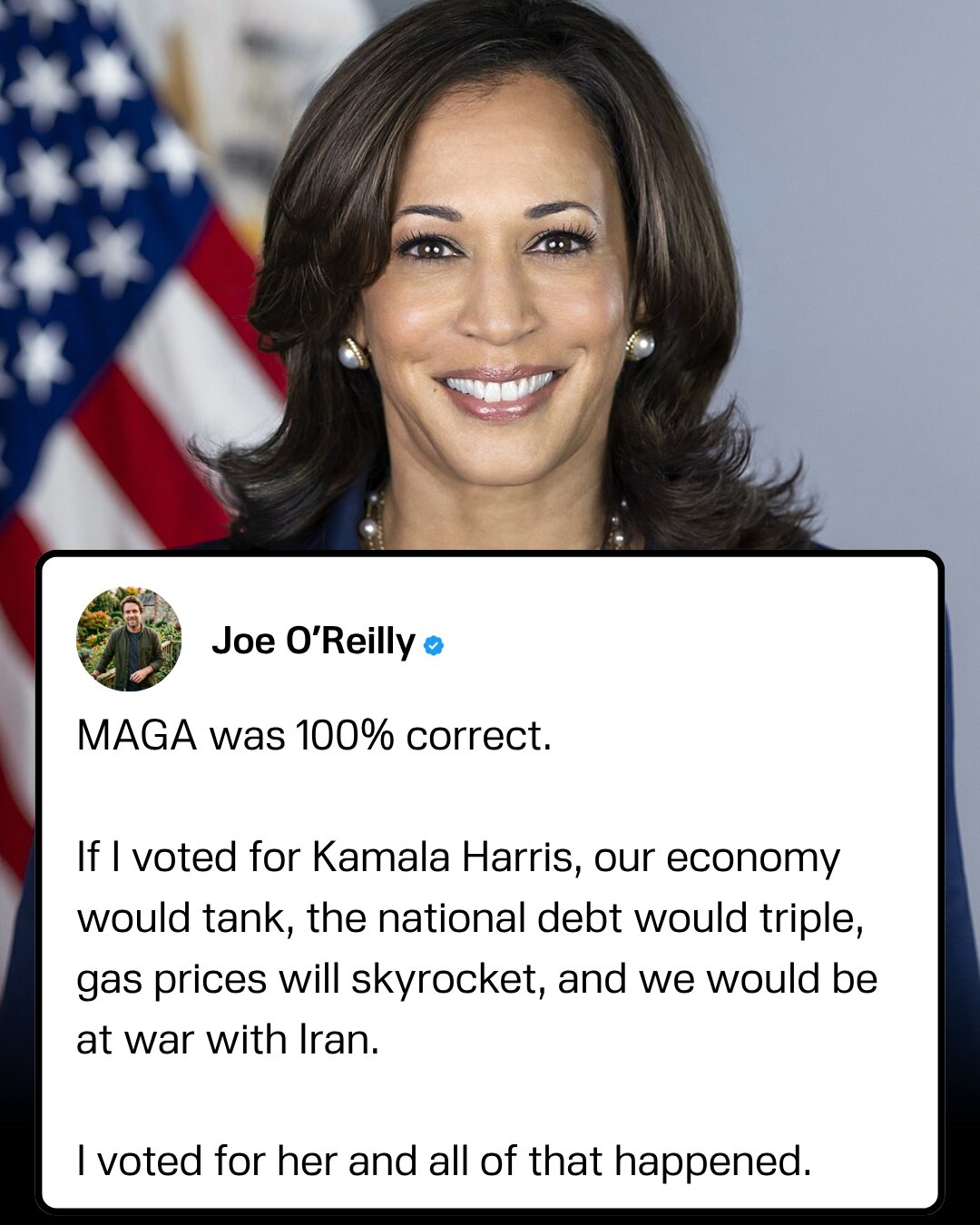
An X user sparked debate after calling out MAGA voters over their criticisms of Kamala Harris during the 2024 presidential election.An X user sparked debate after calling out MAGA voters over their criticisms of Kamala Harris during the 2024 presidential election.
 0 Comments 0 Shares 459 Views 0 Reviews
3
0 Comments 0 Shares 459 Views 0 Reviews
3
-
Pakistan’s Defence Minister Khawaja Asif is criticizing the evolving aims of the U.S.–led campaign against Iran, saying it now appears focused on “reopening the Strait of Hormuz” — a shipping route that was operational before the conflict began.
Asif’s comment reflects growing international frustration over how the Iran war has disrupted global energy and trade, including the strategic Hormuz chokepoint through which a significant portion of the world’s oil transits. The remark comes amid regional debate about whether military action or diplomacy should be the priority as tensions continue.Pakistan’s Defence Minister Khawaja Asif is criticizing the evolving aims of the U.S.–led campaign against Iran, saying it now appears focused on “reopening the Strait of Hormuz” — a shipping route that was operational before the conflict began. Asif’s comment reflects growing international frustration over how the Iran war has disrupted global energy and trade, including the strategic Hormuz chokepoint through which a significant portion of the world’s oil transits. The remark comes amid regional debate about whether military action or diplomacy should be the priority as tensions continue.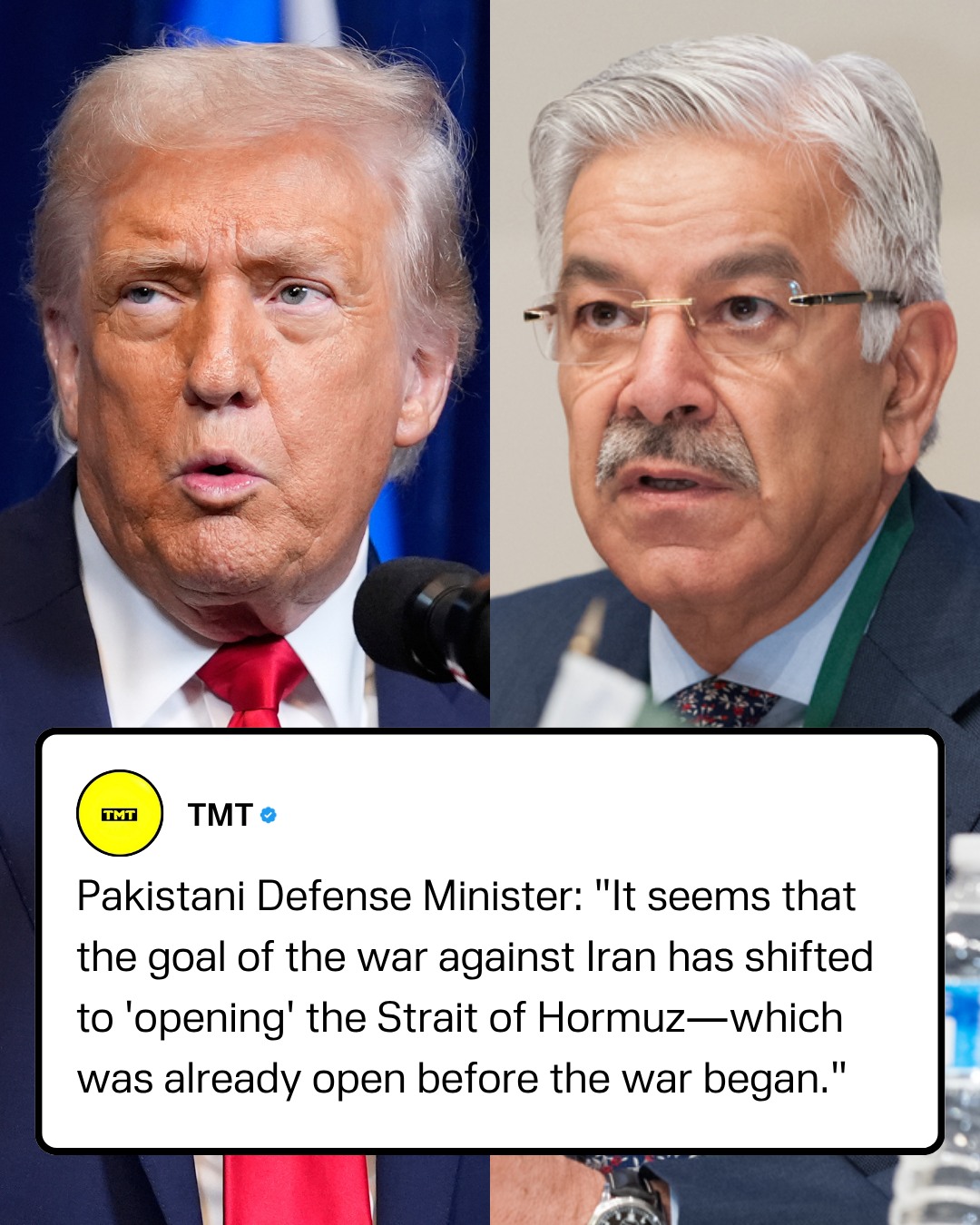 0 Comments 0 Shares 487 Views 0 Reviews
3
0 Comments 0 Shares 487 Views 0 Reviews
3
-
A controversial exchange is gaining traction after comments from a pastor connected to Pete Hegseth called for the death of Texas Democrat James Talarico during a podcast appearance.
The remarks drew immediate attention for their intensity—but Talarico’s response took a very different tone, emphasizing faith, love, and rejection of political violence.
The moment is now fueling a wider conversation around religion in politics, rhetoric, and how public figures respond to extreme attacks.A controversial exchange is gaining traction after comments from a pastor connected to Pete Hegseth called for the death of Texas Democrat James Talarico during a podcast appearance. The remarks drew immediate attention for their intensity—but Talarico’s response took a very different tone, emphasizing faith, love, and rejection of political violence. The moment is now fueling a wider conversation around religion in politics, rhetoric, and how public figures respond to extreme attacks.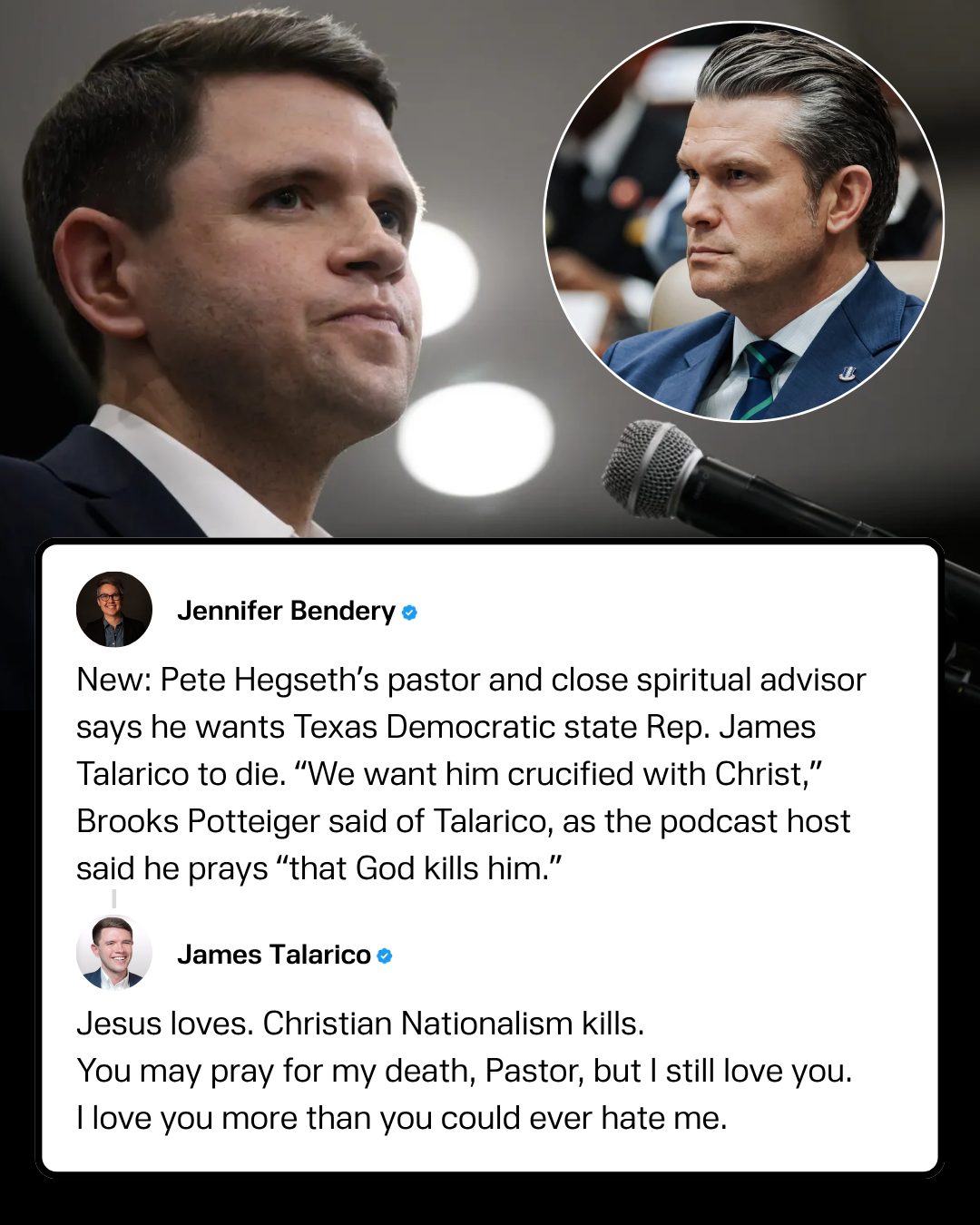 0 Comments 0 Shares 672 Views 0 Reviews
3
0 Comments 0 Shares 672 Views 0 Reviews
3
More Stories

 Language
 VN
VN
 French
 Spanish
 Portuguese
 Deutsch
 Turkish
 Dutch
Dutch
 Italiano
 Russian
 Romaian
 Portuguese (Brazil)
 Greek
Greek
 Arabic