


-
Delta Air Lines just scrapped a special set of travel perks for members of Congress that let lawmakers and their staff book multiple same‑day flights, make last‑minute changes, get priority service, and skip certain hassles that ordinary passengers face — all through a dedicated “Capitol Desk” and VIP treatment system. The airline says the decision is temporary and tied to the ongoing partial government shutdown that’s left the Transportation Security Administration short‑staffed and airports in chaos. As a result, those perks are suspended and lawmakers will now be treated like regular flyers until funding for the Department of Homeland Security is restored.
Delta CEO Ed Bastian also publicly criticized Congress for the shutdown’s impact on airline workers and airport operations, arguing that lawmakers should help repair the system they rely on instead of exempting themselves from its breakdown. Meanwhile, the Capitol Desk reservation line remains open even as VIP airport escort services, priority access, and other elite benefits are on hold.
This move has pushed an already heated debate over privileged treatment for lawmakers into the spotlight, raising questions about whether members of Congress should ever get special travel advantages — especially when everyday travelers are stuck in long security lines and widespread delays.Delta Air Lines just scrapped a special set of travel perks for members of Congress that let lawmakers and their staff book multiple same‑day flights, make last‑minute changes, get priority service, and skip certain hassles that ordinary passengers face — all through a dedicated “Capitol Desk” and VIP treatment system. The airline says the decision is temporary and tied to the ongoing partial government shutdown that’s left the Transportation Security Administration short‑staffed and airports in chaos. As a result, those perks are suspended and lawmakers will now be treated like regular flyers until funding for the Department of Homeland Security is restored. Delta CEO Ed Bastian also publicly criticized Congress for the shutdown’s impact on airline workers and airport operations, arguing that lawmakers should help repair the system they rely on instead of exempting themselves from its breakdown. Meanwhile, the Capitol Desk reservation line remains open even as VIP airport escort services, priority access, and other elite benefits are on hold. This move has pushed an already heated debate over privileged treatment for lawmakers into the spotlight, raising questions about whether members of Congress should ever get special travel advantages — especially when everyday travelers are stuck in long security lines and widespread delays. 0 Comments 0 Shares 99 Views 0 Reviews
 3
3
-
The Chicago Bulls have waived guard Jaden Ivey after a series of controversial social media posts that included anti‑gay comments and a denunciation of the league’s support for Pride Month — calling it “unrighteousness.” The decision, announced Monday, came just hours after the 24‑year‑old former top‑five draft pick livestreamed lengthy remarks criticizing LGBTQ+ inclusion in the NBA and other topics.
Chicago cited “conduct detrimental to the team” as the reason for the move, and coach Billy Donovan emphasized that the organization expects respect and professionalism from players, especially in a league that actively celebrates diversity and inclusion.
Ivey had only played four games with the Bulls after being traded earlier this season and was sidelined with a knee injury at the time of his comments — but the backlash was swift, with the team choosing to cut ties rather than navigate the fallout from his remarks.
This situation is fueling a broader conversation in sports and culture about freedom of speech, workplace standards, and how professional leagues handle public expressions of personal beliefs that target LGBTQ+ communities.The Chicago Bulls have waived guard Jaden Ivey after a series of controversial social media posts that included anti‑gay comments and a denunciation of the league’s support for Pride Month — calling it “unrighteousness.” The decision, announced Monday, came just hours after the 24‑year‑old former top‑five draft pick livestreamed lengthy remarks criticizing LGBTQ+ inclusion in the NBA and other topics. Chicago cited “conduct detrimental to the team” as the reason for the move, and coach Billy Donovan emphasized that the organization expects respect and professionalism from players, especially in a league that actively celebrates diversity and inclusion. Ivey had only played four games with the Bulls after being traded earlier this season and was sidelined with a knee injury at the time of his comments — but the backlash was swift, with the team choosing to cut ties rather than navigate the fallout from his remarks. This situation is fueling a broader conversation in sports and culture about freedom of speech, workplace standards, and how professional leagues handle public expressions of personal beliefs that target LGBTQ+ communities.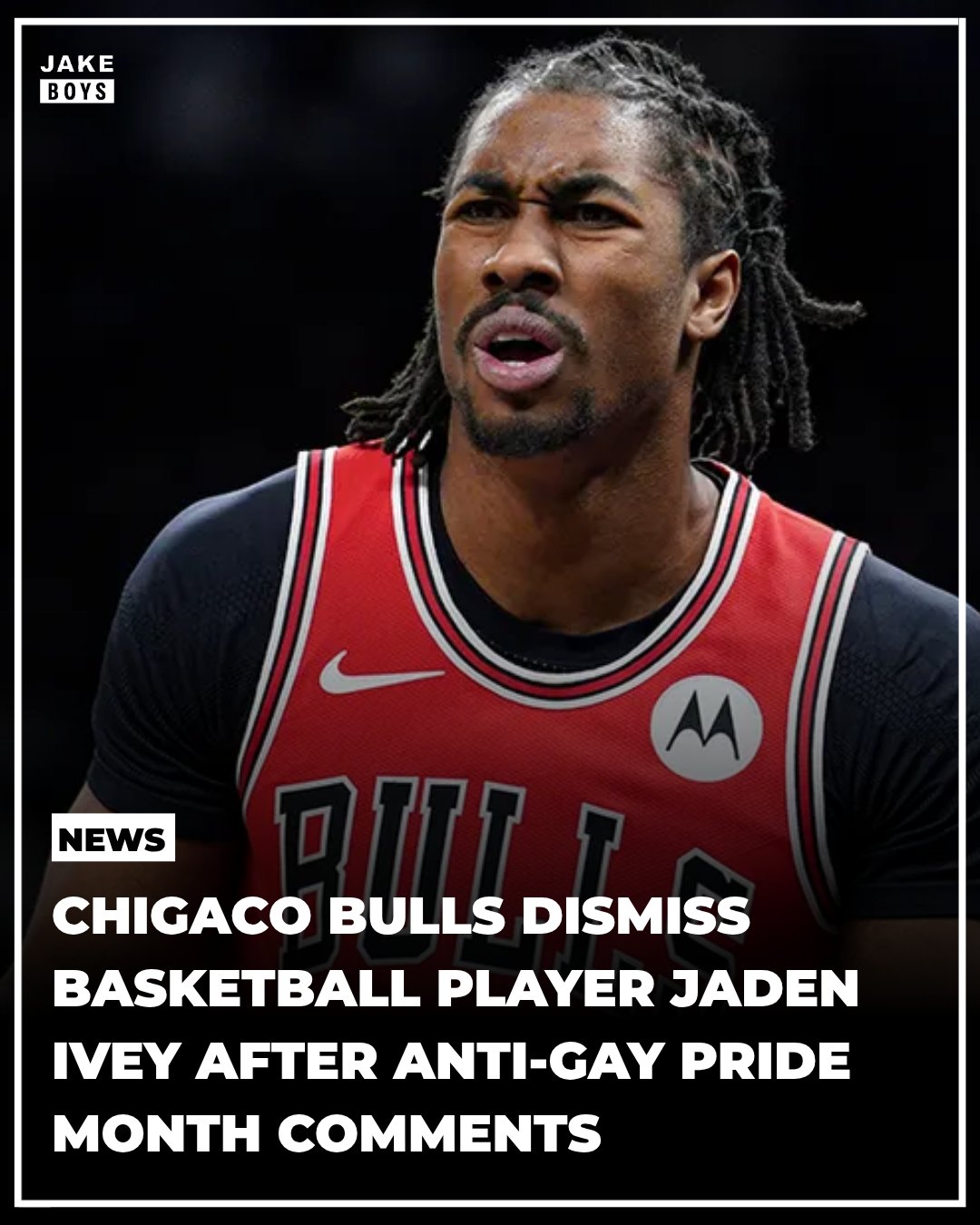 0 Comments 0 Shares 97 Views 0 Reviews
3
0 Comments 0 Shares 97 Views 0 Reviews
3
-
Actor Michael Imperioli put Adam Sandler's pal Rob Schneider in a body bag after Schneider called for the U.S. to reinstate the military draft amid the escalating conflict with Iran — despite never having served himself.
Schneider recently argued that all Americans should complete two years of mandatory service at age 18, saying it would promote unity, discipline, and patriotism. But the proposal quickly sparked backlash, with critics pointing out the reality of sending young people into a war zone.
Imperioli’s response cut straight through the debate with sharp sarcasm, suggesting Schneider himself should be the one sent — highlighting a broader criticism often raised in these discussions: the loudest voices calling for war or conscription are rarely the ones expected to fight it.
The exchange is fueling a wider conversation about accountability, privilege, and who actually bears the cost of war — especially as talk of a draft resurfaces during an active conflict.Actor Michael Imperioli put Adam Sandler's pal Rob Schneider in a body bag after Schneider called for the U.S. to reinstate the military draft amid the escalating conflict with Iran — despite never having served himself. Schneider recently argued that all Americans should complete two years of mandatory service at age 18, saying it would promote unity, discipline, and patriotism. But the proposal quickly sparked backlash, with critics pointing out the reality of sending young people into a war zone. Imperioli’s response cut straight through the debate with sharp sarcasm, suggesting Schneider himself should be the one sent — highlighting a broader criticism often raised in these discussions: the loudest voices calling for war or conscription are rarely the ones expected to fight it. The exchange is fueling a wider conversation about accountability, privilege, and who actually bears the cost of war — especially as talk of a draft resurfaces during an active conflict.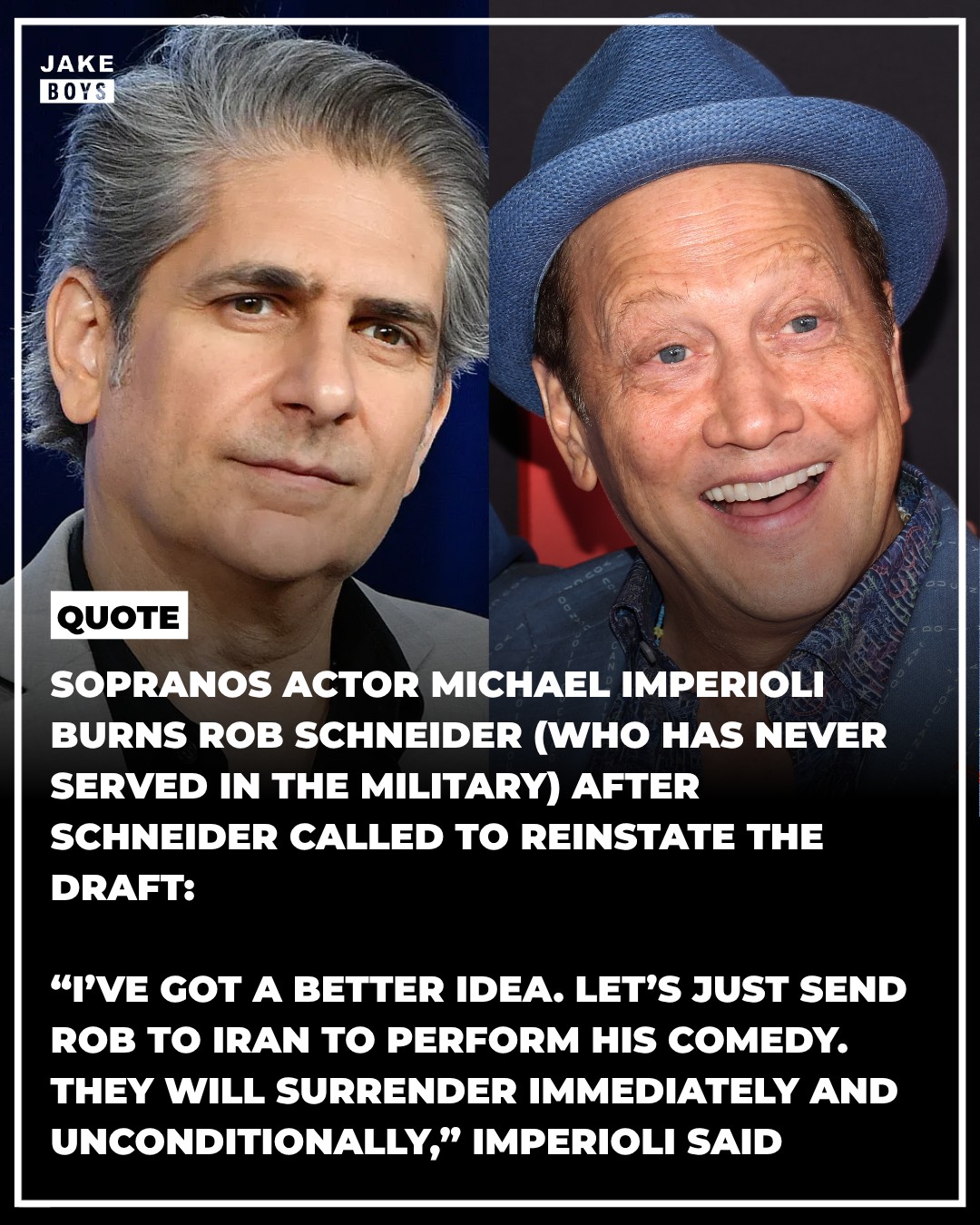 0 Comments 0 Shares 179 Views 0 Reviews
3
0 Comments 0 Shares 179 Views 0 Reviews
3
-
President Donald Trump caused a stir on social media with a post telling the United Kingdom and other allies to “secure the Strait of Hormuz yourself” amid ongoing tensions with Iran. In his post on Truth Social, Trump argued that the U.S. would no longer intervene directly and suggested allies either buy oil from the United States or take military action themselves: “Build up some delayed courage, go to the Strait, and just TAKE IT.”
Trump also criticized France for being “VERY UNHELPFUL” over denying military overflight permissions and warned that the U.S. would “REMEMBER!!!” his words, signaling frustration with traditional allies.
The Strait of Hormuz is a critical global shipping lane, carrying roughly 20% of the world’s oil supply, and its partial closure has already driven up energy prices worldwide. Analysts say Trump’s post underscores growing tensions in international energy politics and raises questions about U.S. commitments to its allies during the escalating Iran conflict.President Donald Trump caused a stir on social media with a post telling the United Kingdom and other allies to “secure the Strait of Hormuz yourself” amid ongoing tensions with Iran. In his post on Truth Social, Trump argued that the U.S. would no longer intervene directly and suggested allies either buy oil from the United States or take military action themselves: “Build up some delayed courage, go to the Strait, and just TAKE IT.” Trump also criticized France for being “VERY UNHELPFUL” over denying military overflight permissions and warned that the U.S. would “REMEMBER!!!” his words, signaling frustration with traditional allies. The Strait of Hormuz is a critical global shipping lane, carrying roughly 20% of the world’s oil supply, and its partial closure has already driven up energy prices worldwide. Analysts say Trump’s post underscores growing tensions in international energy politics and raises questions about U.S. commitments to its allies during the escalating Iran conflict.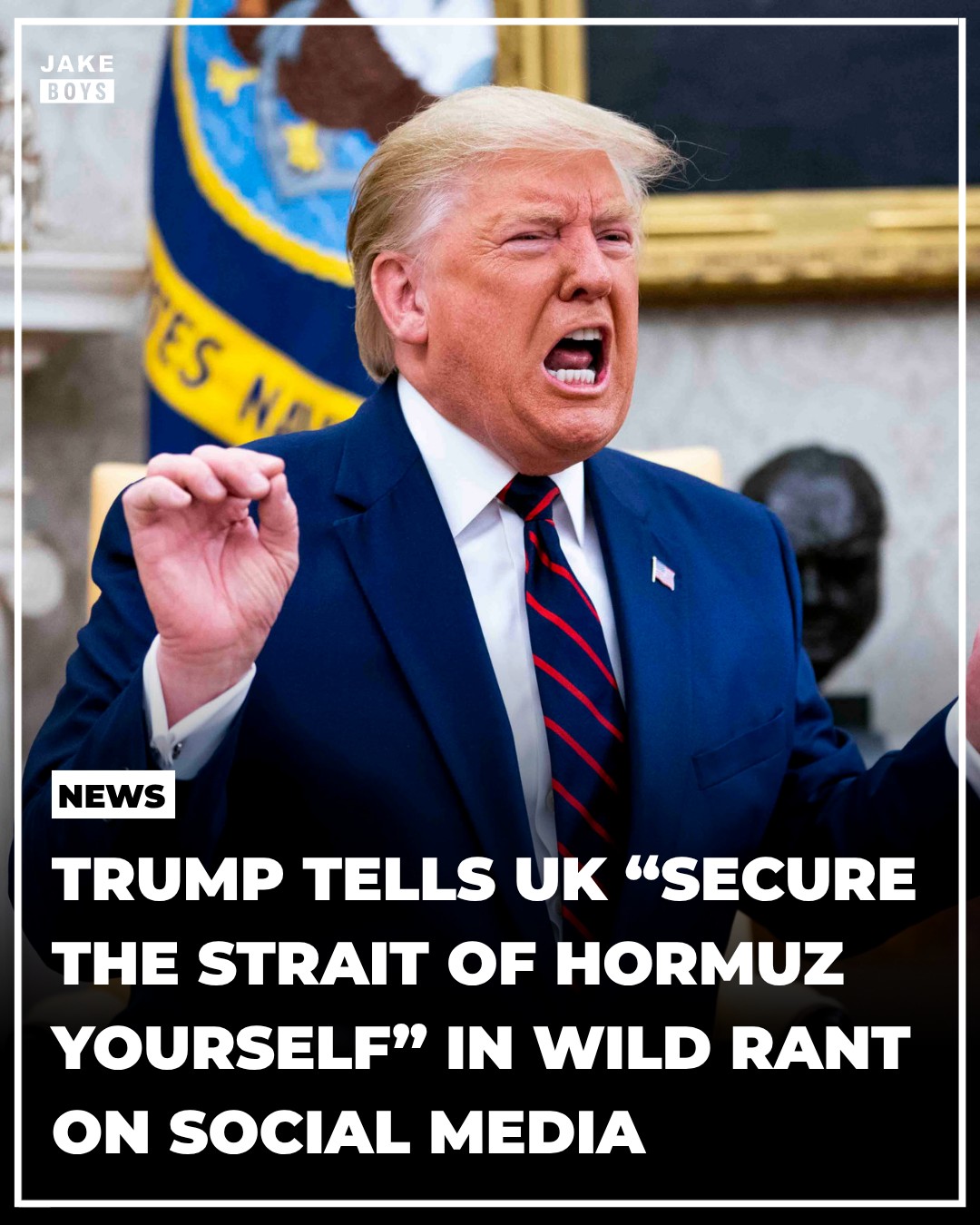 0 Comments 0 Shares 342 Views 0 Reviews
3
0 Comments 0 Shares 342 Views 0 Reviews
3
-
Court filings in the high‑profile murder case of conservative activist Charlie Kirk are now raising major unanswered questions about the forensic evidence — and the defense is spotlighting a potentially explosive detail. According to recent legal documents, the bullet recovered from Kirk’s body couldn’t be definitively linked to the rifle prosecutors say was used by the accused shooter, Tyler Robinson. That claim comes from the Bureau of Alcohol, Tobacco, Firearms and Explosives, which told defense lawyers it was unable to make a ballistic match between the fatal round and the rifle allegedly tied to Robinson.
Robinson, 22, is facing capital murder charges in Kirk’s killing at Utah Valley University in September 2025, and prosecutors have sought the death penalty. But this new twist — that the key piece of physical evidence may not conclusively connect him to the weapon — is now central to the defense’s push to delay the preliminary hearing and bring in additional experts to review the ballistic data.Court filings in the high‑profile murder case of conservative activist Charlie Kirk are now raising major unanswered questions about the forensic evidence — and the defense is spotlighting a potentially explosive detail. According to recent legal documents, the bullet recovered from Kirk’s body couldn’t be definitively linked to the rifle prosecutors say was used by the accused shooter, Tyler Robinson. That claim comes from the Bureau of Alcohol, Tobacco, Firearms and Explosives, which told defense lawyers it was unable to make a ballistic match between the fatal round and the rifle allegedly tied to Robinson. Robinson, 22, is facing capital murder charges in Kirk’s killing at Utah Valley University in September 2025, and prosecutors have sought the death penalty. But this new twist — that the key piece of physical evidence may not conclusively connect him to the weapon — is now central to the defense’s push to delay the preliminary hearing and bring in additional experts to review the ballistic data.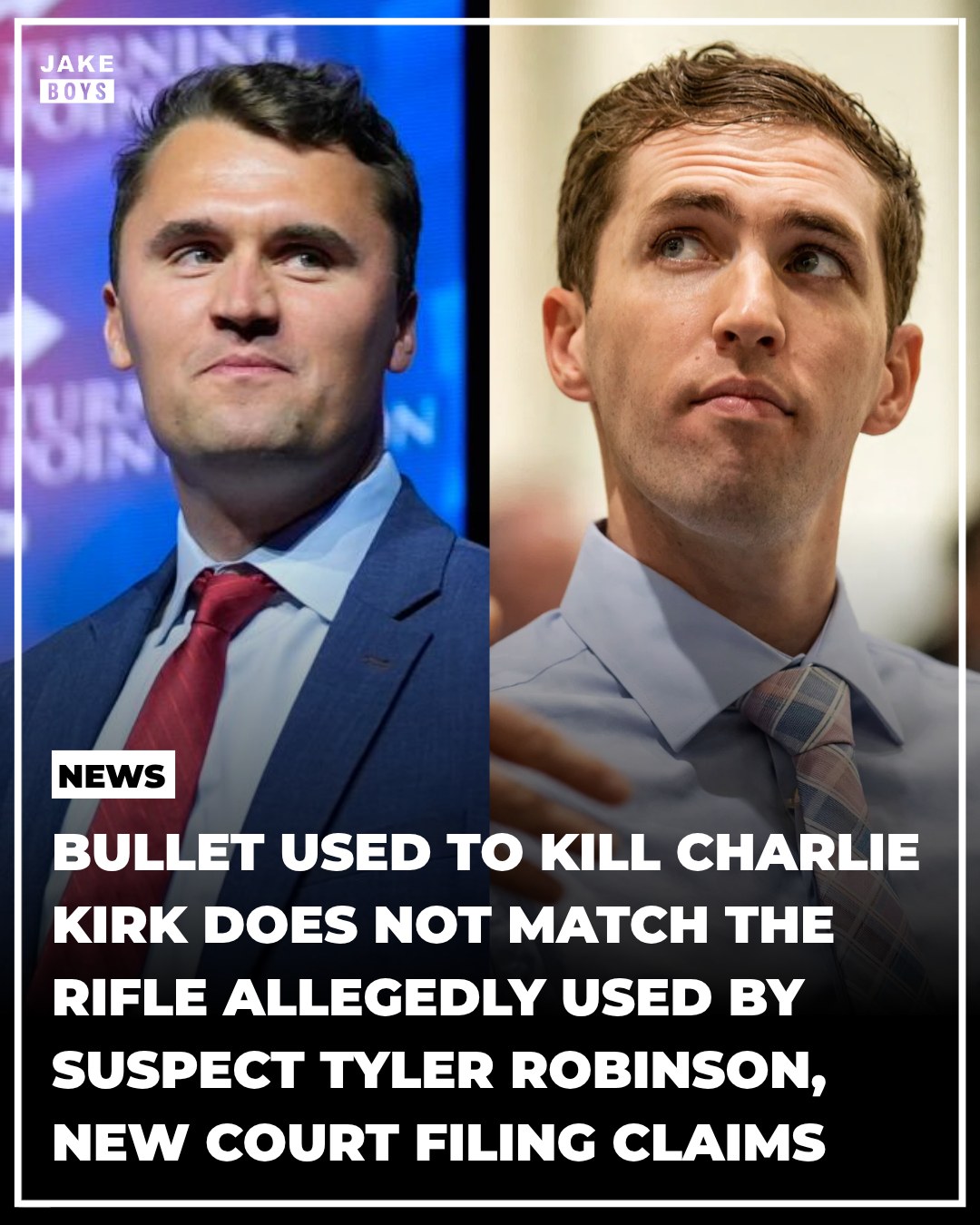 0 Comments 0 Shares 241 Views 0 Reviews
3
0 Comments 0 Shares 241 Views 0 Reviews
3
-
Spanish MEP Irene Montero just issued one of the most forceful critiques yet from a European political leader about the ongoing war in Gaza and Western support for Israel. She warned that “if we do not stop Israel in time, it will do to the whole world what it has already done to Palestinians” — tying the violence and humanitarian catastrophe in occupied Palestinian territories to a broader warning about unchecked militarism and power.
Montero has repeatedly called for Europe to break its diplomatic silence and impose sanctions or isolation on Israel and its key backers, including the U.S., over what she describes as genocide and terror. Her statements reflect a sector of progressive opinion that sees the international response to the war as deeply hypocritical — especially given Western governments’ reluctance to sanction Israel despite documented displacement, civilian deaths, and concerns flagged by U.N. human rights experts about violations of international law.
Whether one agrees or not, this rhetoric directly challenges mainstream European foreign‑policy consensus and is fueling a heated trans‑Atlantic debate about war, human rights, and the limits of Western military alliances. It’s stirring strong reactions from activists on both sides, and could become a flashpoint in how European progressives frame opposition to U.S.–linked military power globally.Spanish MEP Irene Montero just issued one of the most forceful critiques yet from a European political leader about the ongoing war in Gaza and Western support for Israel. She warned that “if we do not stop Israel in time, it will do to the whole world what it has already done to Palestinians” — tying the violence and humanitarian catastrophe in occupied Palestinian territories to a broader warning about unchecked militarism and power. Montero has repeatedly called for Europe to break its diplomatic silence and impose sanctions or isolation on Israel and its key backers, including the U.S., over what she describes as genocide and terror. Her statements reflect a sector of progressive opinion that sees the international response to the war as deeply hypocritical — especially given Western governments’ reluctance to sanction Israel despite documented displacement, civilian deaths, and concerns flagged by U.N. human rights experts about violations of international law. Whether one agrees or not, this rhetoric directly challenges mainstream European foreign‑policy consensus and is fueling a heated trans‑Atlantic debate about war, human rights, and the limits of Western military alliances. It’s stirring strong reactions from activists on both sides, and could become a flashpoint in how European progressives frame opposition to U.S.–linked military power globally. 0 Comments 0 Shares 375 Views 0 Reviews
3
0 Comments 0 Shares 375 Views 0 Reviews
3
More Stories

 Language
 VN
VN
 French
 Spanish
 Portuguese
 Deutsch
 Turkish
 Dutch
Dutch
 Italiano
 Russian
 Romaian
 Portuguese (Brazil)
 Greek
Greek
 Arabic