


-
Batman makes history on Hollywood Boulevard!
In 2024, Batman became the first superhero ever to receive a star on the Hollywood Walk of Fame. The dedication ceremony was held on September 26, 2024, at 6764 Hollywood Boulevard, right in front of the Guinness World Records Museum. His star marked the 2,790th addition to the iconic sidewalk.
According to Guinness World Records, the honor also earned Batman a record title as the only superhero with a star on the Walk of Fame. Since his debut in 1939, the Dark Knight has shaped global pop culture through comics, TV shows, animation, and blockbuster films — inspiring generations for over 85 years.Batman makes history on Hollywood Boulevard! In 2024, Batman became the first superhero ever to receive a star on the Hollywood Walk of Fame. The dedication ceremony was held on September 26, 2024, at 6764 Hollywood Boulevard, right in front of the Guinness World Records Museum. His star marked the 2,790th addition to the iconic sidewalk. According to Guinness World Records, the honor also earned Batman a record title as the only superhero with a star on the Walk of Fame. Since his debut in 1939, the Dark Knight has shaped global pop culture through comics, TV shows, animation, and blockbuster films — inspiring generations for over 85 years.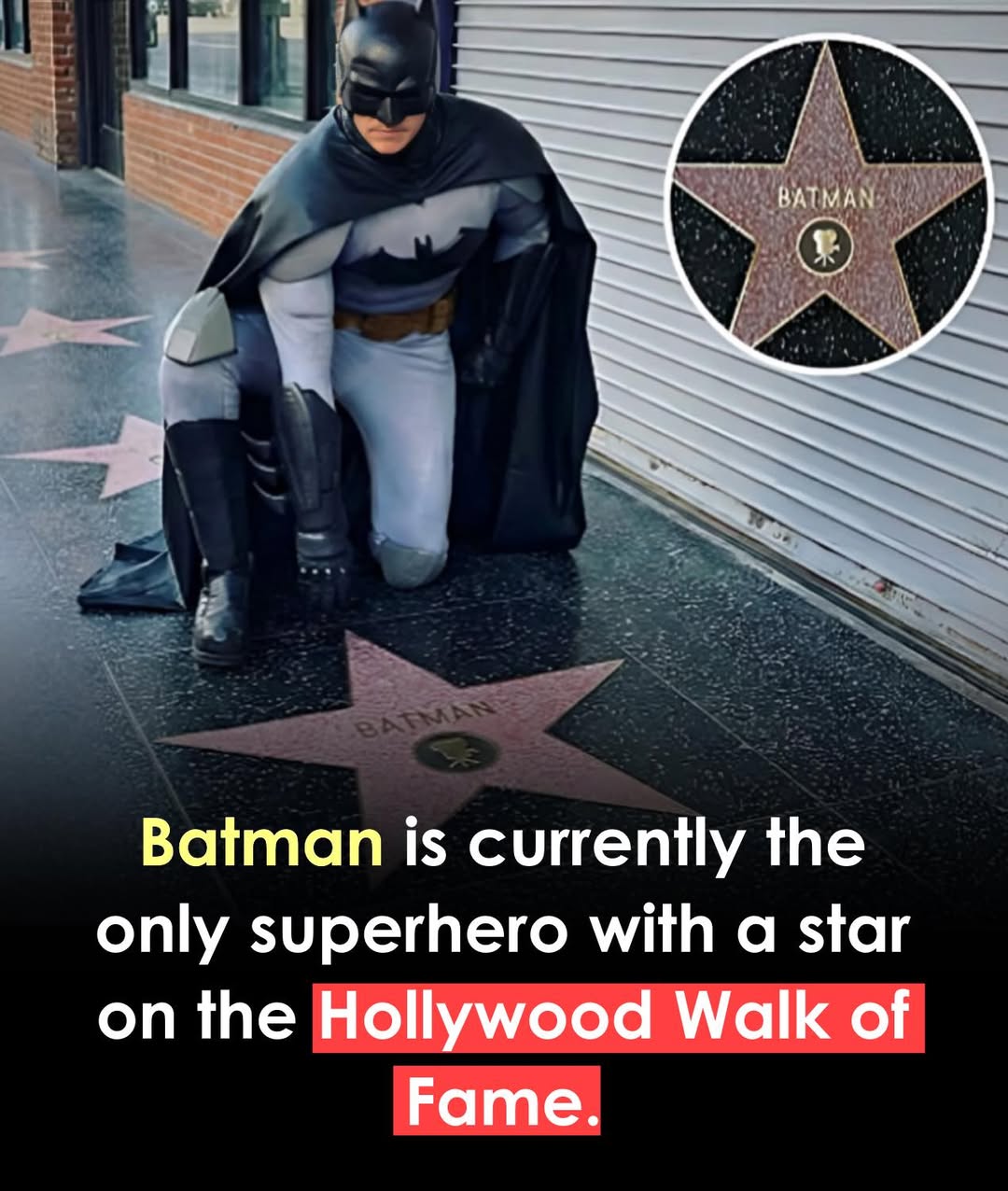 0 Comments 0 Shares 54 Views 0 Reviews
 3
3
-
Former South Korean President Yoon Suk Yeol has been sentenced to life in prison following his controversial declaration of martial law in December 2024 — a move that shocked both South Korea and the international community.
Yoon Suk Yeol, who served as president of South Korea from 2022 until his removal from office, declared emergency martial law powers in early December 2024 amid escalating political tensions, mass protests, and deepening gridlock with the opposition-controlled National Assembly. The declaration temporarily placed the military in charge of key aspects of governance, restricted certain civil liberties, and imposed limits on public assembly and media operations.
Critics accused Yoon of overstepping constitutional limits, arguing that the security situation did not justify such extreme measures. Opposition lawmakers and civil society groups described the move as an attempt to consolidate power and suppress dissent during a period of declining approval ratings and mounting political pressure. Large-scale protests erupted in Seoul and other major cities, with demonstrators calling the declaration unconstitutional and demanding his resignation.
South Korea’s Constitutional Court later ruled that the imposition of martial law violated democratic safeguards enshrined in the country’s post-1987 constitutional order — reforms that were themselves born out of decades of authoritarian rule and public struggle for democratic freedoms. The National Assembly voted to impeach him, and following his removal from office, prosecutors launched a criminal investigation into charges including abuse of power and violation of constitutional procedures.
After months of legal proceedings, the court ultimately sentenced Yoon to life imprisonment, concluding that his actions represented a grave breach of constitutional authority and undermined democratic governance. Supporters have argued that he acted in response to what he characterized as a national security crisis, while critics maintain the move was politically motivated and dangerous.
The case marks one of the most dramatic political downfalls in modern South Korean history — in a country that has previously seen former presidents investigated, impeached, and imprisoned, underscoring both the volatility of its politics and the strength of its judicial institutions.
The sentencing is likely to have lasting implications for South Korea’s political landscape, civil-military relations, and the broader debate about executive power in times of crisis.Former South Korean President Yoon Suk Yeol has been sentenced to life in prison following his controversial declaration of martial law in December 2024 — a move that shocked both South Korea and the international community. Yoon Suk Yeol, who served as president of South Korea from 2022 until his removal from office, declared emergency martial law powers in early December 2024 amid escalating political tensions, mass protests, and deepening gridlock with the opposition-controlled National Assembly. The declaration temporarily placed the military in charge of key aspects of governance, restricted certain civil liberties, and imposed limits on public assembly and media operations. Critics accused Yoon of overstepping constitutional limits, arguing that the security situation did not justify such extreme measures. Opposition lawmakers and civil society groups described the move as an attempt to consolidate power and suppress dissent during a period of declining approval ratings and mounting political pressure. Large-scale protests erupted in Seoul and other major cities, with demonstrators calling the declaration unconstitutional and demanding his resignation. South Korea’s Constitutional Court later ruled that the imposition of martial law violated democratic safeguards enshrined in the country’s post-1987 constitutional order — reforms that were themselves born out of decades of authoritarian rule and public struggle for democratic freedoms. The National Assembly voted to impeach him, and following his removal from office, prosecutors launched a criminal investigation into charges including abuse of power and violation of constitutional procedures. After months of legal proceedings, the court ultimately sentenced Yoon to life imprisonment, concluding that his actions represented a grave breach of constitutional authority and undermined democratic governance. Supporters have argued that he acted in response to what he characterized as a national security crisis, while critics maintain the move was politically motivated and dangerous. The case marks one of the most dramatic political downfalls in modern South Korean history — in a country that has previously seen former presidents investigated, impeached, and imprisoned, underscoring both the volatility of its politics and the strength of its judicial institutions. The sentencing is likely to have lasting implications for South Korea’s political landscape, civil-military relations, and the broader debate about executive power in times of crisis.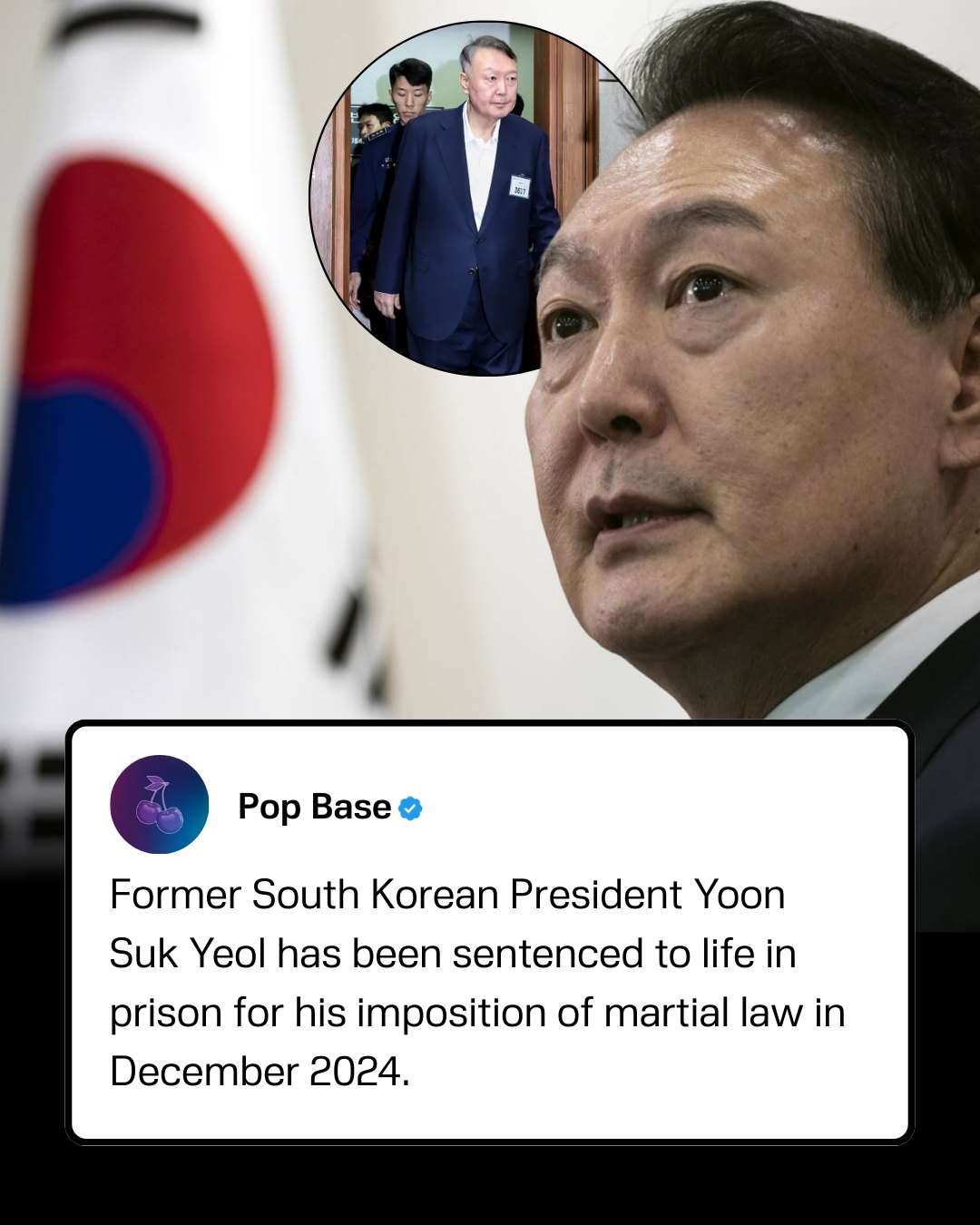 0 Comments 0 Shares 20 Views 0 Reviews
3
0 Comments 0 Shares 20 Views 0 Reviews
3



More Stories

 Language
 VN
VN
 French
 Spanish
 Portuguese
 Deutsch
 Turkish
 Dutch
Dutch
 Italiano
 Russian
 Romaian
 Portuguese (Brazil)
 Greek
Greek
 Arabic