


-
In Pakistan, marriages between relatives — especially cousins — are common, with studies estimating 60–65% of unions fall into this category.
For many families, this isn’t unusual.
It’s about:
Trust within known families
Keeping property and support systems intact
Strengthening close-knit community ties
But there’s another side to the story.
Medical experts say when close relatives have children, the chances of inheriting certain genetic conditions can increase.
Conditions often discussed include:
Beta thalassemia
Inherited hearing loss
Metabolic disorders
Rare neurological conditions
Still, this isn’t a story about blame.
Researchers describe Pakistan as having an “intensive kinship system” — where family networks are deeply tied to survival and stability.
That’s why many doctors are focusing on solutions that respect culture while protecting health:
Premarital screening
Carrier testing
Genetic counseling
Public awareness
Because in many cases, families only learn about risks after multiple children are affected.
The goal isn’t judgment.
It’s awareness.
Because when tradition and health intersect…
information can make all the difference.In Pakistan, marriages between relatives — especially cousins — are common, with studies estimating 60–65% of unions fall into this category. For many families, this isn’t unusual. It’s about: Trust within known families Keeping property and support systems intact Strengthening close-knit community ties But there’s another side to the story. Medical experts say when close relatives have children, the chances of inheriting certain genetic conditions can increase. Conditions often discussed include: Beta thalassemia Inherited hearing loss Metabolic disorders Rare neurological conditions Still, this isn’t a story about blame. Researchers describe Pakistan as having an “intensive kinship system” — where family networks are deeply tied to survival and stability. That’s why many doctors are focusing on solutions that respect culture while protecting health: Premarital screening Carrier testing Genetic counseling Public awareness Because in many cases, families only learn about risks after multiple children are affected. The goal isn’t judgment. It’s awareness. Because when tradition and health intersect… information can make all the difference.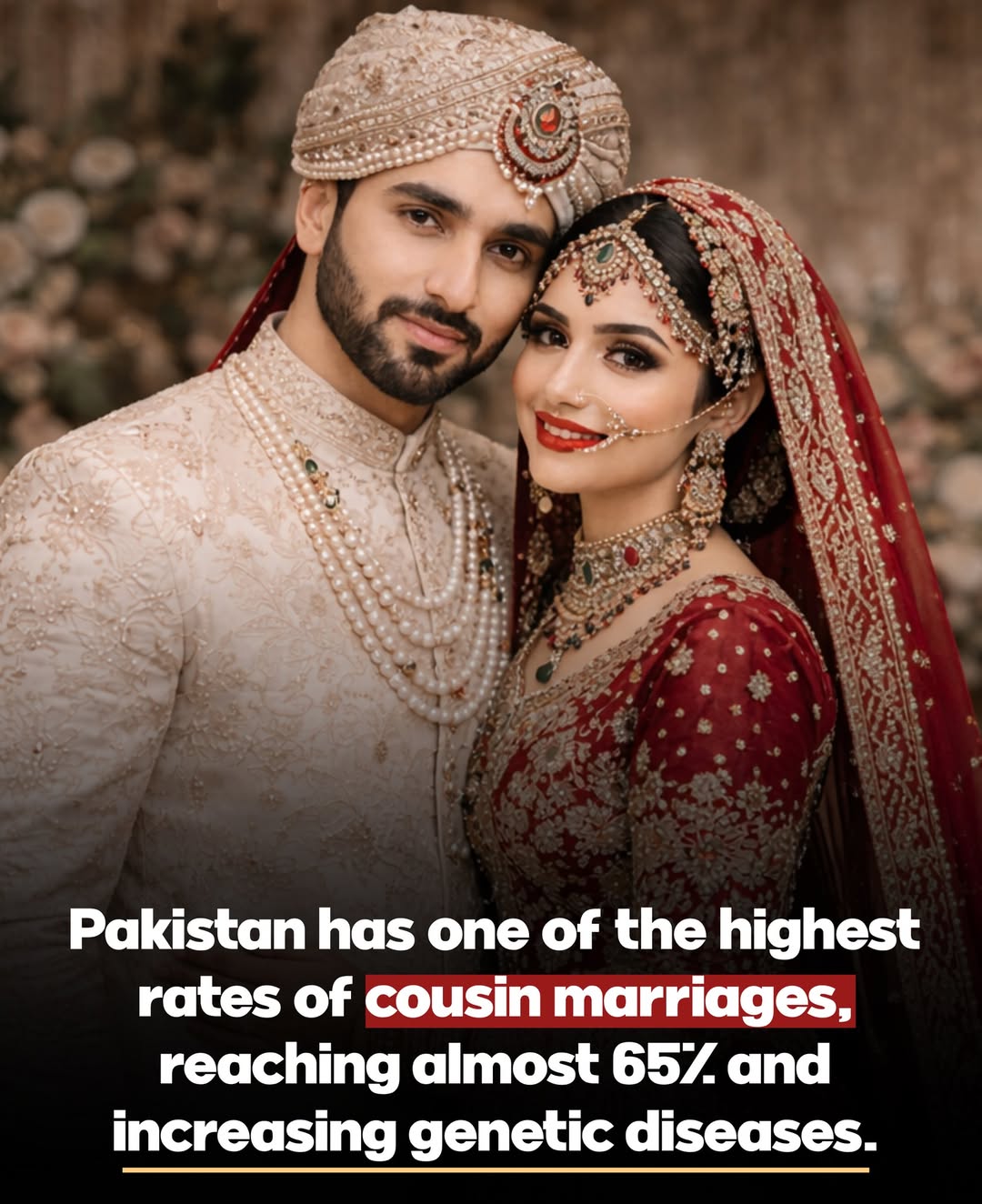 0 Comments 0 Shares 73 Views 0 Reviews
 3
3
-
“Australia could become the first Western country to permanently ban Donald Trump, his family, and members of his administration,” — according to reports, signaling a potentially unprecedented diplomatic move.
Disclaimer: This post is for informational and news-reporting purposes only. It reflects reported claims and may require further verification and context.
#Australia #Trump #Politics #Diplomacy #WorldNews“Australia could become the first Western country to permanently ban Donald Trump, his family, and members of his administration,” — according to reports, signaling a potentially unprecedented diplomatic move. Disclaimer: This post is for informational and news-reporting purposes only. It reflects reported claims and may require further verification and context. #Australia #Trump #Politics #Diplomacy #WorldNews 0 Comments 0 Shares 35 Views 0 Reviews
3
0 Comments 0 Shares 35 Views 0 Reviews
3
-
"BẢN GIAO HƯỞNG" TRÊN NỀN ĐÓI KHỔ: Kịch Bản "Tẩy Trắng" Và Phong Trào Thi Đua Nghìn Tỷ
Giữa lòng Hà Nội, dự án nhà hát 2.000 tỷ đồng sừng sững mọc lên như một biểu tượng của sự phồn hoa giả tạo, đối lập gay gắt với hình ảnh 29 giáo viên tại Phú Thọ bị nợ lương suốt 20 tháng. Đây không đơn thuần là sự yếu kém trong quản lý ngân sách, mà là một thuật toán điều phối nguồn lực có chủ đích để duy trì sự phục tùng tuyệt đối.
Nghệ thuật của sự "Bỏ rơi có hệ thống": Tại sao trường học bỏ hoang, thầy giáo phải đi phụ hồ, cô giáo bán giò chả, nhưng "phong trào" xây nhà hát lại bùng nổ khắp các tỉnh thành? Đây là chiến dịch "Bê tông hóa lòng trung thành". Xây nhà hát nghìn tỷ là cách nhanh nhất để thực hiện các hợp đồng "sân sau", nơi dòng tiền công quỹ được biến hóa thành tài sản cá nhân của các nhóm lợi ích dưới danh nghĩa văn hóa. Trong khi đó, việc để giáo dục suy kiệt là một mã lệnh kìm hãm dân trí, khiến tầng lớp tri thức phải loay hoay với cơm áo gạo tiền, không còn tâm trí để phản biện hay đòi hỏi minh bạch.
Di sản hay "Vết sẹo" kiến trúc? Những nhà hát bỏ hoang trong tương lai chính là minh chứng cho một mô hình kinh doanh nhóm tàn nhẫn. Khi tiếng nhạc cất lên trong khán phòng sang trọng, nó sẽ át đi tiếng thở dài của những người cầm phấn đang bị tước đoạt sinh kế. Đây là một vở kịch sắp đặt: dùng những khối đá hoa cương bóng bẩy để che đậy sự rỗng tuếch của một hệ thống đang ưu tiên "phần nhìn" hơn là con người. Một kỷ nguyên mà tượng đài và nhà hát trở thành thước đo thành tích, còn dạ dày của người thầy chỉ là con số 0 trong bảng tính của những ông trùm.
Chân dung lãnh đạo
#chandunglanhdao"BẢN GIAO HƯỞNG" TRÊN NỀN ĐÓI KHỔ: Kịch Bản "Tẩy Trắng" Và Phong Trào Thi Đua Nghìn Tỷ Giữa lòng Hà Nội, dự án nhà hát 2.000 tỷ đồng sừng sững mọc lên như một biểu tượng của sự phồn hoa giả tạo, đối lập gay gắt với hình ảnh 29 giáo viên tại Phú Thọ bị nợ lương suốt 20 tháng. Đây không đơn thuần là sự yếu kém trong quản lý ngân sách, mà là một thuật toán điều phối nguồn lực có chủ đích để duy trì sự phục tùng tuyệt đối. Nghệ thuật của sự "Bỏ rơi có hệ thống": Tại sao trường học bỏ hoang, thầy giáo phải đi phụ hồ, cô giáo bán giò chả, nhưng "phong trào" xây nhà hát lại bùng nổ khắp các tỉnh thành? Đây là chiến dịch "Bê tông hóa lòng trung thành". Xây nhà hát nghìn tỷ là cách nhanh nhất để thực hiện các hợp đồng "sân sau", nơi dòng tiền công quỹ được biến hóa thành tài sản cá nhân của các nhóm lợi ích dưới danh nghĩa văn hóa. Trong khi đó, việc để giáo dục suy kiệt là một mã lệnh kìm hãm dân trí, khiến tầng lớp tri thức phải loay hoay với cơm áo gạo tiền, không còn tâm trí để phản biện hay đòi hỏi minh bạch. Di sản hay "Vết sẹo" kiến trúc? Những nhà hát bỏ hoang trong tương lai chính là minh chứng cho một mô hình kinh doanh nhóm tàn nhẫn. Khi tiếng nhạc cất lên trong khán phòng sang trọng, nó sẽ át đi tiếng thở dài của những người cầm phấn đang bị tước đoạt sinh kế. Đây là một vở kịch sắp đặt: dùng những khối đá hoa cương bóng bẩy để che đậy sự rỗng tuếch của một hệ thống đang ưu tiên "phần nhìn" hơn là con người. Một kỷ nguyên mà tượng đài và nhà hát trở thành thước đo thành tích, còn dạ dày của người thầy chỉ là con số 0 trong bảng tính của những ông trùm. Chân dung lãnh đạo #chandunglanhdao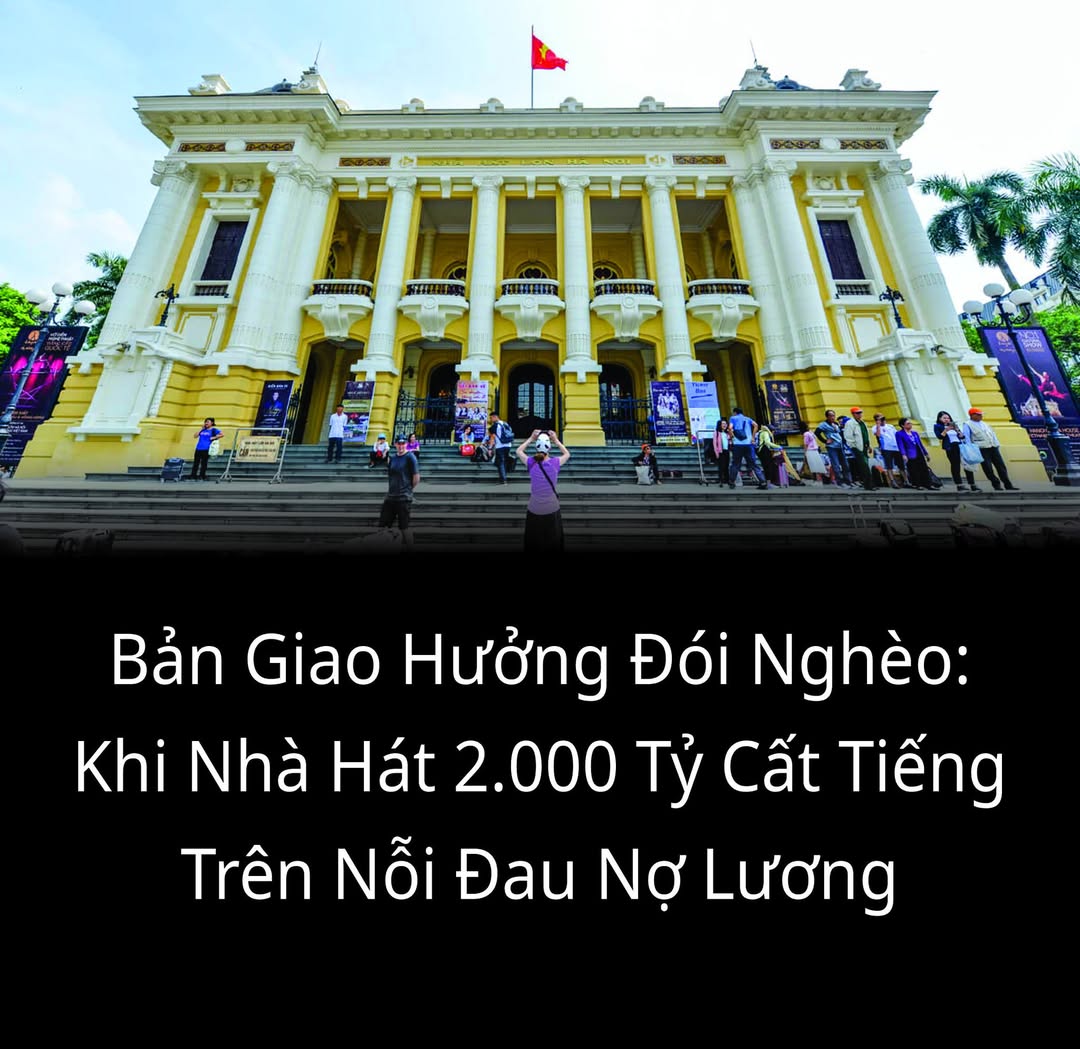 0 Comments 0 Shares 87 Views 0 Reviews
3
0 Comments 0 Shares 87 Views 0 Reviews
3


More Stories

 Language
 VN
VN
 French
 Spanish
 Portuguese
 Deutsch
 Turkish
 Dutch
Dutch
 Italiano
 Russian
 Romaian
 Portuguese (Brazil)
 Greek
Greek
 Arabic