
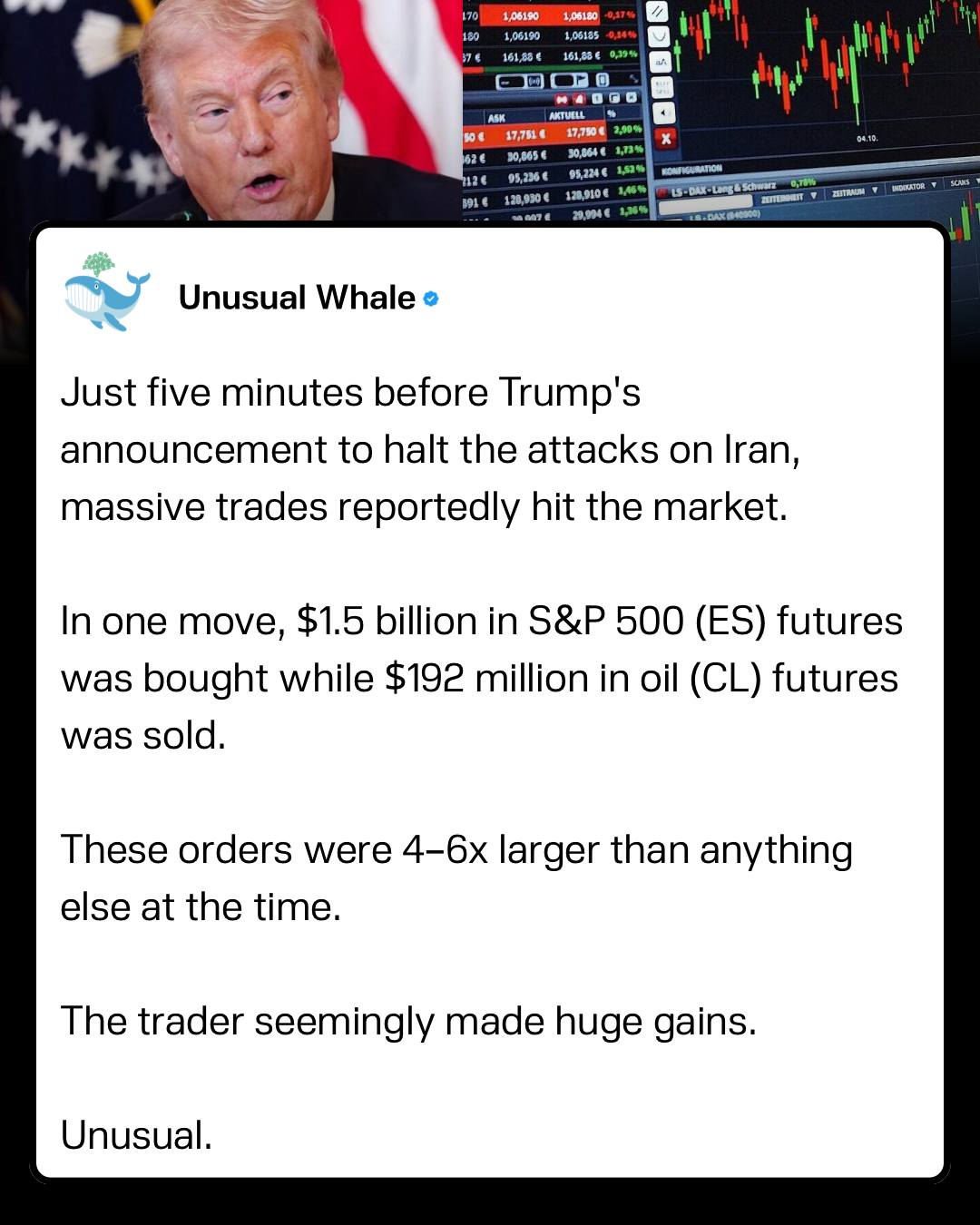
• Just minutes before President Donald Trump’s announcement to halt strikes on Iran, a series of unusually large trades hit the market—raising eyebrows among traders.

    In simple terms: someone placed a $1.5 billion bet that the stock market would go up (buying S&P 500 futures), while at the same time making a $192 million bet that oil prices would fall (selling oil futures).

    Why that matters: when tensions ease or war fears drop, stocks typically rise and oil prices fall—because markets expect less disruption to the global economy and energy supply.

    What stands out is the timing and size. These trades were reportedly 4–6 times larger than anything else happening at that moment, and they came just minutes before news that would move markets in exactly that direction.

    The result? Whoever made those trades likely walked away with massive gains.

    Big money moves like this aren’t unusual on their own—but the timing is now prompting questions about whether it was a lucky bet… or something more.
    Just minutes before President Donald Trump’s announcement to halt strikes on Iran, a series of unusually large trades hit the market—raising eyebrows among traders. In simple terms: someone placed a $1.5 billion bet that the stock market would go up (buying S&P 500 futures), while at the same time making a $192 million bet that oil prices would fall (selling oil futures). Why that matters: when tensions ease or war fears drop, stocks typically rise and oil prices fall—because markets expect less disruption to the global economy and energy supply. What stands out is the timing and size. These trades were reportedly 4–6 times larger than anything else happening at that moment, and they came just minutes before news that would move markets in exactly that direction. The result? Whoever made those trades likely walked away with massive gains. Big money moves like this aren’t unusual on their own—but the timing is now prompting questions about whether it was a lucky bet… or something more.
    Like
    Love
    Wow
    3
    0 Commenti 0 condivisioni 541 Views 0 Anteprima
  • If you had the money—and you were a fan—would you buy this?

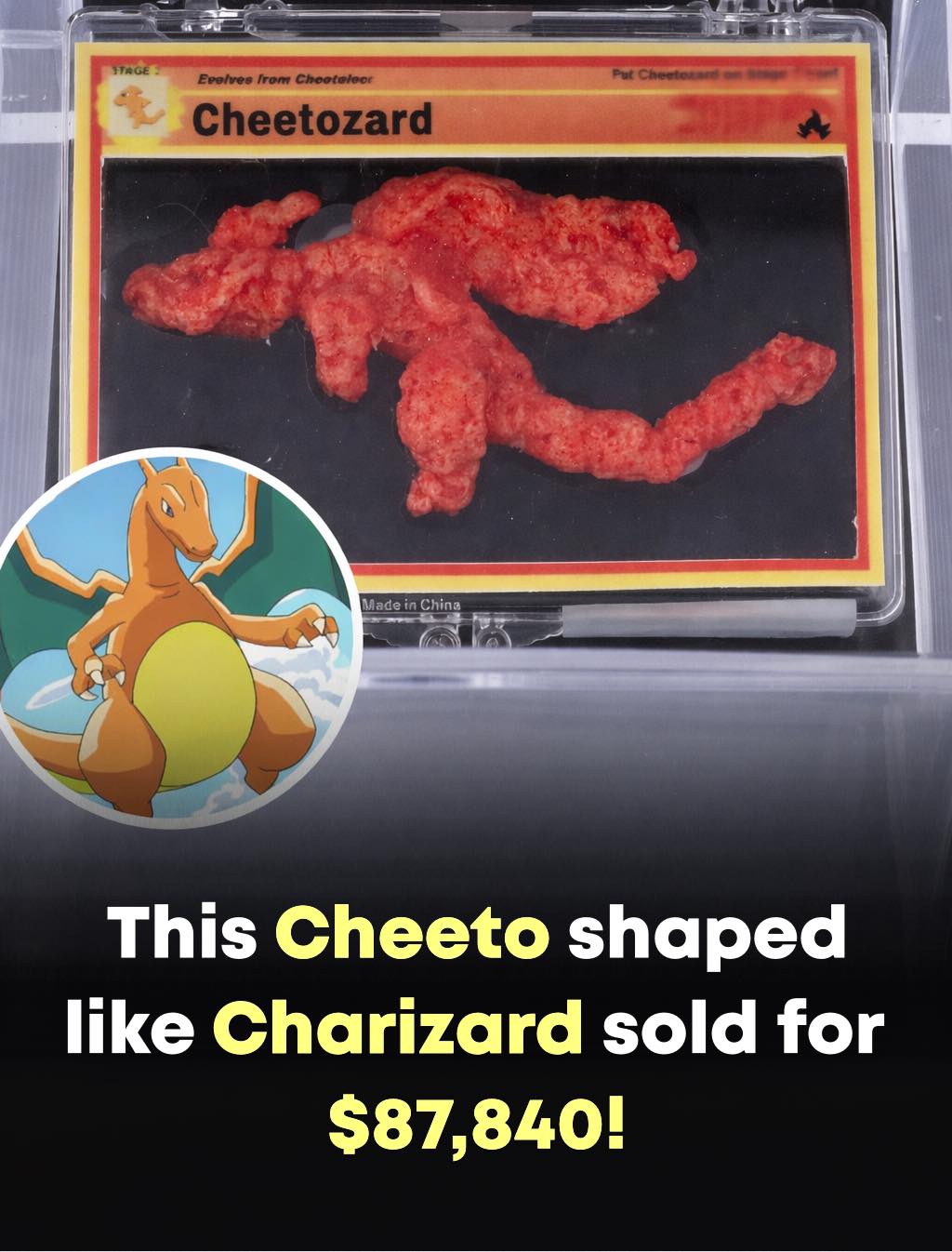
    Nicknamed “Cheetozard,” this 3-inch Flamin’ Hot Cheeto looks uncannily like Charizard from Pokémon. What started as a joke turned into a serious collectible, mounted like a trading card and auctioned for nearly $88,000.

    Discovered sometime between 2018 and 2022, it didn’t go viral until late 2024—proving even a snack can become a legend.
    If you had the money—and you were a fan—would you buy this? Nicknamed “Cheetozard,” this 3-inch Flamin’ Hot Cheeto looks uncannily like Charizard from Pokémon. What started as a joke turned into a serious collectible, mounted like a trading card and auctioned for nearly $88,000. Discovered sometime between 2018 and 2022, it didn’t go viral until late 2024—proving even a snack can become a legend.
    Like
    Love
    Wow
    3
    0 Commenti 0 condivisioni 244 Views 0 Anteprima
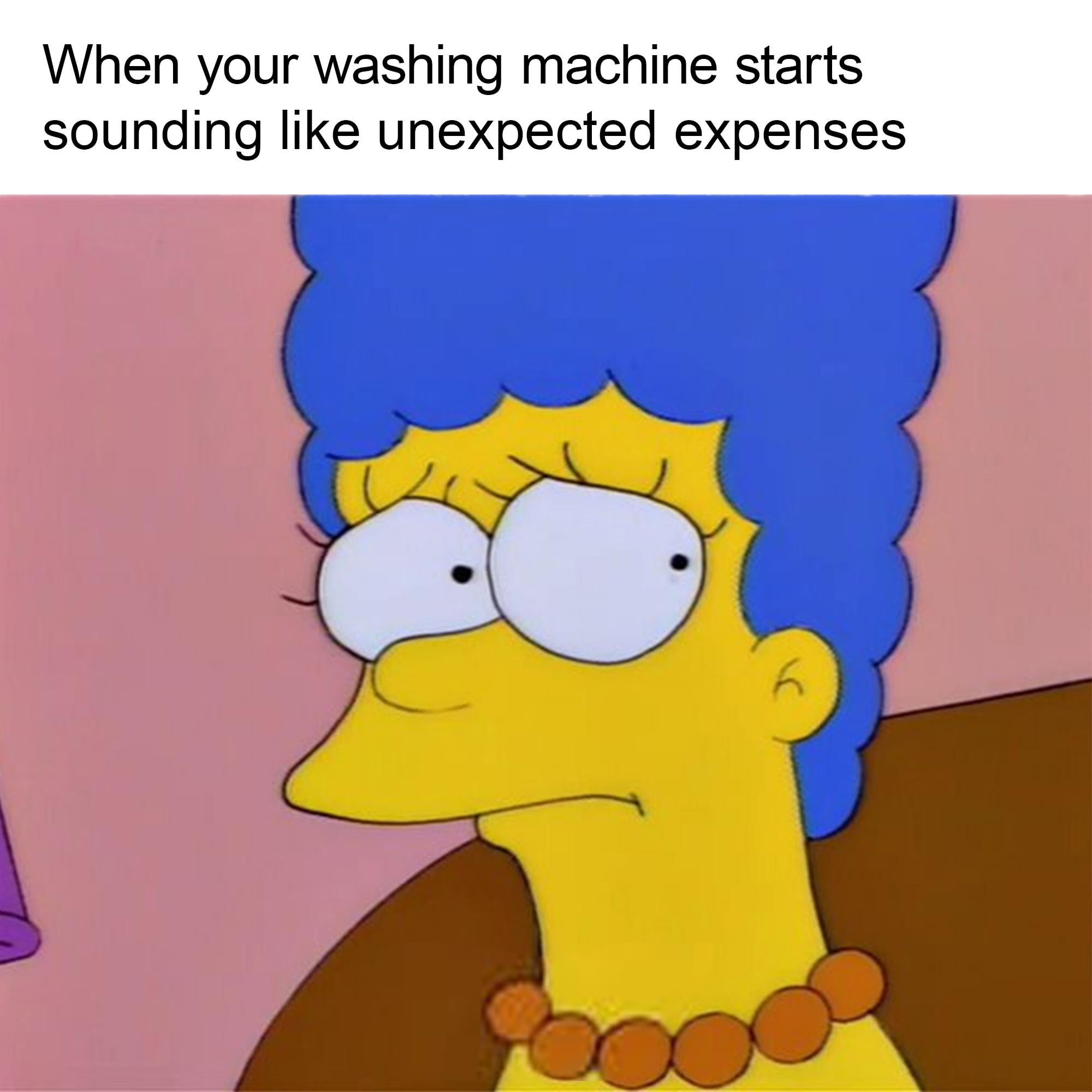
  • The washing machine always senses when you don't have money
    The washing machine always senses when you don't have money
    Like
    Love
    Wow
    3
    0 Commenti 0 condivisioni 21K Views 0 Anteprima
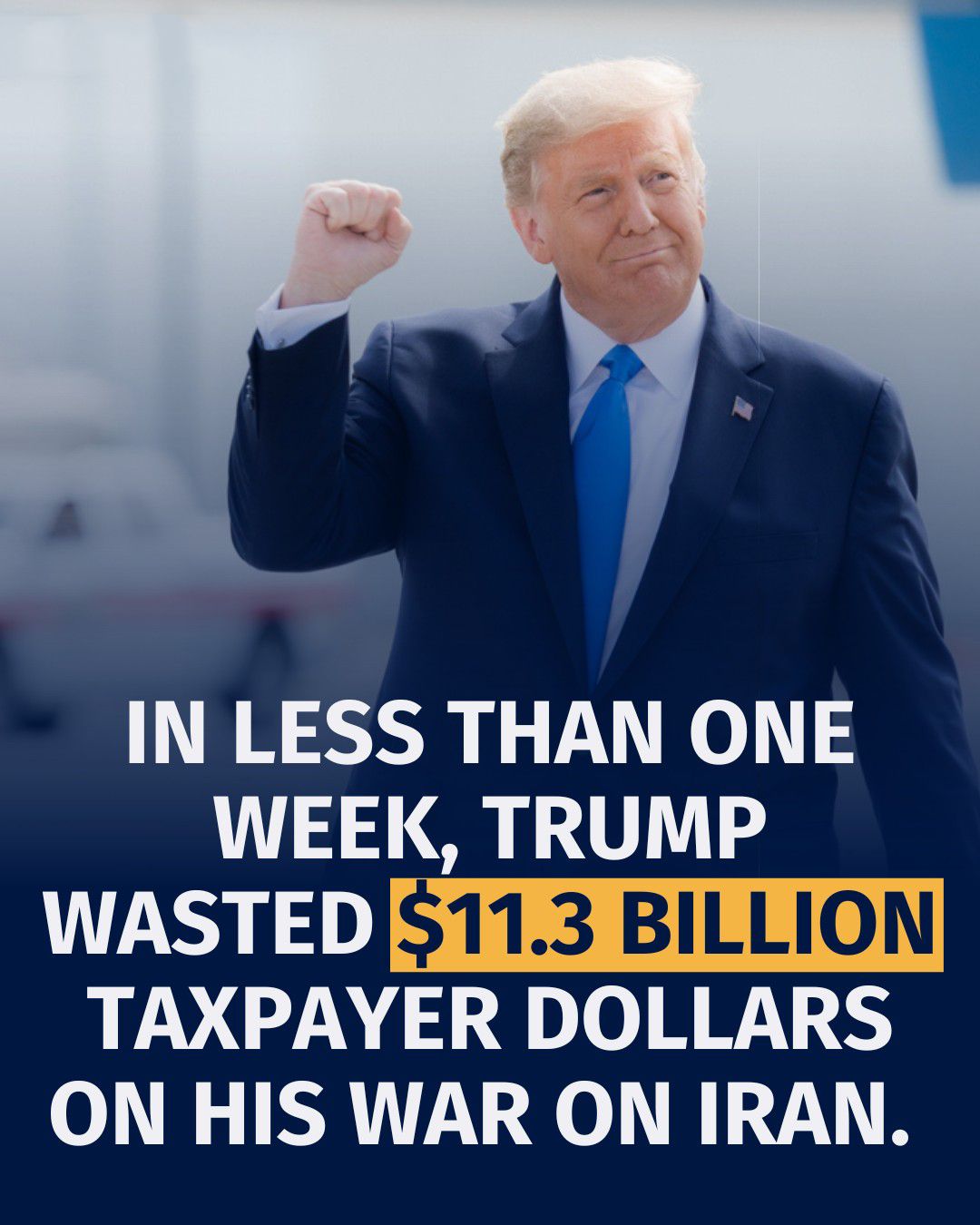
  • That amount of money could restore SNAP food assistance for 4 million Americans, fund universal pre-K education, and help build 100,000 housing units every year.

    Moments like this raise larger questions about national priorities and how public resources are allocated. Military spending, social programs, and infrastructure investments all compete for the same pool of funding, and decisions about where that money goes shape everyday life for millions of people.

    For some, the comparison highlights the potential impact of investing more in food security, early childhood education, and affordable housing. For others, it underscores the complex balance governments try to maintain between defense, economic stability, and domestic needs.

    Debates like this continue to fuel conversations about what kind of future people want to prioritize — and how resources should be used to build it.

    #EconomicPolicy #PublicSpending #HousingCrisis #FoodSecurity #Education
    That amount of money could restore SNAP food assistance for 4 million Americans, fund universal pre-K education, and help build 100,000 housing units every year. Moments like this raise larger questions about national priorities and how public resources are allocated. Military spending, social programs, and infrastructure investments all compete for the same pool of funding, and decisions about where that money goes shape everyday life for millions of people. For some, the comparison highlights the potential impact of investing more in food security, early childhood education, and affordable housing. For others, it underscores the complex balance governments try to maintain between defense, economic stability, and domestic needs. Debates like this continue to fuel conversations about what kind of future people want to prioritize — and how resources should be used to build it. #EconomicPolicy #PublicSpending #HousingCrisis #FoodSecurity #Education
    Like
    Love
    Wow
    3
    0 Commenti 0 condivisioni 3K Views 0 Anteprima
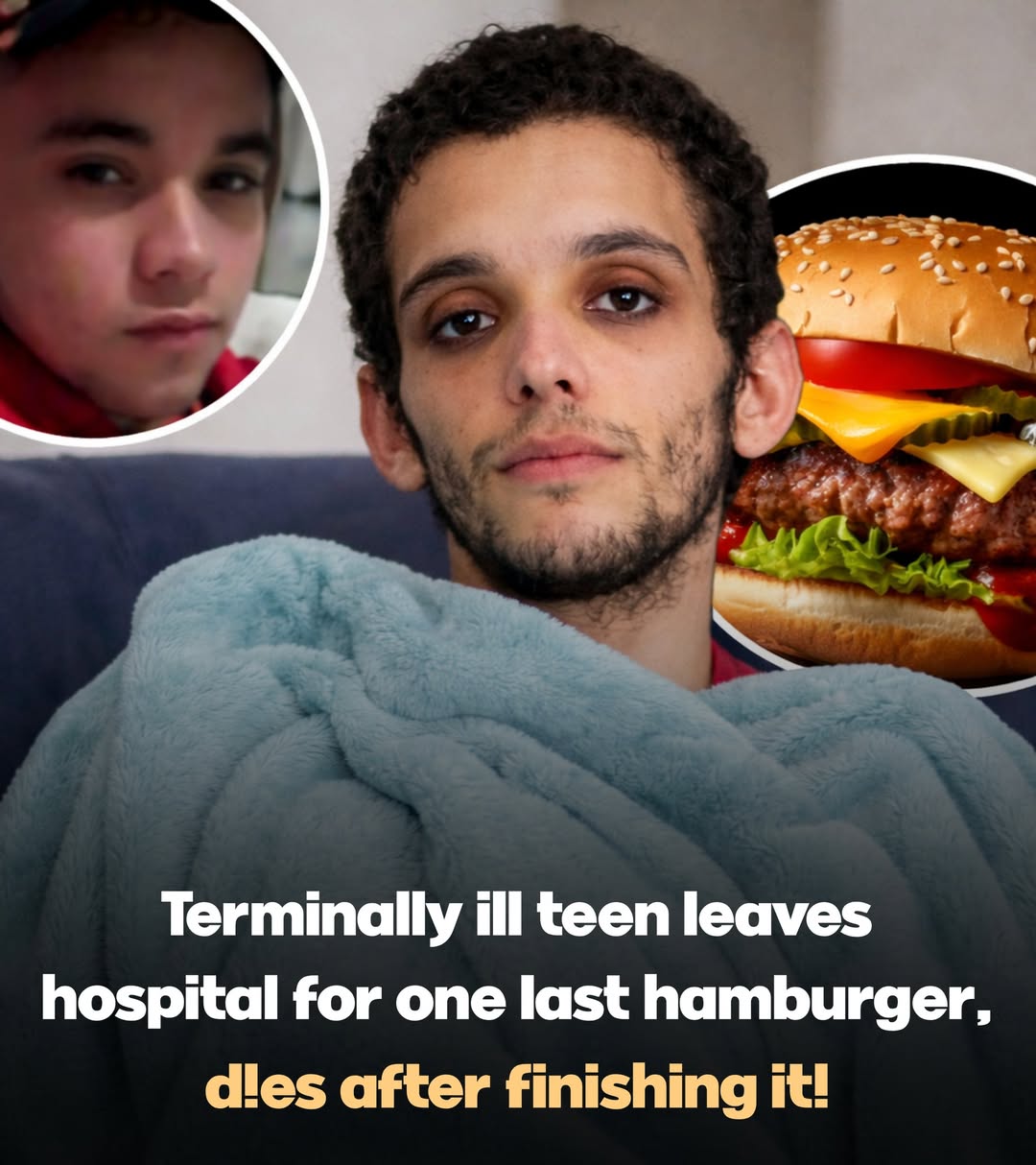
  • In 2019, an 18-year-old patient named Wendrik Santos da Silva reportedly left a hospital in Joinville with one simple goal: to eat a hamburger.

    Battling terminal c**cer, Wendrik had been craving the meal. He borrowed a little money, bought the burger, and finally enjoyed the food he had been wanting for so long.

    Not long after finishing it, his condition worsened and he passed away later the same day as his illness progressed.

    For many people, the story became a powerful reminder that in the end, life is often about the small moments we still hope to experience.

    Which leaves a quiet question:

    If you knew you only had a short time left…
    what simple thing would you want to do one last time?
    In 2019, an 18-year-old patient named Wendrik Santos da Silva reportedly left a hospital in Joinville with one simple goal: to eat a hamburger. Battling terminal c**cer, Wendrik had been craving the meal. He borrowed a little money, bought the burger, and finally enjoyed the food he had been wanting for so long. Not long after finishing it, his condition worsened and he passed away later the same day as his illness progressed. For many people, the story became a powerful reminder that in the end, life is often about the small moments we still hope to experience. Which leaves a quiet question: If you knew you only had a short time left… what simple thing would you want to do one last time?
    Like
    Love
    Wow
    3
    0 Commenti 0 condivisioni 579 Views 0 Anteprima
Pagine in Evidenza