
Вы должны ввести URL-адрес уведомления

Поиск
Знакомьтесь и заводите новых друзей
-
-
Recent economic estimates discussed by researchers at the Brookings Institution suggest that the United States may have experienced a rare period of negative net migration in 2025, meaning slightly more people left the country than arrived. The analysis draws on data from the United States Census Bureau and has been reported by major outlets including The Washington Post and The Wall Street Journal.
If confirmed, this would be a significant demographic shift, as the U.S. has historically maintained strong net positive immigration. The last comparable period of sustained net outflow is often associated with the economic instability of the 1930s.
As for what could be driving such a trend, analysts typically point to a combination of factors rather than a single cause. Economic pressures such as housing costs, healthcare expenses, and regional affordability gaps can influence decisions to relocate. Employment opportunities abroad, remote work flexibility, and return migration to home countries after temporary residence in the U.S. may also contribute. In addition, changes in immigration policy, global economic conditions, and post-pandemic mobility patterns have all affected international movement in recent years.
Economists caution that migration data can shift significantly with revisions, so these figures are best understood as early estimates rather than final conclusions.
#migration #economy #usa #population #brookings #census #globaltrends #news #demographics #fblifestyleRecent economic estimates discussed by researchers at the Brookings Institution suggest that the United States may have experienced a rare period of negative net migration in 2025, meaning slightly more people left the country than arrived. The analysis draws on data from the United States Census Bureau and has been reported by major outlets including The Washington Post and The Wall Street Journal. If confirmed, this would be a significant demographic shift, as the U.S. has historically maintained strong net positive immigration. The last comparable period of sustained net outflow is often associated with the economic instability of the 1930s. As for what could be driving such a trend, analysts typically point to a combination of factors rather than a single cause. Economic pressures such as housing costs, healthcare expenses, and regional affordability gaps can influence decisions to relocate. Employment opportunities abroad, remote work flexibility, and return migration to home countries after temporary residence in the U.S. may also contribute. In addition, changes in immigration policy, global economic conditions, and post-pandemic mobility patterns have all affected international movement in recent years. Economists caution that migration data can shift significantly with revisions, so these figures are best understood as early estimates rather than final conclusions. #migration #economy #usa #population #brookings #census #globaltrends #news #demographics #fblifestyle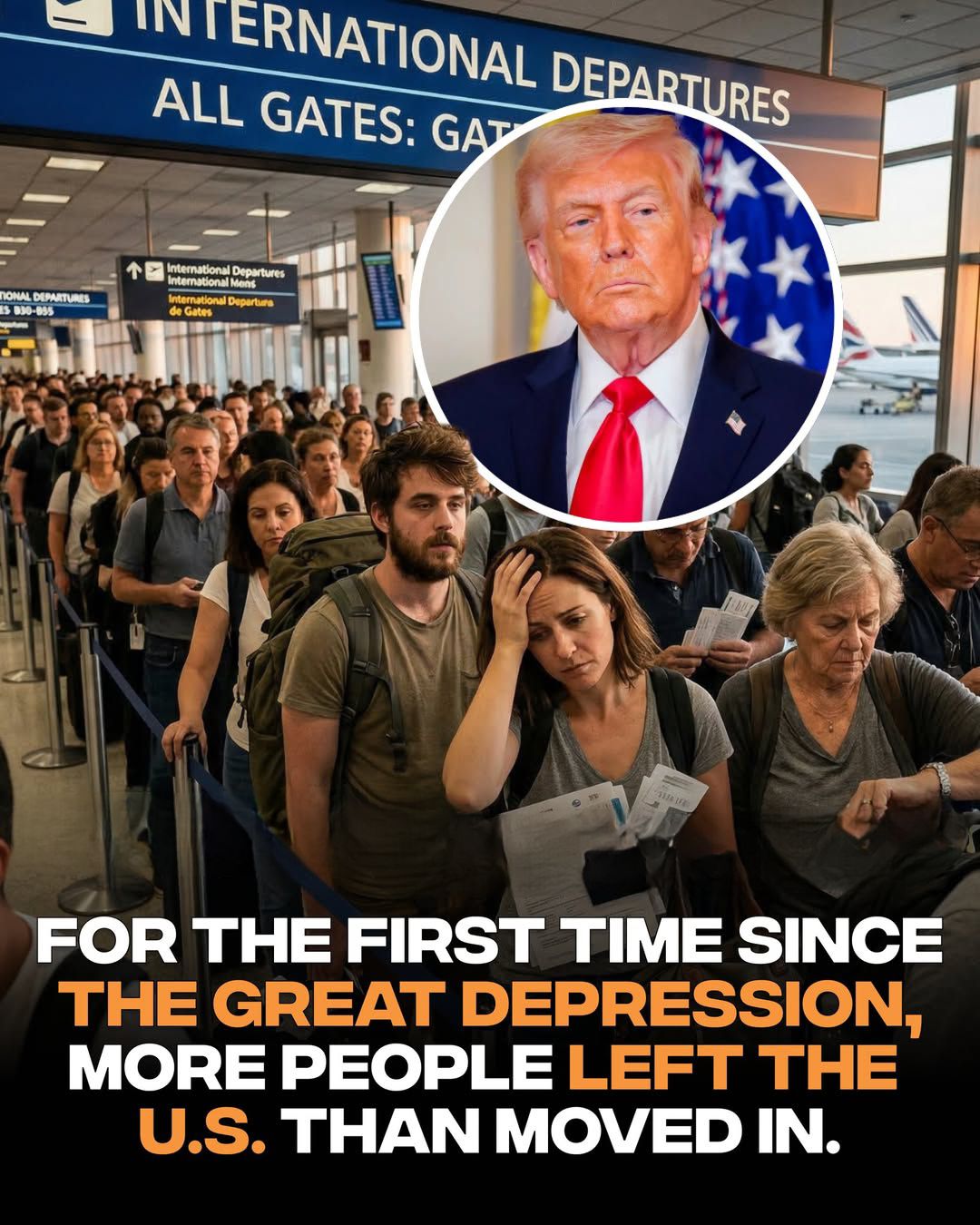 0 Комментарии 0 Поделились 156 Просмотры 0 предпросмотр

 9
9
-
In 2011, Debbie Stevens, a 47-year-old mother from Long Island, made a life-changing decision . She offered to donate her kidney to help her boss, Jacqueline Brucia, who urgently needed a transplant. Although she wasn’t a direct match, Stevens still went ahead through a paired exchange program, donating her kidney to a stranger so her boss could receive one from another donor.
The surgery in August 2011 came with serious complications . Stevens suffered nerve damage, chronic pain, and long-term health issues that made daily work difficult. Despite this, she returned to her job within weeks, feeling pressure to do so.
According to her legal complaint, her workplace environment soon turned hostile. She alleged mistreatment, lack of medical accommodation, and increasing pressure despite her condition. Months later, in April 2012, she was fired.
Stevens filed a discrimination case, and authorities found probable cause of a violation. The case was eventually settled privately in 2014.
Despite everything, she said she never regretted saving a life—but questioned the cost of her kindness.In 2011, Debbie Stevens, a 47-year-old mother from Long Island, made a life-changing decision . She offered to donate her kidney to help her boss, Jacqueline Brucia, who urgently needed a transplant. Although she wasn’t a direct match, Stevens still went ahead through a paired exchange program, donating her kidney to a stranger so her boss could receive one from another donor. The surgery in August 2011 came with serious complications . Stevens suffered nerve damage, chronic pain, and long-term health issues that made daily work difficult. Despite this, she returned to her job within weeks, feeling pressure to do so. According to her legal complaint, her workplace environment soon turned hostile. She alleged mistreatment, lack of medical accommodation, and increasing pressure despite her condition. Months later, in April 2012, she was fired. Stevens filed a discrimination case, and authorities found probable cause of a violation. The case was eventually settled privately in 2014. Despite everything, she said she never regretted saving a life—but questioned the cost of her kindness.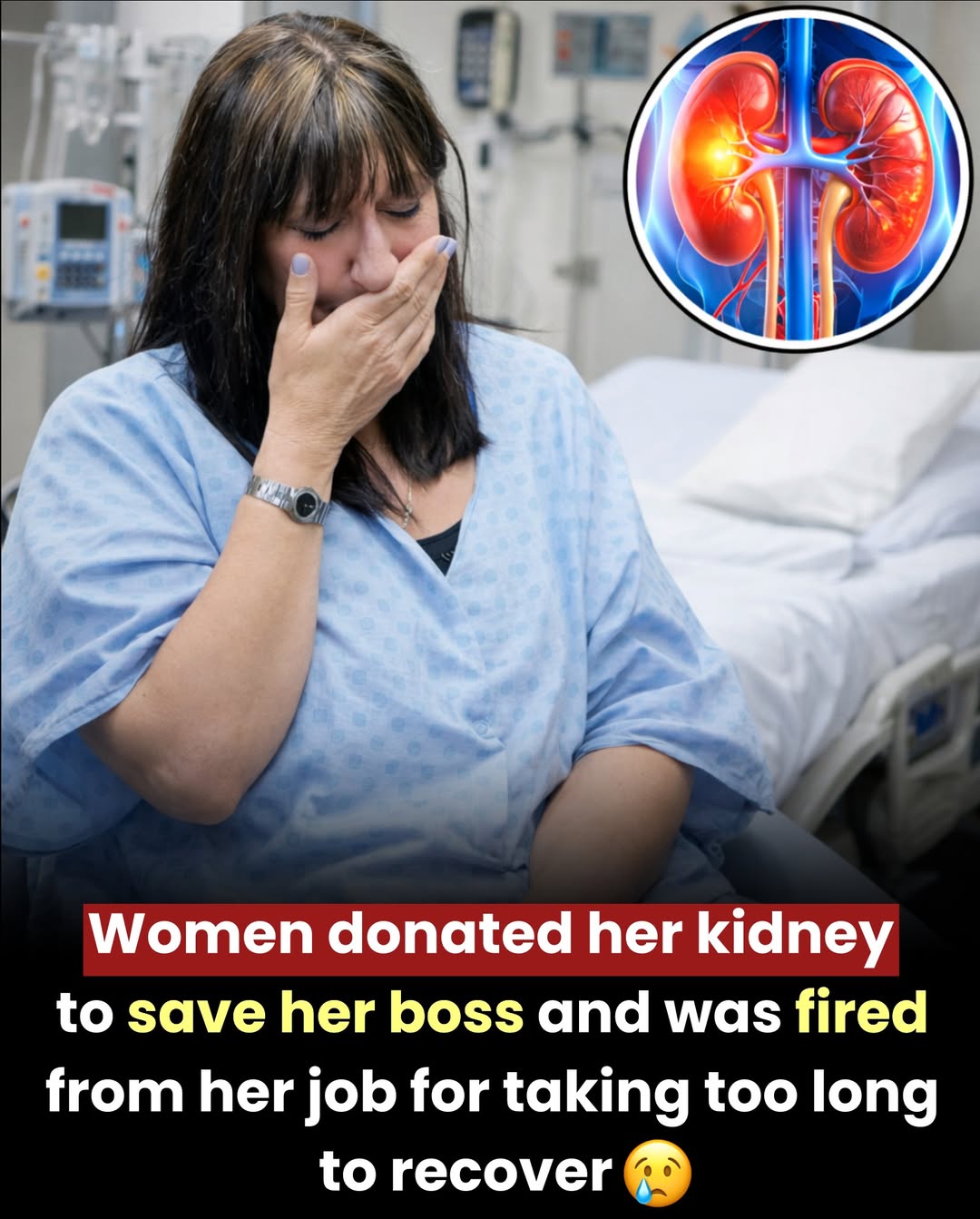 0 Комментарии 0 Поделились 89 Просмотры 0 предпросмотр
8
0 Комментарии 0 Поделились 89 Просмотры 0 предпросмотр
8
-
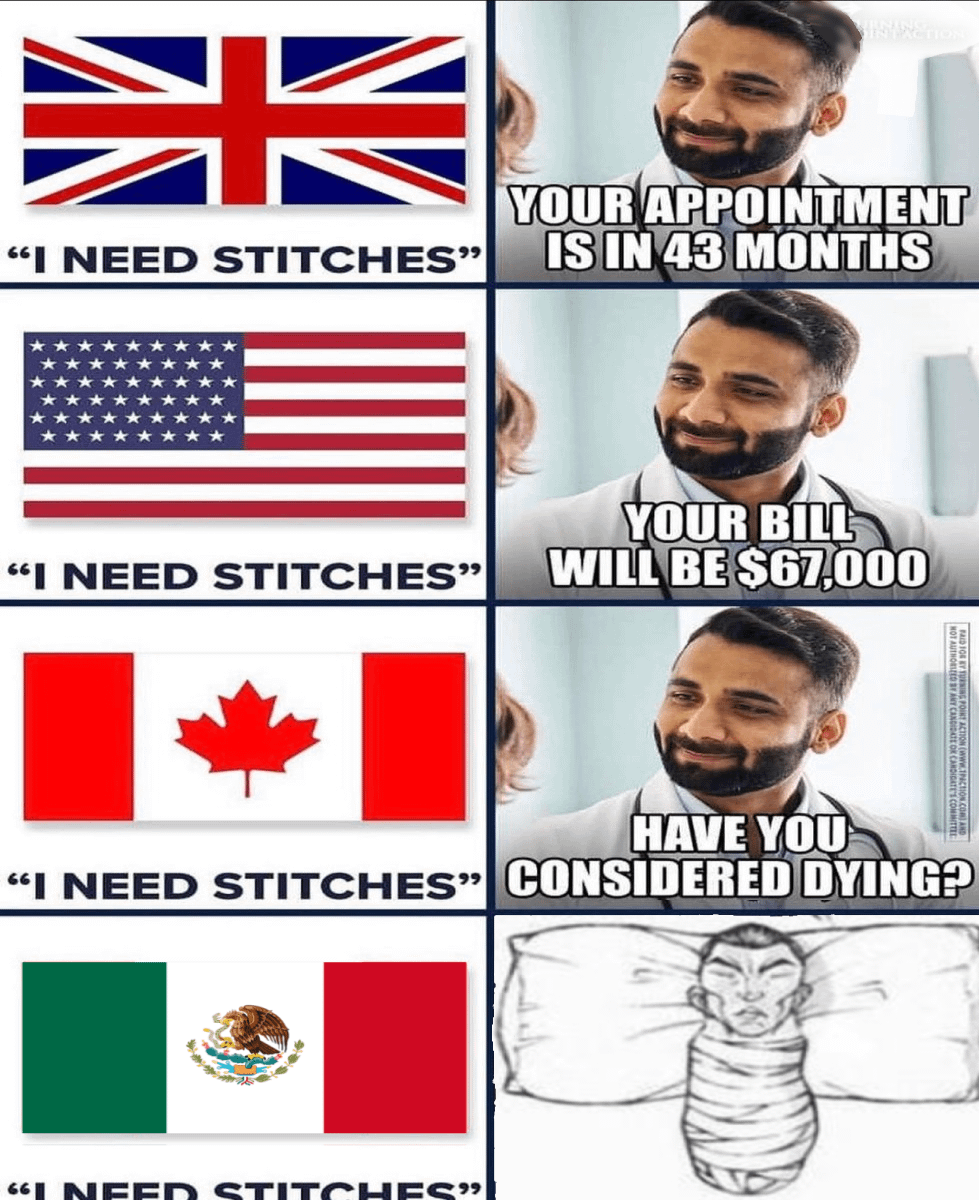
Mexico is taking a landmark step in public health starting Monday, as the country begins rolling out a programme that will give all citizens the ability to walk into any public hospital or clinic and be seen, no matter where they're enrolled or whether they're enrolled at all. President Claudia Sheinbaum signed the decree herself, bringing together the three networks that have historically operated in silos: IMSS, ISSSTE, and IMSS-Bienestar.
The first practical sign of the change will be a new Universal Health Credential, with sign-ups opening on April 13. The rollout starts with those aged 85 and over, working down from there. By 2027, the card is set to double up as an official national ID, and a mobile app is in the works that will let people pull up their medical records, test results and health history all in one place.Mexico is taking a landmark step in public health starting Monday, as the country begins rolling out a programme that will give all citizens the ability to walk into any public hospital or clinic and be seen, no matter where they're enrolled or whether they're enrolled at all. President Claudia Sheinbaum signed the decree herself, bringing together the three networks that have historically operated in silos: IMSS, ISSSTE, and IMSS-Bienestar. The first practical sign of the change will be a new Universal Health Credential, with sign-ups opening on April 13. The rollout starts with those aged 85 and over, working down from there. By 2027, the card is set to double up as an official national ID, and a mobile app is in the works that will let people pull up their medical records, test results and health history all in one place.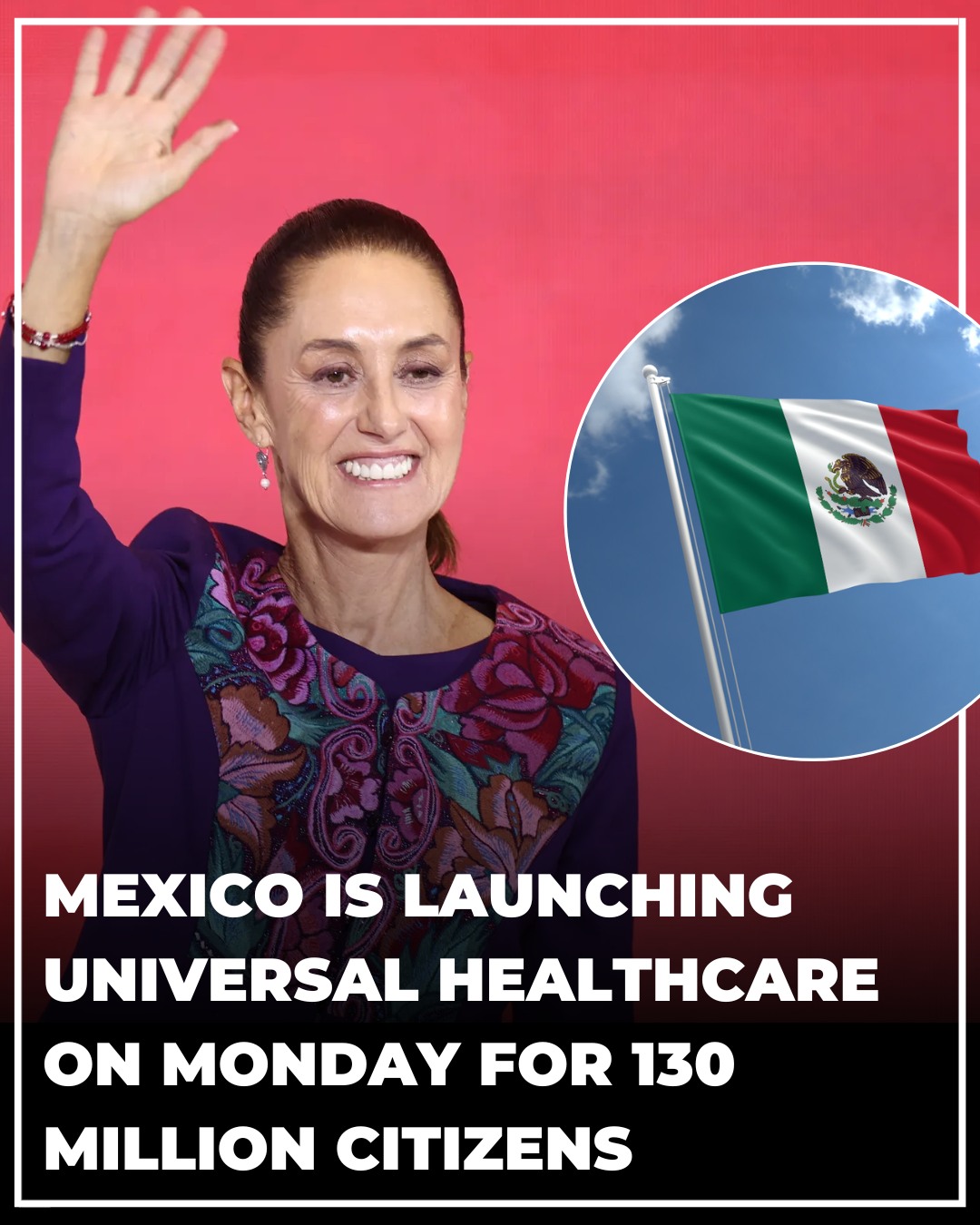 0 Комментарии 0 Поделились 33 Просмотры 0 предпросмотр
10
0 Комментарии 0 Поделились 33 Просмотры 0 предпросмотр
10
-
At 48, Bryan Johnson isn’t living a normal life—he’s turned his body into a full-time experiment to slow aging. His days are tightly controlled: waking early, eating on schedule, tracking every calorie, step, and hour of sleep, all guided by data, not instinct. He takes over 100 supplements daily, while a team of 30 doctors constantly monitors his heart, skin, lungs, and more—treating his body like a system to optimize.
He even tried plasma transfusions from his teenage son to reverse aging at a cellular level, though he later stopped due to unclear results. Still, his data claims his body now functions much younger—heart of a 30s man, younger skin, and high lung capacity. Some see fear of aging; he sees a mission. He’s not escaping death—he’s testing life’s limits. The real question: is this the future of health… or something we don’t fully understand yet?At 48, Bryan Johnson isn’t living a normal life—he’s turned his body into a full-time experiment to slow aging. His days are tightly controlled: waking early, eating on schedule, tracking every calorie, step, and hour of sleep, all guided by data, not instinct. He takes over 100 supplements daily, while a team of 30 doctors constantly monitors his heart, skin, lungs, and more—treating his body like a system to optimize. He even tried plasma transfusions from his teenage son to reverse aging at a cellular level, though he later stopped due to unclear results. Still, his data claims his body now functions much younger—heart of a 30s man, younger skin, and high lung capacity. Some see fear of aging; he sees a mission. He’s not escaping death—he’s testing life’s limits. The real question: is this the future of health… or something we don’t fully understand yet?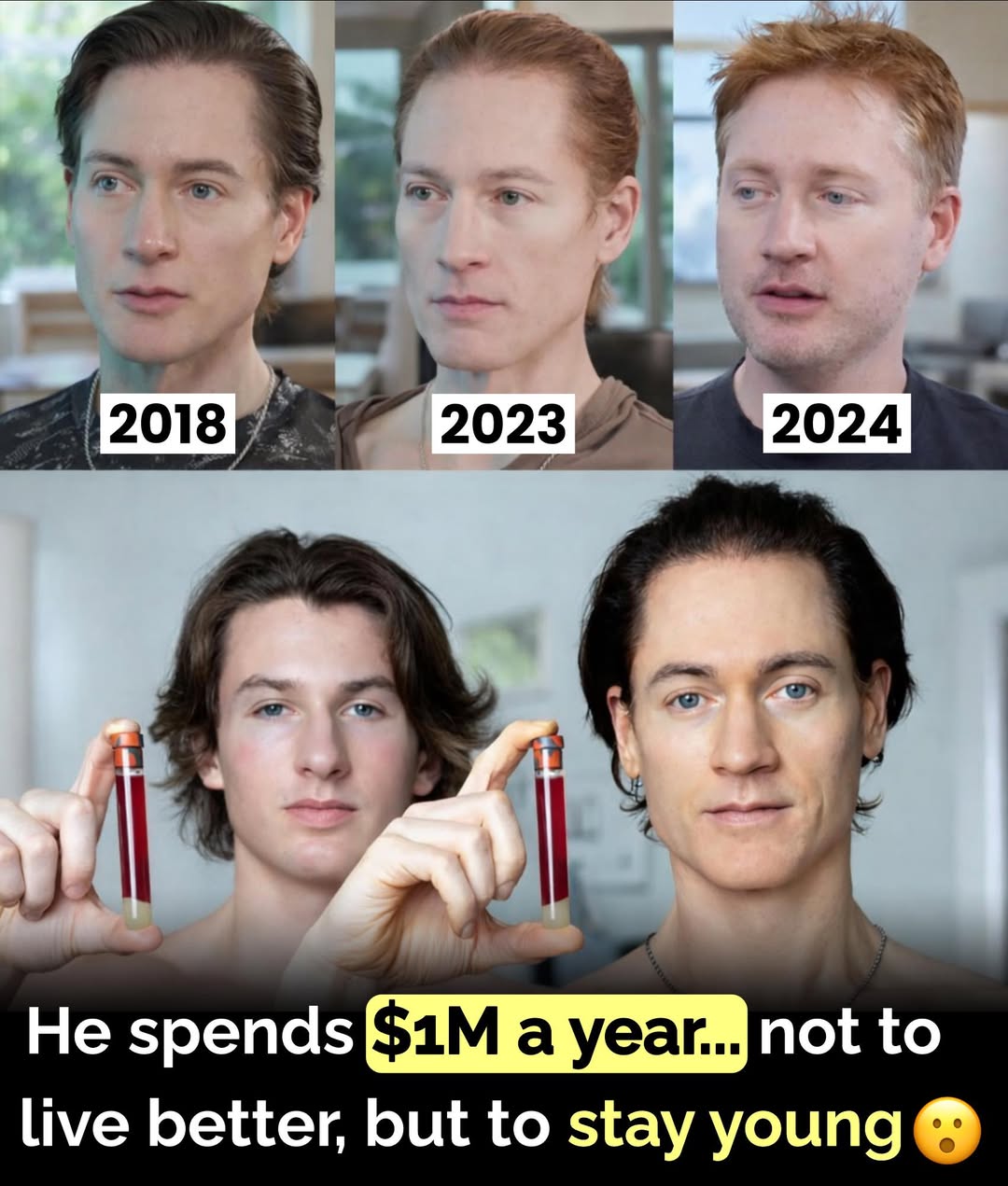 0 Комментарии 0 Поделились 91 Просмотры 0 предпросмотр
6
0 Комментарии 0 Поделились 91 Просмотры 0 предпросмотр
6





Расширенные страницы

 English
 Arabic
 French
 Spanish
 Portuguese
 Deutsch
 Turkish
 Dutch
Dutch
 Italiano
 Romaian
 Portuguese (Brazil)
 Greek
Greek