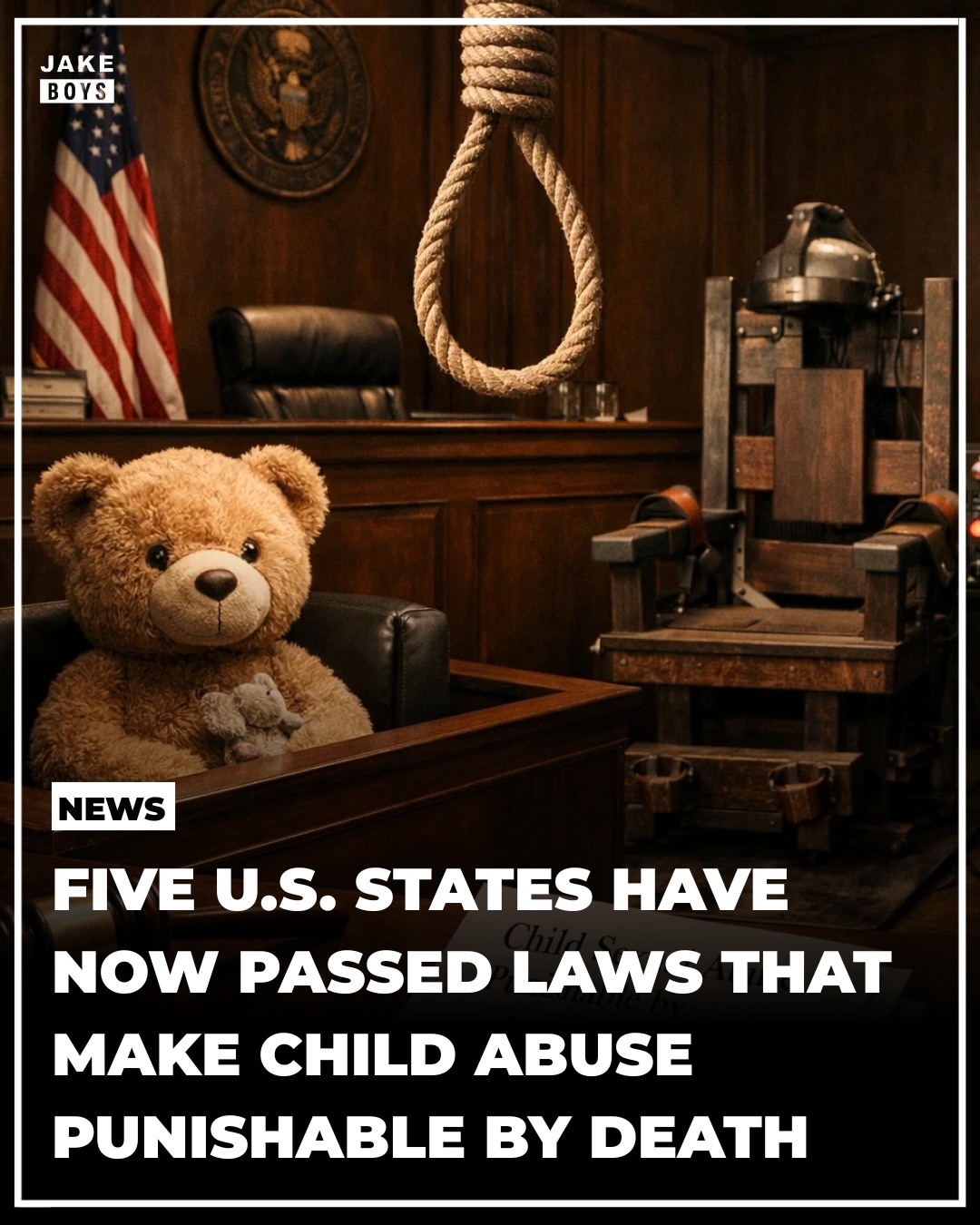
Several U.S. states have recently passed or expanded laws that make certain severe child sexual abuse offenses eligible for the death penalty, a significant shift in criminal justice policy.
In Alabama, the legislature passed the Child Predator Death Penalty Act, which allows capital punishment for first‑degree sexual abuse of a child under 12. Supporters say it sends a strong message against abuse, while critics raise legal and ethical concerns about proportionality and Supreme Court precedents.
Similar moves have been seen in Florida, Tennessee, Idaho, and other states, where laws now provide the death penalty as an option in cases of severe child sexual abuse, challenging a 2008 Supreme Court ruling that previously limited capital punishment to crimes involving the victim’s death.
These changes have sparked nationwide debate over justice, deterrence, constitutional limits, and how best to protect children.
Several U.S. states have recently passed or expanded laws that make certain severe child sexual abuse offenses eligible for the death penalty, a significant shift in criminal justice policy.
In Alabama, the legislature passed the Child Predator Death Penalty Act, which allows capital punishment for first‑degree sexual abuse of a child under 12. Supporters say it sends a strong message against abuse, while critics raise legal and ethical concerns about proportionality and Supreme Court precedents.
Similar moves have been seen in Florida, Tennessee, Idaho, and other states, where laws now provide the death penalty as an option in cases of severe child sexual abuse, challenging a 2008 Supreme Court ruling that previously limited capital punishment to crimes involving the victim’s death.
These changes have sparked nationwide debate over justice, deterrence, constitutional limits, and how best to protect children.















 Language
 English
 VN
VN
 French
 Spanish
 Portuguese
 Deutsch
 Turkish
 Dutch
Dutch
 Russian
 Romaian
 Portuguese (Brazil)
 Greek
Greek
 Arabic