


-
In 2003, police in a quiet Pennsylvania city surrounded a man sitting on the ground with his hands cuffed behind his back. Around his neck was a heavy metal device that appeared extremely dangerous. Minutes later, it suddenly went off.
The man was Brian Douglas Wells, a 46-year-old pizza delivery driver. On August 28, 2003, he walked into a PNC Bank in Erie, Pennsylvania carrying what looked like a cane but was actually a disguised weapon, along with a note demanding money. What shocked everyone was the large metal device locked around his neck, which he claimed could detonate.
Bank employees handed him about $8,700, and he left the building. Soon after, police stopped him in a nearby parking lot. Sitting on the ground, Wells told officers the device had been placed on him and that he had been given a set of strange instructions, almost like a scavenger hunt, to remove it.
Authorities called in a specialized team while cameras captured the tense scene. Before help could arrive, the timer on the device reached zero and it detonated.
The event led to a long investigation that eventually uncovered a complicated plot involving several people. Prosecutors later identified Marjorie Diehl-Armstrong as a key figure in the plan. She was convicted in federal court in 2010 and sentenced to life in prison.
Yet one question still remains.
Was Brian Wells knowingly involved and misjudged the danger, or was he caught in a plan far more dangerous than he understood?
Some mysteries continue to leave people searching for answers.In 2003, police in a quiet Pennsylvania city surrounded a man sitting on the ground with his hands cuffed behind his back. Around his neck was a heavy metal device that appeared extremely dangerous. Minutes later, it suddenly went off. The man was Brian Douglas Wells, a 46-year-old pizza delivery driver. On August 28, 2003, he walked into a PNC Bank in Erie, Pennsylvania carrying what looked like a cane but was actually a disguised weapon, along with a note demanding money. What shocked everyone was the large metal device locked around his neck, which he claimed could detonate. Bank employees handed him about $8,700, and he left the building. Soon after, police stopped him in a nearby parking lot. Sitting on the ground, Wells told officers the device had been placed on him and that he had been given a set of strange instructions, almost like a scavenger hunt, to remove it. Authorities called in a specialized team while cameras captured the tense scene. Before help could arrive, the timer on the device reached zero and it detonated. The event led to a long investigation that eventually uncovered a complicated plot involving several people. Prosecutors later identified Marjorie Diehl-Armstrong as a key figure in the plan. She was convicted in federal court in 2010 and sentenced to life in prison. Yet one question still remains. Was Brian Wells knowingly involved and misjudged the danger, or was he caught in a plan far more dangerous than he understood? Some mysteries continue to leave people searching for answers. 0 Kommentare 0 Geteilt 93 Ansichten 0 Bewertungen
 3
3
-
Online interest in Jeffrey Epstein dropped sharply after Donald Trump ordered military strikes against Iran, according to new Google Trends data.
Searches related to Epstein document releases and subpoenas tied to officials at the U.S. Department of Justice were near a recent peak in late February. But after military action began on February 27, public attention shifted dramatically.
Queries connected to the Iran conflict surged by more than 1,200%, while searches about Epstein associates fell into what analysts called a statistical “dead zone.”
The data highlights how quickly public attention can shift when a major geopolitical crisis begins. Wars and international conflicts often dominate headlines and social media conversations, pushing other major stories out of the spotlight.
While Google Trends measures relative search interest rather than total search volume, the pattern still shows a clear change in what people were searching for online during the first days of the conflict.
The analysis covered about a week of activity and revealed a stark contrast: as interest in the Iran war spiked, searches tied to the Epstein revelations sharply declined.
#USPolitics #MediaTrends #JeffreyEpstein #IranConflict #GoogleTrends #PoliticalNews #BreakingNews #NewsAnalysis #GlobalPoliticsOnline interest in Jeffrey Epstein dropped sharply after Donald Trump ordered military strikes against Iran, according to new Google Trends data. Searches related to Epstein document releases and subpoenas tied to officials at the U.S. Department of Justice were near a recent peak in late February. But after military action began on February 27, public attention shifted dramatically. Queries connected to the Iran conflict surged by more than 1,200%, while searches about Epstein associates fell into what analysts called a statistical “dead zone.” The data highlights how quickly public attention can shift when a major geopolitical crisis begins. Wars and international conflicts often dominate headlines and social media conversations, pushing other major stories out of the spotlight. While Google Trends measures relative search interest rather than total search volume, the pattern still shows a clear change in what people were searching for online during the first days of the conflict. The analysis covered about a week of activity and revealed a stark contrast: as interest in the Iran war spiked, searches tied to the Epstein revelations sharply declined. #USPolitics #MediaTrends #JeffreyEpstein #IranConflict #GoogleTrends #PoliticalNews #BreakingNews #NewsAnalysis #GlobalPolitics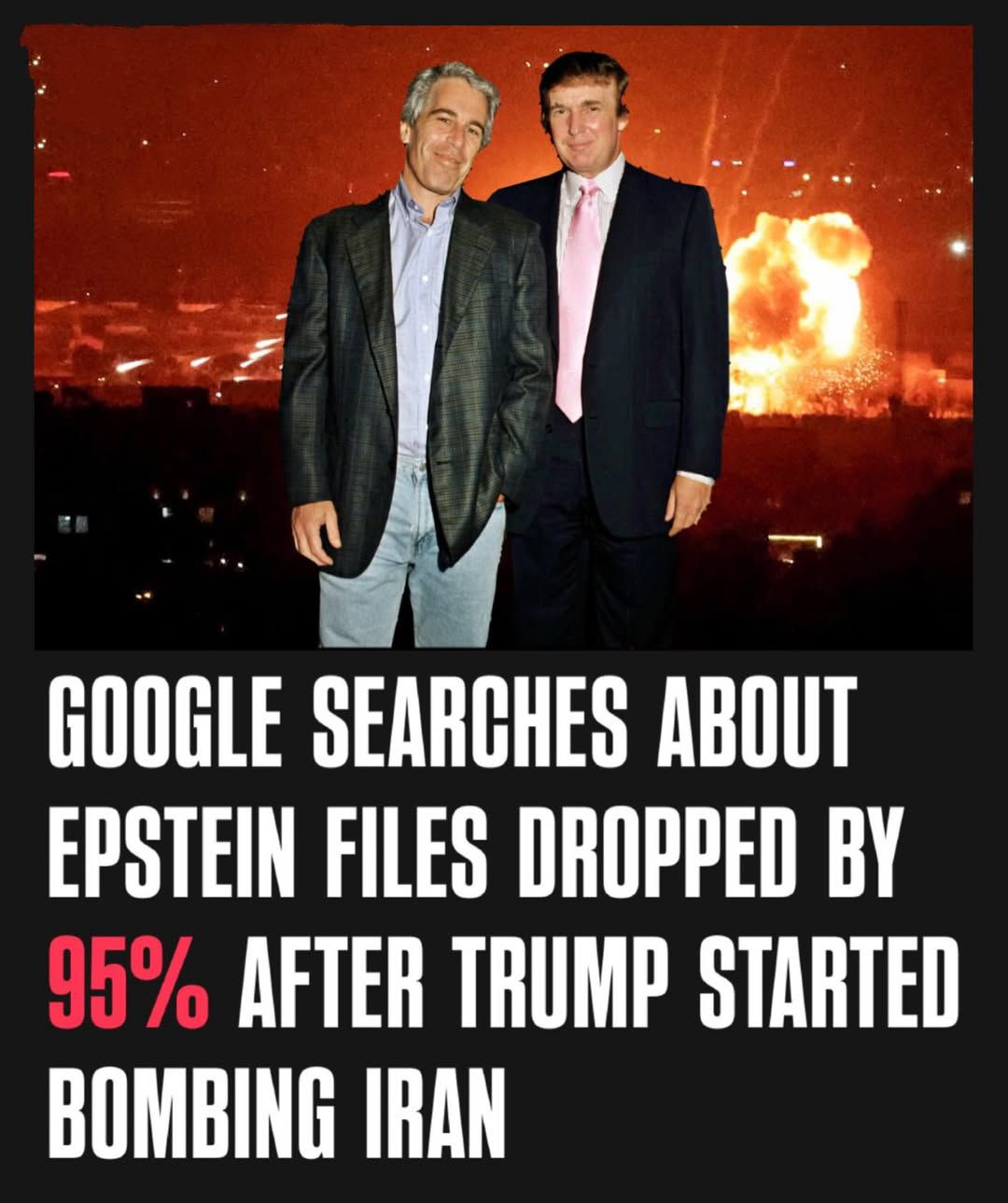 0 Kommentare 0 Geteilt 112 Ansichten 0 Bewertungen
3
0 Kommentare 0 Geteilt 112 Ansichten 0 Bewertungen
3




Mehr Storys

 Language
 English
 VN
VN
 French
 Spanish
 Portuguese
 Turkish
 Dutch
Dutch
 Italiano
 Russian
 Romaian
 Portuguese (Brazil)
 Greek
Greek
 Arabic