


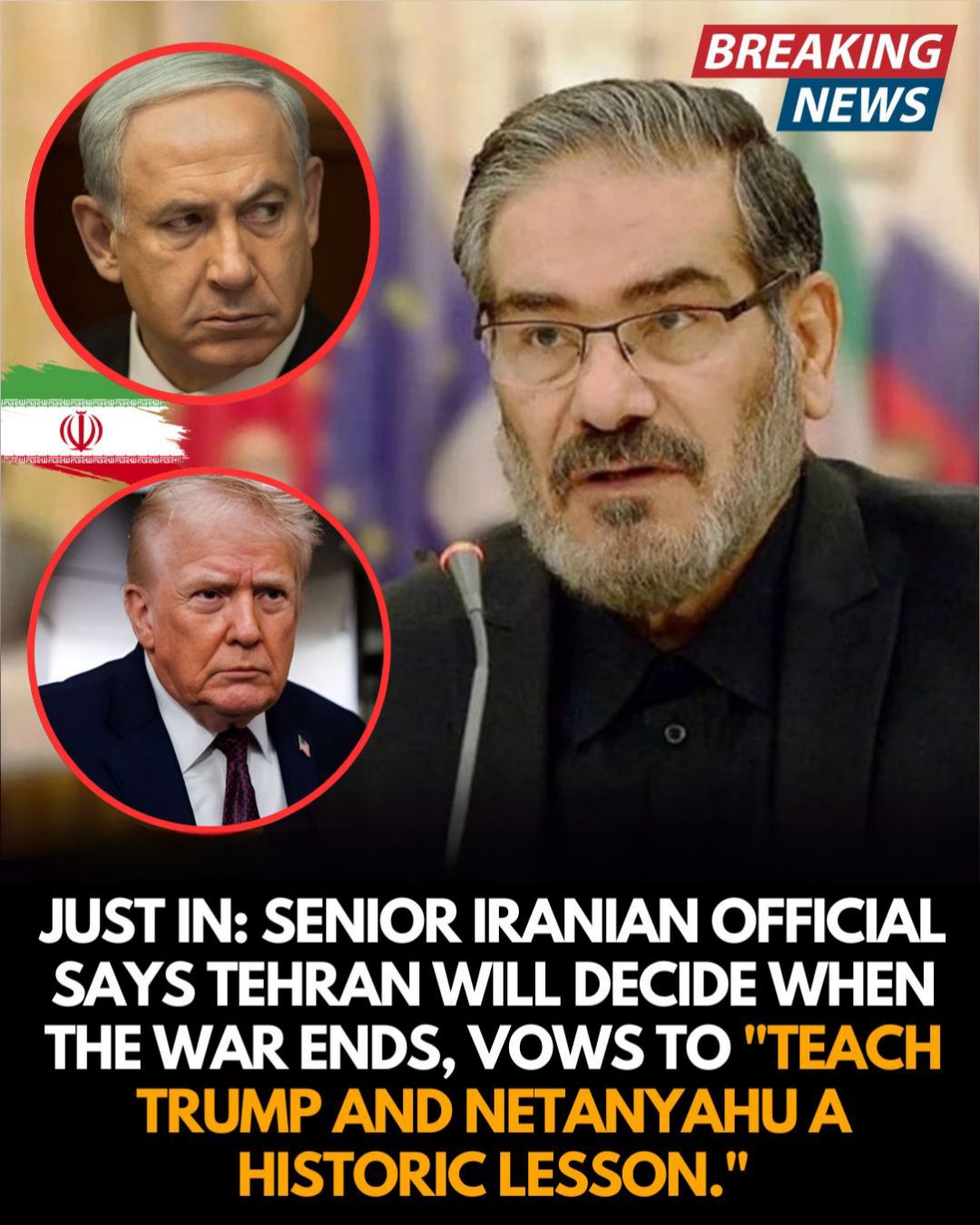
Tehran is doubling down on its defiant stance as a high-ranking official asserts that Iran alone holds the key to ending regional hostilities, a bold claim that challenges Western and Israeli influence. This rhetoric comes at a moment of peak tension, signaling that Iran is not looking to de-escalate without significant concessions that meet its strategic goals.
The "historic lesson" mentioned refers to Iran's expanding arsenal of precision missiles and drone technology, which it views as a deterrent against any direct military intervention by Washington or Jerusalem. By specifically naming both President Trump and Prime Minister Netanyahu, Tehran is emphasizing its belief that current U.S.-Israeli policy is the primary driver of regional instability.
Geopolitically, this statement is likely intended to project strength to Iran's domestic audience and its network of regional proxies, ensuring they remain committed to the long-term struggle. It underscores a refusal to accept any peace framework that is dictated solely by Western powers or that compromises Iran's territorial sovereignty.
This hardline positioning makes the prospect of immediate diplomatic breakthroughs much more difficult, as it sets a confrontational tone for any future negotiations through third-party mediators. Military analysts suggest that this language often precedes a shift in tactical operations, potentially indicating an increase in activity along contested borders.
Ultimately, the official's vow reflects the deep-seated ideological rift between these three nations, where "lessons" are often taught through economic pressure or military posturing. As the rhetoric intensifies, the international community remains on high alert for how this defiance will translate into action on the ground in the coming weeks.
#Iran #Trump #Netanyahu #Geopolitics #BreakingNews
The "historic lesson" mentioned refers to Iran's expanding arsenal of precision missiles and drone technology, which it views as a deterrent against any direct military intervention by Washington or Jerusalem. By specifically naming both President Trump and Prime Minister Netanyahu, Tehran is emphasizing its belief that current U.S.-Israeli policy is the primary driver of regional instability.
Geopolitically, this statement is likely intended to project strength to Iran's domestic audience and its network of regional proxies, ensuring they remain committed to the long-term struggle. It underscores a refusal to accept any peace framework that is dictated solely by Western powers or that compromises Iran's territorial sovereignty.
This hardline positioning makes the prospect of immediate diplomatic breakthroughs much more difficult, as it sets a confrontational tone for any future negotiations through third-party mediators. Military analysts suggest that this language often precedes a shift in tactical operations, potentially indicating an increase in activity along contested borders.
Ultimately, the official's vow reflects the deep-seated ideological rift between these three nations, where "lessons" are often taught through economic pressure or military posturing. As the rhetoric intensifies, the international community remains on high alert for how this defiance will translate into action on the ground in the coming weeks.
#Iran #Trump #Netanyahu #Geopolitics #BreakingNews
Tehran is doubling down on its defiant stance as a high-ranking official asserts that Iran alone holds the key to ending regional hostilities, a bold claim that challenges Western and Israeli influence. This rhetoric comes at a moment of peak tension, signaling that Iran is not looking to de-escalate without significant concessions that meet its strategic goals.
The "historic lesson" mentioned refers to Iran's expanding arsenal of precision missiles and drone technology, which it views as a deterrent against any direct military intervention by Washington or Jerusalem. By specifically naming both President Trump and Prime Minister Netanyahu, Tehran is emphasizing its belief that current U.S.-Israeli policy is the primary driver of regional instability.
Geopolitically, this statement is likely intended to project strength to Iran's domestic audience and its network of regional proxies, ensuring they remain committed to the long-term struggle. It underscores a refusal to accept any peace framework that is dictated solely by Western powers or that compromises Iran's territorial sovereignty.
This hardline positioning makes the prospect of immediate diplomatic breakthroughs much more difficult, as it sets a confrontational tone for any future negotiations through third-party mediators. Military analysts suggest that this language often precedes a shift in tactical operations, potentially indicating an increase in activity along contested borders.
Ultimately, the official's vow reflects the deep-seated ideological rift between these three nations, where "lessons" are often taught through economic pressure or military posturing. As the rhetoric intensifies, the international community remains on high alert for how this defiance will translate into action on the ground in the coming weeks.
#Iran #Trump #Netanyahu #Geopolitics #BreakingNews


 Language
 VN
VN
 French
 Spanish
 Portuguese
 Deutsch
 Turkish
 Dutch
Dutch
 Italiano
 Russian
 Romaian
 Portuguese (Brazil)
 Greek
Greek
 Arabic