
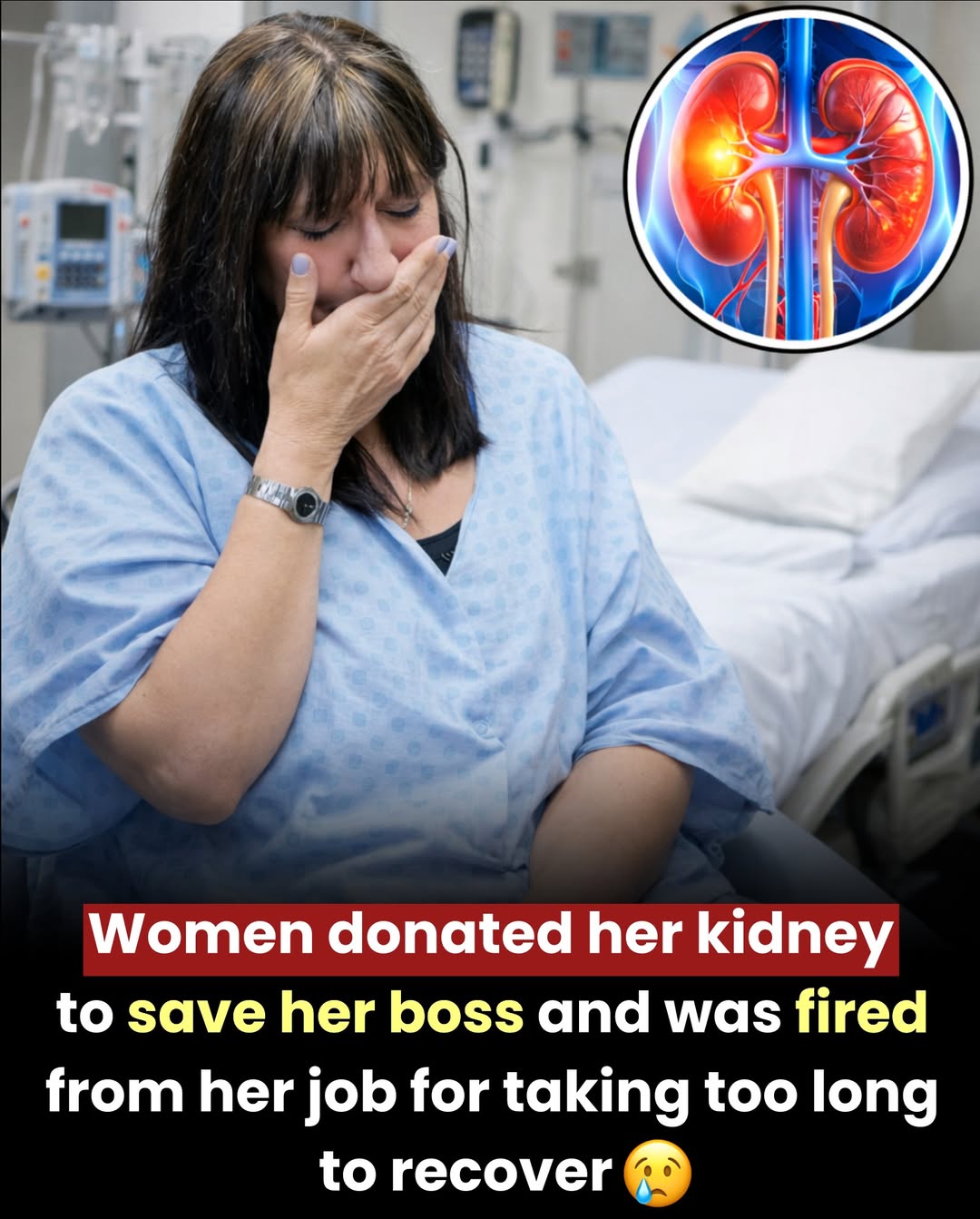
In 2011, Debbie Stevens, a 47-year-old mother from Long Island, made a life-changing decision . She offered to donate her kidney to help her boss, Jacqueline Brucia, who urgently needed a transplant. Although she wasn’t a direct match, Stevens still went ahead through a paired exchange program, donating her kidney to a stranger so her boss could receive one from another donor.
The surgery in August 2011 came with serious complications . Stevens suffered nerve damage, chronic pain, and long-term health issues that made daily work difficult. Despite this, she returned to her job within weeks, feeling pressure to do so.
According to her legal complaint, her workplace environment soon turned hostile. She alleged mistreatment, lack of medical accommodation, and increasing pressure despite her condition. Months later, in April 2012, she was fired.
Stevens filed a discrimination case, and authorities found probable cause of a violation. The case was eventually settled privately in 2014.
Despite everything, she said she never regretted saving a life—but questioned the cost of her kindness.
The surgery in August 2011 came with serious complications . Stevens suffered nerve damage, chronic pain, and long-term health issues that made daily work difficult. Despite this, she returned to her job within weeks, feeling pressure to do so.
According to her legal complaint, her workplace environment soon turned hostile. She alleged mistreatment, lack of medical accommodation, and increasing pressure despite her condition. Months later, in April 2012, she was fired.
Stevens filed a discrimination case, and authorities found probable cause of a violation. The case was eventually settled privately in 2014.
Despite everything, she said she never regretted saving a life—but questioned the cost of her kindness.
In 2011, Debbie Stevens, a 47-year-old mother from Long Island, made a life-changing decision . She offered to donate her kidney to help her boss, Jacqueline Brucia, who urgently needed a transplant. Although she wasn’t a direct match, Stevens still went ahead through a paired exchange program, donating her kidney to a stranger so her boss could receive one from another donor.
The surgery in August 2011 came with serious complications . Stevens suffered nerve damage, chronic pain, and long-term health issues that made daily work difficult. Despite this, she returned to her job within weeks, feeling pressure to do so.
According to her legal complaint, her workplace environment soon turned hostile. She alleged mistreatment, lack of medical accommodation, and increasing pressure despite her condition. Months later, in April 2012, she was fired.
Stevens filed a discrimination case, and authorities found probable cause of a violation. The case was eventually settled privately in 2014.
Despite everything, she said she never regretted saving a life—but questioned the cost of her kindness.





 Arabic
 French
 Spanish
 Portuguese
 Deutsch
 Turkish
 Dutch
Dutch
 Italiano
 Russian
 Romaian
 Portuguese (Brazil)
 Greek
Greek