
• According to a report by The Free Press, Pentagon official Elbridge Colby reportedly threatened a Vatican representative over remarks made by Pope Leo XIV regarding the war in Iran.
    Colby allegedly stated: “The United States has the military power to do whatever it wants in the world. The Catholic Church had better take its side.”
    The article references historical parallels, including the Avignon papacy, when Pope Boniface VIII was kidnapped by the French monarchy and later died due to the harsh conditions of his captivity.
    Following the incident, the Vatican expressed concern, and Pope Leo XIV canceled a planned U.S. visit.
    The White House has denied the report, claiming that the Free Press’s portrayal of the meeting was “highly exaggerated and distorted.”
    #USPolitics #VaticanNews #Pentagon #PopeLeoXIV #InternationalRelations #Diplomacy #BreakingNews #GlobalAffairs #WhiteHouse #Controversy
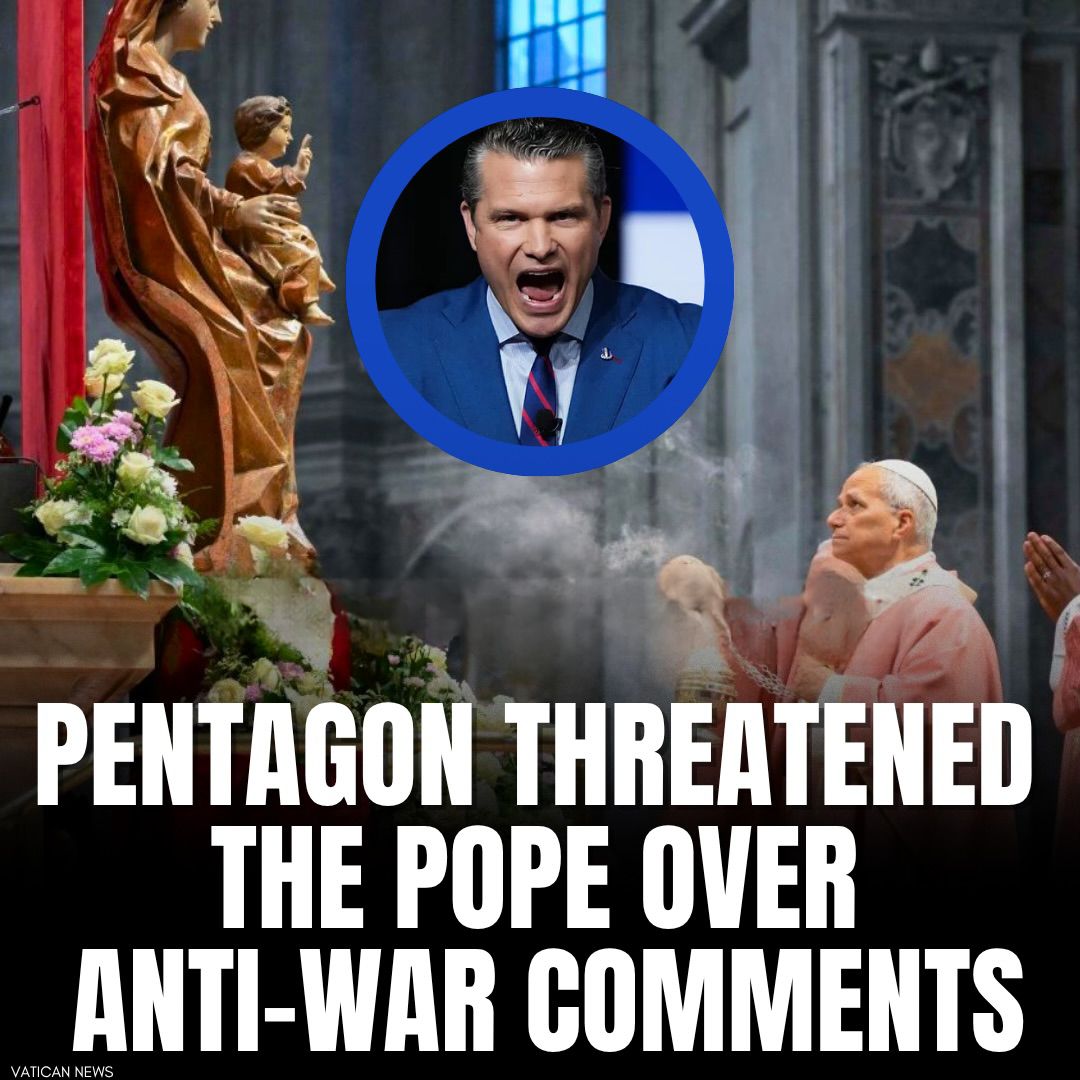
    According to a report by The Free Press, Pentagon official Elbridge Colby reportedly threatened a Vatican representative over remarks made by Pope Leo XIV regarding the war in Iran. Colby allegedly stated: “The United States has the military power to do whatever it wants in the world. The Catholic Church had better take its side.” The article references historical parallels, including the Avignon papacy, when Pope Boniface VIII was kidnapped by the French monarchy and later died due to the harsh conditions of his captivity. Following the incident, the Vatican expressed concern, and Pope Leo XIV canceled a planned U.S. visit. The White House has denied the report, claiming that the Free Press’s portrayal of the meeting was “highly exaggerated and distorted.” #USPolitics #VaticanNews #Pentagon #PopeLeoXIV #InternationalRelations #Diplomacy #BreakingNews #GlobalAffairs #WhiteHouse #Controversy
    Like
    Love
    Wow
    3
    0 Comments 0 Shares 2K Views 0 Reviews
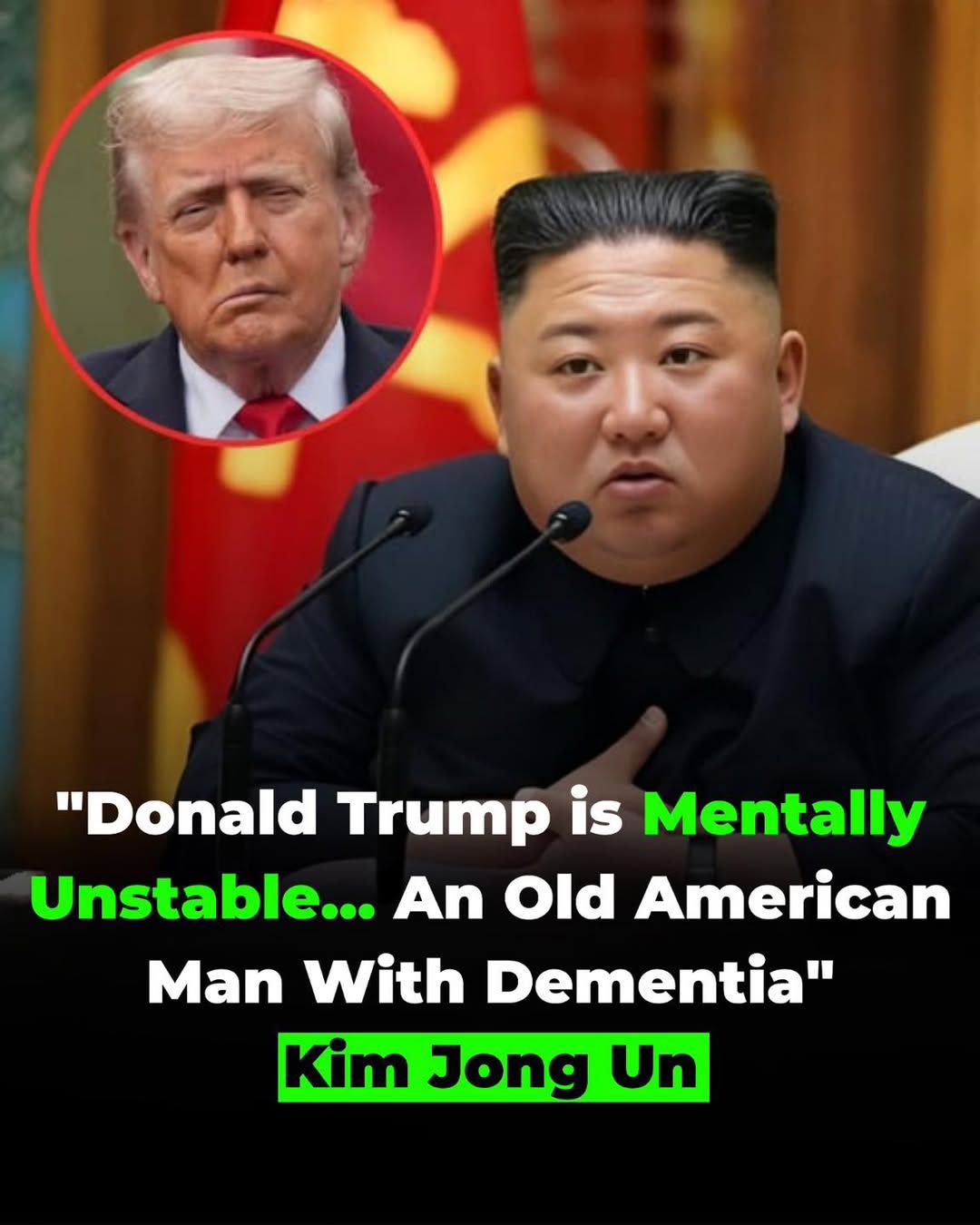
  • Kim Jong Un has escalated tensions with the United States, launching a sharp and personal critique of Donald Trump’s leadership amid rising global instability. The remarks come as U.S. military activity in the Middle East draws international attention, with North Korea portraying it as a sign of increasing geopolitical uncertainty.

    Analysts note that such rhetoric has long been part of Pyongyang’s strategy—often intensifying during periods of tension before possible diplomatic engagement. State media amplified the criticism, framing it as evidence of unpredictable U.S. leadership, while experts suggest it may also serve domestic purposes, including diverting attention from economic challenges and ongoing weapons development.

    Historically, exchanges between Kim and Trump have coincided with both heightened tensions and unexpected diplomatic openings, making the current moment particularly sensitive. As multiple global crises unfold, the world is watching closely to see whether Washington responds or avoids further escalation.

    Disclaimer: This content is shared for educational, informational, awareness, and journalistic purposes based on available reports.

    #GlobalPolitics #NorthKorea #USA #Geopolitics #WorldNews #KimJongUn #Trump #InternationalRelations #BreakingNews #GlobalTensions #USA
    Kim Jong Un has escalated tensions with the United States, launching a sharp and personal critique of Donald Trump’s leadership amid rising global instability. The remarks come as U.S. military activity in the Middle East draws international attention, with North Korea portraying it as a sign of increasing geopolitical uncertainty. Analysts note that such rhetoric has long been part of Pyongyang’s strategy—often intensifying during periods of tension before possible diplomatic engagement. State media amplified the criticism, framing it as evidence of unpredictable U.S. leadership, while experts suggest it may also serve domestic purposes, including diverting attention from economic challenges and ongoing weapons development. Historically, exchanges between Kim and Trump have coincided with both heightened tensions and unexpected diplomatic openings, making the current moment particularly sensitive. As multiple global crises unfold, the world is watching closely to see whether Washington responds or avoids further escalation. Disclaimer: This content is shared for educational, informational, awareness, and journalistic purposes based on available reports. #GlobalPolitics #NorthKorea #USA #Geopolitics #WorldNews #KimJongUn #Trump #InternationalRelations #BreakingNews #GlobalTensions #USA
    Like
    Love
    Wow
    3
    0 Comments 0 Shares 2K Views 0 Reviews
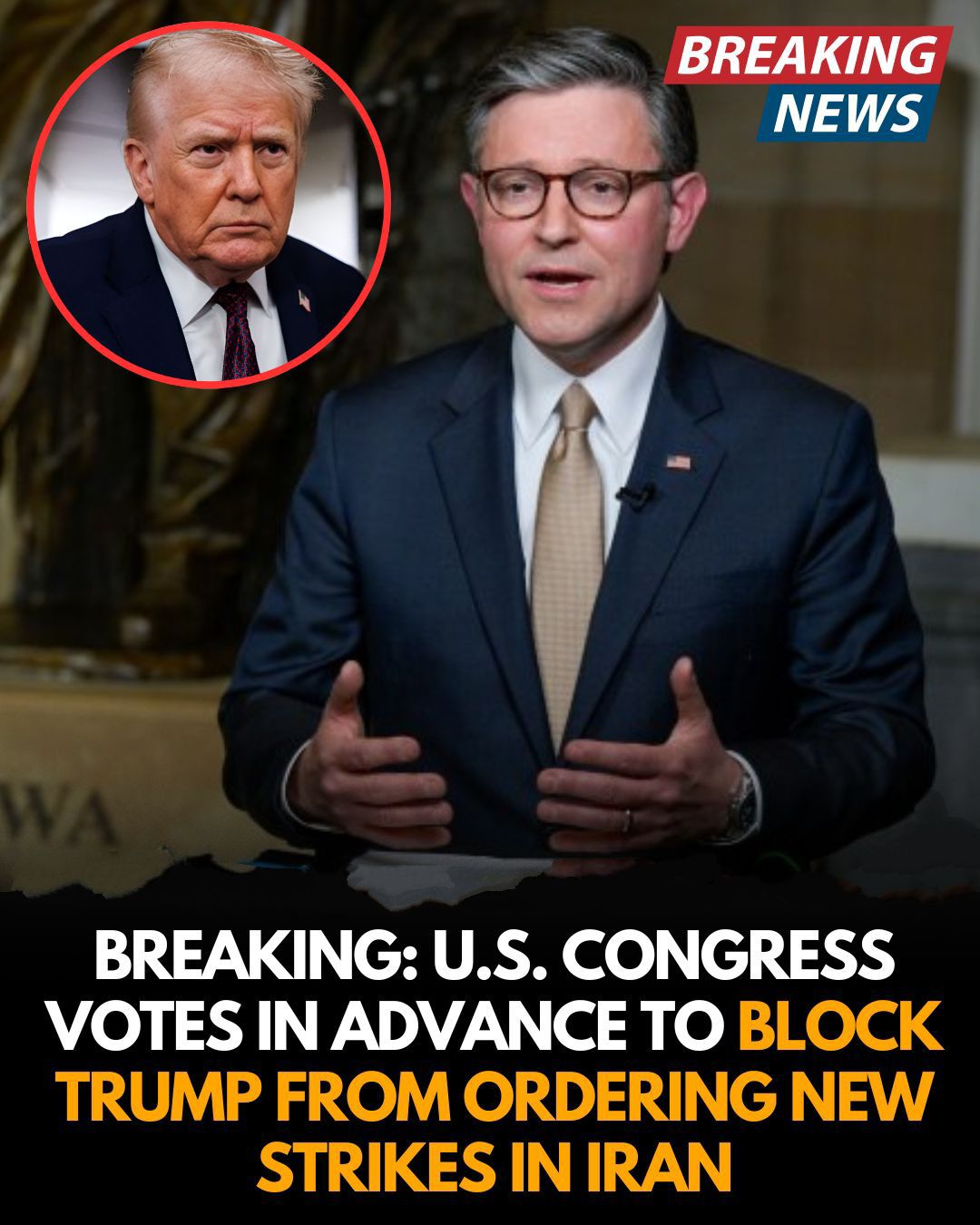
  • In a major challenge to presidential war powers, the U.S. Congress has voted to block Donald Trump from ordering additional military strikes against Iran without further authorization. The move comes as the ongoing conflict—referred to in some reports as Operation Epic Fury—continues to escalate, bringing significant human and financial costs. Recent reports include the sinking of an Iranian warship, with around 150 people believed to be missing. The vote reflects growing divisions within the United States Congress over how far the military campaign should go, while the United States Department of Defense is reportedly seeking about $50 billion in emergency funding to replace equipment lost during the conflict.
    International tensions are also increasing. Emmanuel Macron and other European leaders have criticized the strikes, warning they may violate international law. Meanwhile, NATO member Turkey reportedly intercepted an Iranian ballistic missile, raising fears that the conflict could expand further. Global energy markets are also feeling the pressure, with Saudi Arabia nearing oil storage limits while Russia has warned it could restrict gas supplies to Europe, adding concerns about wider economic disruption. With tensions rising and international pressure building, the congressional vote places a new obstacle in front of the administration’s strategy—leaving the world watching closely to see how Washington responds next.
    #BreakingNews #Congress #WarPowers #IranConflict #GlobalPolitics #Geopolitics #InternationalRelations
    In a major challenge to presidential war powers, the U.S. Congress has voted to block Donald Trump from ordering additional military strikes against Iran without further authorization. The move comes as the ongoing conflict—referred to in some reports as Operation Epic Fury—continues to escalate, bringing significant human and financial costs. Recent reports include the sinking of an Iranian warship, with around 150 people believed to be missing. The vote reflects growing divisions within the United States Congress over how far the military campaign should go, while the United States Department of Defense is reportedly seeking about $50 billion in emergency funding to replace equipment lost during the conflict. International tensions are also increasing. Emmanuel Macron and other European leaders have criticized the strikes, warning they may violate international law. Meanwhile, NATO member Turkey reportedly intercepted an Iranian ballistic missile, raising fears that the conflict could expand further. Global energy markets are also feeling the pressure, with Saudi Arabia nearing oil storage limits while Russia has warned it could restrict gas supplies to Europe, adding concerns about wider economic disruption. With tensions rising and international pressure building, the congressional vote places a new obstacle in front of the administration’s strategy—leaving the world watching closely to see how Washington responds next. #BreakingNews #Congress #WarPowers #IranConflict #GlobalPolitics #Geopolitics #InternationalRelations
    Like
    Love
    Wow
    3
    0 Comments 0 Shares 2K Views 0 Reviews
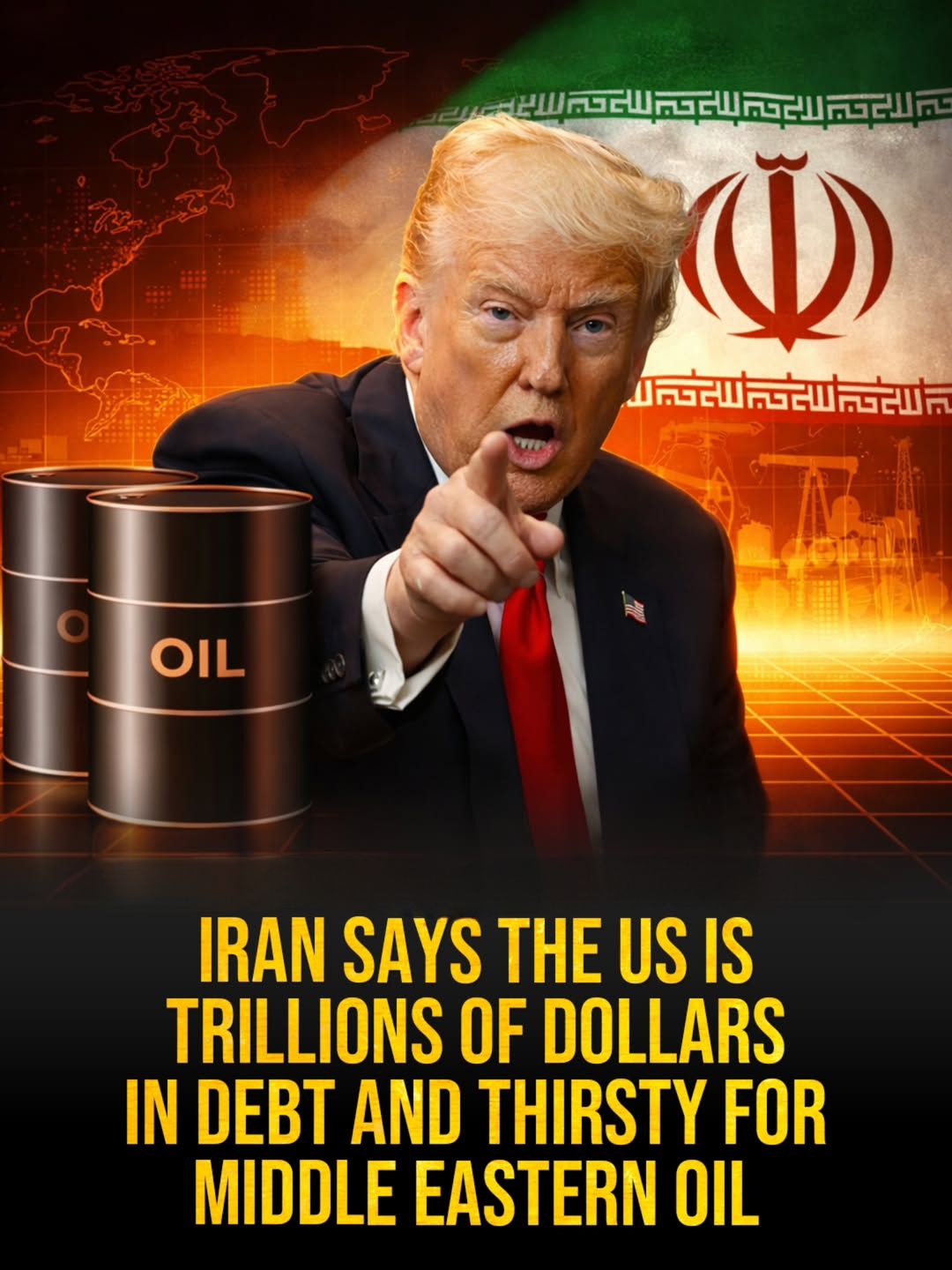
  • “Trillions in debt and still thirsty for Middle East oil.”

    That’s how officials in Iran framed recent criticism of the United States, tying global tension to economics and energy politics.
    As of early 2026, the U.S. national debt has surpassed about $38.5 trillion, a figure that continues to grow and is frequently cited in global political and economic discussions. Rival nations sometimes argue that a heavily indebted superpower still seeks influence and resources abroad, especially in regions like the Middle East that remain central to global energy markets.
    The resulting narrative blends Debt. Oil. Power. — reflecting how economic realities and strategic interests often intersect on the global stage.
    #theincomet #USNationalDebt #GlobalPolitics #MiddleEast #EnergySecurity #Geopolitics #WorldEconomy #OilAndPower #InternationalRelations #USForeignPolicy
    “Trillions in debt and still thirsty for Middle East oil.” That’s how officials in Iran framed recent criticism of the United States, tying global tension to economics and energy politics. As of early 2026, the U.S. national debt has surpassed about $38.5 trillion, a figure that continues to grow and is frequently cited in global political and economic discussions. Rival nations sometimes argue that a heavily indebted superpower still seeks influence and resources abroad, especially in regions like the Middle East that remain central to global energy markets. The resulting narrative blends Debt. Oil. Power. — reflecting how economic realities and strategic interests often intersect on the global stage. #theincomet #USNationalDebt #GlobalPolitics #MiddleEast #EnergySecurity #Geopolitics #WorldEconomy #OilAndPower #InternationalRelations #USForeignPolicy
    Like
    Love
    Wow
    3
    0 Comments 0 Shares 7K Views 0 Reviews
  • There is no widely documented modern precedent of a U.S. vice president being loudly booed at an Olympic opening ceremony, which is why the moment drew so much attention. During the February 6 Parade of Nations at the 2026 Winter Olympics in Milan, reports indicate that Team USA athletes received cheers as they entered San Siro Stadium, but when cameras cut to Vice President J.D. Vance and his wife, the crowd reaction included audible boos from portions of the 65,000-person audience. Canadian broadcaster CBC reportedly acknowledged the reaction on air, while NBC’s U.S. broadcast did not emphasize it.
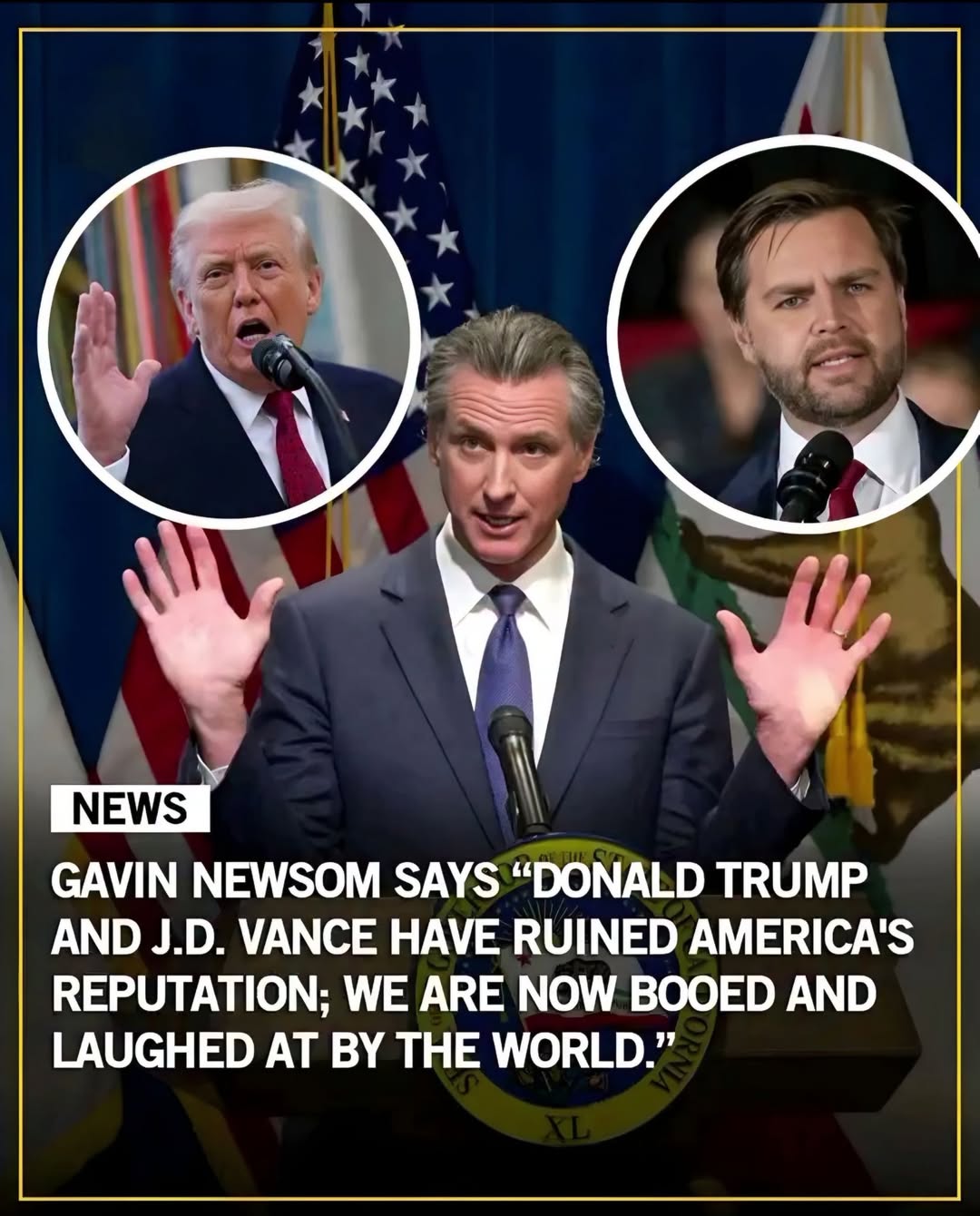
    The response from the press office of Gavin Newsom criticized the administration’s foreign policy posture, linking the incident to broader tensions between the administration of Donald Trump and several European allies. Issues frequently cited in commentary include trade disputes, rhetoric surrounding Greenland, and immigration enforcement policies.
    Historically, Olympic ceremonies have occasionally featured political undercurrents, but overt crowd reactions toward U.S. vice presidents have been rare. As with many high-profile international events, interpretations of the moment vary depending on political perspective, and the broader diplomatic context continues to shape public reactions abroad.
    #Olympics2026 #JDVance #GavinNewsom #GlobalPolitics #USPolitics #WinterOlympics #InternationalRelations
    There is no widely documented modern precedent of a U.S. vice president being loudly booed at an Olympic opening ceremony, which is why the moment drew so much attention. During the February 6 Parade of Nations at the 2026 Winter Olympics in Milan, reports indicate that Team USA athletes received cheers as they entered San Siro Stadium, but when cameras cut to Vice President J.D. Vance and his wife, the crowd reaction included audible boos from portions of the 65,000-person audience. Canadian broadcaster CBC reportedly acknowledged the reaction on air, while NBC’s U.S. broadcast did not emphasize it. The response from the press office of Gavin Newsom criticized the administration’s foreign policy posture, linking the incident to broader tensions between the administration of Donald Trump and several European allies. Issues frequently cited in commentary include trade disputes, rhetoric surrounding Greenland, and immigration enforcement policies. Historically, Olympic ceremonies have occasionally featured political undercurrents, but overt crowd reactions toward U.S. vice presidents have been rare. As with many high-profile international events, interpretations of the moment vary depending on political perspective, and the broader diplomatic context continues to shape public reactions abroad. #Olympics2026 #JDVance #GavinNewsom #GlobalPolitics #USPolitics #WinterOlympics #InternationalRelations
    Like
    Love
    Wow
    3
    0 Comments 0 Shares 5K Views 0 Reviews
More Results