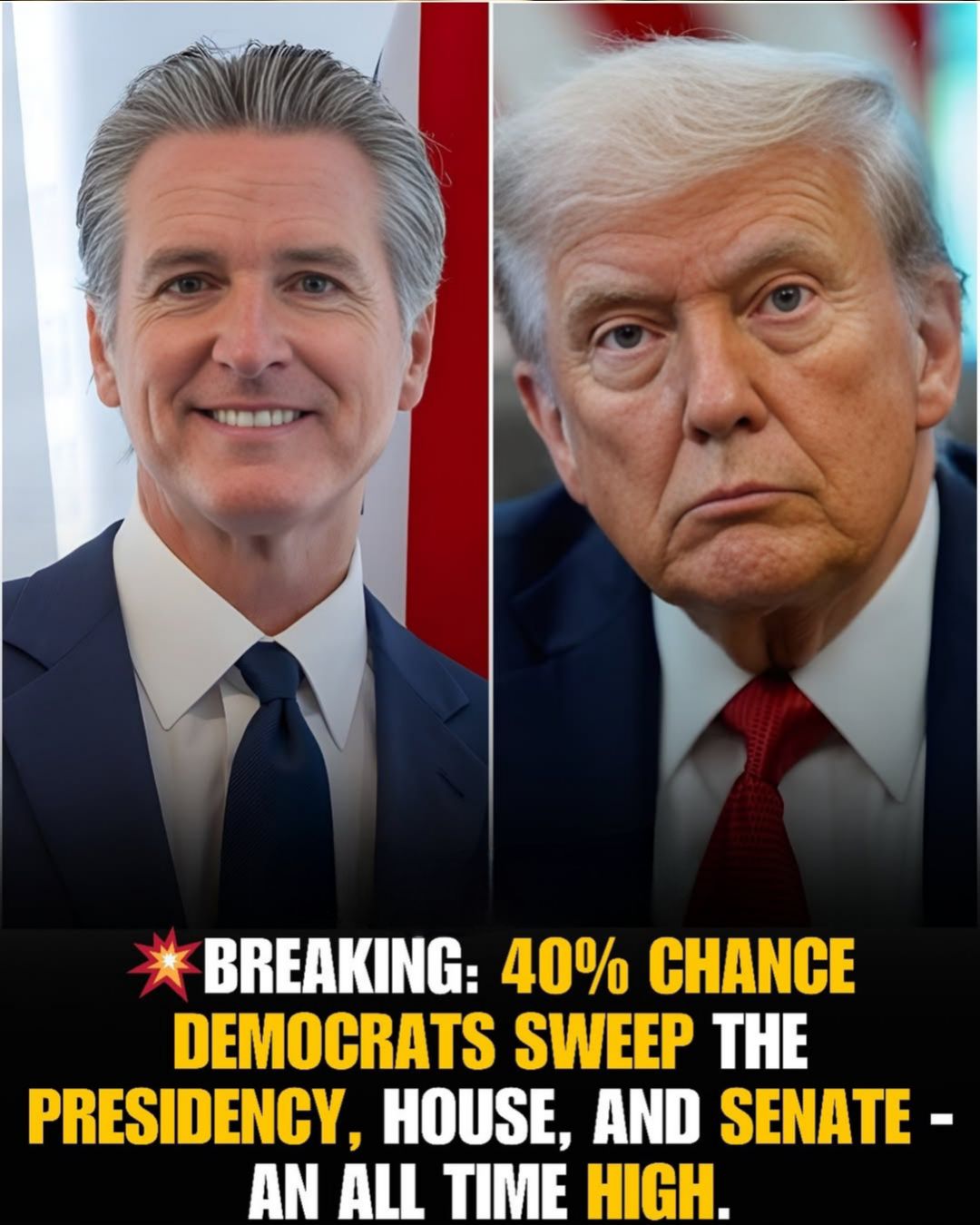
• New polling data reveals a significant shift in the political landscape, with Democrats now holding a record-high 40% chance of sweeping the Presidency, House, and Senate. This surge in momentum comes as President Trump faces record-low approval ratings and a growing backlash over recent foreign policy decisions and economic challenges.#Headlines360 #Election2026 #BlueWave #PoliticalNews #BreakingNews
    New polling data reveals a significant shift in the political landscape, with Democrats now holding a record-high 40% chance of sweeping the Presidency, House, and Senate. This surge in momentum comes as President Trump faces record-low approval ratings and a growing backlash over recent foreign policy decisions and economic challenges.#Headlines360 #Election2026 #BlueWave #PoliticalNews #BreakingNews
    Like
    Love
    Wow
    3
    0 Comments 0 Shares 1K Views 0 Reviews
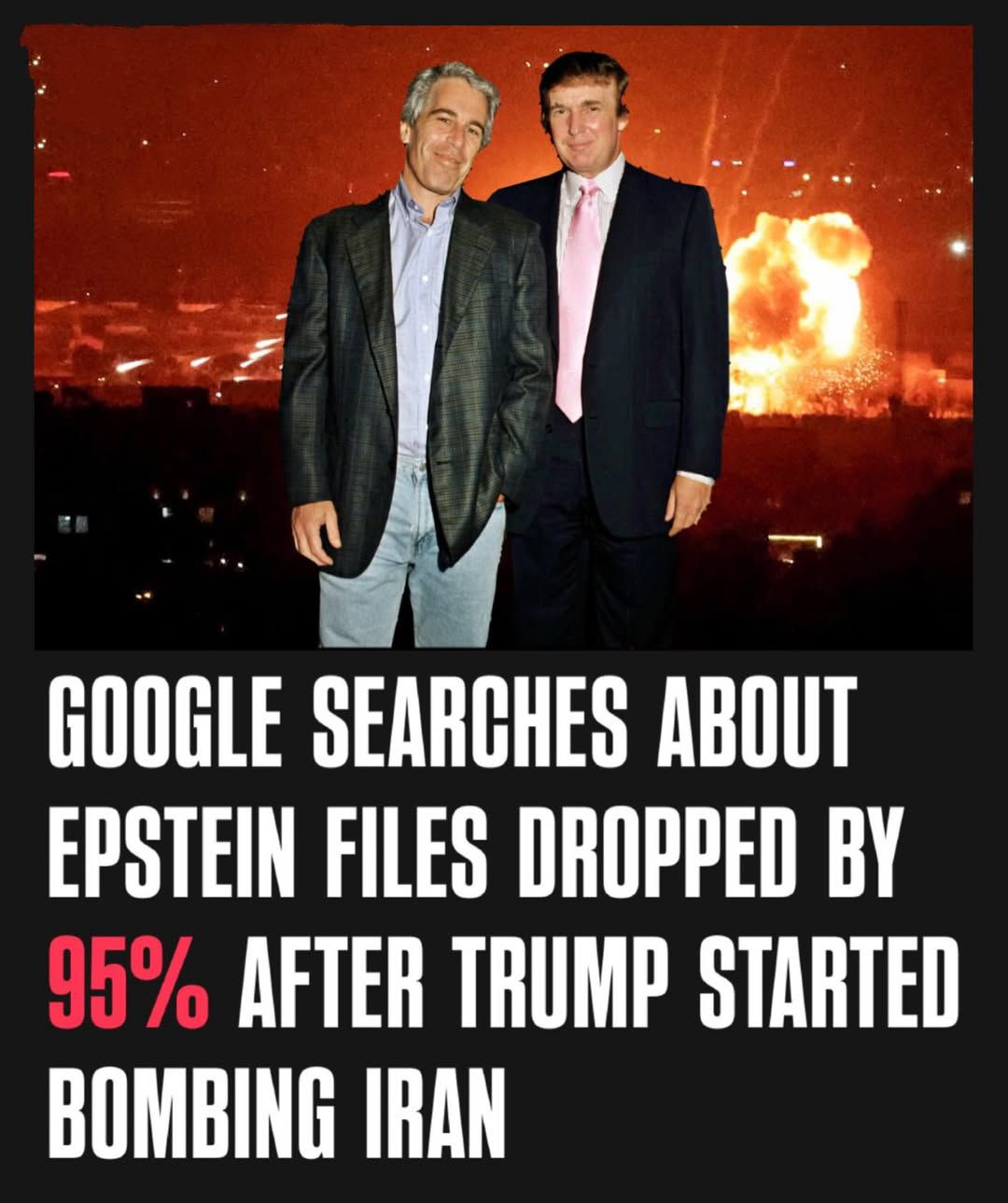
  • Online interest in Jeffrey Epstein dropped sharply after Donald Trump ordered military strikes against Iran, according to new Google Trends data.
    Searches related to Epstein document releases and subpoenas tied to officials at the U.S. Department of Justice were near a recent peak in late February. But after military action began on February 27, public attention shifted dramatically.
    Queries connected to the Iran conflict surged by more than 1,200%, while searches about Epstein associates fell into what analysts called a statistical “dead zone.”
    The data highlights how quickly public attention can shift when a major geopolitical crisis begins. Wars and international conflicts often dominate headlines and social media conversations, pushing other major stories out of the spotlight.
    While Google Trends measures relative search interest rather than total search volume, the pattern still shows a clear change in what people were searching for online during the first days of the conflict.
    The analysis covered about a week of activity and revealed a stark contrast: as interest in the Iran war spiked, searches tied to the Epstein revelations sharply declined.
    #USPolitics #MediaTrends #JeffreyEpstein #IranConflict #GoogleTrends #PoliticalNews #BreakingNews #NewsAnalysis #GlobalPolitics
    Online interest in Jeffrey Epstein dropped sharply after Donald Trump ordered military strikes against Iran, according to new Google Trends data. Searches related to Epstein document releases and subpoenas tied to officials at the U.S. Department of Justice were near a recent peak in late February. But after military action began on February 27, public attention shifted dramatically. Queries connected to the Iran conflict surged by more than 1,200%, while searches about Epstein associates fell into what analysts called a statistical “dead zone.” The data highlights how quickly public attention can shift when a major geopolitical crisis begins. Wars and international conflicts often dominate headlines and social media conversations, pushing other major stories out of the spotlight. While Google Trends measures relative search interest rather than total search volume, the pattern still shows a clear change in what people were searching for online during the first days of the conflict. The analysis covered about a week of activity and revealed a stark contrast: as interest in the Iran war spiked, searches tied to the Epstein revelations sharply declined. #USPolitics #MediaTrends #JeffreyEpstein #IranConflict #GoogleTrends #PoliticalNews #BreakingNews #NewsAnalysis #GlobalPolitics
    Like
    Love
    Wow
    3
    0 Comments 0 Shares 3K Views 0 Reviews
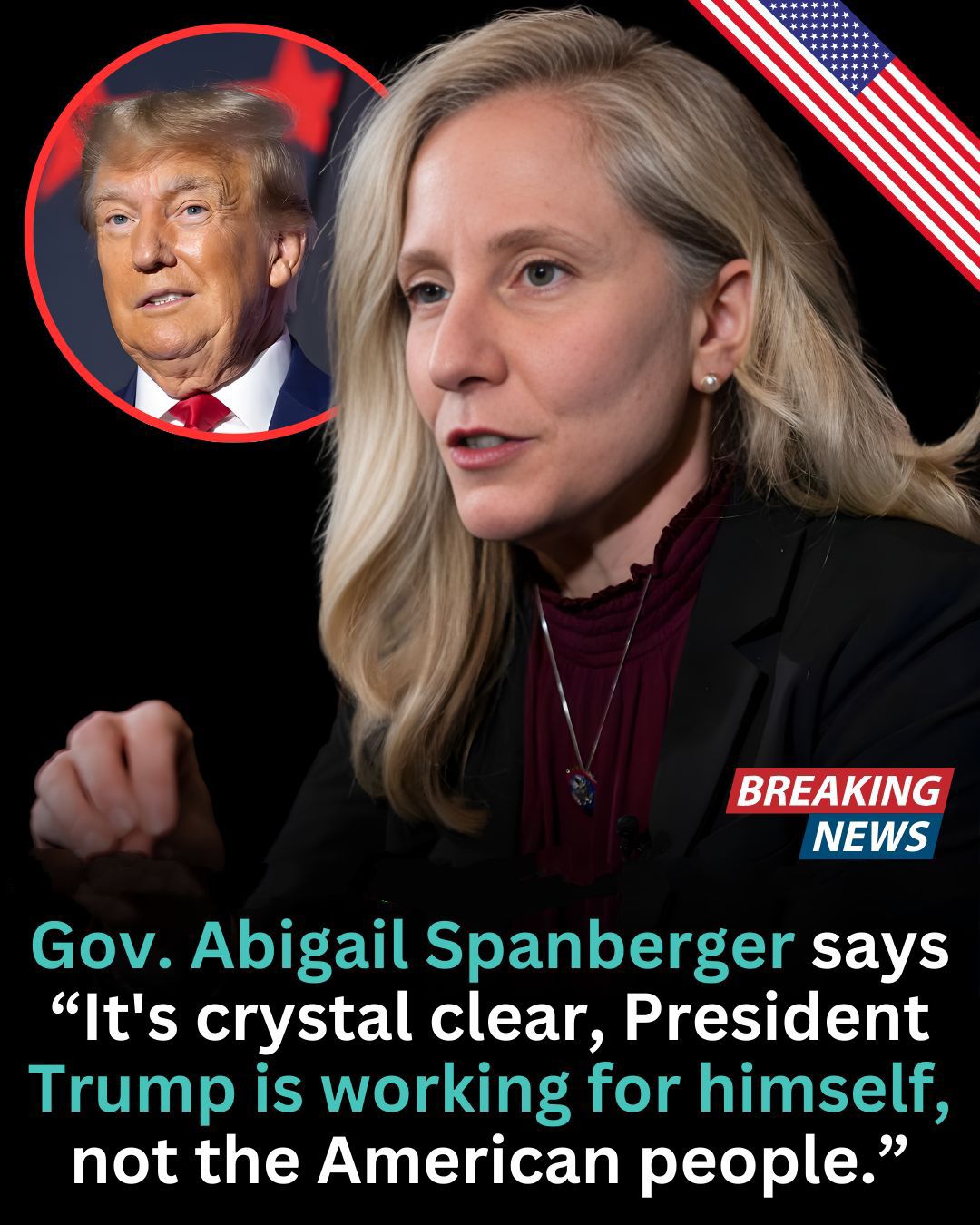
  • Virginia Governor Abigail Spanberger delivered a pointed response following President Donald Trump’s State of the Union address, challenging his claim that the country is entering a “golden age.” Her remarks quickly gained attention across political circles and social media, highlighting sharp disagreements over the current direction of the nation.
    Spanberger, a former CIA officer and the first woman elected governor of Virginia, focused heavily on economic pressures affecting everyday Americans. She argued that many families are still struggling with rising living costs despite claims of strong economic performance.
    During her speech, she also raised concerns about transparency and influence in federal decision-making. Her comments referenced broader debates in Washington involving policy decisions tied to wealthy donors, emerging cryptocurrency regulations, and ongoing scrutiny of government accountability.
    Supporters of the administration strongly rejected her criticism, pointing to improvements in economic indicators, border policies, and job growth as evidence that the country is on a positive path. Republican leaders described the response as a routine partisan critique that typically follows major presidential addresses.
    The exchange reflects the deep political divide shaping national conversations ahead of upcoming elections, with leaders from both parties increasingly framing economic and governance issues in very different ways as they seek to mobilize voters.
    #USPolitics #PoliticalDebate #AmericanPolitics #StateOfTheUnion #PoliticalNews
    Virginia Governor Abigail Spanberger delivered a pointed response following President Donald Trump’s State of the Union address, challenging his claim that the country is entering a “golden age.” Her remarks quickly gained attention across political circles and social media, highlighting sharp disagreements over the current direction of the nation. Spanberger, a former CIA officer and the first woman elected governor of Virginia, focused heavily on economic pressures affecting everyday Americans. She argued that many families are still struggling with rising living costs despite claims of strong economic performance. During her speech, she also raised concerns about transparency and influence in federal decision-making. Her comments referenced broader debates in Washington involving policy decisions tied to wealthy donors, emerging cryptocurrency regulations, and ongoing scrutiny of government accountability. Supporters of the administration strongly rejected her criticism, pointing to improvements in economic indicators, border policies, and job growth as evidence that the country is on a positive path. Republican leaders described the response as a routine partisan critique that typically follows major presidential addresses. The exchange reflects the deep political divide shaping national conversations ahead of upcoming elections, with leaders from both parties increasingly framing economic and governance issues in very different ways as they seek to mobilize voters. #USPolitics #PoliticalDebate #AmericanPolitics #StateOfTheUnion #PoliticalNews
    Like
    Love
    Wow
    3
    0 Comments 0 Shares 2K Views 0 Reviews
  • President Donald Trump announced he will issue an executive order mandating Voter ID requirements nationwide “shortly” if Congress does not pass legislation. Speaking to supporters, Trump argued that stricter voter identification rules are necessary for stronger election security, calling current systems vulnerable to fraud.
    Legal experts note, however, that election administration is largely handled by individual states under the U.S. Constitution. While a president can issue executive orders directing federal agencies, implementing a nationwide voter ID mandate without congressional approval would likely face immediate legal challenges and questions about federal authority versus states’ rights.
    The debate over voter ID laws remains deeply partisan. Supporters argue such measures protect election integrity, while opponents contend they can disproportionately impact certain groups of voters. Whether Congress takes action or the issue moves to the courts, it is clear that election law will continue to be a major flashpoint in national politics.
    #USPolitics #ElectionSecurity #VoterIDDebate #ExecutiveOrder #Congress #VotingRights #PoliticalNews
    President Donald Trump announced he will issue an executive order mandating Voter ID requirements nationwide “shortly” if Congress does not pass legislation. Speaking to supporters, Trump argued that stricter voter identification rules are necessary for stronger election security, calling current systems vulnerable to fraud. Legal experts note, however, that election administration is largely handled by individual states under the U.S. Constitution. While a president can issue executive orders directing federal agencies, implementing a nationwide voter ID mandate without congressional approval would likely face immediate legal challenges and questions about federal authority versus states’ rights. The debate over voter ID laws remains deeply partisan. Supporters argue such measures protect election integrity, while opponents contend they can disproportionately impact certain groups of voters. Whether Congress takes action or the issue moves to the courts, it is clear that election law will continue to be a major flashpoint in national politics. #USPolitics #ElectionSecurity #VoterIDDebate #ExecutiveOrder #Congress #VotingRights #PoliticalNews
    Like
    Love
    Wow
    3
    0 Comments 0 Shares 4K Views 0 Reviews
  • Recently, a small group of U.S. senators publicly called for Donald Trump to be removed from office using the Twenty-Fifth Amendment, citing controversy over his proposal to assert U.S. control over Greenland and concerns about his leadership. Senator Ed Markey and several fellow Democrats argued that the amendment exists for situations in which a president is believed to be unable to carry out the duties of the office. The Twenty-Fifth Amendment provides a constitutional process allowing the vice president and a majority of the Cabinet to declare a president unfit, temporarily transferring power. However, it has never been used to remove a sitting president, and constitutional scholars note that such a move would require cooperation from the vice president and most Cabinet members — making it unlikely without significant bipartisan support.
    #USPolitics #TwentyFifthAmendment #Congress #WhiteHouse #Constitution #PoliticalNews
    Recently, a small group of U.S. senators publicly called for Donald Trump to be removed from office using the Twenty-Fifth Amendment, citing controversy over his proposal to assert U.S. control over Greenland and concerns about his leadership. Senator Ed Markey and several fellow Democrats argued that the amendment exists for situations in which a president is believed to be unable to carry out the duties of the office. The Twenty-Fifth Amendment provides a constitutional process allowing the vice president and a majority of the Cabinet to declare a president unfit, temporarily transferring power. However, it has never been used to remove a sitting president, and constitutional scholars note that such a move would require cooperation from the vice president and most Cabinet members — making it unlikely without significant bipartisan support. #USPolitics #TwentyFifthAmendment #Congress #WhiteHouse #Constitution #PoliticalNews
    Like
    Love
    Wow
    3
    0 Comments 0 Shares 2K Views 0 Reviews
More Results