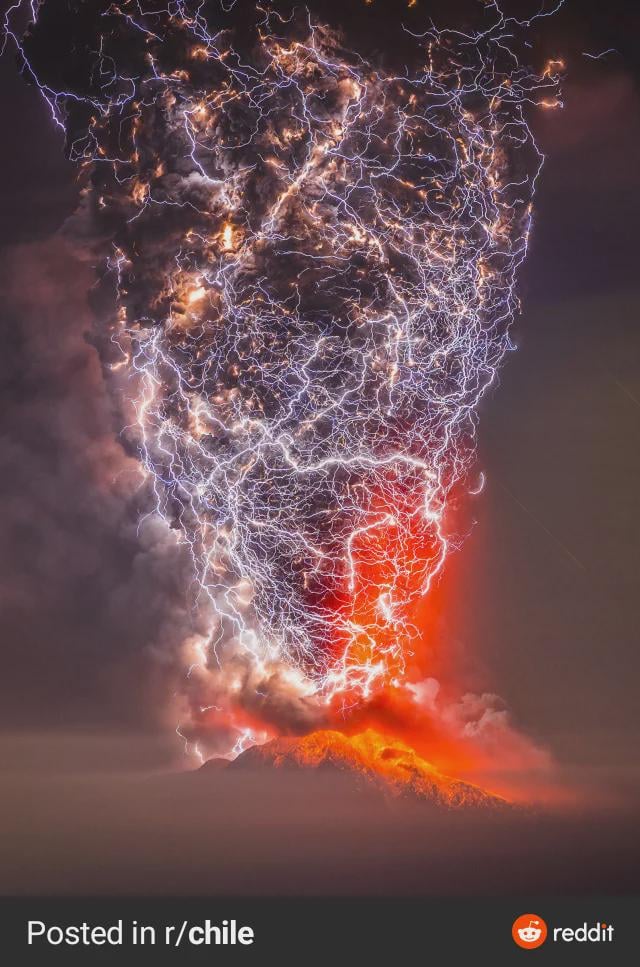
Indonesia’s Lewotobi Laki-Laki volcano, located on Flores Island, erupted twice in the span of two days—on June 17 and 18, 2025. The first eruption launched a massive ash plume nearly 11 kilometers (about 6.8 miles) into the sky, forming a dramatic mushroom-shaped cloud visible from up to 150 kilometers away.
The second eruption followed with a slightly smaller ash column reaching 3–5 kilometers high. These eruptions prompted authorities to raise the volcano’s alert status to the highest level (Level 4), indicating significant risk to nearby populations.
The eruptions forced the closure of Maumere Airport and disrupted dozens of international flights to and from Bali, affecting travelers from India, Singapore, Australia, and other countries.
Officials extended the evacuation zone to an 8-kilometer radius around the volcano, urging residents of villages like Boru, Hewa, and Watobuku to leave the area. Ash and volcanic debris blanketed these communities, though fortunately no casualties have been reported so far.
The Indonesian volcanology agency warned of further activity, especially given recent heavy rainfall, which raises the risk of secondary hazards such as lava flows or volcanic mudslides.
Emergency teams continue to monitor the volcano closely, while local residents brace for possible aftershocks or additional eruptions in the coming days.
Indonesia’s Lewotobi Laki-Laki volcano, located on Flores Island, erupted twice in the span of two days—on June 17 and 18, 2025. The first eruption launched a massive ash plume nearly 11 kilometers (about 6.8 miles) into the sky, forming a dramatic mushroom-shaped cloud visible from up to 150 kilometers away.
The second eruption followed with a slightly smaller ash column reaching 3–5 kilometers high. These eruptions prompted authorities to raise the volcano’s alert status to the highest level (Level 4), indicating significant risk to nearby populations.
The eruptions forced the closure of Maumere Airport and disrupted dozens of international flights to and from Bali, affecting travelers from India, Singapore, Australia, and other countries.
Officials extended the evacuation zone to an 8-kilometer radius around the volcano, urging residents of villages like Boru, Hewa, and Watobuku to leave the area. Ash and volcanic debris blanketed these communities, though fortunately no casualties have been reported so far.
The Indonesian volcanology agency warned of further activity, especially given recent heavy rainfall, which raises the risk of secondary hazards such as lava flows or volcanic mudslides.
Emergency teams continue to monitor the volcano closely, while local residents brace for possible aftershocks or additional eruptions in the coming days.









 Language
 English
 VN
VN
 French
 Spanish
 Portuguese
 Deutsch
 Turkish
 Dutch
Dutch
 Italiano
 Romaian
 Portuguese (Brazil)
 Greek
Greek
 Arabic