



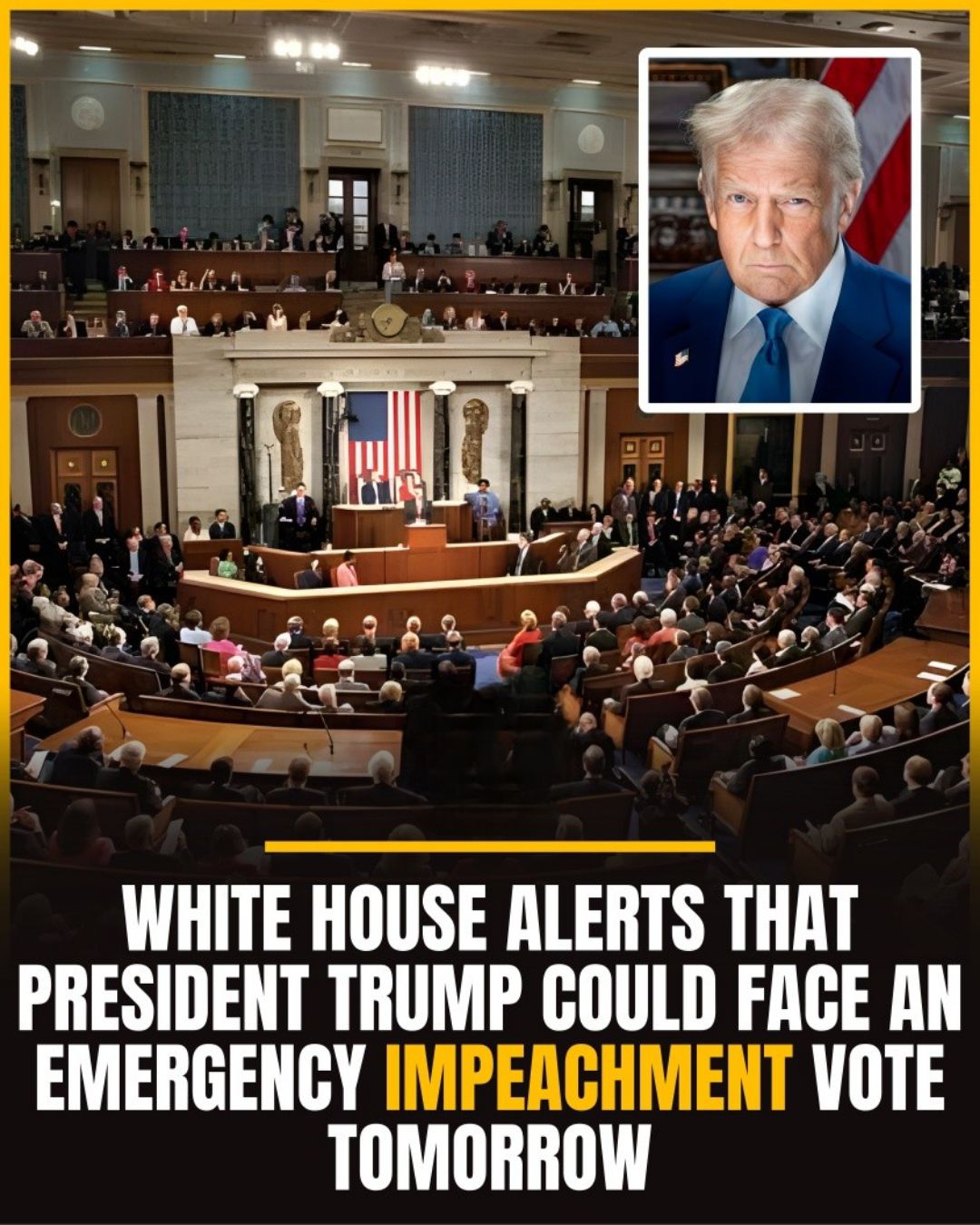
A major political development like a group of lawmakers calling for the removal of Donald Trump would likely have a strong ripple effect across United States Congress and the broader political climate. When multiple members publicly push for such action—whether through impeachment discussions or other constitutional mechanisms—it typically increases political tension and draws intense media attention.
In the short term, moves like this often deepen political divisions. Supporters of the president may rally more strongly behind him, while critics push harder for accountability. This can lead to heated debates, protests, and a surge in public discussion about leadership, constitutional authority, and the limits of executive power. It can also slow down normal legislative work, as lawmakers shift focus from policy-making to investigations or hearings.
Over the longer term, the impact depends on how much support the effort gains and whether it leads to formal legal or constitutional action. Even without removal, such calls can shape election campaigns, influence public trust in government institutions, and affect relationships between political parties. Situations like this often mark turning points that define political narratives for months—or even years—to come.
#USPolitics #PoliticalUpdate #CongressNews #BreakingPolitics #WashingtonDC #GovernmentNews #PoliticalDebate #CurrentEvents #Democracy #TrendingNews
In the short term, moves like this often deepen political divisions. Supporters of the president may rally more strongly behind him, while critics push harder for accountability. This can lead to heated debates, protests, and a surge in public discussion about leadership, constitutional authority, and the limits of executive power. It can also slow down normal legislative work, as lawmakers shift focus from policy-making to investigations or hearings.
Over the longer term, the impact depends on how much support the effort gains and whether it leads to formal legal or constitutional action. Even without removal, such calls can shape election campaigns, influence public trust in government institutions, and affect relationships between political parties. Situations like this often mark turning points that define political narratives for months—or even years—to come.
#USPolitics #PoliticalUpdate #CongressNews #BreakingPolitics #WashingtonDC #GovernmentNews #PoliticalDebate #CurrentEvents #Democracy #TrendingNews
A major political development like a group of lawmakers calling for the removal of Donald Trump would likely have a strong ripple effect across United States Congress and the broader political climate. When multiple members publicly push for such action—whether through impeachment discussions or other constitutional mechanisms—it typically increases political tension and draws intense media attention.
In the short term, moves like this often deepen political divisions. Supporters of the president may rally more strongly behind him, while critics push harder for accountability. This can lead to heated debates, protests, and a surge in public discussion about leadership, constitutional authority, and the limits of executive power. It can also slow down normal legislative work, as lawmakers shift focus from policy-making to investigations or hearings.
Over the longer term, the impact depends on how much support the effort gains and whether it leads to formal legal or constitutional action. Even without removal, such calls can shape election campaigns, influence public trust in government institutions, and affect relationships between political parties. Situations like this often mark turning points that define political narratives for months—or even years—to come.
#USPolitics #PoliticalUpdate #CongressNews #BreakingPolitics #WashingtonDC #GovernmentNews #PoliticalDebate #CurrentEvents #Democracy #TrendingNews



 Language
 English
 VN
VN
 French
 Spanish
 Portuguese
 Deutsch
 Turkish
 Dutch
Dutch
 Italiano
 Russian
 Portuguese (Brazil)
 Greek
Greek
 Arabic