


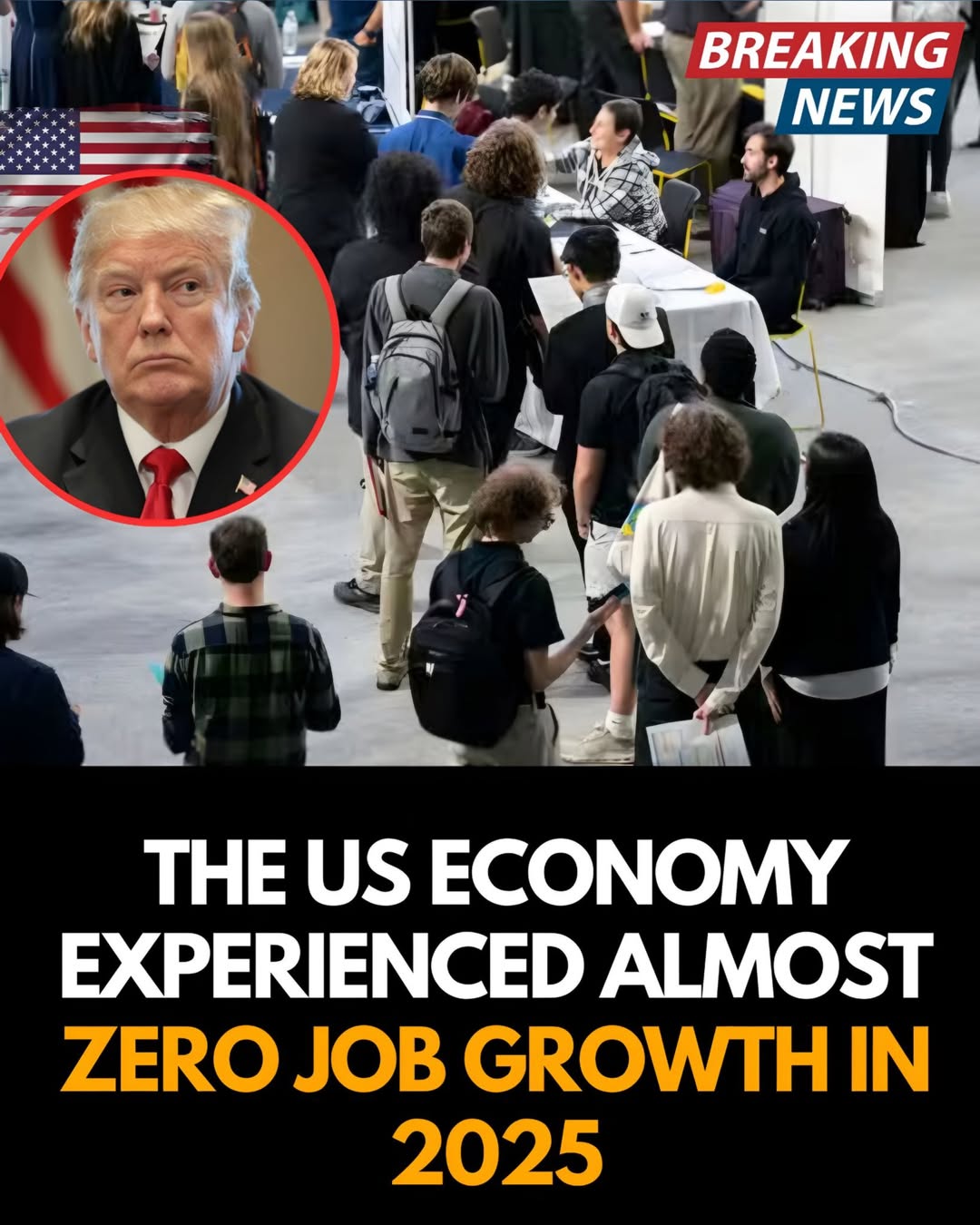
Recent economic reports have indicated that job growth in the United States during 2025 was considerably slower than in previous years, with several analysts describing the pace as near stagnation. Official data from agencies like the Bureau of Labor Statistics will eventually provide the most detailed picture, with breakdowns by month, industry, and demographic groups.
Slower job growth can stem from a mix of influences — persistently higher interest rates, reduced consumer demand, challenges in global trade, accelerating automation, and shifts in corporate hiring strategies are all factors that can cool employment momentum. In some cases, hiring may flatten even while the official unemployment rate stays relatively stable, especially if people stop looking for work or labor force participation changes.
Economists typically look at a broader set of indicators beyond headline job growth to gauge the health of the labor market, including wage trends, labor force participation, small business hiring, and sector-specific performance. A slowdown in hiring does not automatically mean a recession is imminent, but it can signal softening economic conditions if paired with weakness in other areas.
Policy responses — whether from fiscal authorities in Congress or through adjustments in monetary policy by the Federal Reserve — will likely depend on whether the slowdown persists and how other economic indicators evolve over time.
#USEconomy #JobsReport #EconomicUpdate #LaborMarket #BLS #BreakingNews #EmploymentTrends
Slower job growth can stem from a mix of influences — persistently higher interest rates, reduced consumer demand, challenges in global trade, accelerating automation, and shifts in corporate hiring strategies are all factors that can cool employment momentum. In some cases, hiring may flatten even while the official unemployment rate stays relatively stable, especially if people stop looking for work or labor force participation changes.
Economists typically look at a broader set of indicators beyond headline job growth to gauge the health of the labor market, including wage trends, labor force participation, small business hiring, and sector-specific performance. A slowdown in hiring does not automatically mean a recession is imminent, but it can signal softening economic conditions if paired with weakness in other areas.
Policy responses — whether from fiscal authorities in Congress or through adjustments in monetary policy by the Federal Reserve — will likely depend on whether the slowdown persists and how other economic indicators evolve over time.
#USEconomy #JobsReport #EconomicUpdate #LaborMarket #BLS #BreakingNews #EmploymentTrends
Recent economic reports have indicated that job growth in the United States during 2025 was considerably slower than in previous years, with several analysts describing the pace as near stagnation. Official data from agencies like the Bureau of Labor Statistics will eventually provide the most detailed picture, with breakdowns by month, industry, and demographic groups.
Slower job growth can stem from a mix of influences — persistently higher interest rates, reduced consumer demand, challenges in global trade, accelerating automation, and shifts in corporate hiring strategies are all factors that can cool employment momentum. In some cases, hiring may flatten even while the official unemployment rate stays relatively stable, especially if people stop looking for work or labor force participation changes.
Economists typically look at a broader set of indicators beyond headline job growth to gauge the health of the labor market, including wage trends, labor force participation, small business hiring, and sector-specific performance. A slowdown in hiring does not automatically mean a recession is imminent, but it can signal softening economic conditions if paired with weakness in other areas.
Policy responses — whether from fiscal authorities in Congress or through adjustments in monetary policy by the Federal Reserve — will likely depend on whether the slowdown persists and how other economic indicators evolve over time.
#USEconomy #JobsReport #EconomicUpdate #LaborMarket #BLS #BreakingNews #EmploymentTrends


 Language
 English
 VN
VN
 French
 Spanish
 Portuguese
 Deutsch
 Turkish
 Dutch
Dutch
 Russian
 Romaian
 Portuguese (Brazil)
 Greek
Greek
 Arabic