
• President Trump has unveiled a sweeping geopolitical vision titled "Greater North America," a proposal aimed at consolidating economic and security interests across the continent. This ambitious framework suggests a new level of integration between the United States, Canada, and Mexico, while remarkably reviving interest in the acquisition of Greenland as a strategic northern anchor.

    The "Greater North America" initiative is framed as a response to growing global competition, particularly from Eastern powers. By creating a unified "super-bloc" extending from the Arctic Circle down to the Panama Canal, the administration seeks to secure vital supply lines, energy resources, and maritime gateways. The inclusion of the Panama Canal underscores the plan's focus on controlling the most critical logistical chokepoints in the Western Hemisphere.

    Economic analysts view this as an evolution of the USMCA, moving beyond mere trade agreements toward a more formal "Continental Security and Economic Zone." This would involve standardized infrastructure projects, unified energy grids, and a collective defense strategy designed to make the continent entirely self-sufficient.

    While the proposal has sparked intense debate among neighboring governments regarding national sovereignty, the White House maintains that such a union is necessary for the long-term prosperity of all member states. The strategy emphasizes that a "United Continent" would possess an unparalleled market size and resource base, effectively insulated from external economic shocks.

    As the administration begins to socialize this "Greater North America" concept with regional leaders, the international community is closely watching for signs of formal negotiations. Whether this represents a literal expansion of territory or a profound deepening of existing alliances, it marks a historic shift in American foreign policy toward its immediate neighbors.

    #Trump #NorthAmerica #Geopolitics #Greenland #BreakingNews
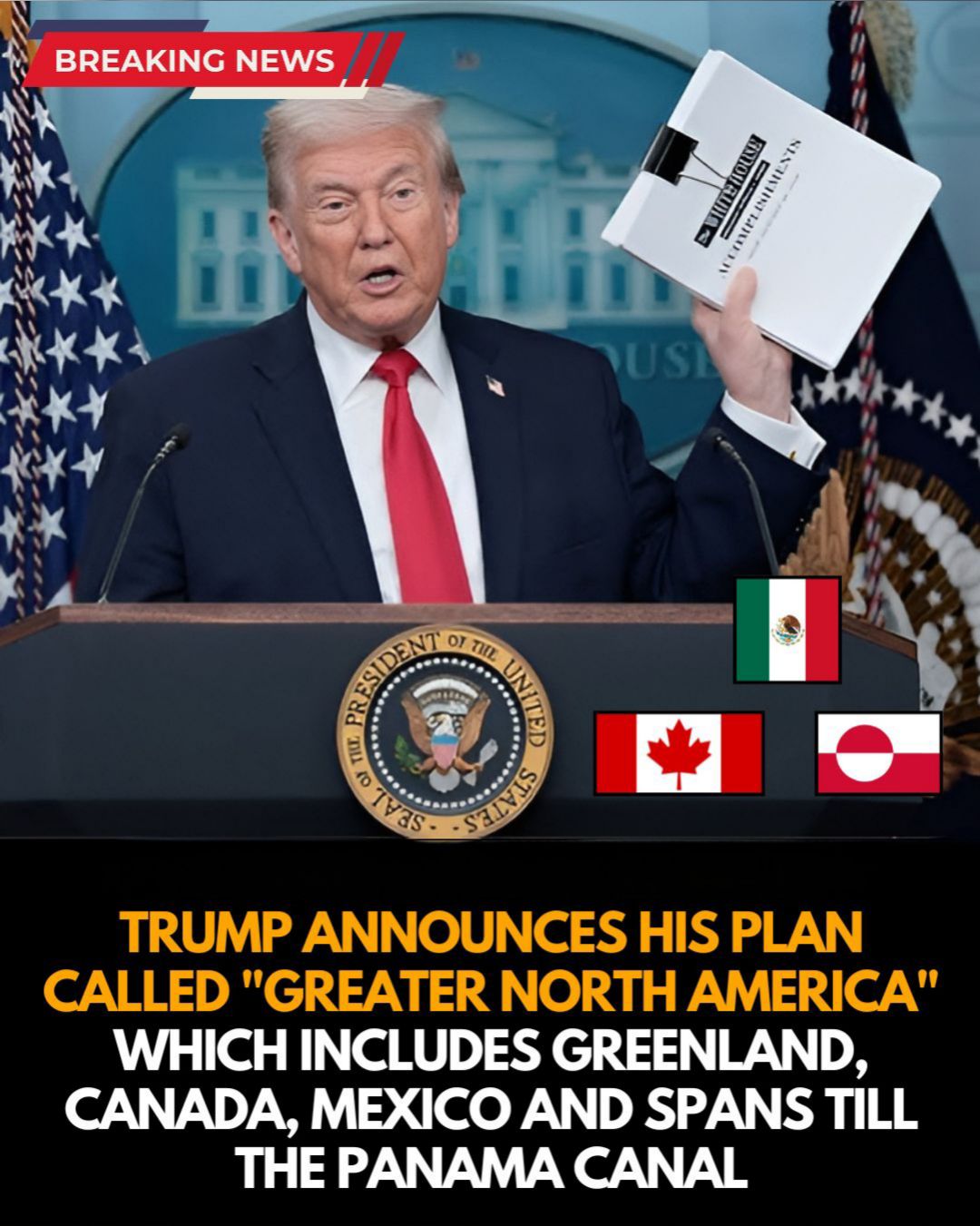
    President Trump has unveiled a sweeping geopolitical vision titled "Greater North America," a proposal aimed at consolidating economic and security interests across the continent. This ambitious framework suggests a new level of integration between the United States, Canada, and Mexico, while remarkably reviving interest in the acquisition of Greenland as a strategic northern anchor. The "Greater North America" initiative is framed as a response to growing global competition, particularly from Eastern powers. By creating a unified "super-bloc" extending from the Arctic Circle down to the Panama Canal, the administration seeks to secure vital supply lines, energy resources, and maritime gateways. The inclusion of the Panama Canal underscores the plan's focus on controlling the most critical logistical chokepoints in the Western Hemisphere. Economic analysts view this as an evolution of the USMCA, moving beyond mere trade agreements toward a more formal "Continental Security and Economic Zone." This would involve standardized infrastructure projects, unified energy grids, and a collective defense strategy designed to make the continent entirely self-sufficient. While the proposal has sparked intense debate among neighboring governments regarding national sovereignty, the White House maintains that such a union is necessary for the long-term prosperity of all member states. The strategy emphasizes that a "United Continent" would possess an unparalleled market size and resource base, effectively insulated from external economic shocks. As the administration begins to socialize this "Greater North America" concept with regional leaders, the international community is closely watching for signs of formal negotiations. Whether this represents a literal expansion of territory or a profound deepening of existing alliances, it marks a historic shift in American foreign policy toward its immediate neighbors. #Trump #NorthAmerica #Geopolitics #Greenland #BreakingNews
    Like
    Love
    Wow
    3
    0 Comentários 0 Compartilhamentos 296 Visualizações 0 Anterior
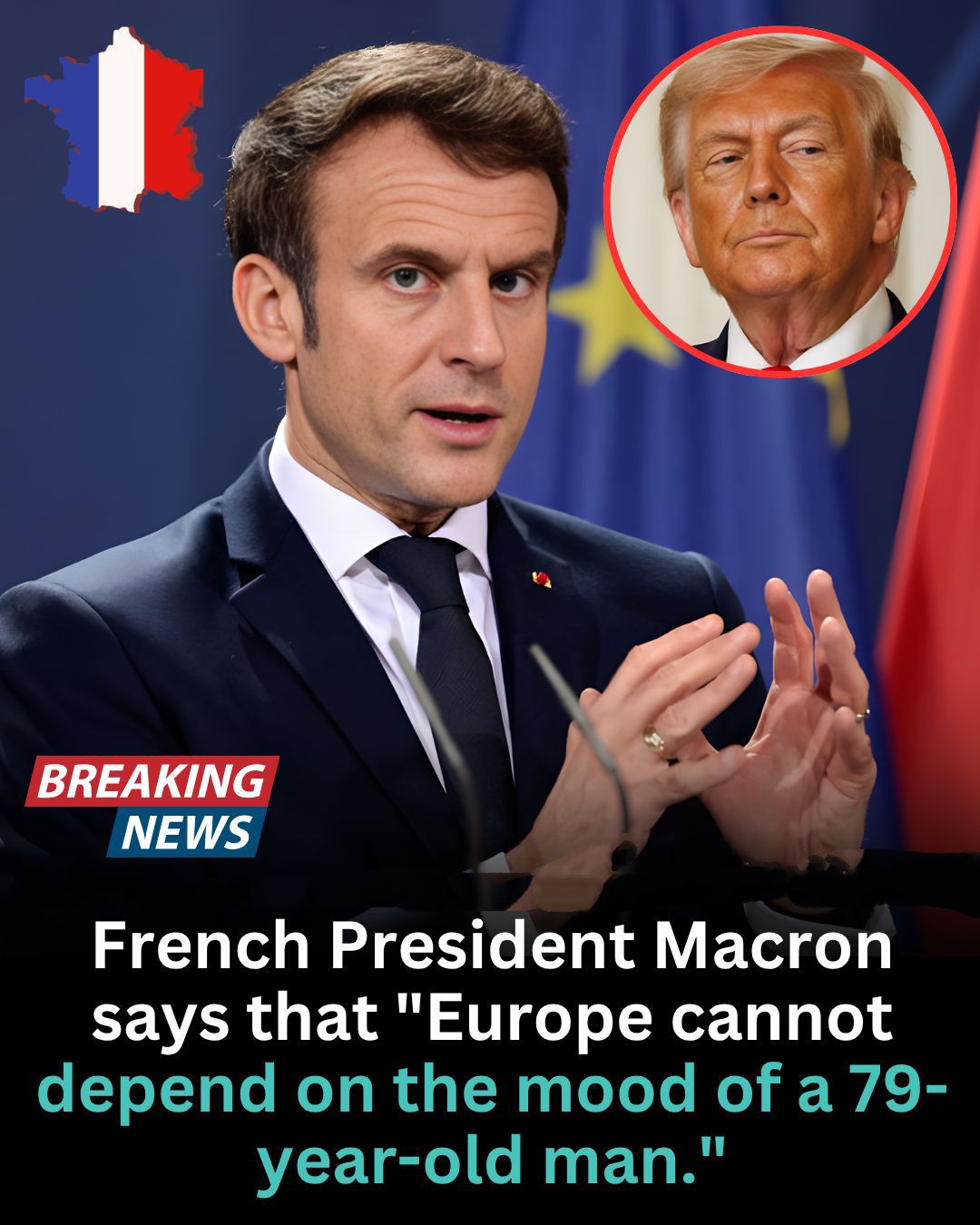
  • Macron Fires Back: “Europe Can’t Be at the Mercy of Shocks and Fluctuations”
    In a pointed 2026 address, President Emmanuel Macron criticized U.S. foreign policy under Donald Trump, highlighting concerns over relying on a single leader’s personal temperament. Referring to Trump as the “79-year-old man” in charge of global decisions, Macron stressed that Europe’s security and economic stability cannot depend on unpredictable moves.
    Tensions have escalated following Trump’s Greenland pressure tactics and heavy tariffs on European goods. In response, France is expanding its nuclear arsenal and pushing for a unified European defense pillar, aiming for true “strategic autonomy” independent of NATO command.
    The ongoing Iran war has added urgency, as Europe balances energy needs with U.S. military aggression. Macron is advocating for “Made in Europe” defense procurement to reduce dependence on American systems like the F-35, warning that overreliance makes Europe a “vassal” rather than a partner.
    While some Eastern European nations remain cautious, Macron’s rhetoric is reshaping the debate: Europe must decide how quickly it can build the industrial and military capacity to stand on its own.
    #Macron #EUDefense #StrategicAutonomy #Trump2026 #Geopolitics #EuropeanSecurity
    Macron Fires Back: “Europe Can’t Be at the Mercy of Shocks and Fluctuations” In a pointed 2026 address, President Emmanuel Macron criticized U.S. foreign policy under Donald Trump, highlighting concerns over relying on a single leader’s personal temperament. Referring to Trump as the “79-year-old man” in charge of global decisions, Macron stressed that Europe’s security and economic stability cannot depend on unpredictable moves. Tensions have escalated following Trump’s Greenland pressure tactics and heavy tariffs on European goods. In response, France is expanding its nuclear arsenal and pushing for a unified European defense pillar, aiming for true “strategic autonomy” independent of NATO command. The ongoing Iran war has added urgency, as Europe balances energy needs with U.S. military aggression. Macron is advocating for “Made in Europe” defense procurement to reduce dependence on American systems like the F-35, warning that overreliance makes Europe a “vassal” rather than a partner. While some Eastern European nations remain cautious, Macron’s rhetoric is reshaping the debate: Europe must decide how quickly it can build the industrial and military capacity to stand on its own. #Macron #EUDefense #StrategicAutonomy #Trump2026 #Geopolitics #EuropeanSecurity
    Like
    Love
    Wow
    3
    0 Comentários 0 Compartilhamentos 1K Visualizações 0 Anterior
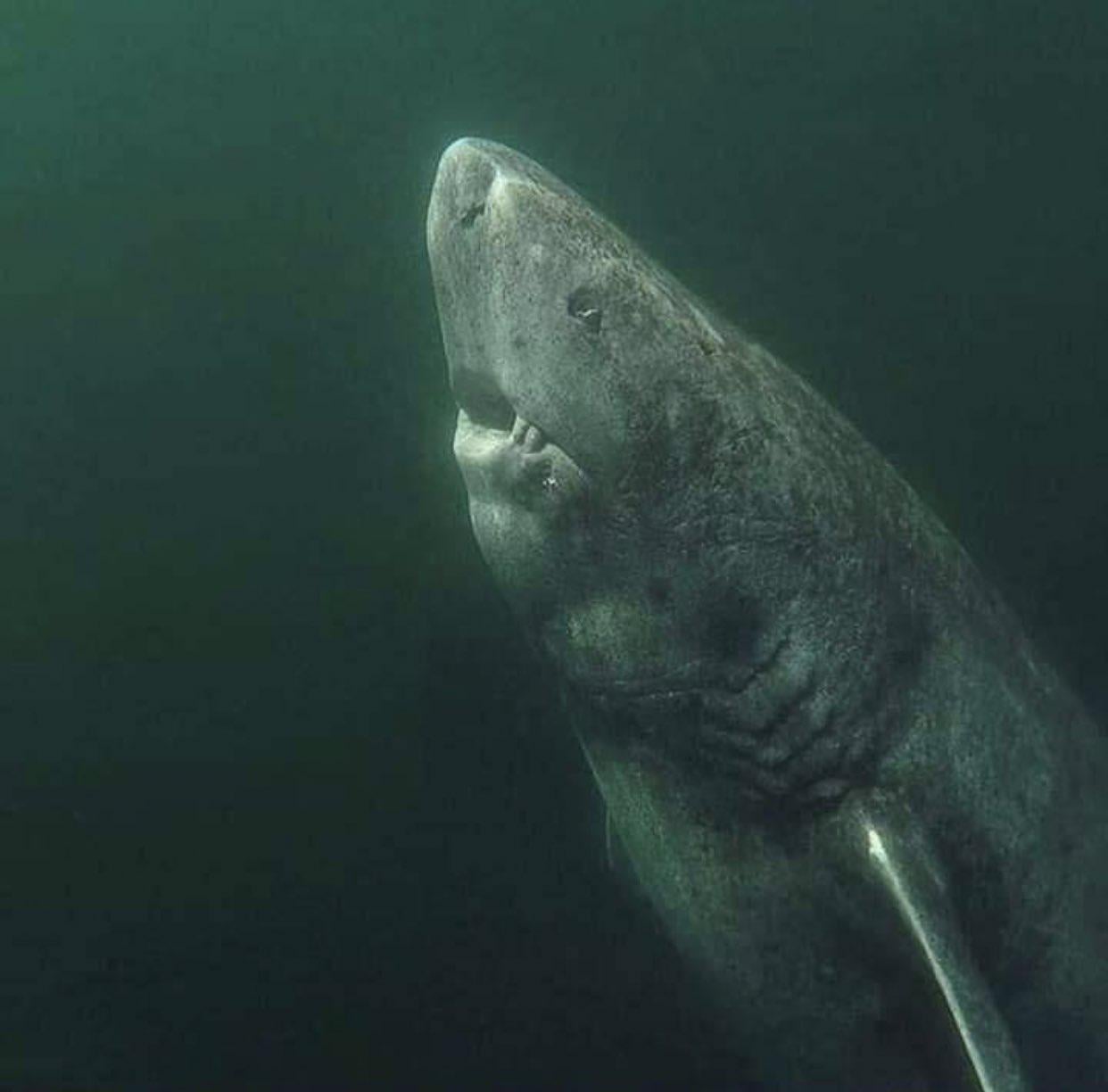
  • A 392 year old Greenland Shark that was located in Arctic Ocean. He’s been wandering the ocean since 1627
    A 392 year old Greenland Shark that was located in Arctic Ocean. He’s been wandering the ocean since 1627
    Like
    Love
    Wow
    3
    0 Comentários 0 Compartilhamentos 127K Visualizações 0 Anterior
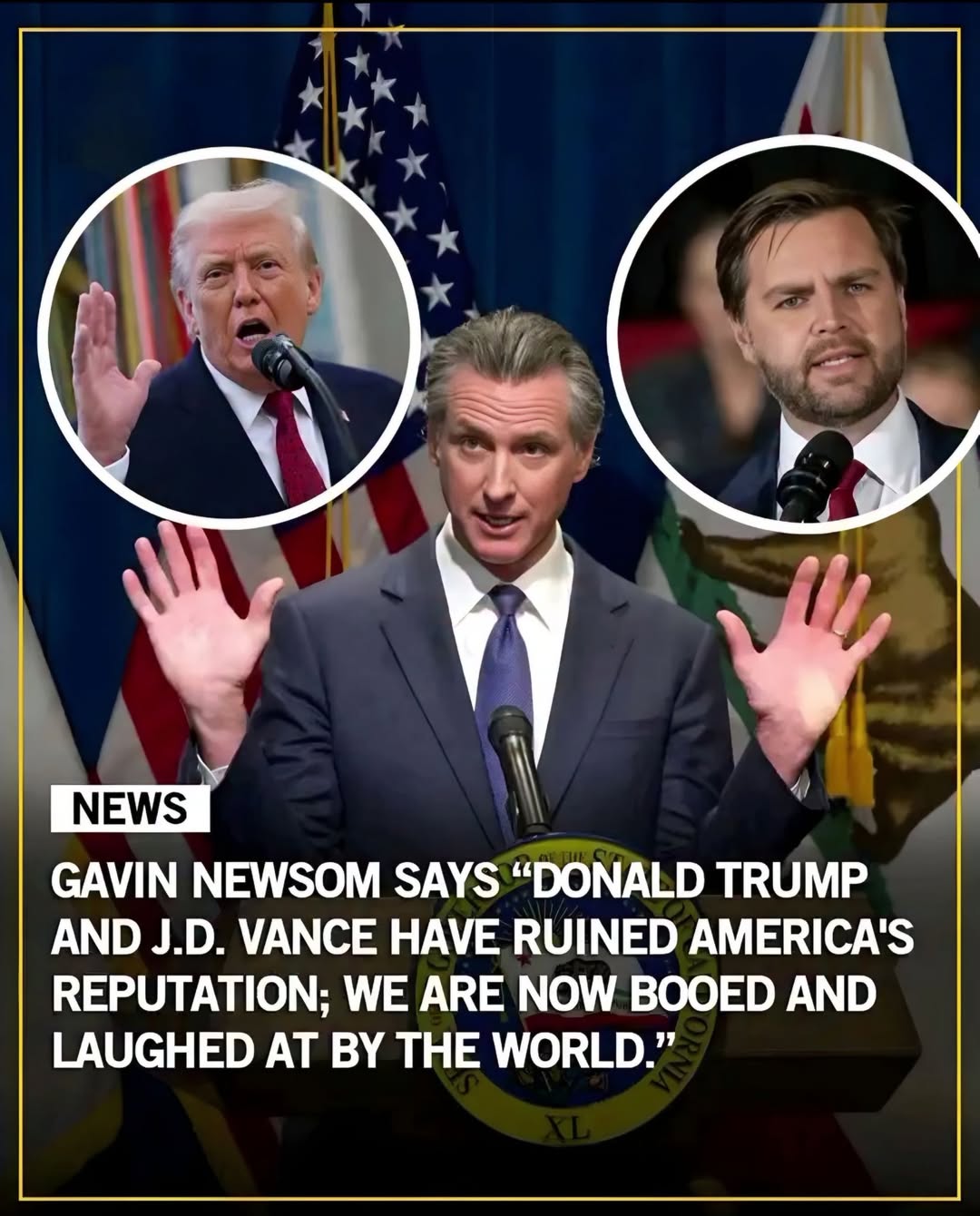
  • There is no widely documented modern precedent of a U.S. vice president being loudly booed at an Olympic opening ceremony, which is why the moment drew so much attention. During the February 6 Parade of Nations at the 2026 Winter Olympics in Milan, reports indicate that Team USA athletes received cheers as they entered San Siro Stadium, but when cameras cut to Vice President J.D. Vance and his wife, the crowd reaction included audible boos from portions of the 65,000-person audience. Canadian broadcaster CBC reportedly acknowledged the reaction on air, while NBC’s U.S. broadcast did not emphasize it.
    The response from the press office of Gavin Newsom criticized the administration’s foreign policy posture, linking the incident to broader tensions between the administration of Donald Trump and several European allies. Issues frequently cited in commentary include trade disputes, rhetoric surrounding Greenland, and immigration enforcement policies.
    Historically, Olympic ceremonies have occasionally featured political undercurrents, but overt crowd reactions toward U.S. vice presidents have been rare. As with many high-profile international events, interpretations of the moment vary depending on political perspective, and the broader diplomatic context continues to shape public reactions abroad.
    #Olympics2026 #JDVance #GavinNewsom #GlobalPolitics #USPolitics #WinterOlympics #InternationalRelations
    There is no widely documented modern precedent of a U.S. vice president being loudly booed at an Olympic opening ceremony, which is why the moment drew so much attention. During the February 6 Parade of Nations at the 2026 Winter Olympics in Milan, reports indicate that Team USA athletes received cheers as they entered San Siro Stadium, but when cameras cut to Vice President J.D. Vance and his wife, the crowd reaction included audible boos from portions of the 65,000-person audience. Canadian broadcaster CBC reportedly acknowledged the reaction on air, while NBC’s U.S. broadcast did not emphasize it. The response from the press office of Gavin Newsom criticized the administration’s foreign policy posture, linking the incident to broader tensions between the administration of Donald Trump and several European allies. Issues frequently cited in commentary include trade disputes, rhetoric surrounding Greenland, and immigration enforcement policies. Historically, Olympic ceremonies have occasionally featured political undercurrents, but overt crowd reactions toward U.S. vice presidents have been rare. As with many high-profile international events, interpretations of the moment vary depending on political perspective, and the broader diplomatic context continues to shape public reactions abroad. #Olympics2026 #JDVance #GavinNewsom #GlobalPolitics #USPolitics #WinterOlympics #InternationalRelations
    Like
    Love
    Wow
    3
    0 Comentários 0 Compartilhamentos 4K Visualizações 0 Anterior
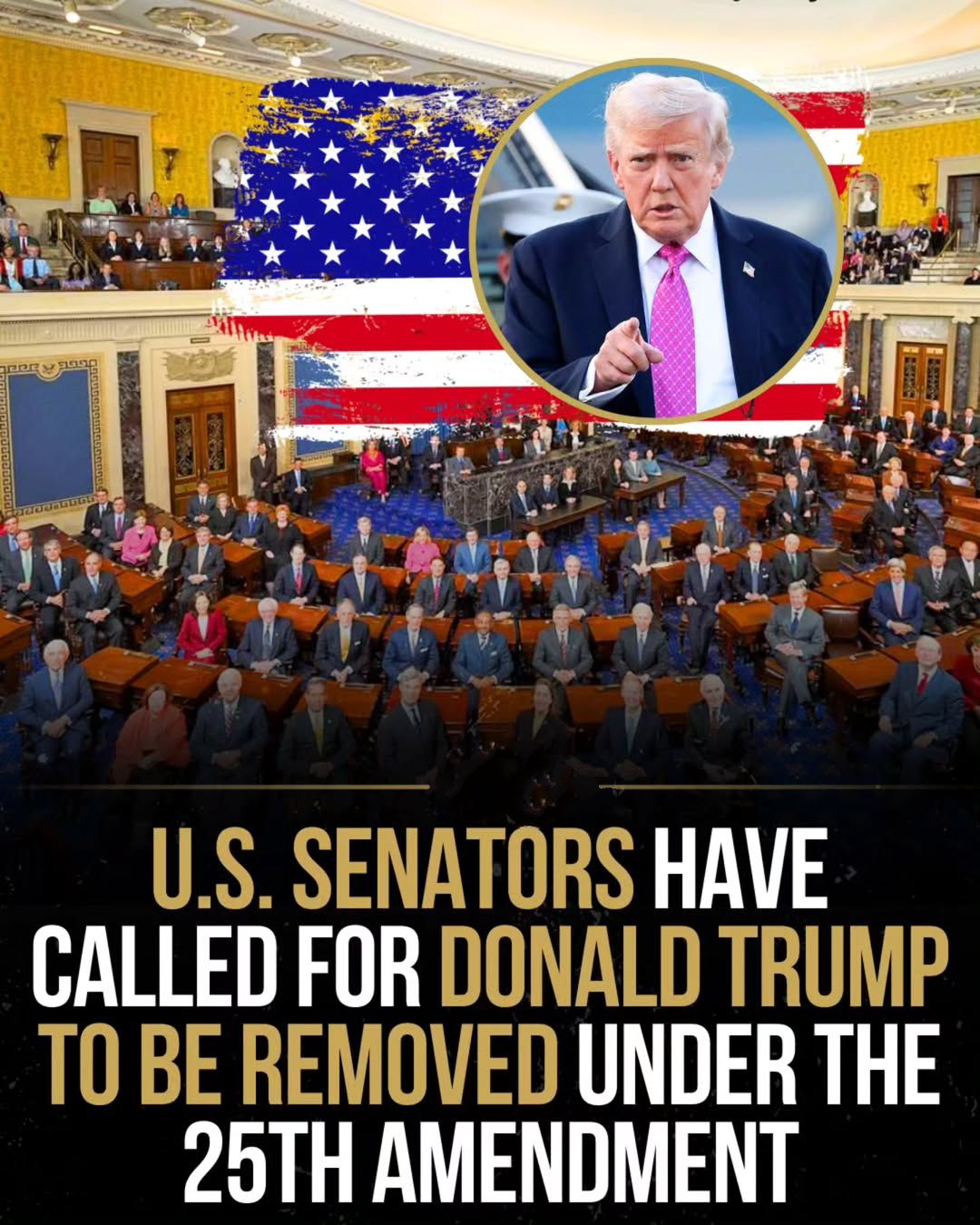
  • Recently, a small group of U.S. senators publicly called for Donald Trump to be removed from office using the Twenty-Fifth Amendment, citing controversy over his proposal to assert U.S. control over Greenland and concerns about his leadership. Senator Ed Markey and several fellow Democrats argued that the amendment exists for situations in which a president is believed to be unable to carry out the duties of the office. The Twenty-Fifth Amendment provides a constitutional process allowing the vice president and a majority of the Cabinet to declare a president unfit, temporarily transferring power. However, it has never been used to remove a sitting president, and constitutional scholars note that such a move would require cooperation from the vice president and most Cabinet members — making it unlikely without significant bipartisan support.
    #USPolitics #TwentyFifthAmendment #Congress #WhiteHouse #Constitution #PoliticalNews
    Recently, a small group of U.S. senators publicly called for Donald Trump to be removed from office using the Twenty-Fifth Amendment, citing controversy over his proposal to assert U.S. control over Greenland and concerns about his leadership. Senator Ed Markey and several fellow Democrats argued that the amendment exists for situations in which a president is believed to be unable to carry out the duties of the office. The Twenty-Fifth Amendment provides a constitutional process allowing the vice president and a majority of the Cabinet to declare a president unfit, temporarily transferring power. However, it has never been used to remove a sitting president, and constitutional scholars note that such a move would require cooperation from the vice president and most Cabinet members — making it unlikely without significant bipartisan support. #USPolitics #TwentyFifthAmendment #Congress #WhiteHouse #Constitution #PoliticalNews
    Like
    Love
    Wow
    3
    0 Comentários 0 Compartilhamentos 2K Visualizações 0 Anterior
Páginas Impulsionadas