• A direct message to the American people

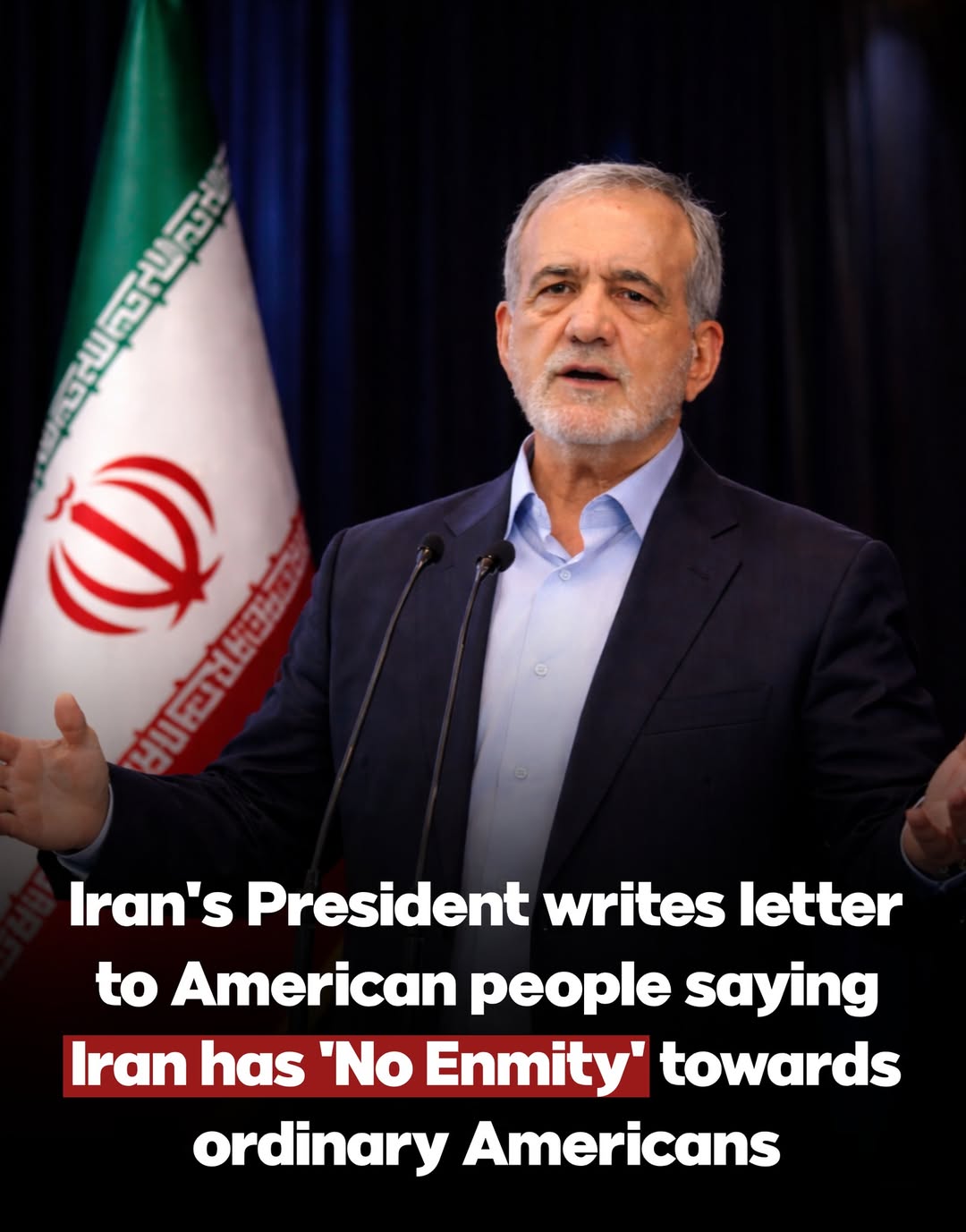
    Masoud Pezeshkian, President of Iran, shared a letter addressed not to officials — but directly to the people of the United States.

    His message was clear:

    Iran holds “no enmity” toward ordinary Americans
    The country distinguishes between governments and people
    Portraying Iran as a constant threat, he argued, does not reflect reality

    He also raised concerns about U.S. military presence in the region and questioned whether current actions truly serve the interests of American citizens.

    The letter comes at a time of rising tensions — but takes a different tone:

    Not confrontation.

    But an appeal directly to the public.

    In moments like this, diplomacy doesn’t just happen between governments…

    Sometimes, it speaks straight to the people.
    A direct message to the American people Masoud Pezeshkian, President of Iran, shared a letter addressed not to officials — but directly to the people of the United States. His message was clear: Iran holds “no enmity” toward ordinary Americans The country distinguishes between governments and people Portraying Iran as a constant threat, he argued, does not reflect reality He also raised concerns about U.S. military presence in the region and questioned whether current actions truly serve the interests of American citizens. The letter comes at a time of rising tensions — but takes a different tone: Not confrontation. But an appeal directly to the public. In moments like this, diplomacy doesn’t just happen between governments… Sometimes, it speaks straight to the people.
    Like
    Love
    Wow
    3
    0 Commenti 0 condivisioni 412 Views 0 Anteprima
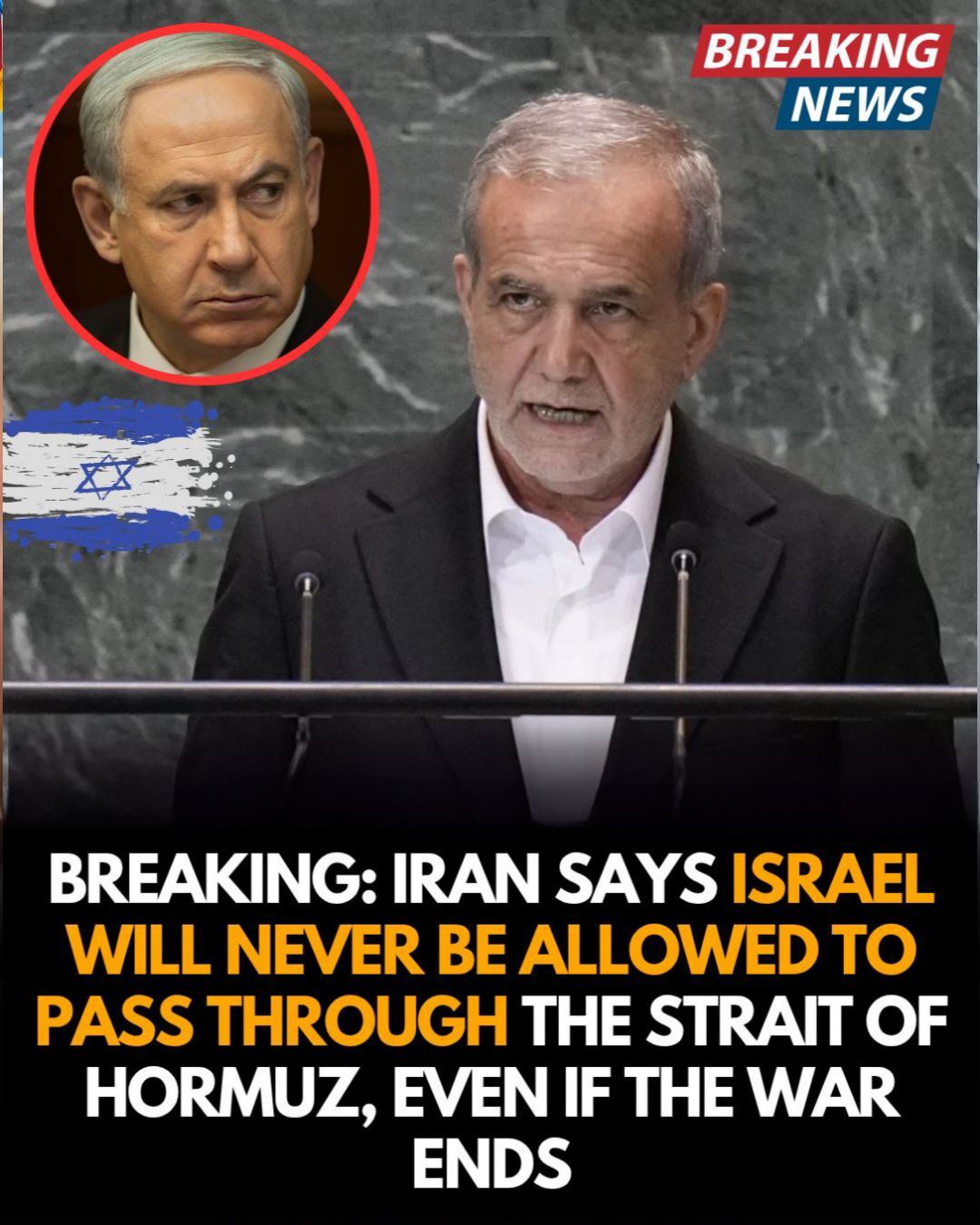
  • President Masoud Pezeshkian has issued a definitive and historic declaration regarding the future of Middle Eastern maritime security, stating that Israeli vessels will face a permanent ban from the Strait of Hormuz. This decree, delivered during a late-night address on April 1st, signals that Iran intends to maintain its blockade against Israel as a long-term strategic policy, regardless of any potential ceasefire or end to current hostilities.

    This hardline stance follows a day of intense military and diplomatic friction, including a massive new wave of Iranian missiles launched at Israel and the official rejection of President Trump’s ceasefire claims. By making this "never" pledge, Tehran is seeking to fundamentally alter the regional status quo and establish a new "Hormuz Doctrine" that excludes its primary adversary from the world's most critical energy chokepoint.

    The declaration comes as Russia, China, India, Iraq, and Pakistan enjoy exclusive "safe passage" through the corridor, creating a starkly divided maritime landscape. Iranian officials emphasized that while they are open to "brotherly" cooperation with neutral states like Malaysia and Oman, Israel remains an "existential enemy" that has forfeited all rights to regional transit.

    International analysts suggest this move is designed to maximize Israel’s long-term economic isolation and force the U.S.-led coalition into a difficult choice between accepting a permanent blockade or initiating a high-risk naval war. The White House has characterized the statement as "unacceptable and illegal," while Jerusalem has reiterated its right to defend freedom of navigation.

    As the IEA warns of a historic energy crisis and the 35-country summit in London enters its second day, the prospect of a diplomatic resolution has dimmed significantly. The world is watching to see if this permanent ban will be enforced by the IRGC’s coastal batteries or if it will trigger a decisive military confrontation to break the blockade once and for all.

    #NationalSecurity #MaritimeLaw #Geopolitics #MiddleEastWar #GlobalTrade
    President Masoud Pezeshkian has issued a definitive and historic declaration regarding the future of Middle Eastern maritime security, stating that Israeli vessels will face a permanent ban from the Strait of Hormuz. This decree, delivered during a late-night address on April 1st, signals that Iran intends to maintain its blockade against Israel as a long-term strategic policy, regardless of any potential ceasefire or end to current hostilities. This hardline stance follows a day of intense military and diplomatic friction, including a massive new wave of Iranian missiles launched at Israel and the official rejection of President Trump’s ceasefire claims. By making this "never" pledge, Tehran is seeking to fundamentally alter the regional status quo and establish a new "Hormuz Doctrine" that excludes its primary adversary from the world's most critical energy chokepoint. The declaration comes as Russia, China, India, Iraq, and Pakistan enjoy exclusive "safe passage" through the corridor, creating a starkly divided maritime landscape. Iranian officials emphasized that while they are open to "brotherly" cooperation with neutral states like Malaysia and Oman, Israel remains an "existential enemy" that has forfeited all rights to regional transit. International analysts suggest this move is designed to maximize Israel’s long-term economic isolation and force the U.S.-led coalition into a difficult choice between accepting a permanent blockade or initiating a high-risk naval war. The White House has characterized the statement as "unacceptable and illegal," while Jerusalem has reiterated its right to defend freedom of navigation. As the IEA warns of a historic energy crisis and the 35-country summit in London enters its second day, the prospect of a diplomatic resolution has dimmed significantly. The world is watching to see if this permanent ban will be enforced by the IRGC’s coastal batteries or if it will trigger a decisive military confrontation to break the blockade once and for all. #NationalSecurity #MaritimeLaw #Geopolitics #MiddleEastWar #GlobalTrade
    Like
    Love
    Wow
    3
    0 Commenti 0 condivisioni 2K Views 0 Anteprima
  • BREAKING: Iran President Pezeshkian releases a lengthy public letter addressed to the American people ahead of Trump's address to the nation. Read the full letter here:

    "To the people of the United States of America, and to all those who, amid a flood of distortions and manufactured narratives, continue to seek the truth and aspire to a better life:

    Iran—by this very name, character, and identity—is one of the oldest continuous civilizations in human history. Despite its historical and geographical advantages at various times, Iran has never, in its modern history, chosen the path of aggression, expansion, colonialism, or domination. Even after enduring occupation, invasion, and sustained pressure from global powers—and despite possessing military superiority over many of its neighbors—Iran has never initiated a war. Yet it has resolutely and bravely repelled those who have attacked it.

    The Iranian people harbor no enmity toward other nations, including the people of America, Europe, or neighboring countries. Even in the face of repeated foreign interventions and pressures throughout their proud history, Iranians have consistently drawn a clear distinction between governments and the peoples they govern. This is a deeply rooted principle in Iranian culture and collective consciousness—not a temporary political stance.

    For this reason, portraying Iran as a threat is neither consistent with historical reality nor with present-day observable facts. Such a perception is the product of political and economic whims of the powerful—the need to manufacture an enemy in order to justify pressure, maintain military dominance, sustain the arms industry, and control strategic markets. In such an environment, if a threat does not exist, it is invented.

    Within this same framework, the United States has concentrated the largest number of its forces, bases, and military capabilities around Iran—a country that, at least since the founding of the United States, has never initiated a war. Recent American aggressions launched from these very bases have demonstrated how threatening such a military presence truly is. Naturally, no country confronted with such conditions would forgo strengthening its defensive capabilities. What Iran has done—and continues to do—is a measured response grounded in legitimate self-defense, and by no means an initiation of war or aggression.

    Relations between Iran and the United States were not originally hostile, and early interactions between the Iranian and American people were not marred with hostility or tension. The turning point, however, was the 1953 coup d’état—an illegal American intervention aimed at preventing the nationalization of Iran’s own resources. That coup disrupted Iran’s democratic process, reinstated dictatorship, and sowed deep distrust among Iranians toward U.S. policies.

    This distrust deepened further with America’s support for the Shah’s regime, its backing of Saddam Hussein during the imposed war of the 1980s, the imposition of the longest and most comprehensive sanctions in modern history, and ultimately, unprovoked military aggression—twice, in the midst of negotiations—against Iran.

    Yet all these pressures have failed to weaken Iran. On the contrary, the country has grown stronger in many areas: literacy rates have tripled—from roughly 30% before the Islamic Revolution to over 90% today; higher education has expanded dramatically; significant advances have been achieved in modern technology; healthcare services have improved; and infrastructure has developed at a pace and scale incomparable to the past. These are measurable, observable realities that stand independent of fabricated narratives.

    At the same time, the destructive and inhumane impact of sanctions, war, and aggression on the lives of the resilient Iranian people must not be underestimated. The continuation of military aggression and recent bombings profoundly affect people’s lives, attitudes, and perspectives. This reflects a fundamental human truth: when war inflicts irreparable harm on lives, homes, cities, and futures, people will not remain indifferent toward those responsible.

    This raises a fundamental question: Exactly which of the American people’s interests are truly being served by this war? Was there any objective threat from Iran to justify such behavior? Does the massacre of innocent children, the destruction of cancer-treatment pharmaceutical facilities, or boasting about bombing a country “back to the stone ages” serve any purpose other than further damaging the United States’ global standing?

    Iran pursued negotiations, reached an agreement, and fulfilled all its commitments. The decision to withdraw from that agreement, escalate toward confrontation, and launch two acts of aggression in the midst of negotiations were destructive choices made by the U.S. government—choices that served the delusions of a foreign aggressor.

    Attacking Iran’s vital infrastructure—including energy and industrial facilities—directly targets the Iranian people. Beyond constituting a war crime, such actions carry consequences that extend far beyond Iran’s borders. They generate instability, increase human and economic costs, and perpetuate cycles of tension, planting seeds of resentment that will endure for years. This is not a demonstration of strength; it is a sign of strategic bewilderment and an inability to achieve a sustainable solution.

    Is it not also the case that America has entered this aggression as a proxy for Israel, influenced and manipulated by that regime? Is it not true that Israel, by manufacturing an Iranian threat, seeks to divert global attention away from its crimes toward the Palestinians? Is it not evident that Israel now aims to fight Iran to the last American soldier and the last American taxpayer dollar—shifting the burden of its delusions onto Iran, the region, and the United States itself in pursuit of illegitimate interests?

    Is “America First” truly among the priorities of the U.S. government today?

    I invite you to look beyond the machinery of misinformation—an integral part of this aggression—and instead speak with those who have visited Iran. Observe the many accomplished Iranian immigrants—educated in Iran—who now teach and conduct research at the world’s most prestigious universities, or contribute to the most advanced technology firms in the West. Do these realities align with the distortions you are being told about Iran and its people?

    Today, the world stands at a crossroads. Continuing along the path of confrontation is more costly and futile than ever before. The choice between confrontation and engagement is both real and consequential; its outcome will shape the future for generations to come. Throughout its millennia of proud history, Iran has outlasted many aggressors. All that remains of them are tarnished names in history, while Iran endures—resilient, dignified, and proud."
    BREAKING: Iran President Pezeshkian releases a lengthy public letter addressed to the American people ahead of Trump's address to the nation. Read the full letter here: "To the people of the United States of America, and to all those who, amid a flood of distortions and manufactured narratives, continue to seek the truth and aspire to a better life: Iran—by this very name, character, and identity—is one of the oldest continuous civilizations in human history. Despite its historical and geographical advantages at various times, Iran has never, in its modern history, chosen the path of aggression, expansion, colonialism, or domination. Even after enduring occupation, invasion, and sustained pressure from global powers—and despite possessing military superiority over many of its neighbors—Iran has never initiated a war. Yet it has resolutely and bravely repelled those who have attacked it. The Iranian people harbor no enmity toward other nations, including the people of America, Europe, or neighboring countries. Even in the face of repeated foreign interventions and pressures throughout their proud history, Iranians have consistently drawn a clear distinction between governments and the peoples they govern. This is a deeply rooted principle in Iranian culture and collective consciousness—not a temporary political stance. For this reason, portraying Iran as a threat is neither consistent with historical reality nor with present-day observable facts. Such a perception is the product of political and economic whims of the powerful—the need to manufacture an enemy in order to justify pressure, maintain military dominance, sustain the arms industry, and control strategic markets. In such an environment, if a threat does not exist, it is invented. Within this same framework, the United States has concentrated the largest number of its forces, bases, and military capabilities around Iran—a country that, at least since the founding of the United States, has never initiated a war. Recent American aggressions launched from these very bases have demonstrated how threatening such a military presence truly is. Naturally, no country confronted with such conditions would forgo strengthening its defensive capabilities. What Iran has done—and continues to do—is a measured response grounded in legitimate self-defense, and by no means an initiation of war or aggression. Relations between Iran and the United States were not originally hostile, and early interactions between the Iranian and American people were not marred with hostility or tension. The turning point, however, was the 1953 coup d’état—an illegal American intervention aimed at preventing the nationalization of Iran’s own resources. That coup disrupted Iran’s democratic process, reinstated dictatorship, and sowed deep distrust among Iranians toward U.S. policies. This distrust deepened further with America’s support for the Shah’s regime, its backing of Saddam Hussein during the imposed war of the 1980s, the imposition of the longest and most comprehensive sanctions in modern history, and ultimately, unprovoked military aggression—twice, in the midst of negotiations—against Iran. Yet all these pressures have failed to weaken Iran. On the contrary, the country has grown stronger in many areas: literacy rates have tripled—from roughly 30% before the Islamic Revolution to over 90% today; higher education has expanded dramatically; significant advances have been achieved in modern technology; healthcare services have improved; and infrastructure has developed at a pace and scale incomparable to the past. These are measurable, observable realities that stand independent of fabricated narratives. At the same time, the destructive and inhumane impact of sanctions, war, and aggression on the lives of the resilient Iranian people must not be underestimated. The continuation of military aggression and recent bombings profoundly affect people’s lives, attitudes, and perspectives. This reflects a fundamental human truth: when war inflicts irreparable harm on lives, homes, cities, and futures, people will not remain indifferent toward those responsible. This raises a fundamental question: Exactly which of the American people’s interests are truly being served by this war? Was there any objective threat from Iran to justify such behavior? Does the massacre of innocent children, the destruction of cancer-treatment pharmaceutical facilities, or boasting about bombing a country “back to the stone ages” serve any purpose other than further damaging the United States’ global standing? Iran pursued negotiations, reached an agreement, and fulfilled all its commitments. The decision to withdraw from that agreement, escalate toward confrontation, and launch two acts of aggression in the midst of negotiations were destructive choices made by the U.S. government—choices that served the delusions of a foreign aggressor. Attacking Iran’s vital infrastructure—including energy and industrial facilities—directly targets the Iranian people. Beyond constituting a war crime, such actions carry consequences that extend far beyond Iran’s borders. They generate instability, increase human and economic costs, and perpetuate cycles of tension, planting seeds of resentment that will endure for years. This is not a demonstration of strength; it is a sign of strategic bewilderment and an inability to achieve a sustainable solution. Is it not also the case that America has entered this aggression as a proxy for Israel, influenced and manipulated by that regime? Is it not true that Israel, by manufacturing an Iranian threat, seeks to divert global attention away from its crimes toward the Palestinians? Is it not evident that Israel now aims to fight Iran to the last American soldier and the last American taxpayer dollar—shifting the burden of its delusions onto Iran, the region, and the United States itself in pursuit of illegitimate interests? Is “America First” truly among the priorities of the U.S. government today? I invite you to look beyond the machinery of misinformation—an integral part of this aggression—and instead speak with those who have visited Iran. Observe the many accomplished Iranian immigrants—educated in Iran—who now teach and conduct research at the world’s most prestigious universities, or contribute to the most advanced technology firms in the West. Do these realities align with the distortions you are being told about Iran and its people? Today, the world stands at a crossroads. Continuing along the path of confrontation is more costly and futile than ever before. The choice between confrontation and engagement is both real and consequential; its outcome will shape the future for generations to come. Throughout its millennia of proud history, Iran has outlasted many aggressors. All that remains of them are tarnished names in history, while Iran endures—resilient, dignified, and proud."
    Like
    Love
    Wow
    3
    0 Commenti 0 condivisioni 1K Views 0 Anteprima
  • Kim Jong Un has escalated tensions with the United States, launching a sharp and personal critique of Donald Trump’s leadership amid rising global instability. The remarks come as U.S. military activity in the Middle East draws international attention, with North Korea portraying it as a sign of increasing geopolitical uncertainty.

    Analysts note that such rhetoric has long been part of Pyongyang’s strategy—often intensifying during periods of tension before possible diplomatic engagement. State media amplified the criticism, framing it as evidence of unpredictable U.S. leadership, while experts suggest it may also serve domestic purposes, including diverting attention from economic challenges and ongoing weapons development.

    Historically, exchanges between Kim and Trump have coincided with both heightened tensions and unexpected diplomatic openings, making the current moment particularly sensitive. As multiple global crises unfold, the world is watching closely to see whether Washington responds or avoids further escalation.

    Disclaimer: This content is shared for educational, informational, awareness, and journalistic purposes based on available reports.

    #GlobalPolitics #NorthKorea #USA #Geopolitics #WorldNews #KimJongUn #Trump #InternationalRelations #BreakingNews #GlobalTensions #USA
    Kim Jong Un has escalated tensions with the United States, launching a sharp and personal critique of Donald Trump’s leadership amid rising global instability. The remarks come as U.S. military activity in the Middle East draws international attention, with North Korea portraying it as a sign of increasing geopolitical uncertainty. Analysts note that such rhetoric has long been part of Pyongyang’s strategy—often intensifying during periods of tension before possible diplomatic engagement. State media amplified the criticism, framing it as evidence of unpredictable U.S. leadership, while experts suggest it may also serve domestic purposes, including diverting attention from economic challenges and ongoing weapons development. Historically, exchanges between Kim and Trump have coincided with both heightened tensions and unexpected diplomatic openings, making the current moment particularly sensitive. As multiple global crises unfold, the world is watching closely to see whether Washington responds or avoids further escalation. Disclaimer: This content is shared for educational, informational, awareness, and journalistic purposes based on available reports. #GlobalPolitics #NorthKorea #USA #Geopolitics #WorldNews #KimJongUn #Trump #InternationalRelations #BreakingNews #GlobalTensions #USA
    Like
    Love
    Wow
    3
    0 Commenti 0 condivisioni 2K Views 0 Anteprima
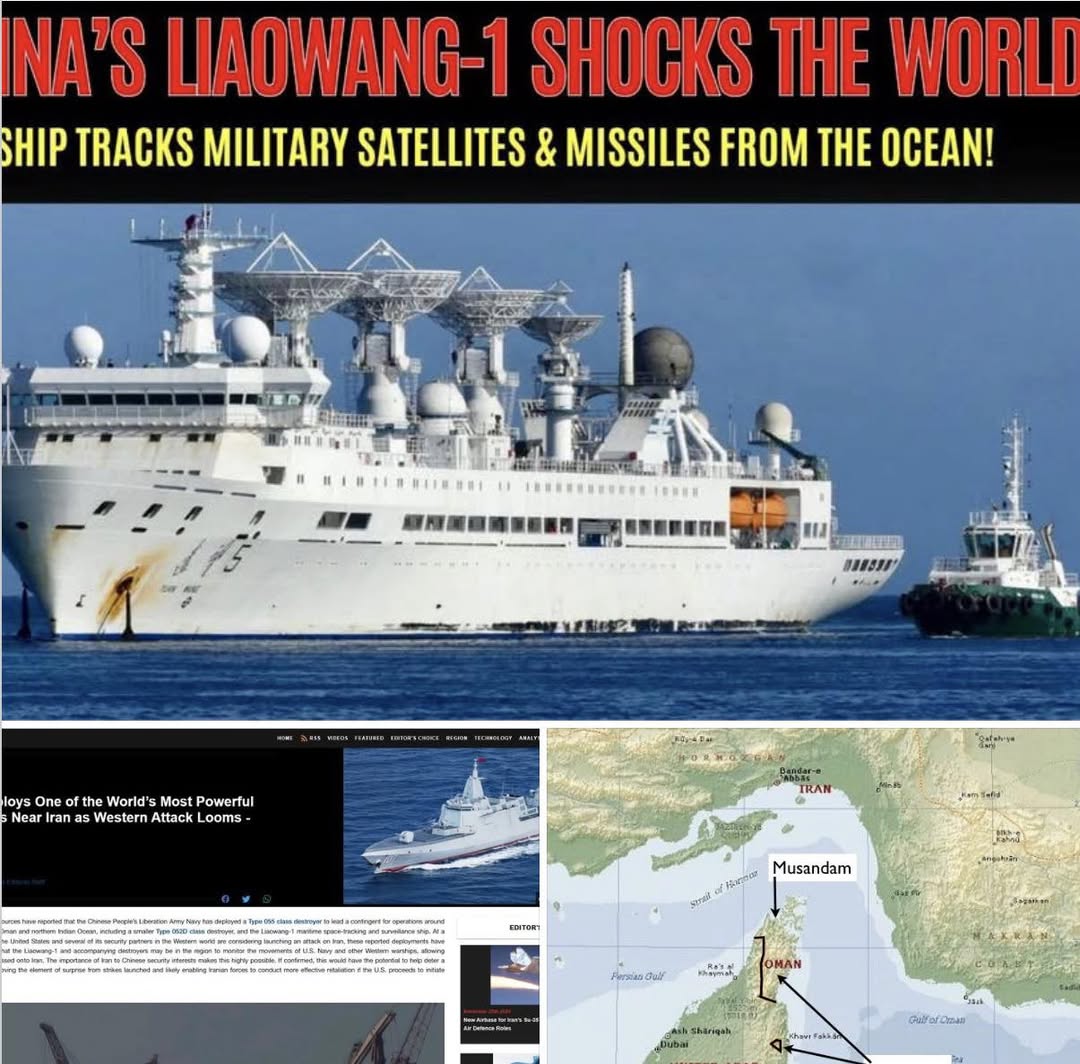
  • Tàu trinh sát, tình báo Liaowang-1 (瞭望-1) của Trung Quốc đang trợ giúp quốc phòng Iran

    Đây là một tàu trinh sát không gian và tình báo điện tử của Hải quân Trung Quốc được xem là tối tân nhất nước này, nó mới được đưa vào hoạt động từ năm 2025 và hiện tại đang neo đậu trong vịnh Oman, từ khoảng gần giữa tháng 2 vừa qua.

    Theo các báo cáo từ nhiều nguồn quân sự và tình báo phương Tây và các phân tích từ tháng 2-3/2026, Liaowang-1 đã đến Vịnh Oman và vùng biển lân cận như phía bắc Ấn Độ Dương từ khoảng giữa tháng 2/2026, đi cùng với một tàu khu trục Type 055 (lớp mạnh nhất của Trung Quốc) và một tàu khu trục Type 052D.

    Các hoạt động chính được cho là theo dõi và thu thập tình báo về hoạt động quân sự Mỹ: Tàu được thiết kế để giám sát vệ tinh quân sự, theo dõi vụ phóng tên lửa (gồm cả hoả tiễn đạn đạo và hoả tiễn hành trình), và thực hiện trinh sát điện tử.

    Trong bối cảnh xung đột Mỹ-Israel-Iran leo thang, Liaowang-1 được nghi ngờ đang theo dõi chuyển động của nhóm tác chiến hàng không mẫu hạm Mỹ, USS Abraham Lincoln ở Arabian Sea, các chiến đấu cơ tàng hình (F-35, F-22), và phi cơ tác chiến điện tử (EA-18 Growler).

    Các nguồn phương Tây và một số phân tích cho rằng dữ liệu từ Liaowang-1 (vệ tinh, radar, tín hiệu điện từ) có thể được chia sẻ với Iran để:

    Phát hiện và theo dõi các cuộc tấn công tiềm năng của Mỹ-Israel.

    Phân tích khả năng tàng hình của chiến đấu cơ Mỹ.

    Cung cấp dữ liệu thời gian thực về vị trí tàu chiến Mỹ, giúp Iran điều chỉnh tên lửa và drone trả đũa.

    Đây là sự trợ giúp gián tiếp từ Trung Quốc cho Iran, trong tình hình năng lực trinh sát, tình báo không gian của Iran đã bị huỷ hoại lớn, nhằm ngăn chặn hoặc giảm hiệu quả các cuộc tấn công bất ngờ từ phương Tây.

    Việc triển khai tàu này cùng tàu khu trục hộ tống được xem là dự phòng răn đe và thu thập tình báo, giúp Iran có thêm dữ liệu để phản ứng với các cuộc tấn công.

    Liaowang-1 có trọng tải khoảng 30.000 tấn, trang bị Radar đa năng, hệ thống theo dõi vệ tinh, cảm biến điện tử rộng, khả năng làm trung tâm chỉ huy di động cho cả không gian và hải quân.

    Con kỳ đà cản mũi này chắc chắn khiến Mỹ khó chịu, vì dù sao nó cũng đang ở vị trí hợp pháp, chỉ có thể tìm cách hạn chế khả năng tình báo của nó.

    Một số giải pháp nhằm khống chế Liaowang-1 có thể đã được áp dụng, tuy nhiên, các lựa chọn này đều mang tính rủi ro cao và hạn chế do tàu hoạt động ở vùng biển quốc tế, được hộ tống bởi tàu chiến mạnh, nên việc 'tấn công' có thể dẫn đến xung đột trực tiếp với Trung Quốc.

    Alex Rivera, một nhà báo chuyên về quân sự quốc tế nhận định rằng Mỹ thường ưu tiên các phương pháp không gây tổn hại vật lý để tránh xung đột toàn diện với Trung Quốc. Các chuyên gia quân sự từ Viện Nghiên cứu Chiến lược Quốc tế (IISS) và RAND Corporation cho rằng đây là cách tiếp cận khôn ngoan nhất trong tình hình hiện tại.

    Mỹ có thể sử dụng chiến đấu cơ EA-18G Growler từ HKMH USS Abraham Lincoln hoặc USS Gerald R. Ford để gây nhiễu liên tục các cảm biến radar, liên lạc và truyền dữ liệu của Liaowang-1. Phương pháp này làm giảm khả năng dữ liệu tình báo mà không cần tác động vào tàu. "EW là vũ khí thầm lặng nhưng hiệu quả cao," theo một báo cáo của RAND, giúp Mỹ duy trì lợi thế mà không gây tổn thất nhân mạng.

    Các đơn vị tấn công mạng của Mỹ có thể nhắm vào hệ thống truyền thông của Liaowang-1 hoặc mạng lưới vệ tinh Beidou của Trung Quốc để làm gián đoạn dòng dữ liệu thời gian thực gửi về Iran. Điều này phá vỡ "chuỗi tình báo" mà không cần hành động vật lý. Tuy nhiên, rủi ro là Trung Quốc có thể đáp trả bằng các cuộc tấn công mạng vào hạ tầng Mỹ, dẫn đến leo thang kỹ thuật số.

    Mỹ có thể cử khu trục hạm lớp Arleigh Burke hoặc tàu ngầm để theo dõi sát sao Liaowang-1, buộc tàu phải giảm hoạt động cảm biến hoặc di chuyển để tránh né. Chiến đấu cơ P-8 Poseidon và drone có thể giám sát từ trên cao, làm lộ vị trí và hạn chế khả năng thu thập bí mật. Phương pháp này tạo áp lực tâm lý mà không vi phạm luật quốc tế.

    Những biện pháp này từng được Mỹ áp dụng thành công trong quá khứ đối với tàu trinh sát Trung Quốc ở Biển Đông hoặc Ấn Độ Dương, giúp giảm hiệu quả hoạt động mà không gây chiến tranh.

    Nếu Liaowang-1 tiếp tục giúp đỡ hiệu quả cho Iran như cung cấp dữ liệu cho hoả tiễn trả đũa, Mỹ có thể tăng cường EW và giám sát để làm "mù" nó mà không cần đánh chìm.

    Các chuyên gia từ Brookings Institution nhận định rằng việc hạn chế tàu này là "thách thức chiến lược", đòi hỏi Mỹ phải cân bằng giữa chống Iran và tránh chiến tranh với Trung Quốc. Trong bối cảnh xung đột leo thang, Liaowang-1 đại diện cho sự tham gia gián tiếp của Bắc Kinh, một yếu tố có thể thay đổi cục diện toàn cầu nếu không được kiểm soát hiệu quả.
    Nguơn: Uyên Vũ
    Tàu trinh sát, tình báo Liaowang-1 (瞭望-1) của Trung Quốc đang trợ giúp quốc phòng Iran Đây là một tàu trinh sát không gian và tình báo điện tử của Hải quân Trung Quốc được xem là tối tân nhất nước này, nó mới được đưa vào hoạt động từ năm 2025 và hiện tại đang neo đậu trong vịnh Oman, từ khoảng gần giữa tháng 2 vừa qua. Theo các báo cáo từ nhiều nguồn quân sự và tình báo phương Tây và các phân tích từ tháng 2-3/2026, Liaowang-1 đã đến Vịnh Oman và vùng biển lân cận như phía bắc Ấn Độ Dương từ khoảng giữa tháng 2/2026, đi cùng với một tàu khu trục Type 055 (lớp mạnh nhất của Trung Quốc) và một tàu khu trục Type 052D. Các hoạt động chính được cho là theo dõi và thu thập tình báo về hoạt động quân sự Mỹ: Tàu được thiết kế để giám sát vệ tinh quân sự, theo dõi vụ phóng tên lửa (gồm cả hoả tiễn đạn đạo và hoả tiễn hành trình), và thực hiện trinh sát điện tử. Trong bối cảnh xung đột Mỹ-Israel-Iran leo thang, Liaowang-1 được nghi ngờ đang theo dõi chuyển động của nhóm tác chiến hàng không mẫu hạm Mỹ, USS Abraham Lincoln ở Arabian Sea, các chiến đấu cơ tàng hình (F-35, F-22), và phi cơ tác chiến điện tử (EA-18 Growler). Các nguồn phương Tây và một số phân tích cho rằng dữ liệu từ Liaowang-1 (vệ tinh, radar, tín hiệu điện từ) có thể được chia sẻ với Iran để: Phát hiện và theo dõi các cuộc tấn công tiềm năng của Mỹ-Israel. Phân tích khả năng tàng hình của chiến đấu cơ Mỹ. Cung cấp dữ liệu thời gian thực về vị trí tàu chiến Mỹ, giúp Iran điều chỉnh tên lửa và drone trả đũa. Đây là sự trợ giúp gián tiếp từ Trung Quốc cho Iran, trong tình hình năng lực trinh sát, tình báo không gian của Iran đã bị huỷ hoại lớn, nhằm ngăn chặn hoặc giảm hiệu quả các cuộc tấn công bất ngờ từ phương Tây. Việc triển khai tàu này cùng tàu khu trục hộ tống được xem là dự phòng răn đe và thu thập tình báo, giúp Iran có thêm dữ liệu để phản ứng với các cuộc tấn công. Liaowang-1 có trọng tải khoảng 30.000 tấn, trang bị Radar đa năng, hệ thống theo dõi vệ tinh, cảm biến điện tử rộng, khả năng làm trung tâm chỉ huy di động cho cả không gian và hải quân. Con kỳ đà cản mũi này chắc chắn khiến Mỹ khó chịu, vì dù sao nó cũng đang ở vị trí hợp pháp, chỉ có thể tìm cách hạn chế khả năng tình báo của nó. Một số giải pháp nhằm khống chế Liaowang-1 có thể đã được áp dụng, tuy nhiên, các lựa chọn này đều mang tính rủi ro cao và hạn chế do tàu hoạt động ở vùng biển quốc tế, được hộ tống bởi tàu chiến mạnh, nên việc 'tấn công' có thể dẫn đến xung đột trực tiếp với Trung Quốc. Alex Rivera, một nhà báo chuyên về quân sự quốc tế nhận định rằng Mỹ thường ưu tiên các phương pháp không gây tổn hại vật lý để tránh xung đột toàn diện với Trung Quốc. Các chuyên gia quân sự từ Viện Nghiên cứu Chiến lược Quốc tế (IISS) và RAND Corporation cho rằng đây là cách tiếp cận khôn ngoan nhất trong tình hình hiện tại. Mỹ có thể sử dụng chiến đấu cơ EA-18G Growler từ HKMH USS Abraham Lincoln hoặc USS Gerald R. Ford để gây nhiễu liên tục các cảm biến radar, liên lạc và truyền dữ liệu của Liaowang-1. Phương pháp này làm giảm khả năng dữ liệu tình báo mà không cần tác động vào tàu. "EW là vũ khí thầm lặng nhưng hiệu quả cao," theo một báo cáo của RAND, giúp Mỹ duy trì lợi thế mà không gây tổn thất nhân mạng. Các đơn vị tấn công mạng của Mỹ có thể nhắm vào hệ thống truyền thông của Liaowang-1 hoặc mạng lưới vệ tinh Beidou của Trung Quốc để làm gián đoạn dòng dữ liệu thời gian thực gửi về Iran. Điều này phá vỡ "chuỗi tình báo" mà không cần hành động vật lý. Tuy nhiên, rủi ro là Trung Quốc có thể đáp trả bằng các cuộc tấn công mạng vào hạ tầng Mỹ, dẫn đến leo thang kỹ thuật số. Mỹ có thể cử khu trục hạm lớp Arleigh Burke hoặc tàu ngầm để theo dõi sát sao Liaowang-1, buộc tàu phải giảm hoạt động cảm biến hoặc di chuyển để tránh né. Chiến đấu cơ P-8 Poseidon và drone có thể giám sát từ trên cao, làm lộ vị trí và hạn chế khả năng thu thập bí mật. Phương pháp này tạo áp lực tâm lý mà không vi phạm luật quốc tế. Những biện pháp này từng được Mỹ áp dụng thành công trong quá khứ đối với tàu trinh sát Trung Quốc ở Biển Đông hoặc Ấn Độ Dương, giúp giảm hiệu quả hoạt động mà không gây chiến tranh. Nếu Liaowang-1 tiếp tục giúp đỡ hiệu quả cho Iran như cung cấp dữ liệu cho hoả tiễn trả đũa, Mỹ có thể tăng cường EW và giám sát để làm "mù" nó mà không cần đánh chìm. Các chuyên gia từ Brookings Institution nhận định rằng việc hạn chế tàu này là "thách thức chiến lược", đòi hỏi Mỹ phải cân bằng giữa chống Iran và tránh chiến tranh với Trung Quốc. Trong bối cảnh xung đột leo thang, Liaowang-1 đại diện cho sự tham gia gián tiếp của Bắc Kinh, một yếu tố có thể thay đổi cục diện toàn cầu nếu không được kiểm soát hiệu quả. Nguơn: Uyên Vũ
    Like
    Love
    Wow
    3
    0 Commenti 0 condivisioni 921 Views 0 Anteprima
Pagine in Evidenza