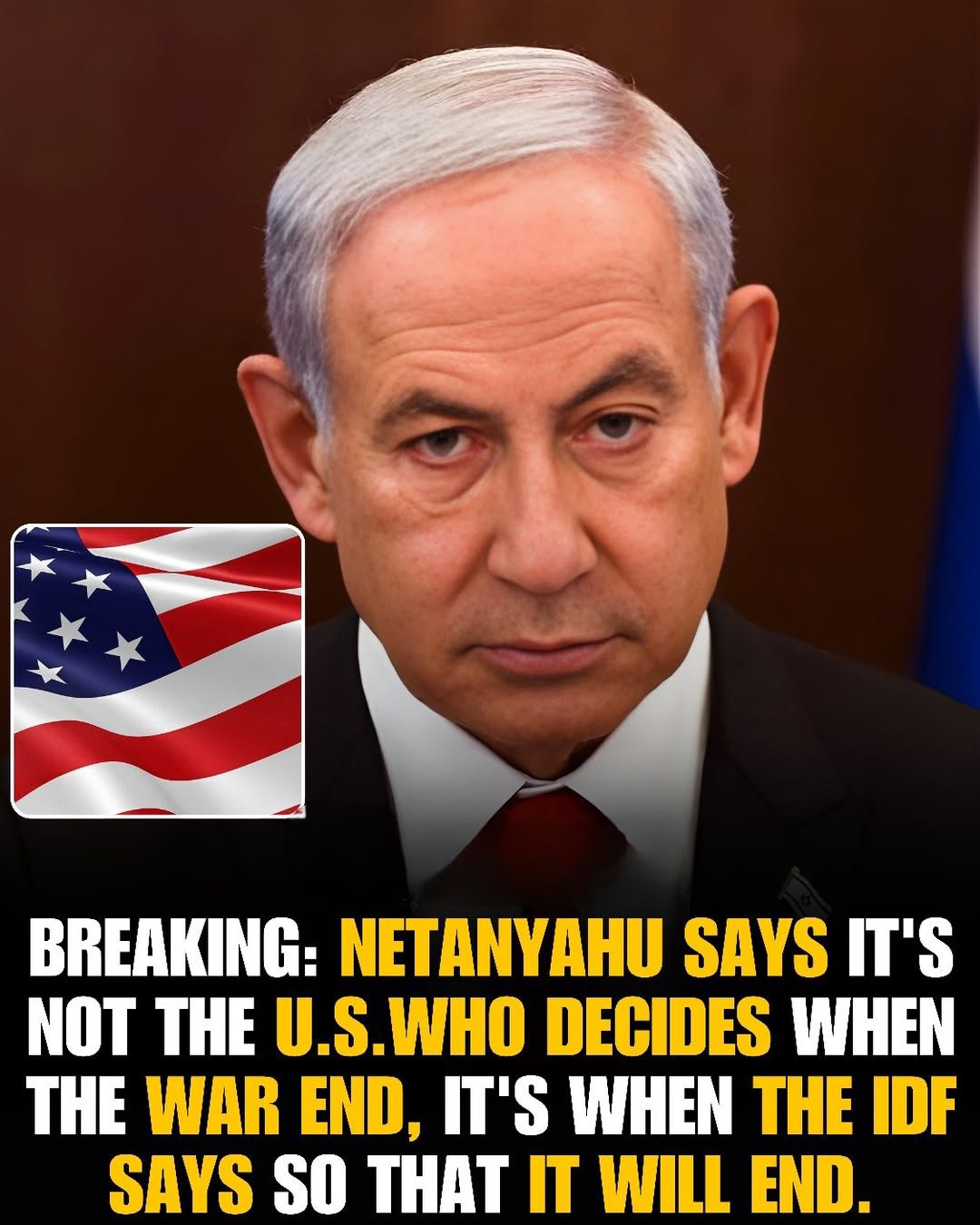
• Benjamin Netanyahu has reportedly indicated that Israel Defense Forces will determine the timeline of its current operations independently, rather than relying on direction from the United States.
    According to reports, Netanyahu emphasized that decisions about when objectives have been achieved — and when operations may conclude — will be made based on Israel’s own strategic assessments of regional threats.
    The statement highlights ongoing discussions about coordination between allies, while also underscoring Israel’s position on maintaining control over its military decisions during a highly sensitive period.
    #Netanyahu #Israel #IDF #Geopolitics #MiddleEast #GlobalTensions #WorldNews #StayInformed
    Benjamin Netanyahu has reportedly indicated that Israel Defense Forces will determine the timeline of its current operations independently, rather than relying on direction from the United States. According to reports, Netanyahu emphasized that decisions about when objectives have been achieved — and when operations may conclude — will be made based on Israel’s own strategic assessments of regional threats. The statement highlights ongoing discussions about coordination between allies, while also underscoring Israel’s position on maintaining control over its military decisions during a highly sensitive period. #Netanyahu #Israel #IDF #Geopolitics #MiddleEast #GlobalTensions #WorldNews #StayInformed
    Like
    Love
    Wow
    3
    0 Comentários 0 Compartilhamentos 86 Visualizações 0 Anterior
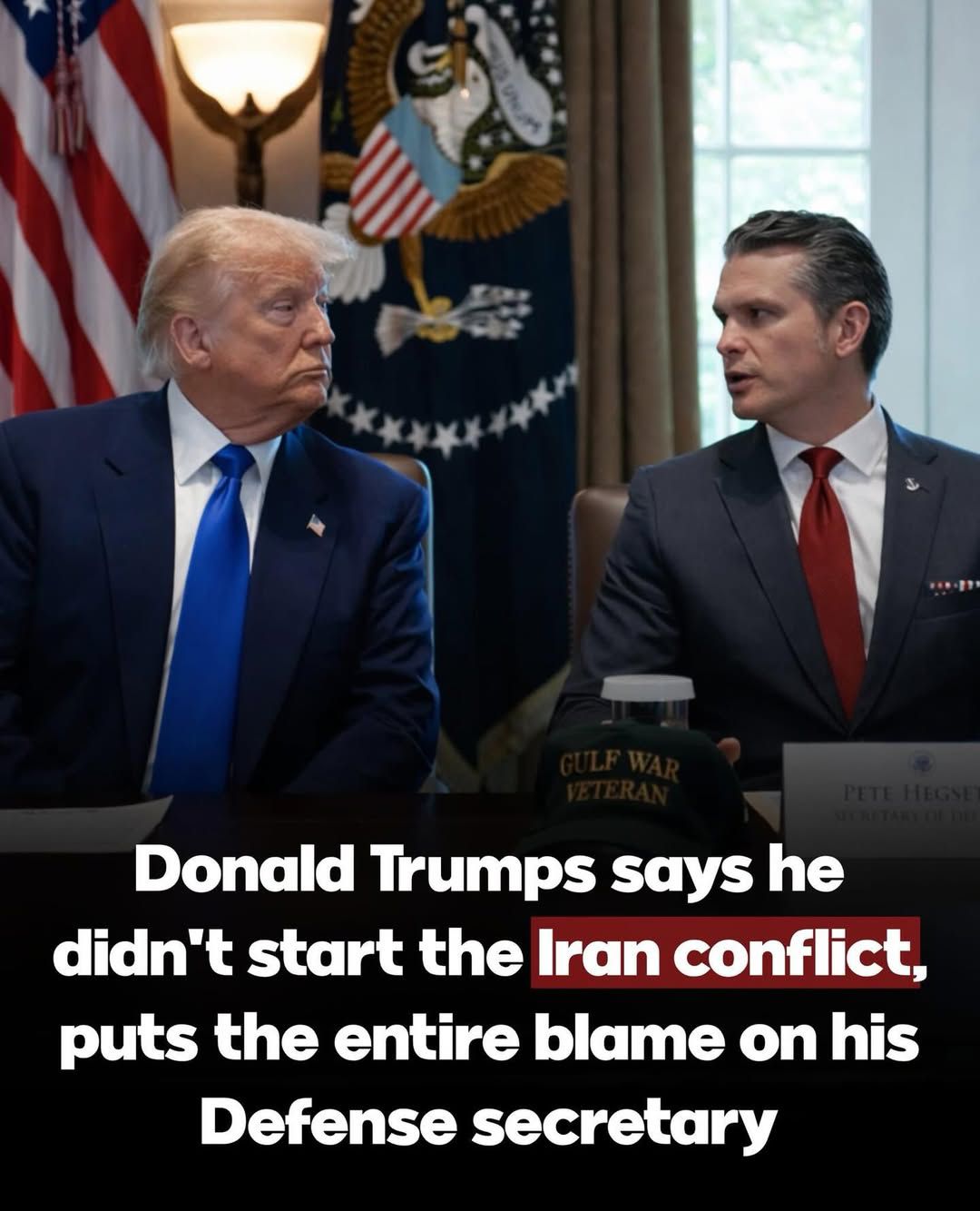
  • As tensions continue to rise, Donald Trump has suggested that Defense Secretary Pete Hegseth was among the first to support taking action against Iran, citing concerns over nuclear capability.
    Now in its fourth week, the situation remains unclear, with conflicting accounts inside the administration about how decisions were made. Some officials point to Israel already preparing its own move, while others emphasize long-standing fears around Iran’s nuclear program.
    Trump also noted that Iran’s response was unexpected, though reports suggest there may have been internal warnings beforehand. Meanwhile, his decision to extend the deadline by five days adds another layer of uncertainty to an already volatile situation.
    As the crisis deepens, key questions remain about how events escalated — and what comes next. The world is watching closely.
    #BreakingNews #Trump #Iran #Israel #Geopolitics #GlobalTensions #WorldNews #StayInformed #TrendingNow
    As tensions continue to rise, Donald Trump has suggested that Defense Secretary Pete Hegseth was among the first to support taking action against Iran, citing concerns over nuclear capability. Now in its fourth week, the situation remains unclear, with conflicting accounts inside the administration about how decisions were made. Some officials point to Israel already preparing its own move, while others emphasize long-standing fears around Iran’s nuclear program. Trump also noted that Iran’s response was unexpected, though reports suggest there may have been internal warnings beforehand. Meanwhile, his decision to extend the deadline by five days adds another layer of uncertainty to an already volatile situation. As the crisis deepens, key questions remain about how events escalated — and what comes next. The world is watching closely. #BreakingNews #Trump #Iran #Israel #Geopolitics #GlobalTensions #WorldNews #StayInformed #TrendingNow
    Like
    Love
    Wow
    3
    0 Comentários 0 Compartilhamentos 316 Visualizações 0 Anterior
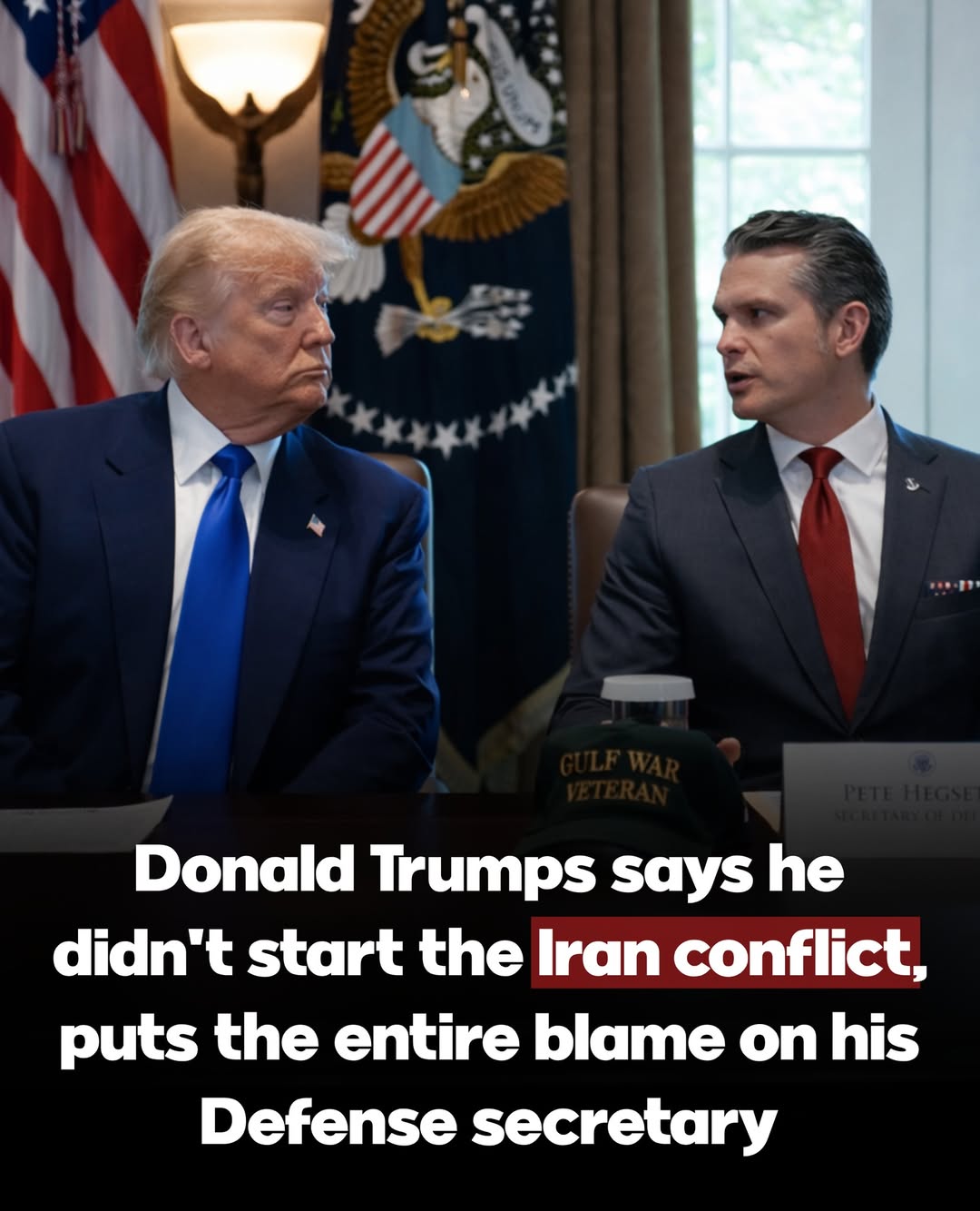
  • Donald Trump has suggested that Defense Secretary Pete Hegseth was among the first to support taking action against Iran, citing concerns over nuclear capability.

    As the situation enters its fourth week, there are still conflicting accounts within the administration about how decisions were made.

    Some officials say Israel was already preparing its own move
    Others point to concerns around Iran’s nuclear program

    Trump also said Iran’s response was unexpected, though reports suggest there may have been prior internal warnings.

    The situation has led to serious consequences and a wider regional crisis.

    Trump has now extended his deadline by five days, adding to the uncertainty about what comes next.

    With tensions continuing, questions remain about how things escalated — and where they go from here.

    The world is watching closely.
    Donald Trump has suggested that Defense Secretary Pete Hegseth was among the first to support taking action against Iran, citing concerns over nuclear capability. As the situation enters its fourth week, there are still conflicting accounts within the administration about how decisions were made. Some officials say Israel was already preparing its own move Others point to concerns around Iran’s nuclear program Trump also said Iran’s response was unexpected, though reports suggest there may have been prior internal warnings. The situation has led to serious consequences and a wider regional crisis. Trump has now extended his deadline by five days, adding to the uncertainty about what comes next. With tensions continuing, questions remain about how things escalated — and where they go from here. The world is watching closely.
    Like
    Love
    Wow
    3
    0 Comentários 0 Compartilhamentos 305 Visualizações 0 Anterior
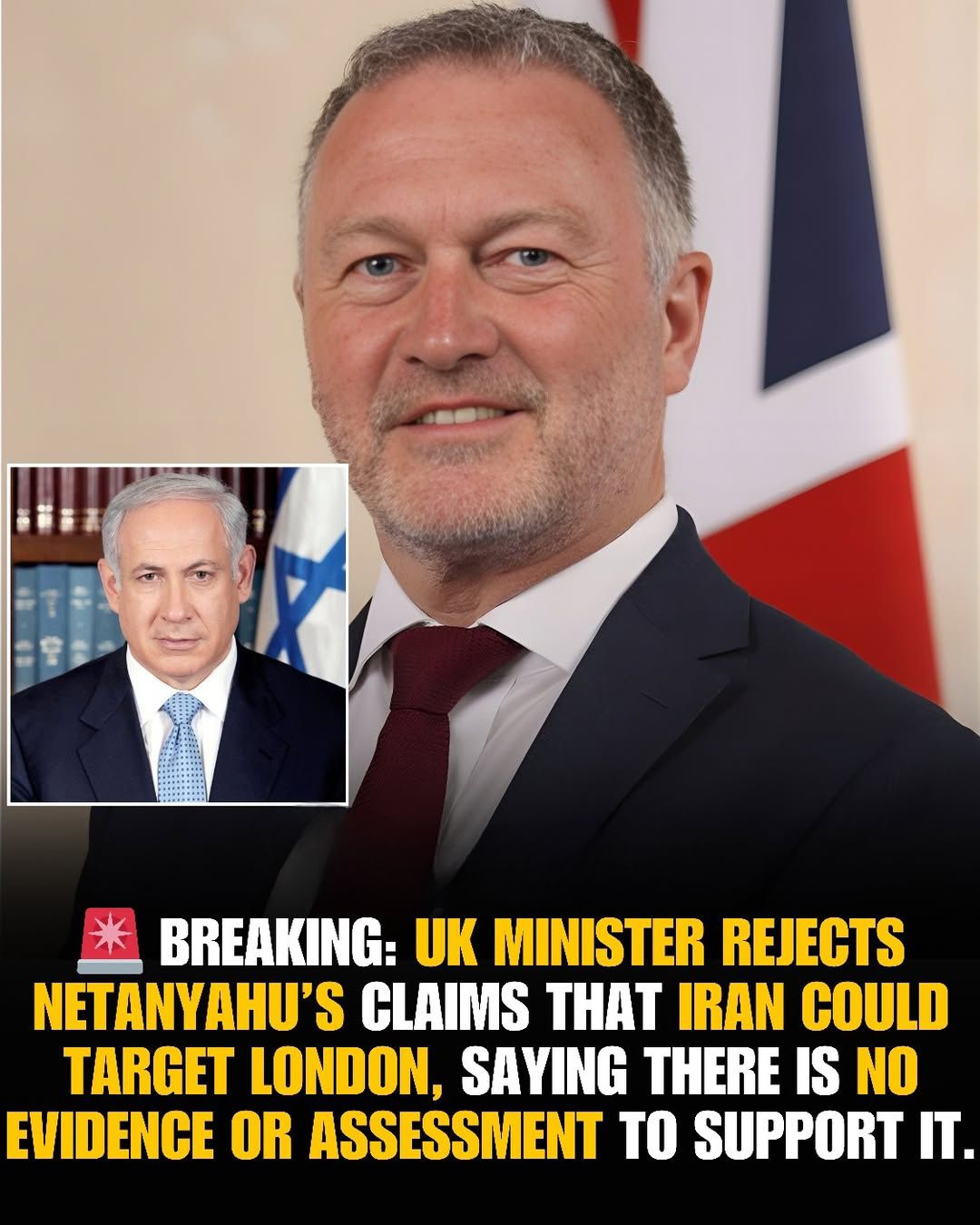
  • British Cabinet Minister Steve Reed has officially rejected claims that Iran is planning to target London with ballistic missiles. Speaking to the BBC, he stated there is currently no intelligence or assessment to substantiate the warnings recently issued by the Israeli government
    .#Headlines360 #UKNews #IranConflict
    British Cabinet Minister Steve Reed has officially rejected claims that Iran is planning to target London with ballistic missiles. Speaking to the BBC, he stated there is currently no intelligence or assessment to substantiate the warnings recently issued by the Israeli government .#Headlines360 #UKNews #IranConflict
    Like
    Love
    Wow
    3
    0 Comentários 0 Compartilhamentos 395 Visualizações 0 Anterior
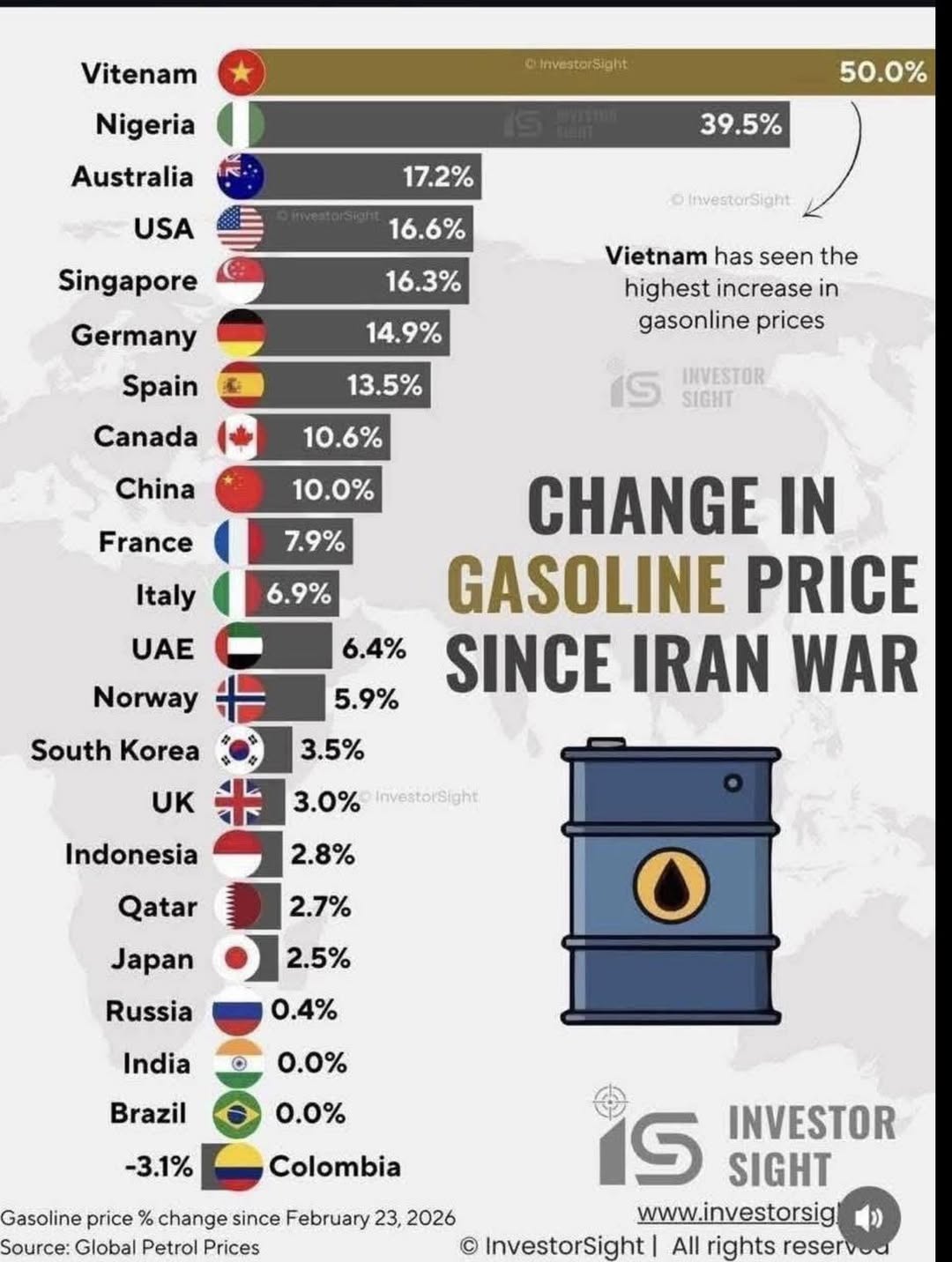
  • Biểu đồ này (từ InvestorSight) cho thấy mức tăng phần trăm giá xăng (gasoline) ở nhiều quốc gia kể từ ngày 23/2/2026, được gắn mác “kể từ khi chiến tranh Iran bắt đầu” (since Iran war). Dữ liệu dựa trên Global Petrol Prices, và thời điểm hiện tại là khoảng giữa tháng 3/2026.

    Ý nghĩa chính của con số này:
    • Nguyên nhân gốc rễ: Chiến tranh giữa Mỹ-Israel với Iran (bắt đầu từ khoảng 28/2/2026) đã gây rối loạn nghiêm trọng nguồn cung dầu mỏ toàn cầu. Iran kiểm soát Eo biển Hormuz (nơi vận chuyển ~20% dầu thế giới), dẫn đến phong tỏa, tấn công cơ sở dầu khí, làm giá dầu thô tăng vọt (Brent crude lên hơn $100/thùng, tăng 40-60% tùy giai đoạn). Điều này đẩy giá xăng bán lẻ tăng mạnh ở hầu hết các nước nhập khẩu dầu.

    • Tại sao Việt Nam dẫn đầu với +50%: Việt Nam là nước phụ thuộc nặng vào nhập khẩu xăng dầu (không sản xuất đủ, chủ yếu nhập từ Trung Đông và các nguồn khác). Khi giá dầu thế giới tăng đột biến, chính phủ Việt Nam điều chỉnh giá theo cơ chế thị trường (thường 7-10 ngày/lần), dẫn đến tăng mạnh và liên tục. Từ cuối tháng 2 đến giữa tháng 3/2026, giá RON95 đã tăng khoảng 50% (từ mức thấp hơn lên ~30.690 VND/lít sau đợt tăng 20% chỉ trong một đêm), thậm chí diesel tăng tới 70%. Đây là mức tăng cao nhất trong các nước lớn, phản ánh tác động mạnh mẽ đến nền kinh tế nhập khẩu năng lượng như Việt Nam.

    • So sánh với các nước khác, và nó sẽ nói lên điều gì lớn hơn:
    • Nigeria (+39.5%): Cũng nhập khẩu nhiều, cộng thêm vấn đề nội địa (dầu thô xuất khẩu nhưng xăng dầu tinh chế nhập lại).
    • Australia, Mỹ, Singapore, Đức… tăng 10-17%: Các nước này có mức tăng vừa phải hơn nhờ dự trữ, sản xuất nội địa (Mỹ), hoặc chính sách trợ giá/tax điều chỉnh.
    • Nhiều nước giàu (Nhật, Anh, Pháp) tăng ít hơn (dưới 8%), do có quỹ bình ổn hoặc khả năng hấp thụ tốt hơn.
    • Một số nước như Ấn Độ, Brazil giữ nguyên hoặc giảm nhẹ nhờ trợ cấp chính phủ hoặc nguồn cung khác.

    • Đây là minh chứng rõ ràng cho tác động lan tỏa của xung đột địa chính trị Trung Đông đến kinh tế toàn cầu, đặc biệt với các nước phụ thuộc năng lượng nhập khẩu.

    • Ở Việt Nam, mức tăng 50% gây áp lực lạm phát, chi phí vận tải/logistics tăng → giá hàng hóa leo thang → ảnh hưởng người dân (đi lại, sản xuất, sinh hoạt đắt đỏ hơn).
    • Toàn cầu: Nhiều nước đang đối mặt lạm phát cao hơn dự kiến, người tiêu dùng cắt giảm chi tiêu, một số chuyển sang xe điện/hybrid nhanh hơn.
    • Dữ liệu này có thể thay đổi nhanh nếu chiến tranh kết thúc hoặc nguồn cung ổn định lại, nhưng hiện tại (tháng 3/2026), tình hình vẫn căng thẳng.

    Tóm lại, biểu đồ nhấn mạnh Việt Nam đang chịu tác động nặng nề nhất từ cuộc chiến Iran về giá xăng, phản ánh sự mong manh của các nền kinh tế nhập khẩu năng lượng trước biến động địa chính trị.

    Nguồn : Trần Thái Hoà
    Biểu đồ này (từ InvestorSight) cho thấy mức tăng phần trăm giá xăng (gasoline) ở nhiều quốc gia kể từ ngày 23/2/2026, được gắn mác “kể từ khi chiến tranh Iran bắt đầu” (since Iran war). Dữ liệu dựa trên Global Petrol Prices, và thời điểm hiện tại là khoảng giữa tháng 3/2026. Ý nghĩa chính của con số này: • Nguyên nhân gốc rễ: Chiến tranh giữa Mỹ-Israel với Iran (bắt đầu từ khoảng 28/2/2026) đã gây rối loạn nghiêm trọng nguồn cung dầu mỏ toàn cầu. Iran kiểm soát Eo biển Hormuz (nơi vận chuyển ~20% dầu thế giới), dẫn đến phong tỏa, tấn công cơ sở dầu khí, làm giá dầu thô tăng vọt (Brent crude lên hơn $100/thùng, tăng 40-60% tùy giai đoạn). Điều này đẩy giá xăng bán lẻ tăng mạnh ở hầu hết các nước nhập khẩu dầu. • Tại sao Việt Nam dẫn đầu với +50%: Việt Nam là nước phụ thuộc nặng vào nhập khẩu xăng dầu (không sản xuất đủ, chủ yếu nhập từ Trung Đông và các nguồn khác). Khi giá dầu thế giới tăng đột biến, chính phủ Việt Nam điều chỉnh giá theo cơ chế thị trường (thường 7-10 ngày/lần), dẫn đến tăng mạnh và liên tục. Từ cuối tháng 2 đến giữa tháng 3/2026, giá RON95 đã tăng khoảng 50% (từ mức thấp hơn lên ~30.690 VND/lít sau đợt tăng 20% chỉ trong một đêm), thậm chí diesel tăng tới 70%. Đây là mức tăng cao nhất trong các nước lớn, phản ánh tác động mạnh mẽ đến nền kinh tế nhập khẩu năng lượng như Việt Nam. • So sánh với các nước khác, và nó sẽ nói lên điều gì lớn hơn: • Nigeria (+39.5%): Cũng nhập khẩu nhiều, cộng thêm vấn đề nội địa (dầu thô xuất khẩu nhưng xăng dầu tinh chế nhập lại). • Australia, Mỹ, Singapore, Đức… tăng 10-17%: Các nước này có mức tăng vừa phải hơn nhờ dự trữ, sản xuất nội địa (Mỹ), hoặc chính sách trợ giá/tax điều chỉnh. • Nhiều nước giàu (Nhật, Anh, Pháp) tăng ít hơn (dưới 8%), do có quỹ bình ổn hoặc khả năng hấp thụ tốt hơn. • Một số nước như Ấn Độ, Brazil giữ nguyên hoặc giảm nhẹ nhờ trợ cấp chính phủ hoặc nguồn cung khác. • Đây là minh chứng rõ ràng cho tác động lan tỏa của xung đột địa chính trị Trung Đông đến kinh tế toàn cầu, đặc biệt với các nước phụ thuộc năng lượng nhập khẩu. • Ở Việt Nam, mức tăng 50% gây áp lực lạm phát, chi phí vận tải/logistics tăng → giá hàng hóa leo thang → ảnh hưởng người dân (đi lại, sản xuất, sinh hoạt đắt đỏ hơn). • Toàn cầu: Nhiều nước đang đối mặt lạm phát cao hơn dự kiến, người tiêu dùng cắt giảm chi tiêu, một số chuyển sang xe điện/hybrid nhanh hơn. • Dữ liệu này có thể thay đổi nhanh nếu chiến tranh kết thúc hoặc nguồn cung ổn định lại, nhưng hiện tại (tháng 3/2026), tình hình vẫn căng thẳng. Tóm lại, biểu đồ nhấn mạnh Việt Nam đang chịu tác động nặng nề nhất từ cuộc chiến Iran về giá xăng, phản ánh sự mong manh của các nền kinh tế nhập khẩu năng lượng trước biến động địa chính trị. Nguồn : Trần Thái Hoà
    Like
    Love
    Wow
    3
    0 Comentários 0 Compartilhamentos 461 Visualizações 0 Anterior
Páginas Impulsionadas