



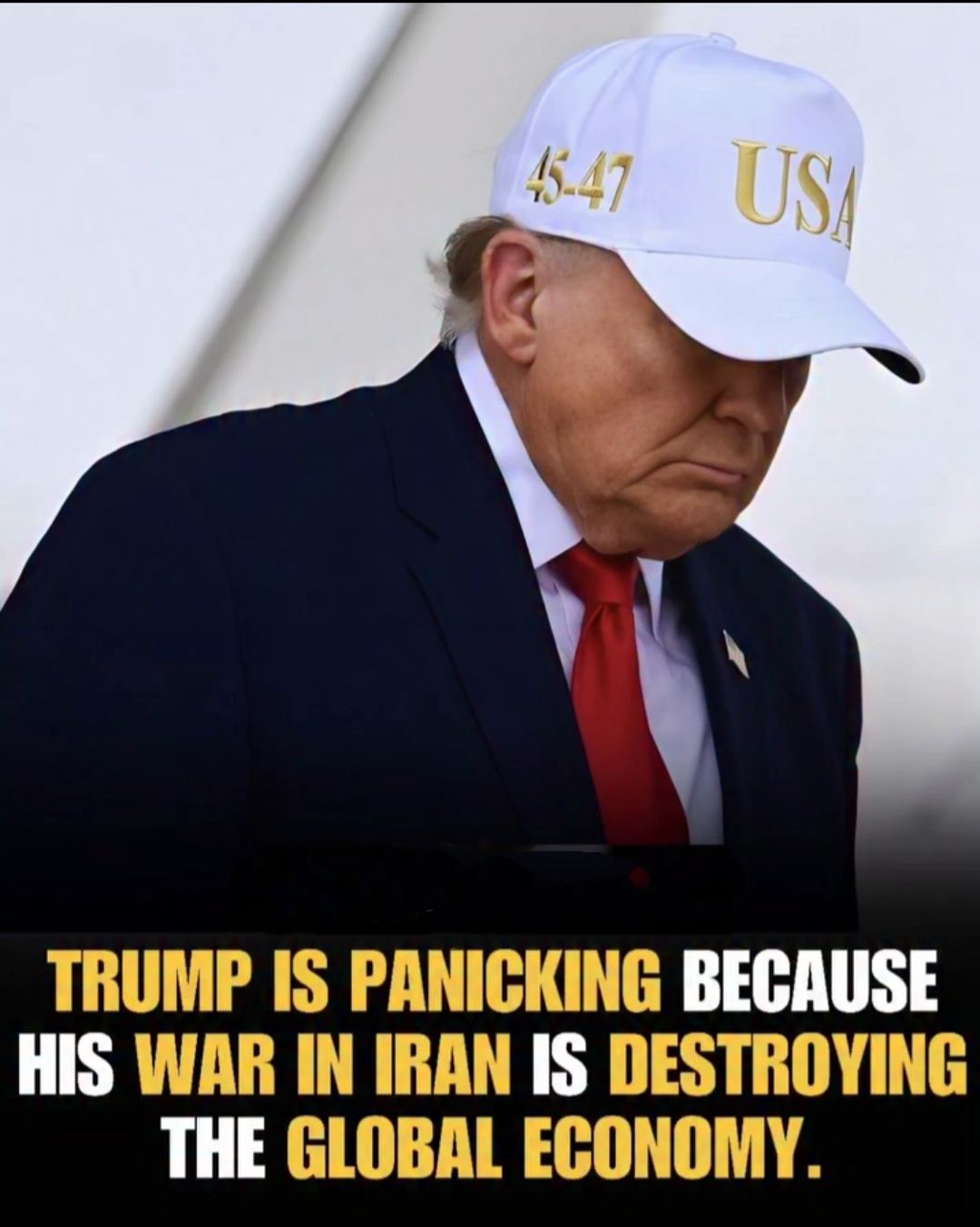
Global markets are experiencing extreme volatility as tensions in the Middle East and risks to global energy supplies make investors increasingly cautious.
Economic pressure is also growing around the ongoing U.S.–Iran conflict, as developments in the region continue to influence oil prices, major trade routes, and overall investor sentiment.
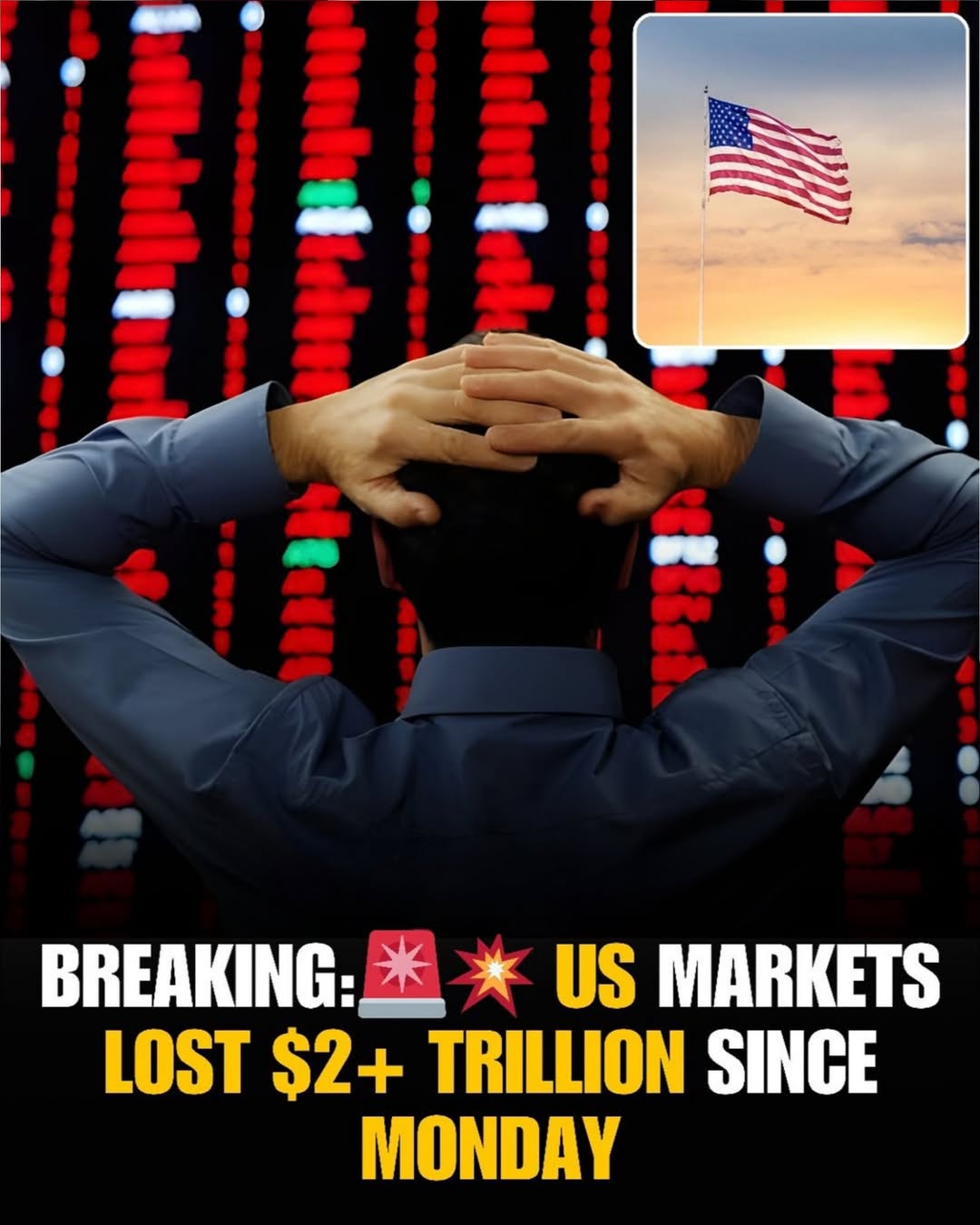
Recent reports indicate that major U.S. indexes such as the Dow Jones and S&P 500 have seen noticeable swings since the tensions escalated. At one point, the Dow had dropped more than 1,000 points from late-February levels when the first airstrikes began, reflecting growing uncertainty in global markets.
One of the biggest concerns is the Strait of Hormuz, one of the world’s most critical oil chokepoints. Roughly 20% of global oil supply passes through the strait, meaning any disruption to shipping there could trigger a sharp spike in energy prices and intensify inflation fears worldwide.
During the peak of the tensions, Brent crude oil briefly surged to around $119 per barrel, raising concerns about a potential energy shock and stagflation. Prices later eased closer to $90 per barrel after signals that the conflict might de-escalate, allowing some markets to stabilize temporarily.
Economists warn that if the conflict becomes prolonged, several risks could grow: • Rising global inflation and fuel costs
• Disruptions to shipping routes and supply chains
• Increased currency pressure on developing economies
• A higher risk of a global economic slowdown
As uncertainty continues, many investors are shifting toward safe-haven assets like gold and the U.S. dollar, while equity markets and tech stocks continue to experience sharp swings.
#GlobalEconomy #MarketVolatility #OilCrisis #IranConflict #WorldMarkets #BreakingNews #Geopolitics
Economic pressure is also growing around the ongoing U.S.–Iran conflict, as developments in the region continue to influence oil prices, major trade routes, and overall investor sentiment.
Recent reports indicate that major U.S. indexes such as the Dow Jones and S&P 500 have seen noticeable swings since the tensions escalated. At one point, the Dow had dropped more than 1,000 points from late-February levels when the first airstrikes began, reflecting growing uncertainty in global markets.
One of the biggest concerns is the Strait of Hormuz, one of the world’s most critical oil chokepoints. Roughly 20% of global oil supply passes through the strait, meaning any disruption to shipping there could trigger a sharp spike in energy prices and intensify inflation fears worldwide.
During the peak of the tensions, Brent crude oil briefly surged to around $119 per barrel, raising concerns about a potential energy shock and stagflation. Prices later eased closer to $90 per barrel after signals that the conflict might de-escalate, allowing some markets to stabilize temporarily.
Economists warn that if the conflict becomes prolonged, several risks could grow: • Rising global inflation and fuel costs
• Disruptions to shipping routes and supply chains
• Increased currency pressure on developing economies
• A higher risk of a global economic slowdown
As uncertainty continues, many investors are shifting toward safe-haven assets like gold and the U.S. dollar, while equity markets and tech stocks continue to experience sharp swings.
#GlobalEconomy #MarketVolatility #OilCrisis #IranConflict #WorldMarkets #BreakingNews #Geopolitics
Global markets are experiencing extreme volatility as tensions in the Middle East and risks to global energy supplies make investors increasingly cautious.
Economic pressure is also growing around the ongoing U.S.–Iran conflict, as developments in the region continue to influence oil prices, major trade routes, and overall investor sentiment.
Recent reports indicate that major U.S. indexes such as the Dow Jones and S&P 500 have seen noticeable swings since the tensions escalated. At one point, the Dow had dropped more than 1,000 points from late-February levels when the first airstrikes began, reflecting growing uncertainty in global markets.
One of the biggest concerns is the Strait of Hormuz, one of the world’s most critical oil chokepoints. Roughly 20% of global oil supply passes through the strait, meaning any disruption to shipping there could trigger a sharp spike in energy prices and intensify inflation fears worldwide.
During the peak of the tensions, Brent crude oil briefly surged to around $119 per barrel, raising concerns about a potential energy shock and stagflation. Prices later eased closer to $90 per barrel after signals that the conflict might de-escalate, allowing some markets to stabilize temporarily.
Economists warn that if the conflict becomes prolonged, several risks could grow: • Rising global inflation and fuel costs
• Disruptions to shipping routes and supply chains
• Increased currency pressure on developing economies
• A higher risk of a global economic slowdown
As uncertainty continues, many investors are shifting toward safe-haven assets like gold and the U.S. dollar, while equity markets and tech stocks continue to experience sharp swings.
#GlobalEconomy #MarketVolatility #OilCrisis #IranConflict #WorldMarkets #BreakingNews #Geopolitics



 Language
 VN
VN
 French
 Spanish
 Portuguese
 Deutsch
 Turkish
 Dutch
Dutch
 Italiano
 Russian
 Romaian
 Portuguese (Brazil)
 Greek
Greek
 Arabic