
• The aircraft was reportedly scheduled to land at Naval Air Station Sigonella before continuing toward the Middle East, but Italian authorities denied permission.
    The decision appears to be rooted in legal constraints. Under existing agreements, United States forces can use the base for logistics and training, but any involvement tied to combat operations requires approval from Italy’s parliament.
    Reports indicate the request was rejected because there wasn’t enough time to secure that authorization, which is mandatory for such missions.
    This move highlights Italy’s cautious approach—balancing its commitments to NATO while avoiding direct entanglement in the ongoing Middle East conflict.
    #Italy #USA #NATO #Geopolitics #BreakingNews
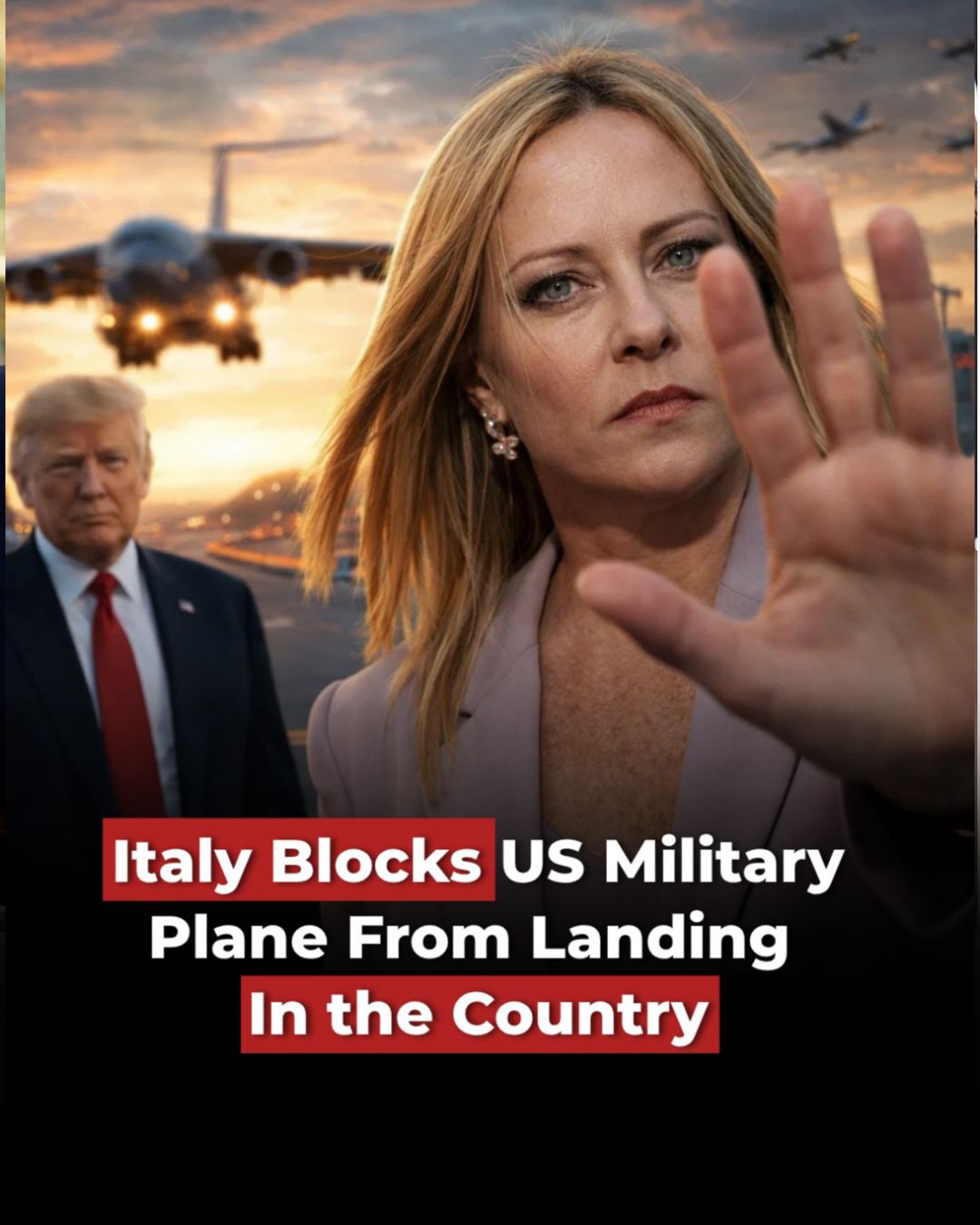
    The aircraft was reportedly scheduled to land at Naval Air Station Sigonella before continuing toward the Middle East, but Italian authorities denied permission. The decision appears to be rooted in legal constraints. Under existing agreements, United States forces can use the base for logistics and training, but any involvement tied to combat operations requires approval from Italy’s parliament. Reports indicate the request was rejected because there wasn’t enough time to secure that authorization, which is mandatory for such missions. This move highlights Italy’s cautious approach—balancing its commitments to NATO while avoiding direct entanglement in the ongoing Middle East conflict. #Italy #USA #NATO #Geopolitics #BreakingNews
    Like
    Love
    Wow
    3
    0 Commentarios 0 Acciones 211 Views 0 Vista previa
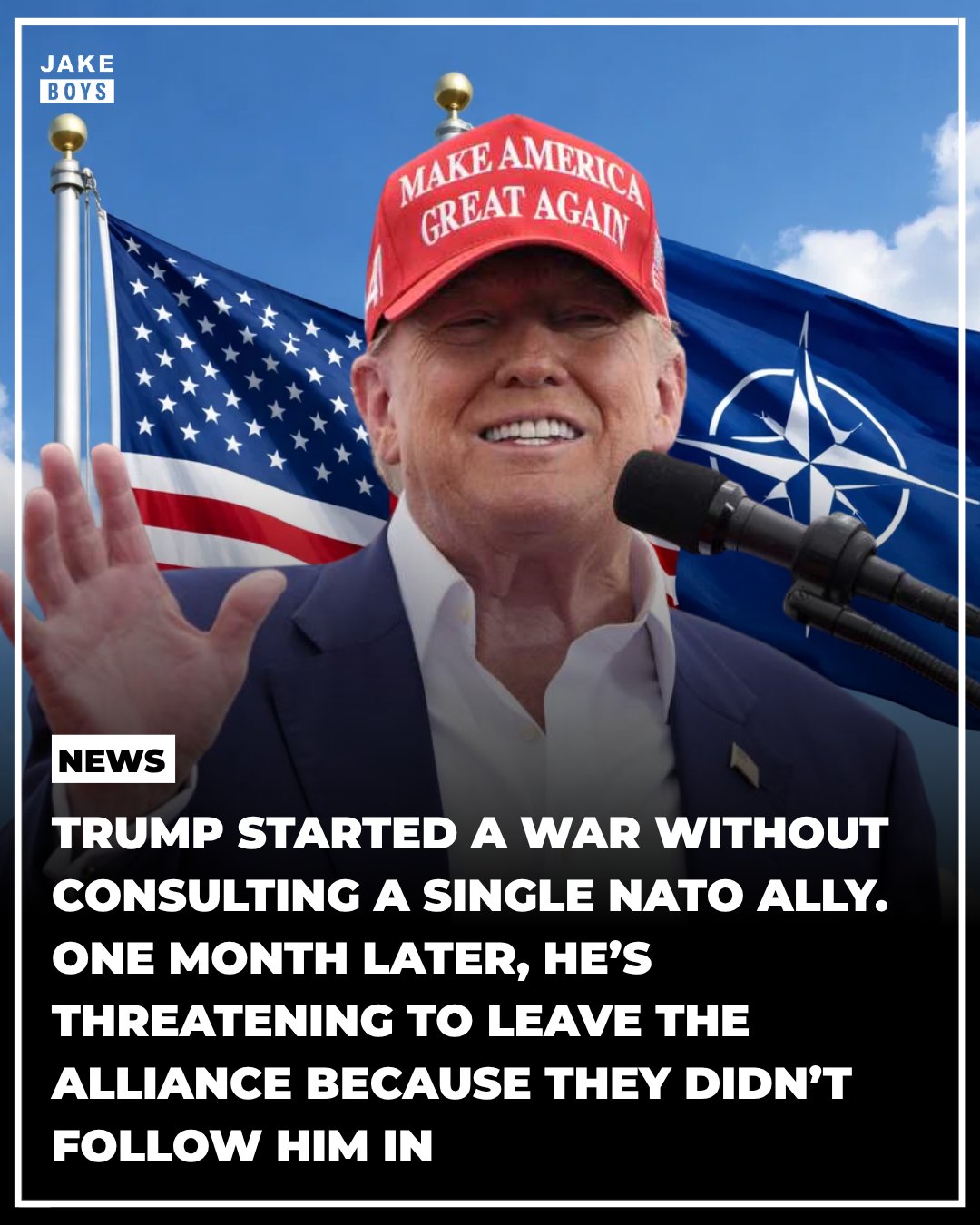
  • Tensions between the U.S. and its NATO allies are escalating fast, as frustration grows over how the Iran conflict has been handled. Reports indicate that key allies were not formally consulted before military action began, fueling backlash across Europe and beyond.

    In the weeks since, several countries — including the UK, France, Spain, Italy, and others — have distanced themselves from the conflict, with some restricting military cooperation, denying access to bases or airspace, or publicly stating they won’t be drawn in.

    Now, with allies refusing to fall in line, Donald Trump is raising the possibility of pulling the U.S. out of NATO altogether — a move that would mark one of the most significant shifts in global alliances in modern history.

    The situation is raising serious questions about U.S. leadership on the world stage, the future of NATO unity, and whether unilateral decisions are fracturing long-standing international partnerships.
    Tensions between the U.S. and its NATO allies are escalating fast, as frustration grows over how the Iran conflict has been handled. Reports indicate that key allies were not formally consulted before military action began, fueling backlash across Europe and beyond. In the weeks since, several countries — including the UK, France, Spain, Italy, and others — have distanced themselves from the conflict, with some restricting military cooperation, denying access to bases or airspace, or publicly stating they won’t be drawn in. Now, with allies refusing to fall in line, Donald Trump is raising the possibility of pulling the U.S. out of NATO altogether — a move that would mark one of the most significant shifts in global alliances in modern history. The situation is raising serious questions about U.S. leadership on the world stage, the future of NATO unity, and whether unilateral decisions are fracturing long-standing international partnerships.
    Like
    Love
    Wow
    3
    0 Commentarios 0 Acciones 392 Views 0 Vista previa
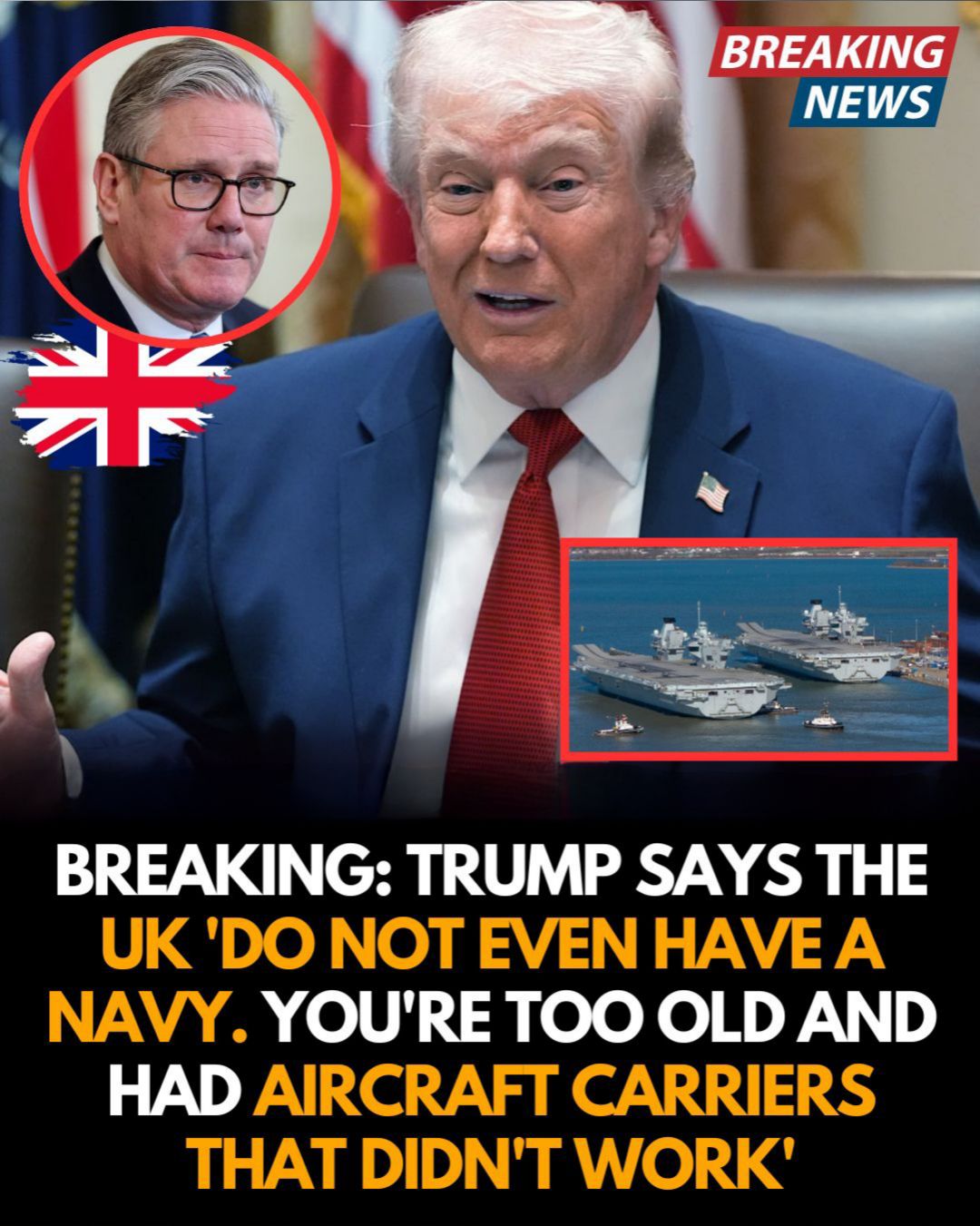
  • Donald Trump has sparked controversy after delivering a sharp critique of the Royal Navy, reportedly calling it a “paper tiger” and questioning its readiness for modern warfare. His remarks specifically targeted the HMS Queen Elizabeth and HMS Prince of Wales, referencing recent mechanical issues and dismissing them as inferior compared to U.S. naval power.
    The comments come amid rising tensions between Washington and London, particularly with Keir Starmer resisting calls to deepen British military involvement in actions against Iran. Trump framed the UK’s support as insufficient, signaling frustration with what he sees as a lack of commitment from a key ally.
    This rhetoric also ties into broader concerns about alliances like NATO, with Trump questioning their effectiveness and hinting at a shift in how the U.S. views traditional partners. Meanwhile, officials in Downing Street have reportedly downplayed the remarks, maintaining that the UK will avoid being pulled into a wider conflict.
    The situation has ignited debate over the future of the “Special Relationship” between the United States and the United Kingdom, as well as the role both nations will play in an increasingly complex global security landscape.
    #RoyalNavy #HMSQueenElizabeth #SpecialRelationship #Geopolitics #DefenseNews
    Donald Trump has sparked controversy after delivering a sharp critique of the Royal Navy, reportedly calling it a “paper tiger” and questioning its readiness for modern warfare. His remarks specifically targeted the HMS Queen Elizabeth and HMS Prince of Wales, referencing recent mechanical issues and dismissing them as inferior compared to U.S. naval power. The comments come amid rising tensions between Washington and London, particularly with Keir Starmer resisting calls to deepen British military involvement in actions against Iran. Trump framed the UK’s support as insufficient, signaling frustration with what he sees as a lack of commitment from a key ally. This rhetoric also ties into broader concerns about alliances like NATO, with Trump questioning their effectiveness and hinting at a shift in how the U.S. views traditional partners. Meanwhile, officials in Downing Street have reportedly downplayed the remarks, maintaining that the UK will avoid being pulled into a wider conflict. The situation has ignited debate over the future of the “Special Relationship” between the United States and the United Kingdom, as well as the role both nations will play in an increasingly complex global security landscape. #RoyalNavy #HMSQueenElizabeth #SpecialRelationship #Geopolitics #DefenseNews
    Like
    Love
    Wow
    3
    0 Commentarios 0 Acciones 593 Views 0 Vista previa
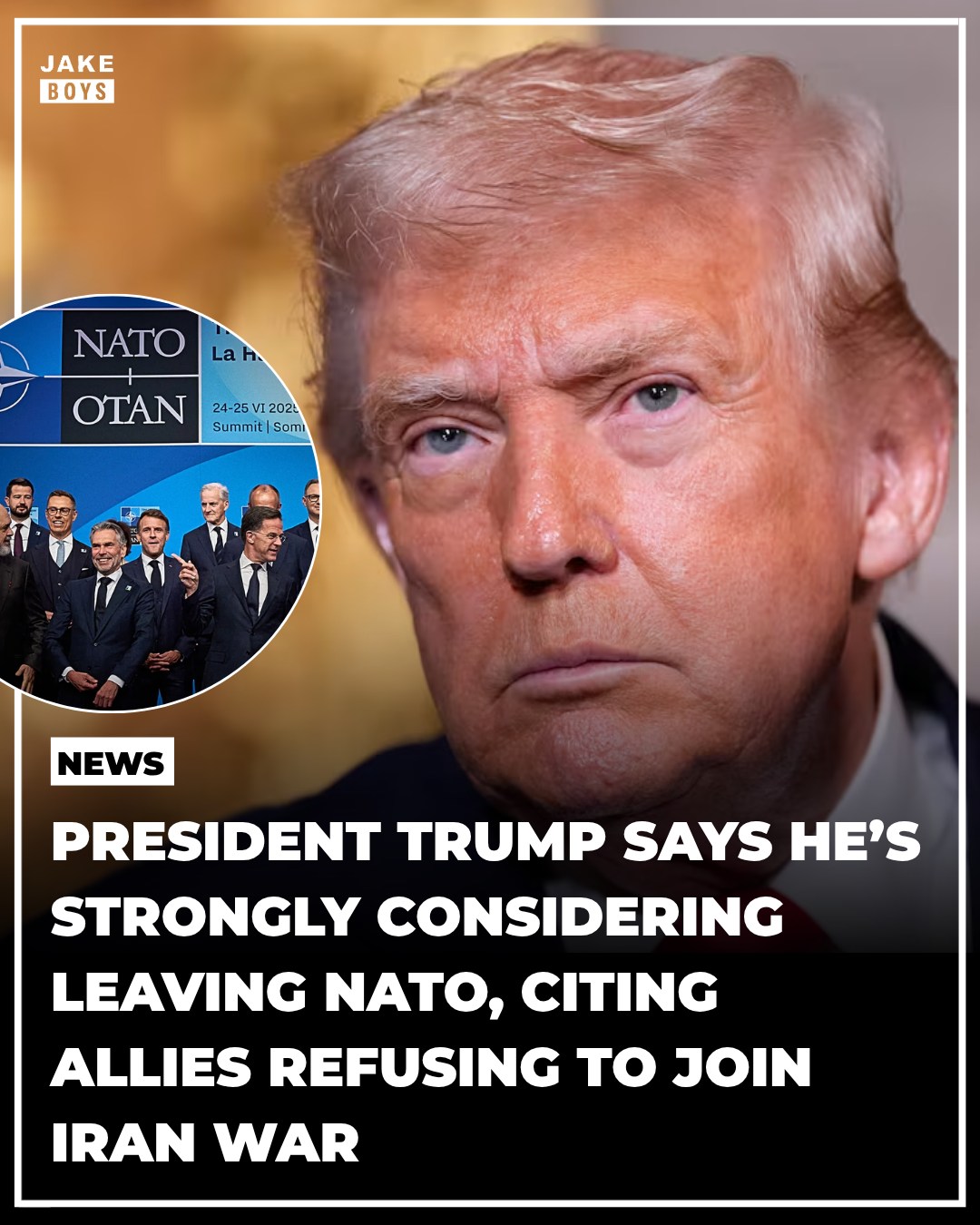
  • President Donald Trump has escalated his criticism of the North Atlantic Treaty Organization (NATO), saying he’s “strongly considering” pulling the United States out of the alliance after key European allies declined to back U.S. military action related to the war with Iran. Trump labeled NATO a “paper tiger” — a term he’s used to describe institutions he views as weak — and told The Telegraph that the idea of staying in NATO is now “beyond reconsideration.”

    The comments underline a growing rift between Washington and longtime partners. Defense officials have even declined to reaffirm the U.S. commitment to NATO’s collective defense clause, putting the future of the alliance’s central guarantee in question.

    Trump’s remarks came alongside sharp public criticism of European governments — including France, Spain, Italy, and the UK — for not contributing militarily to the U.S.-Israel campaign against Iran. Those tensions, combined with ongoing disputes over energy security and allied support, are raising serious questions about the stability and cohesion of NATO at a moment of multiple global crises.
    President Donald Trump has escalated his criticism of the North Atlantic Treaty Organization (NATO), saying he’s “strongly considering” pulling the United States out of the alliance after key European allies declined to back U.S. military action related to the war with Iran. Trump labeled NATO a “paper tiger” — a term he’s used to describe institutions he views as weak — and told The Telegraph that the idea of staying in NATO is now “beyond reconsideration.” The comments underline a growing rift between Washington and longtime partners. Defense officials have even declined to reaffirm the U.S. commitment to NATO’s collective defense clause, putting the future of the alliance’s central guarantee in question. Trump’s remarks came alongside sharp public criticism of European governments — including France, Spain, Italy, and the UK — for not contributing militarily to the U.S.-Israel campaign against Iran. Those tensions, combined with ongoing disputes over energy security and allied support, are raising serious questions about the stability and cohesion of NATO at a moment of multiple global crises.
    Like
    Love
    Wow
    3
    0 Commentarios 0 Acciones 384 Views 0 Vista previa
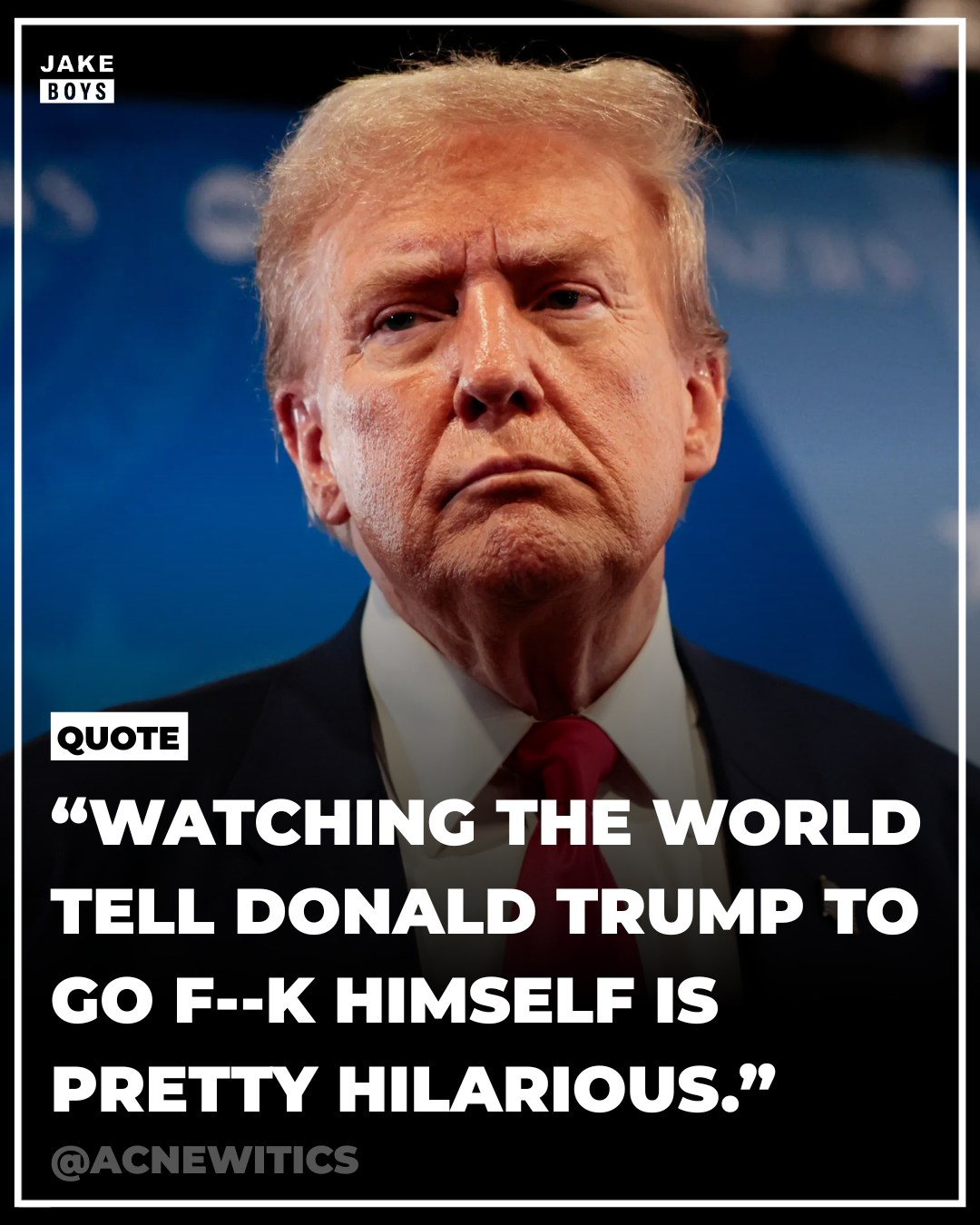
  • A growing number of U.S. allies have pushed back against President Trump’s demands related to the war with Iran — in ways that underline deep divisions within NATO and global diplomacy.

    Spain has taken one of the strongest stands, closing its airspace and refusing use of its military bases for U.S. operations linked to the Iran conflict — a symbolic and practical rebuke to Trump’s strategy. Madrid’s government has openly condemned the strikes as violations of international law.

    Italy also refused to allow U.S. bombers to land at the Sigonella air base, saying proper procedural approvals weren’t followed. Though Rome says it still supports NATO broadly, the move sent a clear message that U.S. war planning can’t proceed unilaterally on Italian soil.

    France denied overflight rights to planes carrying U.S. weapons bound for Israel — an unprecedented blockade since the Iran conflict began — and official statements emphasized that Paris is not joining offensive military actions.

    The United Kingdom has declined to send warships or commit to frontline combat roles in the Strait of Hormuz, with leaders instead prioritizing defensive postures and domestic considerations — even as Trump publicly criticized the UK’s stance.

    Germany has also made clear that the Iran conflict is not a NATO war, and Berlin has no plans to dispatch forces to the region, reinforcing the message that collective defense does not equate to joining every U.S.-led campaign.

    Canada and other partners have similarly refrained from joining combat operations, focusing instead on diplomatic channels and humanitarian concerns rather than military escalation.

    Even outside Europe, Japan, Australia, and other U.S. partners have signaled they won’t send warships to help secure the Strait of Hormuz, rejecting Trump’s call for security contributions.

    These standoffs go beyond routine alliance disagreements — they underline that many countries are unwilling to be drawn into a war they didn’t choose, even as the U.S. seeks broader participation or assistance.
    A growing number of U.S. allies have pushed back against President Trump’s demands related to the war with Iran — in ways that underline deep divisions within NATO and global diplomacy. Spain has taken one of the strongest stands, closing its airspace and refusing use of its military bases for U.S. operations linked to the Iran conflict — a symbolic and practical rebuke to Trump’s strategy. Madrid’s government has openly condemned the strikes as violations of international law. Italy also refused to allow U.S. bombers to land at the Sigonella air base, saying proper procedural approvals weren’t followed. Though Rome says it still supports NATO broadly, the move sent a clear message that U.S. war planning can’t proceed unilaterally on Italian soil. France denied overflight rights to planes carrying U.S. weapons bound for Israel — an unprecedented blockade since the Iran conflict began — and official statements emphasized that Paris is not joining offensive military actions. The United Kingdom has declined to send warships or commit to frontline combat roles in the Strait of Hormuz, with leaders instead prioritizing defensive postures and domestic considerations — even as Trump publicly criticized the UK’s stance. Germany has also made clear that the Iran conflict is not a NATO war, and Berlin has no plans to dispatch forces to the region, reinforcing the message that collective defense does not equate to joining every U.S.-led campaign. Canada and other partners have similarly refrained from joining combat operations, focusing instead on diplomatic channels and humanitarian concerns rather than military escalation. Even outside Europe, Japan, Australia, and other U.S. partners have signaled they won’t send warships to help secure the Strait of Hormuz, rejecting Trump’s call for security contributions. These standoffs go beyond routine alliance disagreements — they underline that many countries are unwilling to be drawn into a war they didn’t choose, even as the U.S. seeks broader participation or assistance.
    Like
    Love
    Wow
    3
    0 Commentarios 0 Acciones 533 Views 0 Vista previa
Resultados de la búsqueda