• My cat is annoyed at me, I went traveling for 5 weeks. Got home 3 days ago and she is still pissed at me
    My cat is annoyed at me, I went traveling for 5 weeks. Got home 3 days ago and she is still pissed at me
    Like
    Love
    Wow
    3
    0 التعليقات 0 المشاركات 140كيلو بايت مشاهدة 0 معاينة
  • The Maldives has banned Israeli passport holders after President Mohamed Muizzu approved a new immigration law amendment. The government said the move was a response to what it called Israel’s actions against Palestinians, which Israel denies.

    Tourism is a major part of the Maldivian economy, but the decision still passed unanimously in parliament. Israel has since advised its citizens to leave the Maldives and avoid traveling there.
    The Maldives has banned Israeli passport holders after President Mohamed Muizzu approved a new immigration law amendment. The government said the move was a response to what it called Israel’s actions against Palestinians, which Israel denies. Tourism is a major part of the Maldivian economy, but the decision still passed unanimously in parliament. Israel has since advised its citizens to leave the Maldives and avoid traveling there.
    Like
    Love
    Wow
    3
    0 التعليقات 0 المشاركات 258 مشاهدة 0 معاينة
  • Traveling to Japan just got even more exciting.
    Japan Airlines is offering free domestic flights to certain international visitors as part of a tourism initiative.

    The goal is to encourage travelers to explore beyond Tokyo and Kyoto.
    From the snowy landscapes of Hokkaido to the beaches of Okinawa, more of Japan is now within reach.
    Traveling to Japan just got even more exciting. Japan Airlines is offering free domestic flights to certain international visitors as part of a tourism initiative. The goal is to encourage travelers to explore beyond Tokyo and Kyoto. From the snowy landscapes of Hokkaido to the beaches of Okinawa, more of Japan is now within reach.
    Like
    Love
    Wow
    3
    0 التعليقات 0 المشاركات 475 مشاهدة 0 معاينة
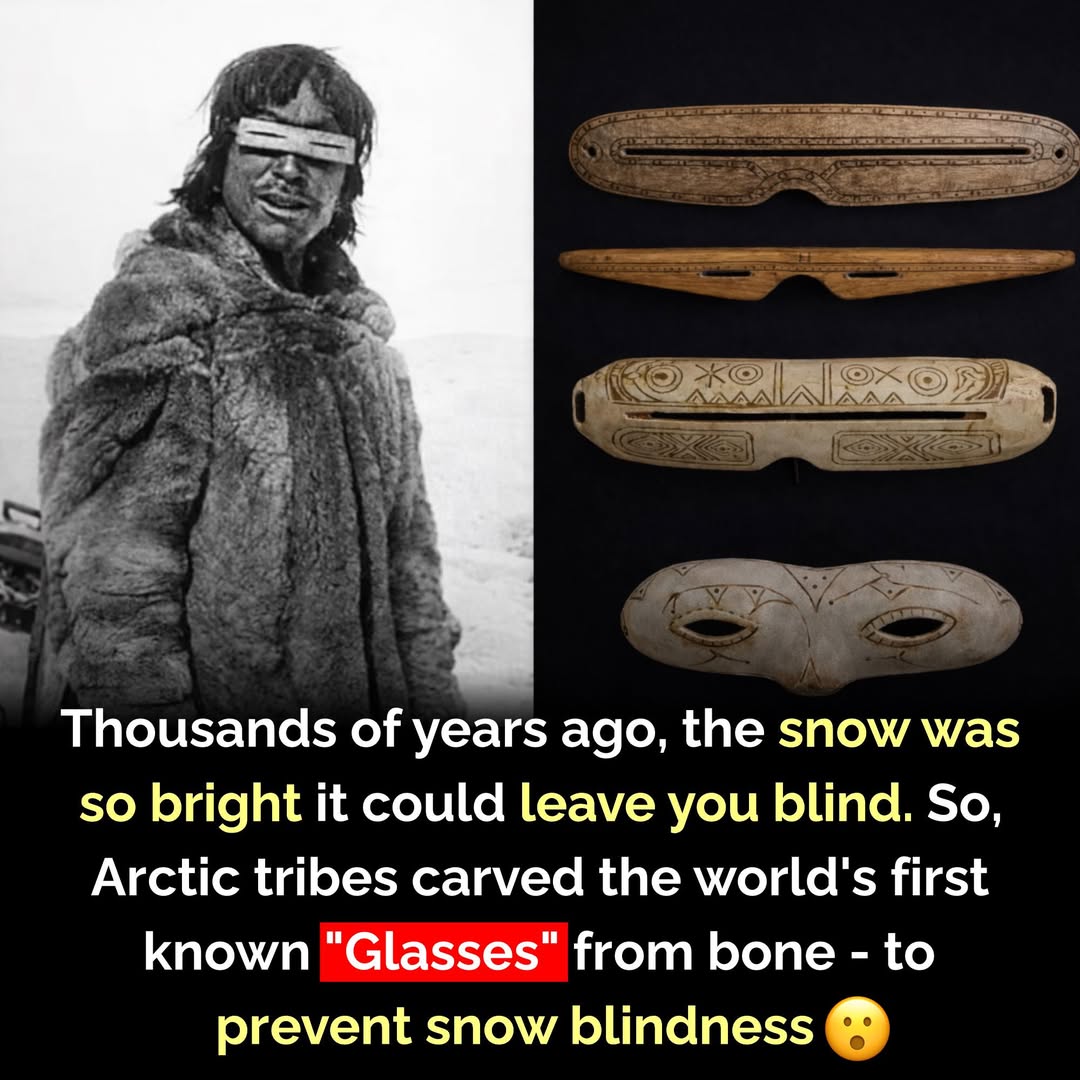
  • In the Arctic, sunlight reflecting off endless fields of snow can be more dangerous than it looks. The intense glare can cause snow blindness, a painful condition that temporarily damages the eyes and makes travel extremely difficult.

    More than 2,000 years ago, the Inuit and Yupik peoples of Alaska and northern Canada developed a clever solution to this problem. They created some of the earliest forms of protective eyewear, often known as snow goggles.

    These goggles were made using materials found in their surroundings, including driftwood, bone, walrus ivory, and caribou antler. They featured narrow horizontal slits that allowed just enough light to enter while blocking the harsh glare from the snow. Some were even darkened with soot on the inside to further reduce brightness and improve vision across the bright Arctic landscape.

    Beyond being practical tools for survival while hunting or traveling across frozen terrain, many of these goggles were also carefully crafted. Some were decorated with carvings and patterns that reflected cultural traditions, personal identity, or spiritual beliefs.

    This invention highlights the deep knowledge and creativity of Indigenous Arctic communities. Long before modern sunglasses existed, they had already developed an effective way to protect their vision and live successfully in one of the brightest and most challenging environments on Earth.
    In the Arctic, sunlight reflecting off endless fields of snow can be more dangerous than it looks. The intense glare can cause snow blindness, a painful condition that temporarily damages the eyes and makes travel extremely difficult. More than 2,000 years ago, the Inuit and Yupik peoples of Alaska and northern Canada developed a clever solution to this problem. They created some of the earliest forms of protective eyewear, often known as snow goggles. These goggles were made using materials found in their surroundings, including driftwood, bone, walrus ivory, and caribou antler. They featured narrow horizontal slits that allowed just enough light to enter while blocking the harsh glare from the snow. Some were even darkened with soot on the inside to further reduce brightness and improve vision across the bright Arctic landscape. Beyond being practical tools for survival while hunting or traveling across frozen terrain, many of these goggles were also carefully crafted. Some were decorated with carvings and patterns that reflected cultural traditions, personal identity, or spiritual beliefs. This invention highlights the deep knowledge and creativity of Indigenous Arctic communities. Long before modern sunglasses existed, they had already developed an effective way to protect their vision and live successfully in one of the brightest and most challenging environments on Earth.
    Like
    Love
    Wow
    3
    0 التعليقات 0 المشاركات 587 مشاهدة 0 معاينة
  • A Japanese social media account that appeared to belong to a young female motorcycle rider quickly grabbed attention online . The profile regularly posted cheerful selfies with bikes and travel-style photos, building a fanbase of over **20,000 followers** who loved the biker lifestyle aesthetic .

    Over time, some viewers started noticing small inconsistencies in certain pictures. Sharp-eyed followers spotted strange reflections in motorcycle photos that didn’t quite match the youthful “biker girl” identity . These tiny details sparked curiosity about who was actually behind the account.

    The mystery was eventually revealed on Japanese television . The viral “biker girl” persona turned out to be a **man in his 50s** who had been using **FaceApp and other photo-editing tools** to transform his appearance into a younger, feminine look online .

    In interviews, he explained that the goal was mainly to gain attention and engagement, admitting that a typical middle-aged man posting motorcycle photos probably wouldn’t attract the same interest on social media .

    The reveal quickly went viral and sparked discussions about how powerful modern filters and editing apps have become — and how easily a convincing online identity can be created in today’s digital world .
    A Japanese social media account that appeared to belong to a young female motorcycle rider quickly grabbed attention online . The profile regularly posted cheerful selfies with bikes and travel-style photos, building a fanbase of over **20,000 followers** who loved the biker lifestyle aesthetic . Over time, some viewers started noticing small inconsistencies in certain pictures. Sharp-eyed followers spotted strange reflections in motorcycle photos that didn’t quite match the youthful “biker girl” identity . These tiny details sparked curiosity about who was actually behind the account. The mystery was eventually revealed on Japanese television . The viral “biker girl” persona turned out to be a **man in his 50s** who had been using **FaceApp and other photo-editing tools** to transform his appearance into a younger, feminine look online . In interviews, he explained that the goal was mainly to gain attention and engagement, admitting that a typical middle-aged man posting motorcycle photos probably wouldn’t attract the same interest on social media . The reveal quickly went viral and sparked discussions about how powerful modern filters and editing apps have become — and how easily a convincing online identity can be created in today’s digital world .
    Like
    Love
    Wow
    3
    0 التعليقات 0 المشاركات 917 مشاهدة 0 معاينة
الصفحات المعززة