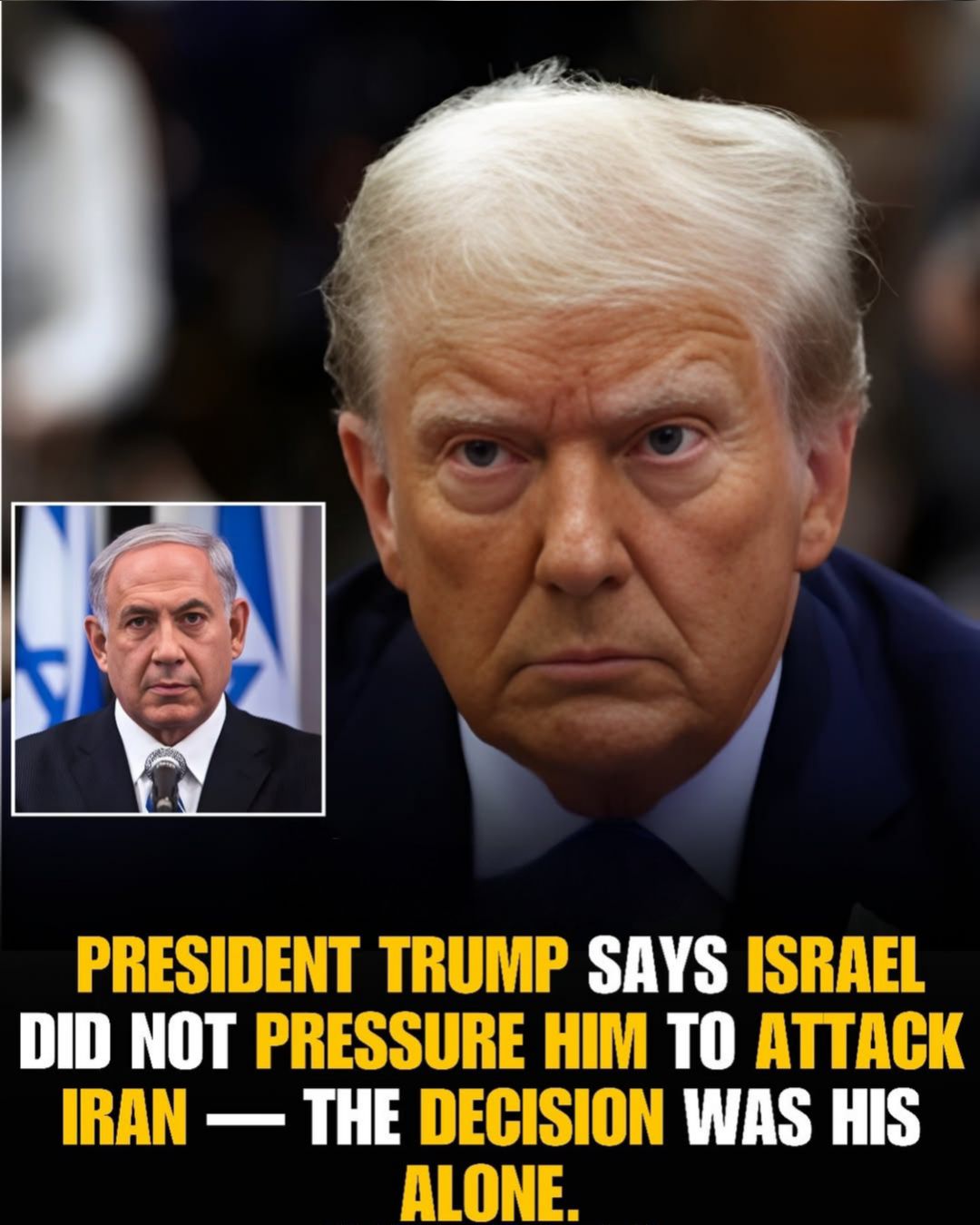

• President Donald Trump has publicly denied that Israeli officials pressured the United States into launching its recent military strikes on Iran, insisting that the decision was made independently based on U.S. intelligence and perceived threats. Speaking to reporters alongside the German chancellor, Trump said that he believed Iran would have attacked first if the U.S. had not acted, and that any suggestion the strikes were dictated by Israel was inaccurate. “If anything, I might have forced their hand,” he said, stressing that the U.S. acted on its own assessment of risk rather than under foreign influence. His clarification comes amid ongoing debate and criticism from lawmakers and analysts about the rationale for the military campaign and its connections to American and allied strategic interests.

    #Headlines360
    #TrumpIran
    #ForeignPolicy
    #MiddleEastCrisis
    #BreakingNews
    #USForeignPolicy
    #GlobalPolitics
    President Donald Trump has publicly denied that Israeli officials pressured the United States into launching its recent military strikes on Iran, insisting that the decision was made independently based on U.S. intelligence and perceived threats. Speaking to reporters alongside the German chancellor, Trump said that he believed Iran would have attacked first if the U.S. had not acted, and that any suggestion the strikes were dictated by Israel was inaccurate. “If anything, I might have forced their hand,” he said, stressing that the U.S. acted on its own assessment of risk rather than under foreign influence. His clarification comes amid ongoing debate and criticism from lawmakers and analysts about the rationale for the military campaign and its connections to American and allied strategic interests. #Headlines360 #TrumpIran #ForeignPolicy #MiddleEastCrisis #BreakingNews #USForeignPolicy #GlobalPolitics
    Like
    Love
    Wow
    3
    0 Comments 0 Shares 3K Views 0 Reviews
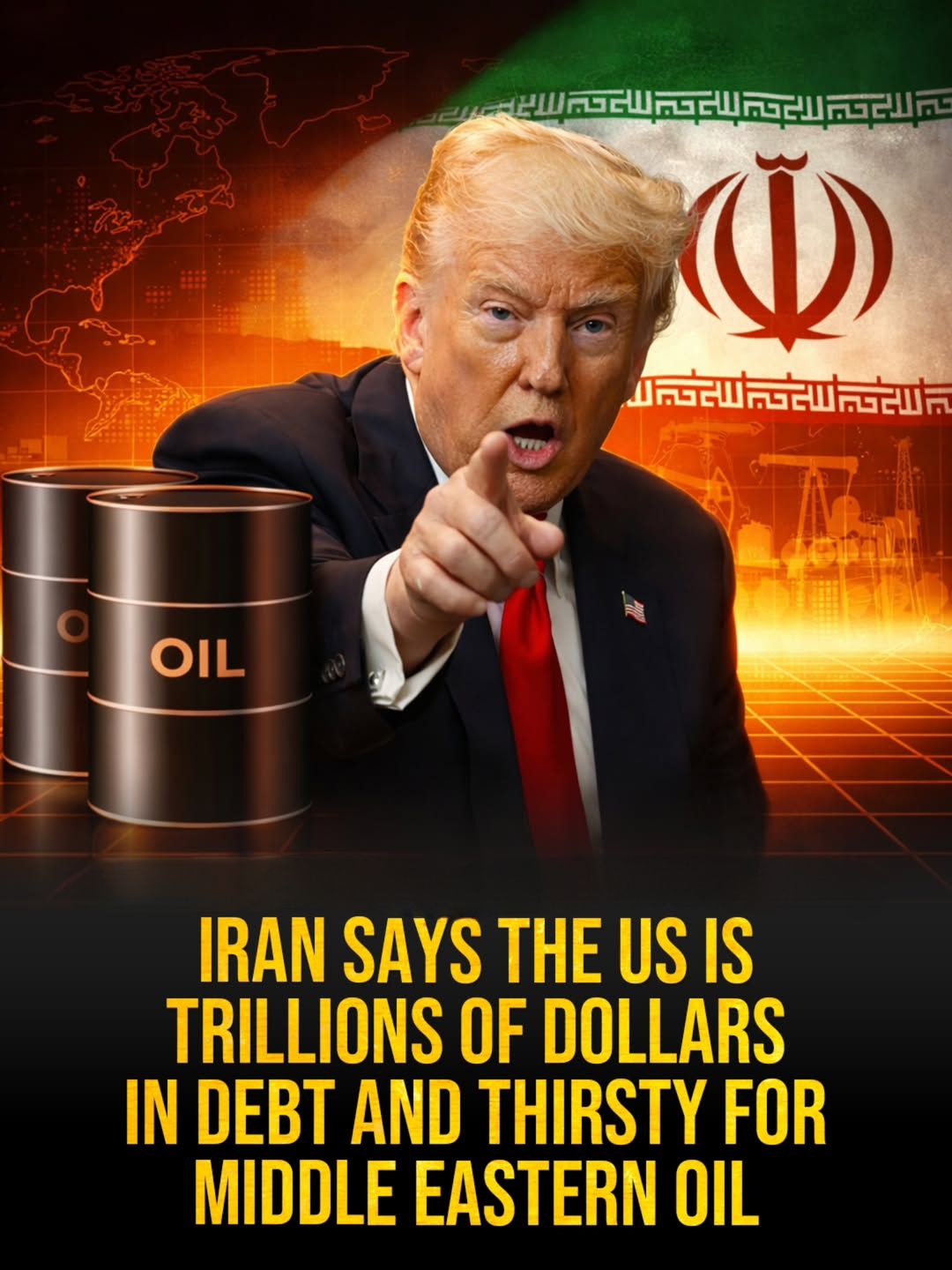
  • “Trillions in debt and still thirsty for Middle East oil.”

    That’s how officials in Iran framed recent criticism of the United States, tying global tension to economics and energy politics.
    As of early 2026, the U.S. national debt has surpassed about $38.5 trillion, a figure that continues to grow and is frequently cited in global political and economic discussions. Rival nations sometimes argue that a heavily indebted superpower still seeks influence and resources abroad, especially in regions like the Middle East that remain central to global energy markets.
    The resulting narrative blends Debt. Oil. Power. — reflecting how economic realities and strategic interests often intersect on the global stage.
    #theincomet #USNationalDebt #GlobalPolitics #MiddleEast #EnergySecurity #Geopolitics #WorldEconomy #OilAndPower #InternationalRelations #USForeignPolicy
    “Trillions in debt and still thirsty for Middle East oil.” That’s how officials in Iran framed recent criticism of the United States, tying global tension to economics and energy politics. As of early 2026, the U.S. national debt has surpassed about $38.5 trillion, a figure that continues to grow and is frequently cited in global political and economic discussions. Rival nations sometimes argue that a heavily indebted superpower still seeks influence and resources abroad, especially in regions like the Middle East that remain central to global energy markets. The resulting narrative blends Debt. Oil. Power. — reflecting how economic realities and strategic interests often intersect on the global stage. #theincomet #USNationalDebt #GlobalPolitics #MiddleEast #EnergySecurity #Geopolitics #WorldEconomy #OilAndPower #InternationalRelations #USForeignPolicy
    Like
    Love
    Wow
    3
    0 Comments 0 Shares 6K Views 0 Reviews
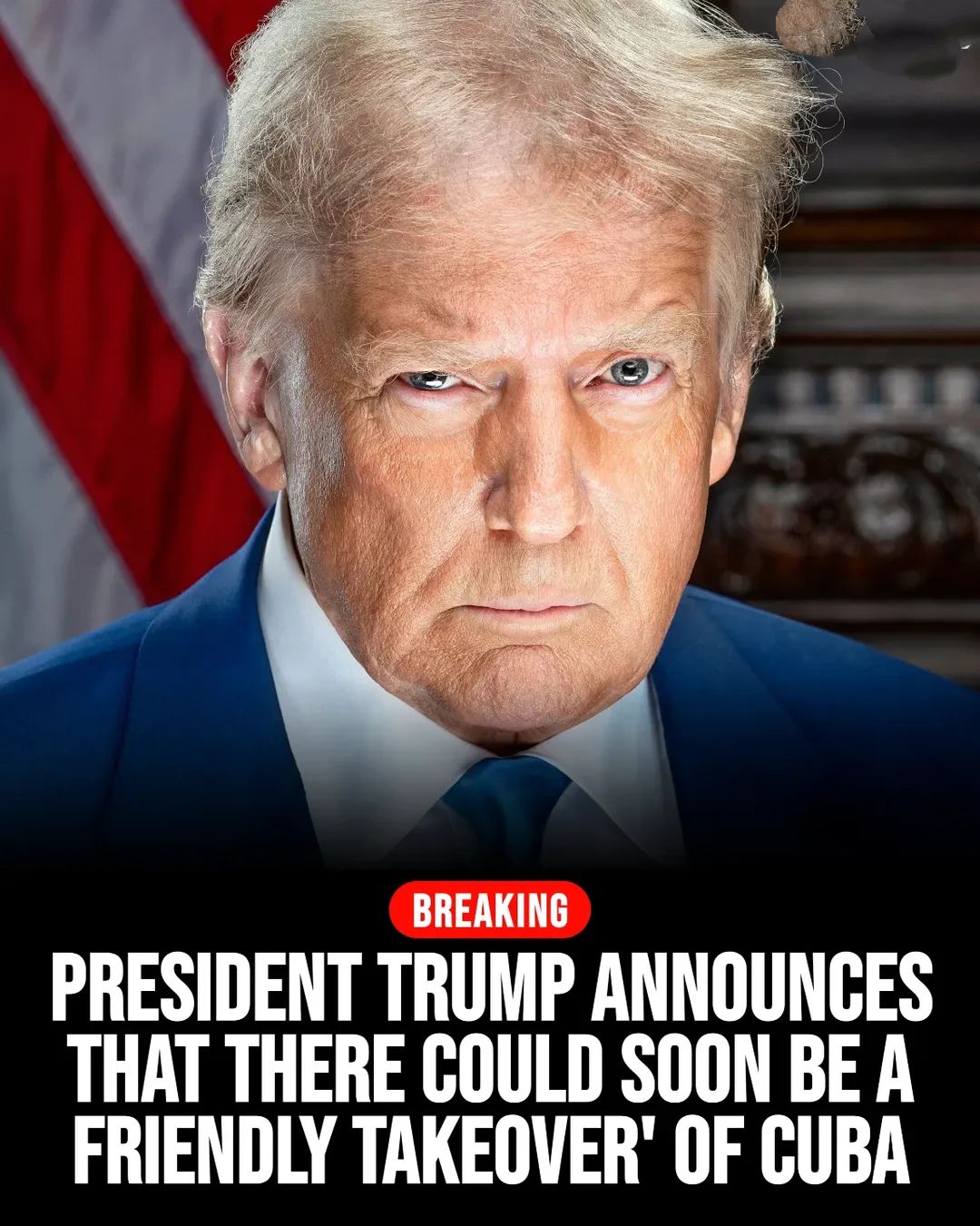
  • Claims circulating about a “friendly takeover” of Cuba are highly dramatic, but there is no verified confirmation from U.S. or Cuban officials indicating that any such takeover is underway. Major geopolitical actions of that scale would be formally announced through official diplomatic channels and widely reported by global news outlets.
    U.S.–Cuba relations have long been complex, shaped by decades of political tension, economic sanctions, and shifting diplomatic strategies under multiple administrations. Any major change in status — especially something as significant as a takeover — would involve international law, sovereignty issues, and broad global implications.
    While some political leaders, including Donald Trump and Marco Rubio, have taken strong positions on Cuba policy, there is currently no confirmed evidence of negotiations for a transfer of control or annexation.
    As always with sweeping geopolitical claims, it’s important to rely on verified reporting rather than viral rhetoric.
    #Cuba #USForeignPolicy #Geopolitics #InternationalRelations #FactCheck #USPolitics #GlobalNews #StayInformed
    Claims circulating about a “friendly takeover” of Cuba are highly dramatic, but there is no verified confirmation from U.S. or Cuban officials indicating that any such takeover is underway. Major geopolitical actions of that scale would be formally announced through official diplomatic channels and widely reported by global news outlets. U.S.–Cuba relations have long been complex, shaped by decades of political tension, economic sanctions, and shifting diplomatic strategies under multiple administrations. Any major change in status — especially something as significant as a takeover — would involve international law, sovereignty issues, and broad global implications. While some political leaders, including Donald Trump and Marco Rubio, have taken strong positions on Cuba policy, there is currently no confirmed evidence of negotiations for a transfer of control or annexation. As always with sweeping geopolitical claims, it’s important to rely on verified reporting rather than viral rhetoric. #Cuba #USForeignPolicy #Geopolitics #InternationalRelations #FactCheck #USPolitics #GlobalNews #StayInformed
    Like
    Love
    Wow
    3
    0 Comments 0 Shares 4K Views 0 Reviews