
• In the village of Sułoszowa, nearly all 6,000 residents live along a single nine-kilometer road—making it one of the most unique one-street towns in the world

    Stretching like a ribbon through the countryside, the settlement runs between open fields and farmland, creating a rare layout where homes line both sides of one long road. This design turns the entire village into a close-knit community, where everyone is quite literally neighbors

    Life here feels simple yet deeply connected. With everything built along one stretch, people grow up, work, and interact within the same shared space, strengthening bonds in a way that’s hard to find in modern cities.

    It’s a fascinating reminder that sometimes, the most unusual places create the strongest sense of community
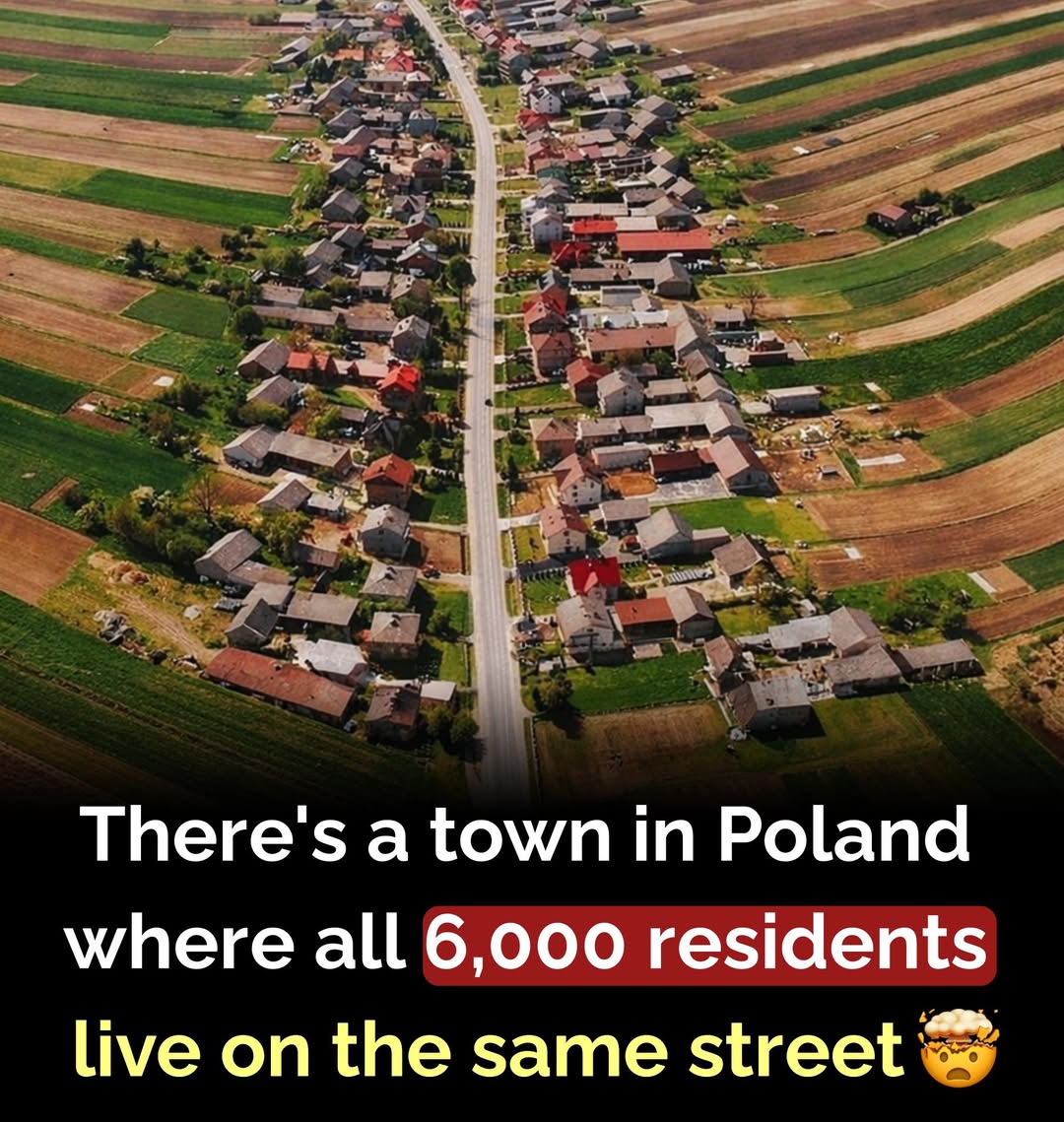
    In the village of Sułoszowa, nearly all 6,000 residents live along a single nine-kilometer road—making it one of the most unique one-street towns in the world Stretching like a ribbon through the countryside, the settlement runs between open fields and farmland, creating a rare layout where homes line both sides of one long road. This design turns the entire village into a close-knit community, where everyone is quite literally neighbors Life here feels simple yet deeply connected. With everything built along one stretch, people grow up, work, and interact within the same shared space, strengthening bonds in a way that’s hard to find in modern cities. It’s a fascinating reminder that sometimes, the most unusual places create the strongest sense of community
    Like
    Love
    Wow
    3
    0 Comments 0 Shares 121 Views 0 Reviews
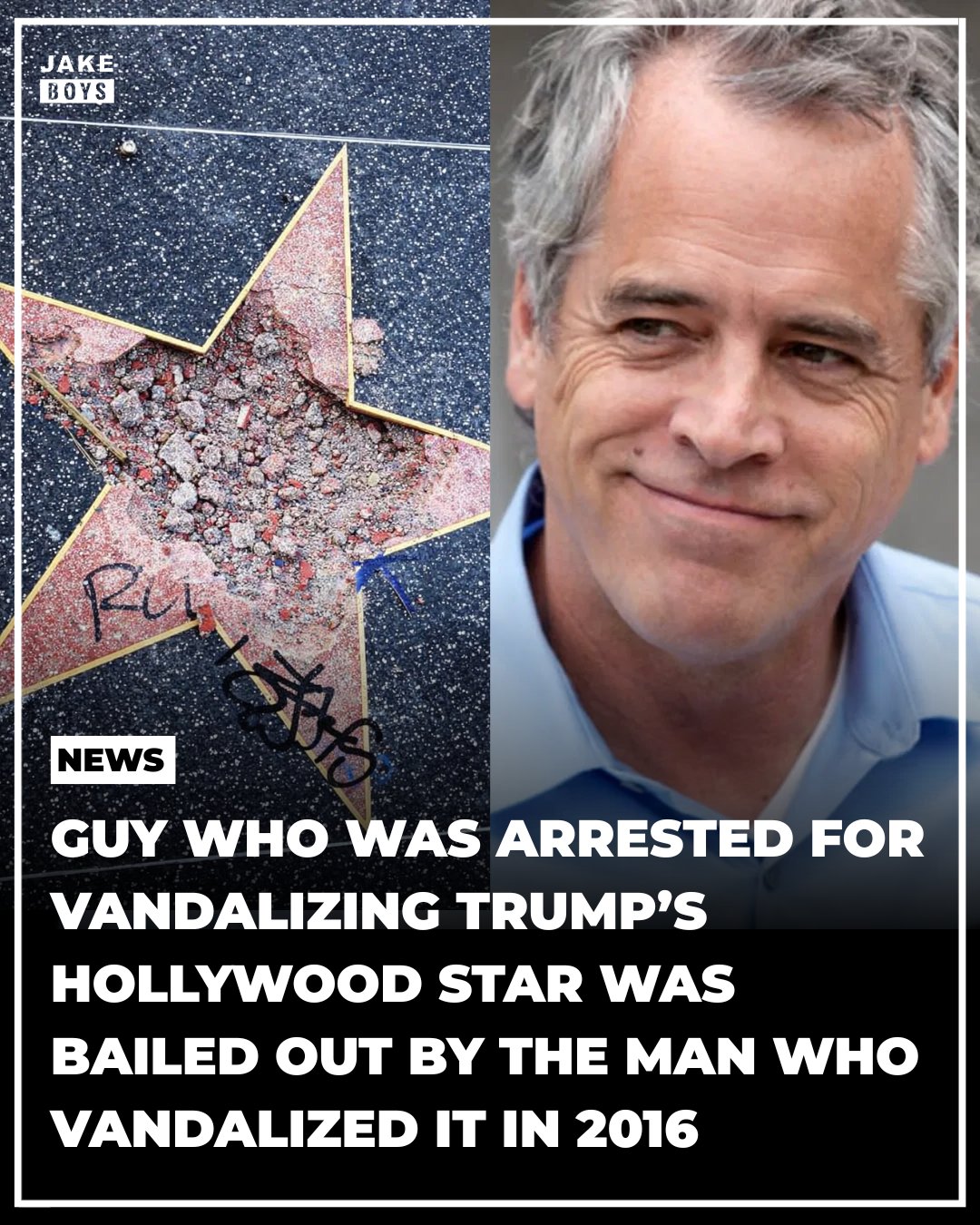
  • A bizarre moment of protest history repeating itself — when 24-year-old Austin Clay was arrested for smashing Donald Trump’s star on the Hollywood Walk of Fame with a pickaxe, his bail was covered by none other than James Otis — the man who destroyed the same star two years earlier.

    Clay turned himself in after the incident and was charged with felony vandalism, facing up to three years in prison, with bail set at $20,000.

    Otis, who attacked the star two years prior using a sledgehammer and pickaxe, had previously said his actions were a protest tied to allegations against Trump and broader political grievances. After his own case, he received probation, community service, and fines — and then reappeared two years later to bail out Clay in a show of what some called “solidarity.”

    Trump’s Hollywood star has since become one of the most repeatedly vandalized and politically charged landmarks in the country — less a tourist attraction, more a symbolic battleground for protest and division.
    A bizarre moment of protest history repeating itself — when 24-year-old Austin Clay was arrested for smashing Donald Trump’s star on the Hollywood Walk of Fame with a pickaxe, his bail was covered by none other than James Otis — the man who destroyed the same star two years earlier. Clay turned himself in after the incident and was charged with felony vandalism, facing up to three years in prison, with bail set at $20,000. Otis, who attacked the star two years prior using a sledgehammer and pickaxe, had previously said his actions were a protest tied to allegations against Trump and broader political grievances. After his own case, he received probation, community service, and fines — and then reappeared two years later to bail out Clay in a show of what some called “solidarity.” Trump’s Hollywood star has since become one of the most repeatedly vandalized and politically charged landmarks in the country — less a tourist attraction, more a symbolic battleground for protest and division.
    Like
    Love
    Wow
    3
    0 Comments 0 Shares 424 Views 0 Reviews
  • In Pakistan, marriages between relatives — especially cousins — are common, with studies estimating 60–65% of unions fall into this category.

    For many families, this isn’t unusual.

    It’s about:
    Trust within known families
    Keeping property and support systems intact
    Strengthening close-knit community ties

    But there’s another side to the story.

    Medical experts say when close relatives have children, the chances of inheriting certain genetic conditions can increase.

    Conditions often discussed include:
    Beta thalassemia
    Inherited hearing loss
    Metabolic disorders
    Rare neurological conditions

    Still, this isn’t a story about blame.

    Researchers describe Pakistan as having an “intensive kinship system” — where family networks are deeply tied to survival and stability.

    That’s why many doctors are focusing on solutions that respect culture while protecting health:

    Premarital screening
    Carrier testing
    Genetic counseling
    Public awareness

    Because in many cases, families only learn about risks after multiple children are affected.

    The goal isn’t judgment.

    It’s awareness.

    Because when tradition and health intersect…

    information can make all the difference.
    In Pakistan, marriages between relatives — especially cousins — are common, with studies estimating 60–65% of unions fall into this category. For many families, this isn’t unusual. It’s about: Trust within known families Keeping property and support systems intact Strengthening close-knit community ties But there’s another side to the story. Medical experts say when close relatives have children, the chances of inheriting certain genetic conditions can increase. Conditions often discussed include: Beta thalassemia Inherited hearing loss Metabolic disorders Rare neurological conditions Still, this isn’t a story about blame. Researchers describe Pakistan as having an “intensive kinship system” — where family networks are deeply tied to survival and stability. That’s why many doctors are focusing on solutions that respect culture while protecting health: Premarital screening Carrier testing Genetic counseling Public awareness Because in many cases, families only learn about risks after multiple children are affected. The goal isn’t judgment. It’s awareness. Because when tradition and health intersect… information can make all the difference.
    Like
    Love
    Wow
    3
    0 Comments 0 Shares 324 Views 0 Reviews
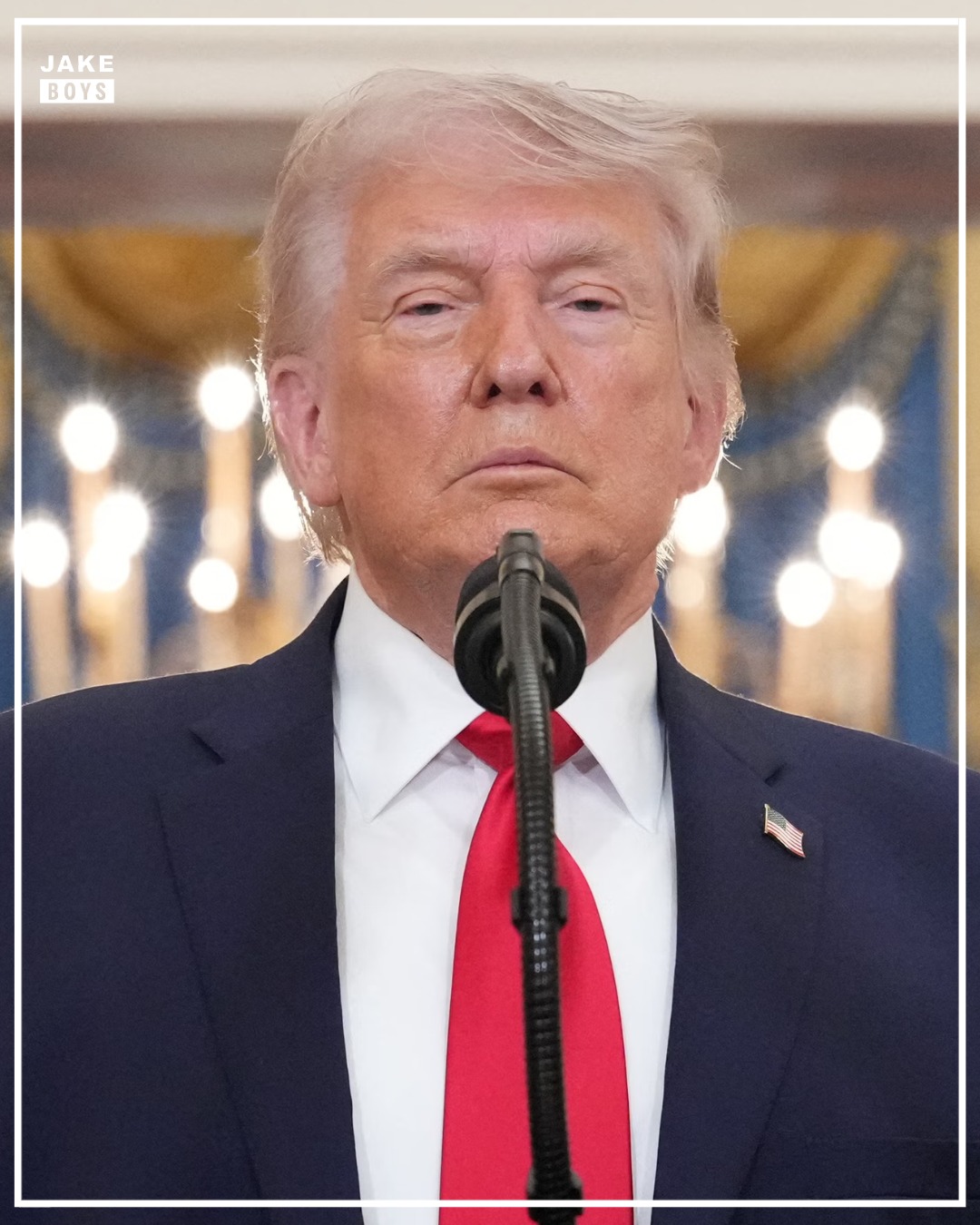
  • Trump's 2027 budget is out, and here's what he pushing to cut to fund his new $1.5 trillion military budget:

    $510 million - Grants for farmers and agricultural research
    $82 million - Loans for rural small businesses (Fully eliminated)
    $61 million - Support for farmers and food markets (Fully eliminated)
    $240 million - School meals and food education for children abroad (Fully eliminated)
    $659 million - Community building grants
    $47 million - Support for minority-owned businesses (Fully eliminated)
    $449 million - Economic development grants for communities
    $1.6 billion - Weather forecasting, fisheries, and coastal protection (NOAA)
    $993 million - Scientific research and technology standards
    $150 million - Support for American exports and trade
    $2.2 billion - Broadband and internet access programs
    $8.5 billion - Funding for public schools
    $1.5 billion - Vocational training and adult education (Fully eliminated)
    $2.7 billion - College access and higher education support
    $15.2 billion - Roads, bridges, and infrastructure projects
    $1.1 billion - Home energy efficiency and clean energy programs (Fully eliminated)
    $1.1 billion - Scientific research funding
    $386 million - Environmental cleanup programs
    $150 million - Cutting-edge clean energy research
    $4 billion - Help paying home heating and cooling bills for low-income families (Fully eliminated)
    $768 million - Refugee resettlement assistance
    $819 million - Care and shelter for migrant children
    $775 million - Local anti-poverty programs (Fully eliminated)
    $5 billion - Public health programs, mental health services, and disease prevention
    $5 billion - Medical research (NIH)
    $129 million - Healthcare quality and safety research
    $356 million - Emergency preparedness and disaster response
    $1.3 billion - FEMA community disaster preparedness grants
    $707 million - Cybersecurity protection for critical infrastructure
    $52 million - Airport and transportation security
    $40 million - Protection against chemical and biological weapons threats
    $53 million - Funding for homeland security operations
    $3.3 billion - Community development block grants for local neighborhoods (Fully eliminated)
    $1.3 billion - Affordable housing construction grants (Fully eliminated)
    $393 million - Programs to reduce homelessness
    $529 million - Housing assistance for people living with HIV/AIDS (Fully eliminated)
    $489 million - Housing and services for Native American communities
    $50 million - Grants to help communities build more housing (Fully eliminated)
    $60 million - Enforcement of fair housing and anti-discrimination laws
    $58 million - Homebuyer and renter counseling services (Fully eliminated)
    $45 million - Renewable energy development programs (Fully eliminated)
    $1.7 billion - Grants for local law enforcement and public safety
    $20 million - Civil rights mediation and legal access programs (Fully eliminated)
    $1.6 billion - Job training for at-risk youth (Fully eliminated)
    $395 million - Jobs program for low-income seniors (Fully eliminated)
    $234 million - Worker safety and labor protection programs
    $101 million - Enforcement of equal pay and workplace anti-discrimination laws
    $46 million - Programs to combat child labor and forced labor abroad
    $2 billion - International humanitarian aid
    $1.2 billion - Food aid for hungry families abroad (Fully eliminated)
    $4.3 billion - Global health and disease prevention programs
    $2.7 billion - Funding for the United Nations and international partnerships
    $642 million - International economic and treasury programs
    $315 million - Democracy and anti-corruption programs abroad
    $486 million - Grants for public transit projects
    $4.2 billion - Electric vehicle charging infrastructure
    $372 million - Airline service for rural and small communities
    $145 million - Grants for sustainable and equitable infrastructure
    $204 million - Loans and investment for underserved communities
    $1.4 billion - IRS taxpayer services and enforcement
    $100 million - Air pollution monitoring and reduction programs (Fully eliminated)
    $1 billion - EPA grants to states for environmental protection
    $2.5 billion - Clean drinking water and wastewater infrastructure funds
    $90 million - Grants to reduce diesel pollution (Fully eliminated)
    $3.4 billion - NASA space and earth science research
    $297 million - NASA technology innovation programs
    $1.1 billion - International Space Station operations
    $143 million - STEM education programs
    $309 million - Small business development and entrepreneurship programs
    $170 million - Small Business Administration operations
    $158 million - Loans for small businesses
    Trump's 2027 budget is out, and here's what he pushing to cut to fund his new $1.5 trillion military budget: $510 million - Grants for farmers and agricultural research $82 million - Loans for rural small businesses (Fully eliminated) $61 million - Support for farmers and food markets (Fully eliminated) $240 million - School meals and food education for children abroad (Fully eliminated) $659 million - Community building grants $47 million - Support for minority-owned businesses (Fully eliminated) $449 million - Economic development grants for communities $1.6 billion - Weather forecasting, fisheries, and coastal protection (NOAA) $993 million - Scientific research and technology standards $150 million - Support for American exports and trade $2.2 billion - Broadband and internet access programs $8.5 billion - Funding for public schools $1.5 billion - Vocational training and adult education (Fully eliminated) $2.7 billion - College access and higher education support $15.2 billion - Roads, bridges, and infrastructure projects $1.1 billion - Home energy efficiency and clean energy programs (Fully eliminated) $1.1 billion - Scientific research funding $386 million - Environmental cleanup programs $150 million - Cutting-edge clean energy research $4 billion - Help paying home heating and cooling bills for low-income families (Fully eliminated) $768 million - Refugee resettlement assistance $819 million - Care and shelter for migrant children $775 million - Local anti-poverty programs (Fully eliminated) $5 billion - Public health programs, mental health services, and disease prevention $5 billion - Medical research (NIH) $129 million - Healthcare quality and safety research $356 million - Emergency preparedness and disaster response $1.3 billion - FEMA community disaster preparedness grants $707 million - Cybersecurity protection for critical infrastructure $52 million - Airport and transportation security $40 million - Protection against chemical and biological weapons threats $53 million - Funding for homeland security operations $3.3 billion - Community development block grants for local neighborhoods (Fully eliminated) $1.3 billion - Affordable housing construction grants (Fully eliminated) $393 million - Programs to reduce homelessness $529 million - Housing assistance for people living with HIV/AIDS (Fully eliminated) $489 million - Housing and services for Native American communities $50 million - Grants to help communities build more housing (Fully eliminated) $60 million - Enforcement of fair housing and anti-discrimination laws $58 million - Homebuyer and renter counseling services (Fully eliminated) $45 million - Renewable energy development programs (Fully eliminated) $1.7 billion - Grants for local law enforcement and public safety $20 million - Civil rights mediation and legal access programs (Fully eliminated) $1.6 billion - Job training for at-risk youth (Fully eliminated) $395 million - Jobs program for low-income seniors (Fully eliminated) $234 million - Worker safety and labor protection programs $101 million - Enforcement of equal pay and workplace anti-discrimination laws $46 million - Programs to combat child labor and forced labor abroad $2 billion - International humanitarian aid $1.2 billion - Food aid for hungry families abroad (Fully eliminated) $4.3 billion - Global health and disease prevention programs $2.7 billion - Funding for the United Nations and international partnerships $642 million - International economic and treasury programs $315 million - Democracy and anti-corruption programs abroad $486 million - Grants for public transit projects $4.2 billion - Electric vehicle charging infrastructure $372 million - Airline service for rural and small communities $145 million - Grants for sustainable and equitable infrastructure $204 million - Loans and investment for underserved communities $1.4 billion - IRS taxpayer services and enforcement $100 million - Air pollution monitoring and reduction programs (Fully eliminated) $1 billion - EPA grants to states for environmental protection $2.5 billion - Clean drinking water and wastewater infrastructure funds $90 million - Grants to reduce diesel pollution (Fully eliminated) $3.4 billion - NASA space and earth science research $297 million - NASA technology innovation programs $1.1 billion - International Space Station operations $143 million - STEM education programs $309 million - Small business development and entrepreneurship programs $170 million - Small Business Administration operations $158 million - Loans for small businesses
    Like
    Love
    Wow
    3
    0 Comments 0 Shares 864 Views 0 Reviews