
• Pope Leo XIV delivers a sharp moral warning to Trump: God does not hear the prayers of warmongers + On Palm Sunday, Pope Leo XIV used his address to condemn the U.S.-led war in Iran, declaring that God refuses to hear the prayers of those whose hands are stained with blood. Speaking to thousands of worshipers, he invoked the prophet Isaiah and reminded the faithful that Jesus is the King of Peace, who rejects war and cannot be used to justify violence. He urged leaders and military figures to examine their conscience and reflect on the human cost of conflict.

    The pontiff's remarks come amid reports that some U.S. military commanders have told troops the offensive against Iran is part of "God's divine plan," even invoking Armageddon and the return of Jesus Christ as a recruitment tool. Defense Secretary Pete Hegseth reportedly prayed for the military to use "overwhelming violence" during a Pentagon Christian worship service. Pope Leo condemned these actions and highlighted the suffering caused by the war, which has claimed over 2,500 lives, including at least 13 American service members, and resulted in the deaths of Lebanese journalists.

    By addressing the moral and spiritual responsibility of those waging war, Pope Leo XIV positioned himself as a leading voice demanding peace. He called for a ceasefire, grief for the crucified humanity, and urged warmongers to lay down weapons and recognize the shared value of human life. His message resonates globally as tensions in the Middle East continue to escalate and civilians bear the heaviest toll.

    Follow

    #fblifestyle #photography #community #MiddleEastConflict #PeaceHumanRights

    References:
    BBC News: Pope Leo XIV Condemns U.S.-Led War in Iran During Palm Sunday Address.
    Reuters: U.S. Military Actions in Iran Draw Moral Criticism from Pope.
    AP News: Pope Leo XIV Calls for Ceasefire Amid Rising Casualties in Middle East
    Pope Leo XIV delivers a sharp moral warning to Trump: God does not hear the prayers of warmongers + On Palm Sunday, Pope Leo XIV used his address to condemn the U.S.-led war in Iran, declaring that God refuses to hear the prayers of those whose hands are stained with blood. Speaking to thousands of worshipers, he invoked the prophet Isaiah and reminded the faithful that Jesus is the King of Peace, who rejects war and cannot be used to justify violence. He urged leaders and military figures to examine their conscience and reflect on the human cost of conflict. The pontiff's remarks come amid reports that some U.S. military commanders have told troops the offensive against Iran is part of "God's divine plan," even invoking Armageddon and the return of Jesus Christ as a recruitment tool. Defense Secretary Pete Hegseth reportedly prayed for the military to use "overwhelming violence" during a Pentagon Christian worship service. Pope Leo condemned these actions and highlighted the suffering caused by the war, which has claimed over 2,500 lives, including at least 13 American service members, and resulted in the deaths of Lebanese journalists. By addressing the moral and spiritual responsibility of those waging war, Pope Leo XIV positioned himself as a leading voice demanding peace. He called for a ceasefire, grief for the crucified humanity, and urged warmongers to lay down weapons and recognize the shared value of human life. His message resonates globally as tensions in the Middle East continue to escalate and civilians bear the heaviest toll. Follow #fblifestyle #photography #community #MiddleEastConflict #PeaceHumanRights References: BBC News: Pope Leo XIV Condemns U.S.-Led War in Iran During Palm Sunday Address. Reuters: U.S. Military Actions in Iran Draw Moral Criticism from Pope. AP News: Pope Leo XIV Calls for Ceasefire Amid Rising Casualties in Middle East
    Like
    Love
    Wow
    3
    0 Commenti 0 condivisioni 2K Views 0 Anteprima
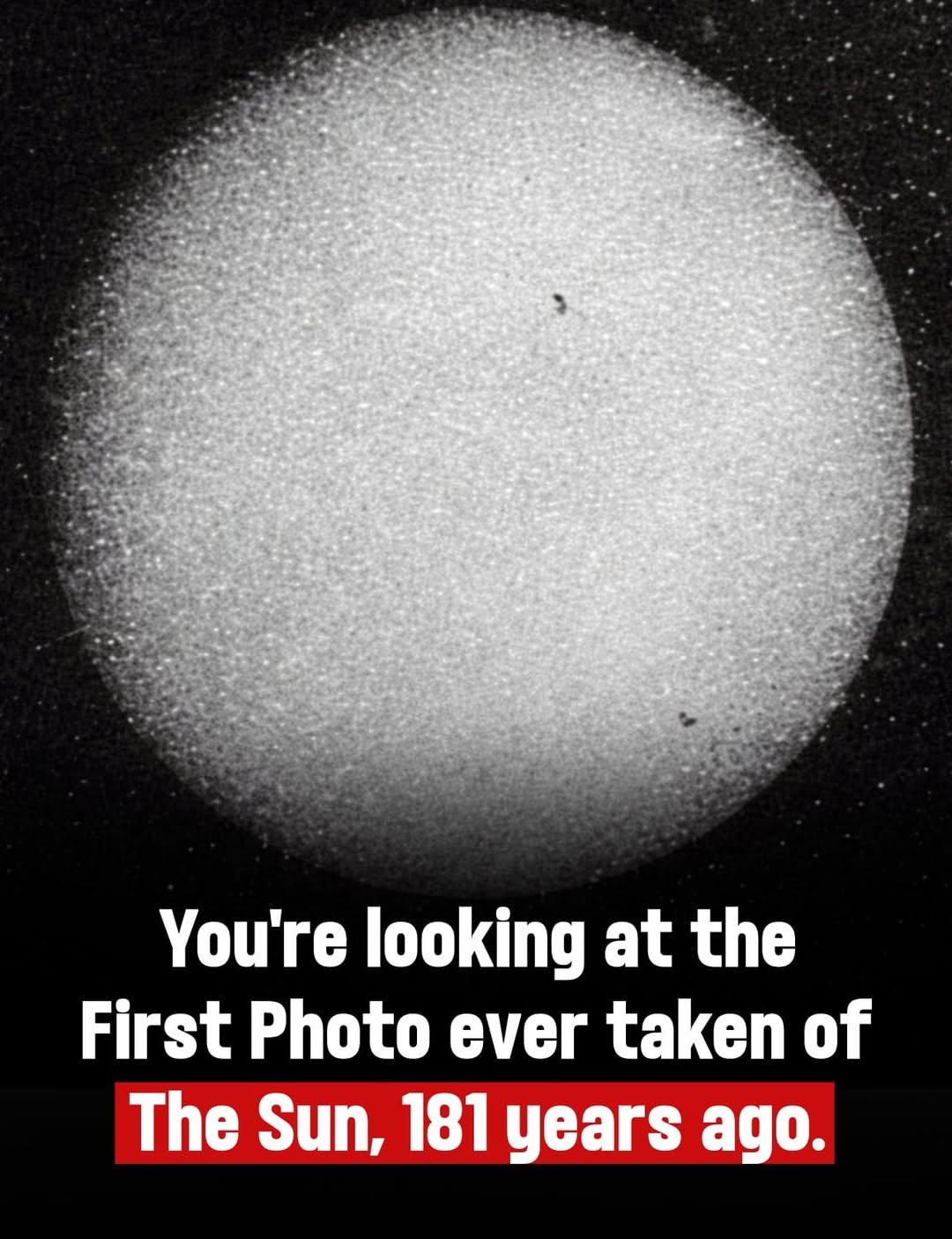
  • On April 2, 1845, the first-ever photograph of the Sun was captured by French physicists Hippolyte Fizeau and Léon Foucault. Using an early photographic process called a daguerreotype, they produced a 12 cm image with an exposure time of just 1/60th of a second — a remarkable technical achievement for that era

    The image clearly revealed sunspots and the solar limb, offering one of the first visual records of activity on the Sun’s surface. At a time when photography itself was still in its infancy, this breakthrough marked a major step forward in both astronomy and imaging technology, opening the door to studying celestial objects in entirely new ways
    On April 2, 1845, the first-ever photograph of the Sun was captured by French physicists Hippolyte Fizeau and Léon Foucault. Using an early photographic process called a daguerreotype, they produced a 12 cm image with an exposure time of just 1/60th of a second — a remarkable technical achievement for that era The image clearly revealed sunspots and the solar limb, offering one of the first visual records of activity on the Sun’s surface. At a time when photography itself was still in its infancy, this breakthrough marked a major step forward in both astronomy and imaging technology, opening the door to studying celestial objects in entirely new ways
    Like
    Love
    Wow
    3
    0 Commenti 0 condivisioni 508 Views 0 Anteprima
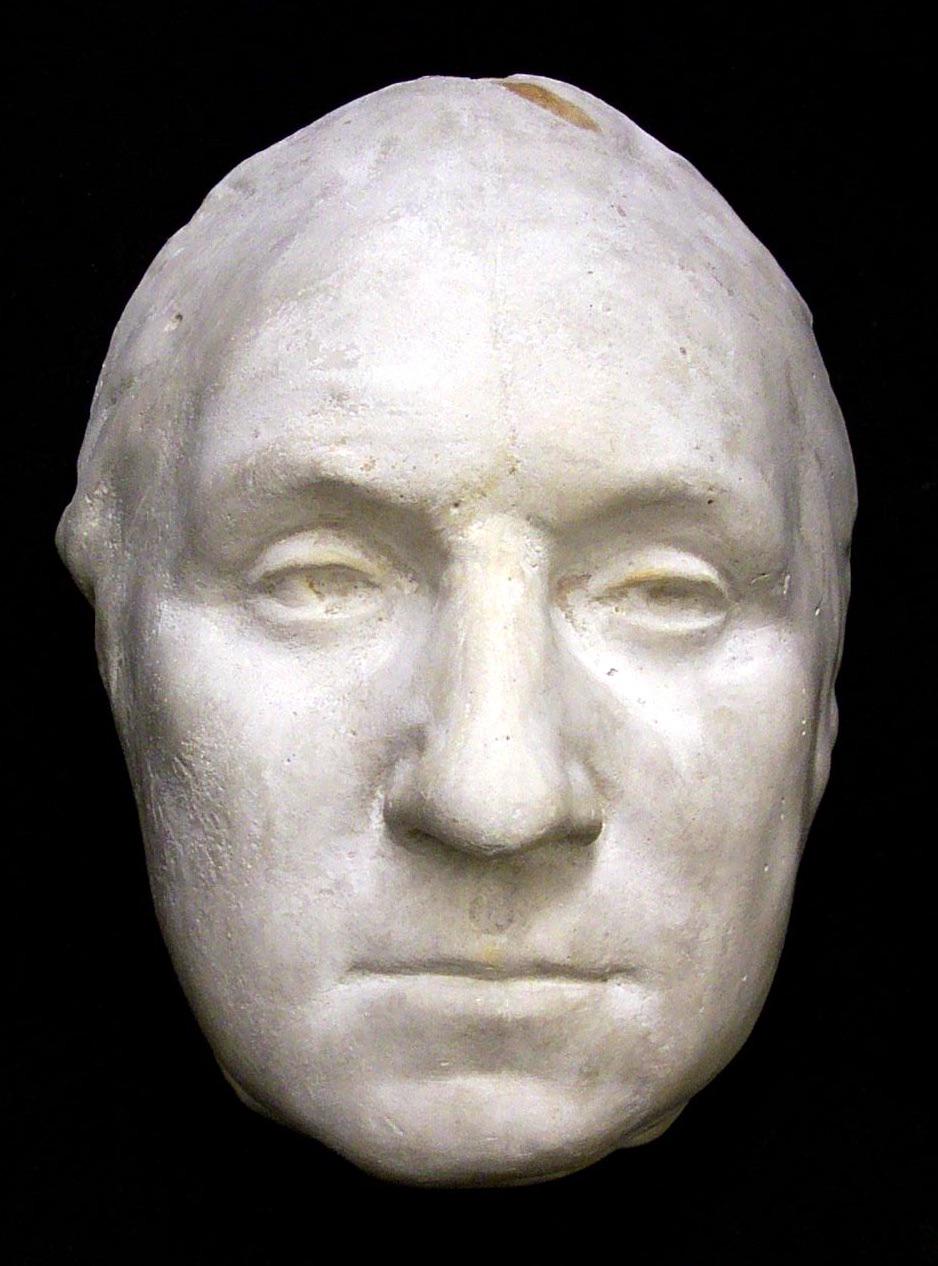
  • Death mask of George Washington. It provides a glimpse into how a famous historical figure looked before photography was invented.
    Death mask of George Washington. It provides a glimpse into how a famous historical figure looked before photography was invented.
    Like
    Love
    Wow
    3
    0 Commenti 0 condivisioni 151K Views 0 Anteprima
  • Here’s a cleaner rewritten version (same story, smoother for social media):

    A photo that took eight years to capture.

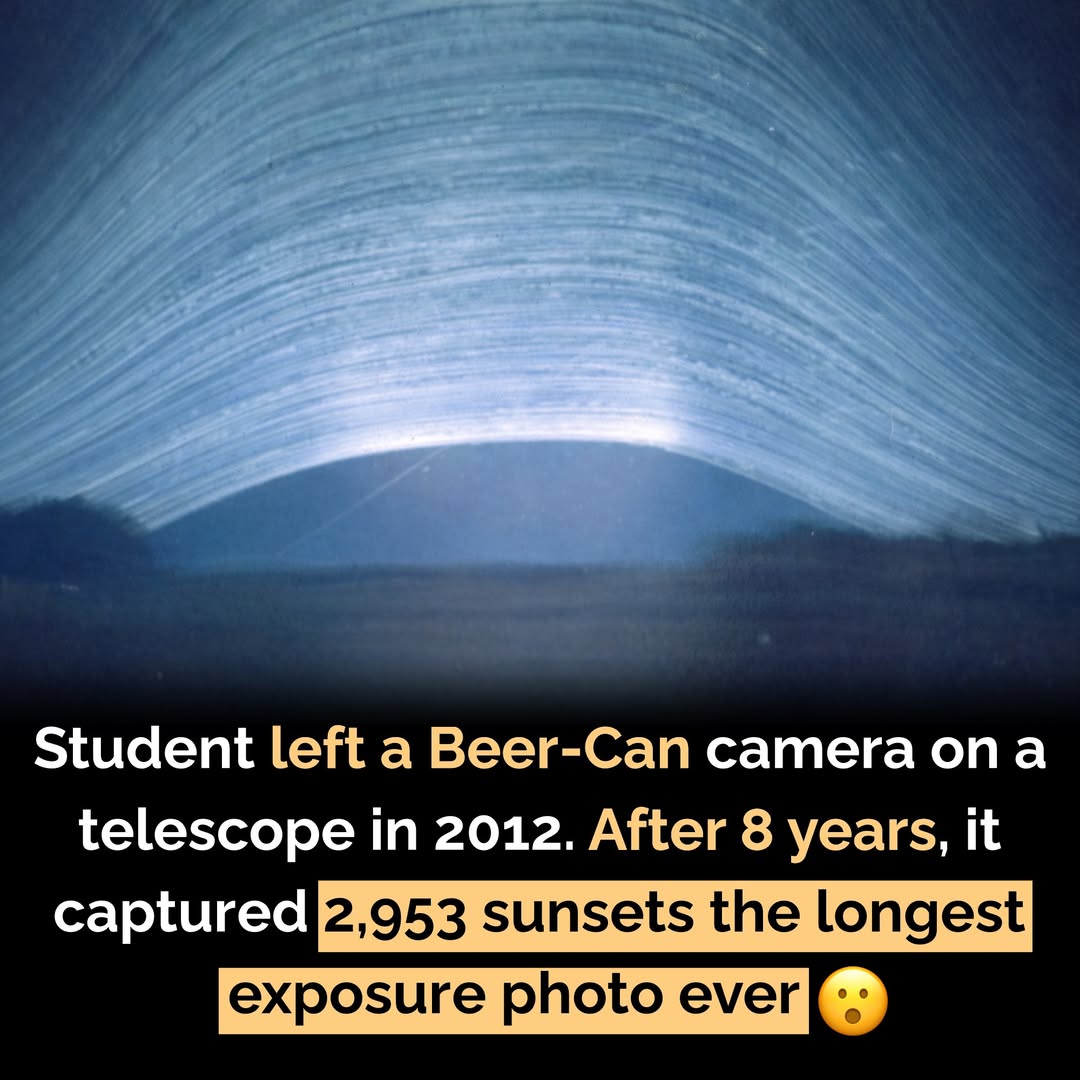
    In 2012, fine art student Regina Valkenborgh was experimenting with pinhole photography at the University of Hertfordshire’s Bayfordbury Observatory in England. She used a simple 500ml cider can, placed photographic paper inside it, poked a tiny hole in the side, and taped it to one of the observatory’s telescopes. Then she forgot about it.

    More than eight years later, in September 2020, the observatory’s technical officer David Campbell was preparing the area for solar panel installation when he noticed the old can. Before throwing it away, he decided to check inside.

    What he found was extraordinary.

    The photographic paper had captured 2,953 arcing trails of the sun rising and setting across the sky over nearly a decade. The image even shows the observatory’s oldest telescope dome and, faintly, a structure that wasn’t built until 2017—right in the middle of the exposure period.

    Valkenborgh had tried similar experiments before, but moisture usually ruined the paper. This one survived by pure chance, quietly recording the sun’s movement while Earth completed eight full orbits.

    The previous record for the longest photographic exposure was four years and eight months, held by German artist Michael Wesely. Valkenborgh’s accidental image nearly doubled it.

    She later said the photo reminds her how small human life is compared to the vast passage of time.

    Just a beer can, a piece of paper, a tiny hole—and eight years of patience she didn’t even know she had.
    Here’s a cleaner rewritten version (same story, smoother for social media): A photo that took eight years to capture. In 2012, fine art student Regina Valkenborgh was experimenting with pinhole photography at the University of Hertfordshire’s Bayfordbury Observatory in England. She used a simple 500ml cider can, placed photographic paper inside it, poked a tiny hole in the side, and taped it to one of the observatory’s telescopes. Then she forgot about it. More than eight years later, in September 2020, the observatory’s technical officer David Campbell was preparing the area for solar panel installation when he noticed the old can. Before throwing it away, he decided to check inside. What he found was extraordinary. The photographic paper had captured 2,953 arcing trails of the sun rising and setting across the sky over nearly a decade. The image even shows the observatory’s oldest telescope dome and, faintly, a structure that wasn’t built until 2017—right in the middle of the exposure period. Valkenborgh had tried similar experiments before, but moisture usually ruined the paper. This one survived by pure chance, quietly recording the sun’s movement while Earth completed eight full orbits. The previous record for the longest photographic exposure was four years and eight months, held by German artist Michael Wesely. Valkenborgh’s accidental image nearly doubled it. She later said the photo reminds her how small human life is compared to the vast passage of time. Just a beer can, a piece of paper, a tiny hole—and eight years of patience she didn’t even know she had.
    Like
    Love
    Wow
    3
    0 Commenti 0 condivisioni 1K Views 0 Anteprima
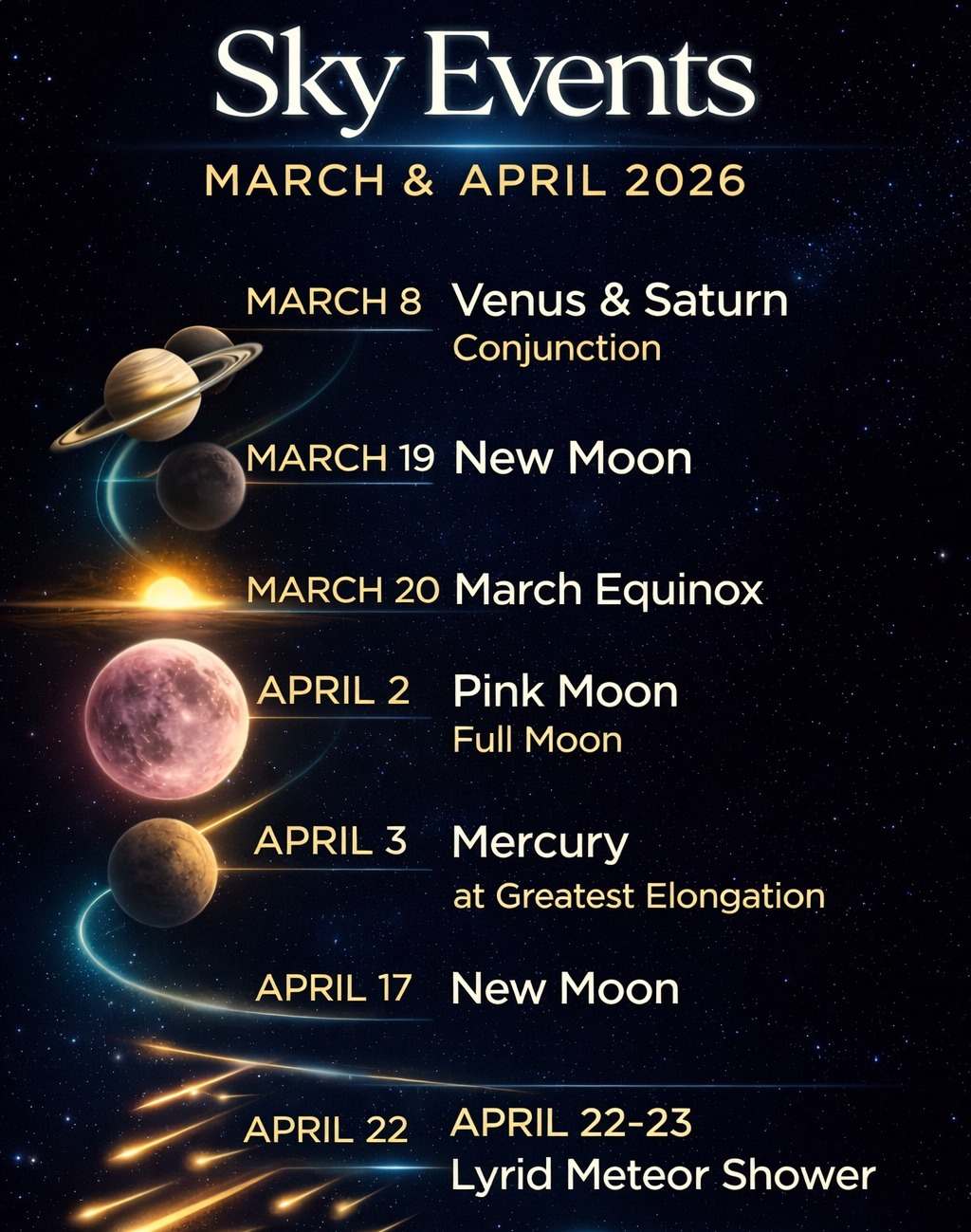
  • The next few weeks bring beautiful celestial events for skywatchers. If you enjoy stepping outside and looking up, this is a perfect time to keep an eye on the night sky.

    March 8 – Venus & Saturn Conjunction
    Two bright planets will appear very close together in the evening sky, creating a stunning planetary pairing.

    March 19 – New Moon
    With the Moon absent from the sky, this will be one of the best nights for stargazing and Milky Way photography.

    March 20 – March Equinox
    Day and night become nearly equal worldwide, marking the start of astronomical spring in the Northern Hemisphere.

    April 2 – Full “Pink” Moon
    Despite the name, the Moon won’t actually look pink. The name comes from early spring wildflowers that bloom around this time.

    ☿ April 3 – Mercury at Greatest Elongation
    One of the best chances to spot Mercury, the most elusive planet, shining low in the morning sky.

    April 17 – New Moon
    Another excellent window for deep-sky observing and astrophotography.

    April 22–23 – Lyrid Meteor Shower (Peak)
    One of the oldest recorded meteor showers, with shooting stars streaking across the sky before dawn.

    Most of these events are visible without special equipment.

    Just find a dark spot, give your eyes a few minutes to adjust, and enjoy the universe above.
    The next few weeks bring beautiful celestial events for skywatchers. If you enjoy stepping outside and looking up, this is a perfect time to keep an eye on the night sky. March 8 – Venus & Saturn Conjunction Two bright planets will appear very close together in the evening sky, creating a stunning planetary pairing. March 19 – New Moon With the Moon absent from the sky, this will be one of the best nights for stargazing and Milky Way photography. March 20 – March Equinox Day and night become nearly equal worldwide, marking the start of astronomical spring in the Northern Hemisphere. April 2 – Full “Pink” Moon Despite the name, the Moon won’t actually look pink. The name comes from early spring wildflowers that bloom around this time. ☿ April 3 – Mercury at Greatest Elongation One of the best chances to spot Mercury, the most elusive planet, shining low in the morning sky. April 17 – New Moon Another excellent window for deep-sky observing and astrophotography. April 22–23 – Lyrid Meteor Shower (Peak) One of the oldest recorded meteor showers, with shooting stars streaking across the sky before dawn. Most of these events are visible without special equipment. Just find a dark spot, give your eyes a few minutes to adjust, and enjoy the universe above.
    Like
    Love
    Wow
    3
    0 Commenti 0 condivisioni 3K Views 0 Anteprima
Pagine in Evidenza