
• Is the legal wall around powerful political figures finally starting to crack?

    A major legal shockwave is rippling through Washington after reports that the U.S. Supreme Court ruled Donald Trump cannot claim full immunity related to matters tied to the Jeffrey Epstein investigation. The ruling means he may be compelled to respond to a subpoena connected to the case. It follows testimony linked to Bill Clinton and signals that courts are no longer willing to allow broad claims of presidential protection to block investigative processes tied to Epstein’s network.

    For years, the Epstein case has been surrounded by unanswered questions involving powerful billionaires, politicians, and global elites. Epstein died in federal custody in 2019, but the shadow of his operation has never disappeared. Names, flight logs, financial connections, and sealed records have kept the public asking the same question: who knew what, and who is still being protected?

    Now the legal pressure appears to be rising again. If courts begin forcing testimony and document production from figures at the very top of politics and business, it could reopen one of the most explosive scandals of the last decade. Supporters of accountability say the justice system cannot stop halfway if the goal is truth. Critics argue the political implications will shake Washington to its core.

    Either way, the Epstein story refuses to disappear. The question that has haunted it from the beginning remains the same: will the system actually expose the full network, or will the most powerful names once again slip through the cracks?

    Marcus - THL

    #Epstein #Trump #SupremeCourt #Politics #Justice #BreakingNews #Accountability #WorldNews
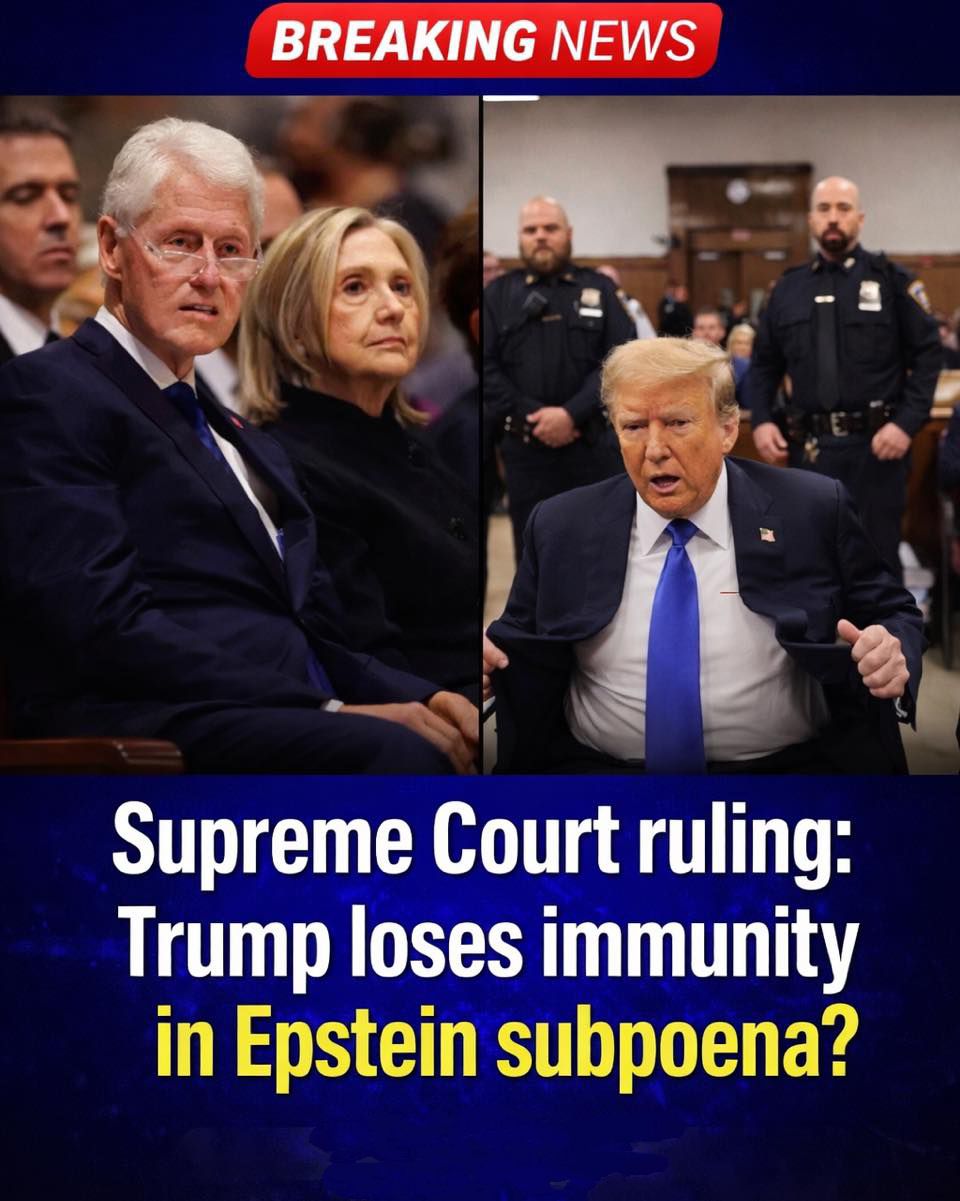
    Is the legal wall around powerful political figures finally starting to crack? A major legal shockwave is rippling through Washington after reports that the U.S. Supreme Court ruled Donald Trump cannot claim full immunity related to matters tied to the Jeffrey Epstein investigation. The ruling means he may be compelled to respond to a subpoena connected to the case. It follows testimony linked to Bill Clinton and signals that courts are no longer willing to allow broad claims of presidential protection to block investigative processes tied to Epstein’s network. For years, the Epstein case has been surrounded by unanswered questions involving powerful billionaires, politicians, and global elites. Epstein died in federal custody in 2019, but the shadow of his operation has never disappeared. Names, flight logs, financial connections, and sealed records have kept the public asking the same question: who knew what, and who is still being protected? Now the legal pressure appears to be rising again. If courts begin forcing testimony and document production from figures at the very top of politics and business, it could reopen one of the most explosive scandals of the last decade. Supporters of accountability say the justice system cannot stop halfway if the goal is truth. Critics argue the political implications will shake Washington to its core. Either way, the Epstein story refuses to disappear. The question that has haunted it from the beginning remains the same: will the system actually expose the full network, or will the most powerful names once again slip through the cracks? Marcus - THL #Epstein #Trump #SupremeCourt #Politics #Justice #BreakingNews #Accountability #WorldNews
    Like
    Love
    Wow
    3
    0 Commentaires 0 Parts 2KB Vue 0 Aperçu
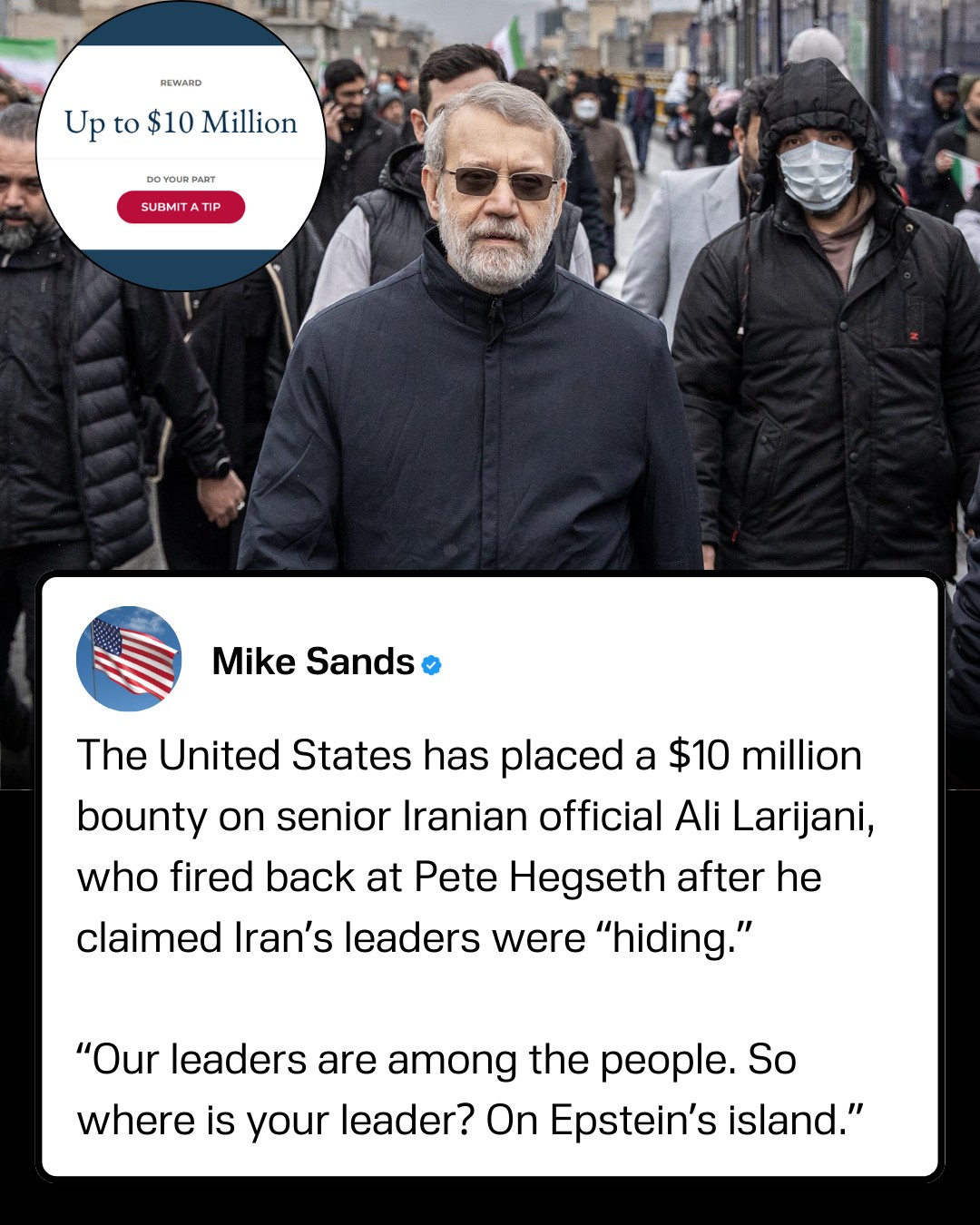
  • The U.S. State Department announced a reward of up to $10 million for information on Iran’s security chief Ali Larijani and other senior figures tied to the country’s military network.

    It came after Larijani hit back at Defense Secretary Pete Hegseth, who had claimed Iran’s leadership was “hiding.” Larijani responded: “Our leaders are among the people. So where is your leader? On Epstein’s island.”

    Much of Iran’s leadership appeared publicly at rallies in Tehran on Friday, though Supreme Leader Mojtaba Khamenei has not been seen. Hegseth claimed he was “probably disfigured” after reportedly being struck in U.S. strikes.
    The U.S. State Department announced a reward of up to $10 million for information on Iran’s security chief Ali Larijani and other senior figures tied to the country’s military network. It came after Larijani hit back at Defense Secretary Pete Hegseth, who had claimed Iran’s leadership was “hiding.” Larijani responded: “Our leaders are among the people. So where is your leader? On Epstein’s island.” Much of Iran’s leadership appeared publicly at rallies in Tehran on Friday, though Supreme Leader Mojtaba Khamenei has not been seen. Hegseth claimed he was “probably disfigured” after reportedly being struck in U.S. strikes.
    Like
    Love
    Wow
    3
    0 Commentaires 0 Parts 997 Vue 0 Aperçu
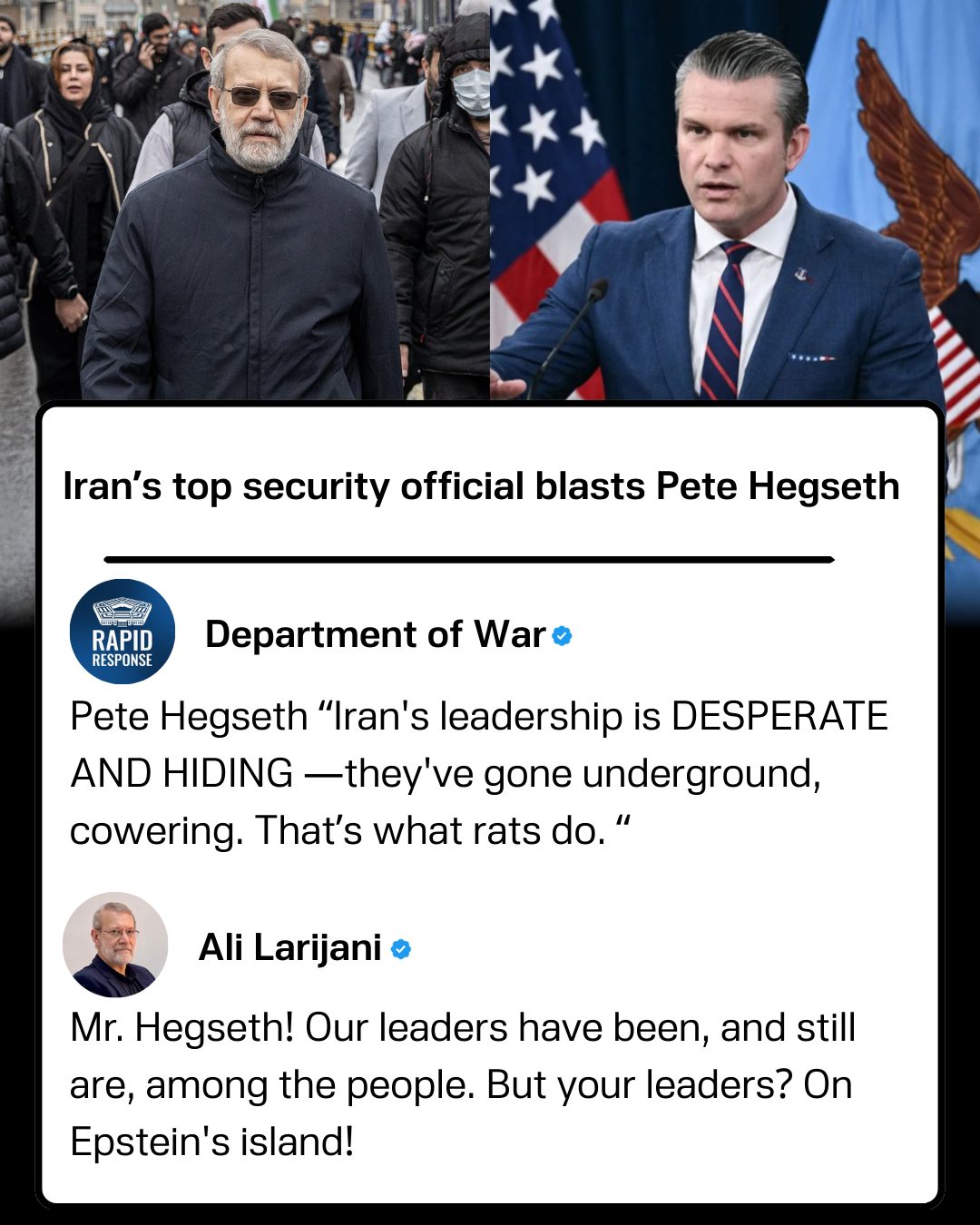
  • The Secretary of Iran’s Supreme National Security Council, Ali Larijani, hit out at Pete Hegseth after the U.S. defense secretary claimed Iran’s leadership was “hiding.”

    “Our leaders are among the people. So where is your leader? On Epstein’s island.”

    Much of Iran’s leadership appeared publicly on Friday, attending rallies and events in Tehran.

    However, Iran’s Supreme Leader Mojtaba Khamenei has not been seen publicly. Hegseth claimed he was “probably disfigured” after reportedly being struck in U.S. strikes.
    The Secretary of Iran’s Supreme National Security Council, Ali Larijani, hit out at Pete Hegseth after the U.S. defense secretary claimed Iran’s leadership was “hiding.” “Our leaders are among the people. So where is your leader? On Epstein’s island.” Much of Iran’s leadership appeared publicly on Friday, attending rallies and events in Tehran. However, Iran’s Supreme Leader Mojtaba Khamenei has not been seen publicly. Hegseth claimed he was “probably disfigured” after reportedly being struck in U.S. strikes.
    Like
    Love
    Wow
    3
    0 Commentaires 0 Parts 962 Vue 0 Aperçu
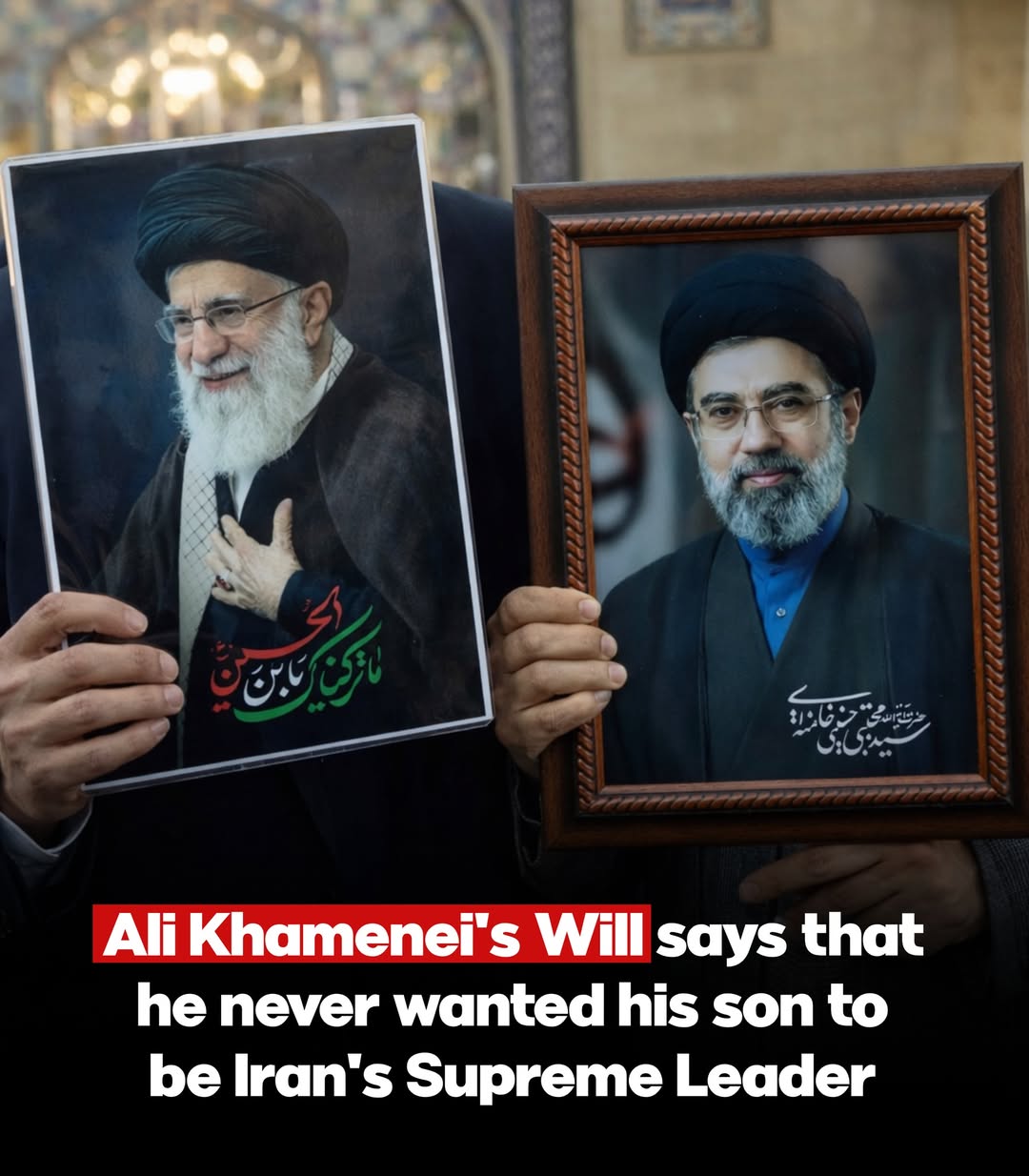
  • According to a report by the New York Post, Ali Khamenei allegedly stated in his will that he did not want his son Mojtaba Khamenei to succeed him as Iran’s Supreme Leader.

    The report claims Khamenei had doubts about Mojtaba’s leadership ability and experience.

    Khosro Isfahani, from the U.S.-based opposition group National Union for Democracy in Iran, said the late leader had explicitly asked in his will that Mojtaba not be named as successor.

    Isfahani also claimed that Iran’s Islamic Revolutionary Guard Corps pressured the Assembly of Experts and pushed Mojtaba into the leadership role.

    These claims remain unverified, and Iranian authorities have not publicly confirmed the details of the reported will.

    The situation continues to draw attention as leadership questions in Iran remain a major geopolitical focus.
    According to a report by the New York Post, Ali Khamenei allegedly stated in his will that he did not want his son Mojtaba Khamenei to succeed him as Iran’s Supreme Leader. The report claims Khamenei had doubts about Mojtaba’s leadership ability and experience. Khosro Isfahani, from the U.S.-based opposition group National Union for Democracy in Iran, said the late leader had explicitly asked in his will that Mojtaba not be named as successor. Isfahani also claimed that Iran’s Islamic Revolutionary Guard Corps pressured the Assembly of Experts and pushed Mojtaba into the leadership role. These claims remain unverified, and Iranian authorities have not publicly confirmed the details of the reported will. The situation continues to draw attention as leadership questions in Iran remain a major geopolitical focus.
    Like
    Love
    Wow
    3
    0 Commentaires 0 Parts 542 Vue 0 Aperçu
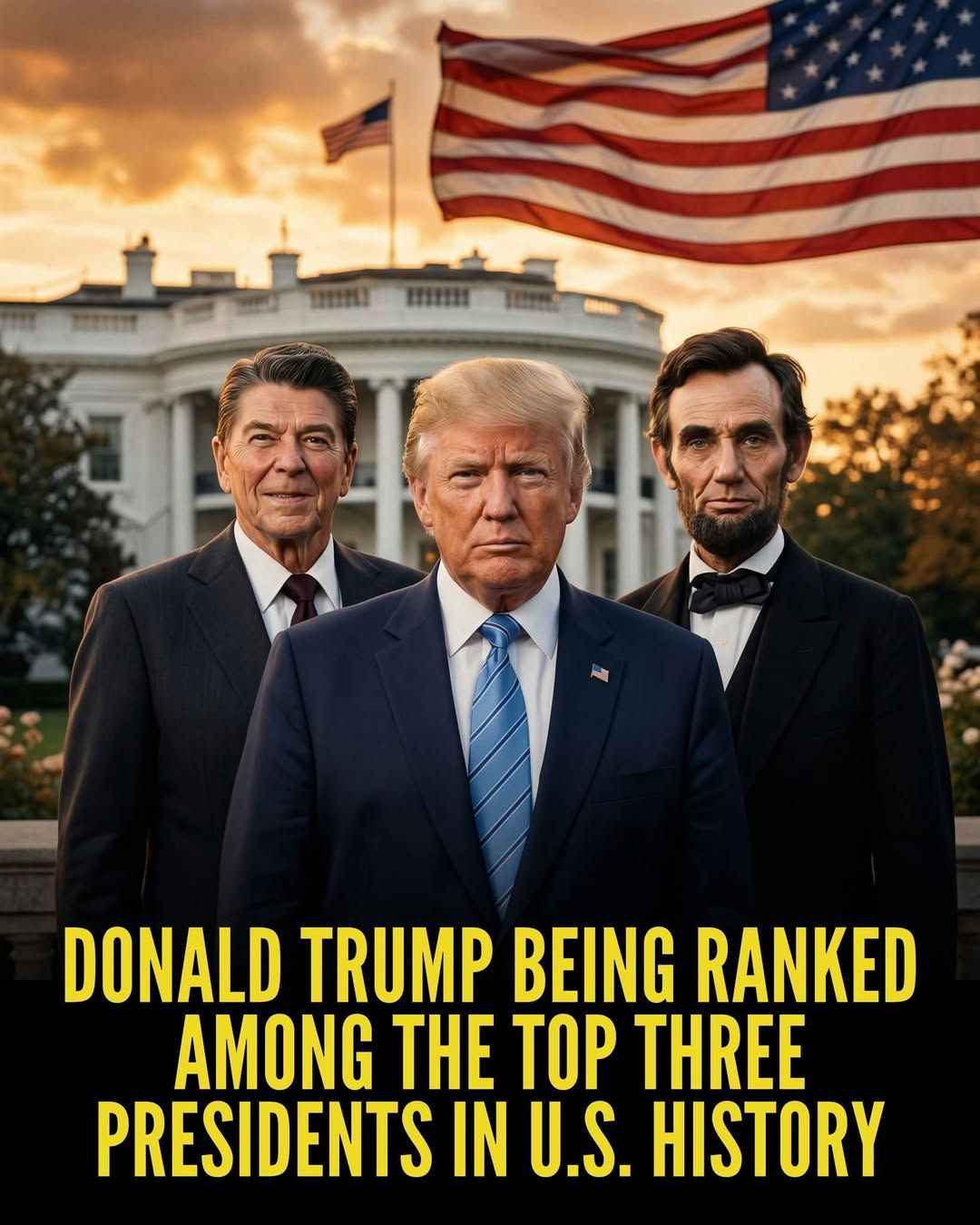
  • In recent months, some commentators and politically engaged Americans have begun placing Donald Trump among the top three presidents in U.S. history — a ranking that has gained traction within certain political circles.
    Supporters who hold this view point to several major policy actions during Trump’s presidency. These include sweeping tax legislation, a broad push for deregulation, and numerous conservative judicial appointments, including multiple justices to the Supreme Court of the United States. They argue these decisions reshaped parts of the federal judiciary and policy landscape in ways that could influence the country for decades.
    Backers also credit his administration’s economic policies with strengthening certain industries and shifting priorities within the executive branch.
    However, presidential rankings have always been shaped by political perspective as well as historical analysis. While supporters see transformative leadership and long-term structural change, critics emphasize controversies, institutional tensions, and periods of intense political division during his tenure.
    As debates continue in media and academic circles, discussions about Trump’s place in history highlight a broader reality: presidential legacies often evolve over time as historians reassess events and public opinion shifts.
    #USPolitics #PresidentialHistory #DonaldTrump #PoliticalDebate #History
    In recent months, some commentators and politically engaged Americans have begun placing Donald Trump among the top three presidents in U.S. history — a ranking that has gained traction within certain political circles. Supporters who hold this view point to several major policy actions during Trump’s presidency. These include sweeping tax legislation, a broad push for deregulation, and numerous conservative judicial appointments, including multiple justices to the Supreme Court of the United States. They argue these decisions reshaped parts of the federal judiciary and policy landscape in ways that could influence the country for decades. Backers also credit his administration’s economic policies with strengthening certain industries and shifting priorities within the executive branch. However, presidential rankings have always been shaped by political perspective as well as historical analysis. While supporters see transformative leadership and long-term structural change, critics emphasize controversies, institutional tensions, and periods of intense political division during his tenure. As debates continue in media and academic circles, discussions about Trump’s place in history highlight a broader reality: presidential legacies often evolve over time as historians reassess events and public opinion shifts. #USPolitics #PresidentialHistory #DonaldTrump #PoliticalDebate #History
    Like
    Love
    Wow
    3
    0 Commentaires 0 Parts 2KB Vue 0 Aperçu
Plus de résultats