
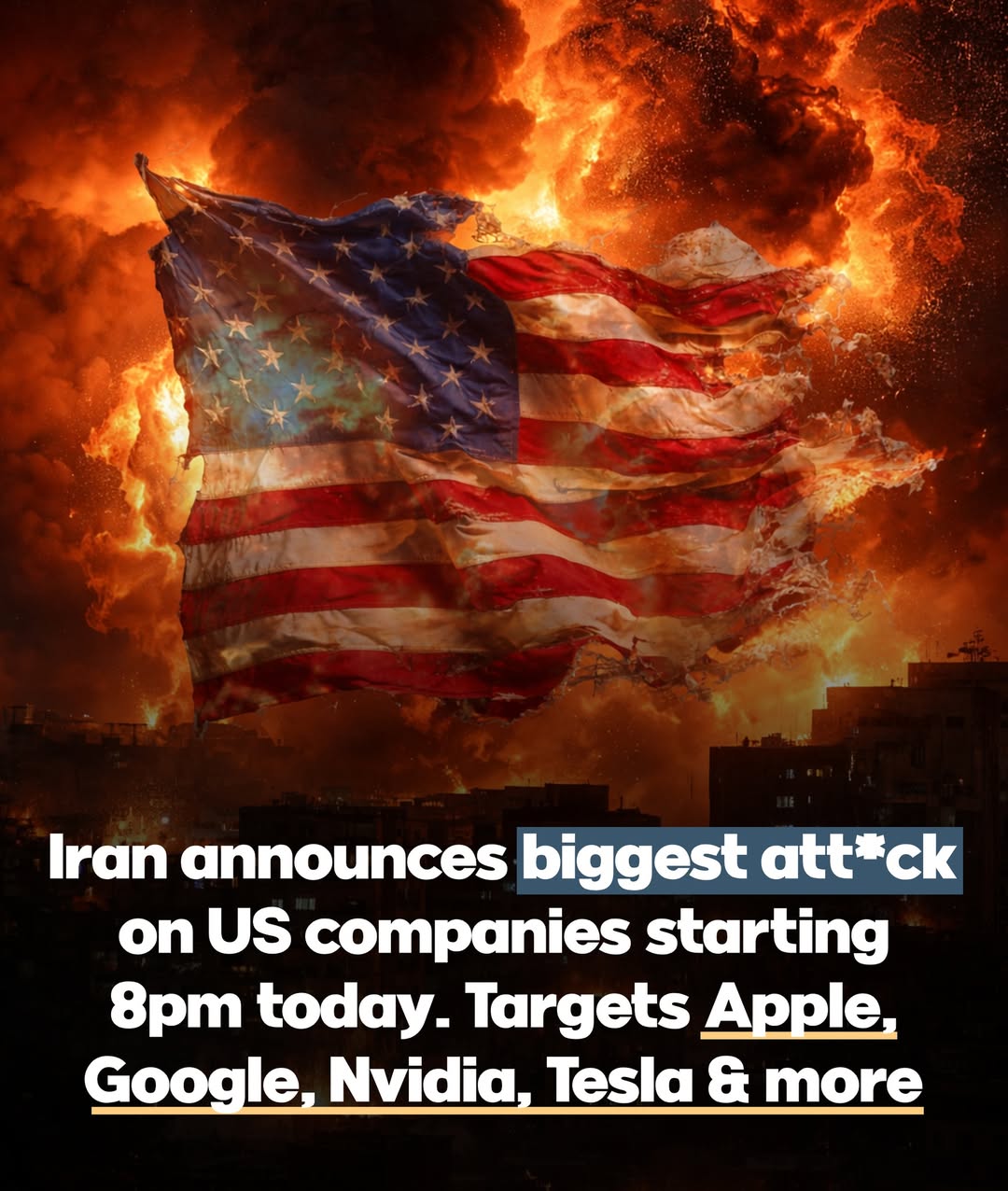
• The Islamic Revolutionary Guard Corps in Iran has issued a serious warning involving multiple U.S. tech companies operating in the region.

    Employees have been advised to leave affected areas, and nearby residents were urged to move to safer locations.

    The statement comes amid rising tensions following remarks by Pete Hegseth, who called on Iran to accept a deal or face stronger measures.

    Iran has denied any official negotiations, stating it only received unacceptable demands through intermediaries.

    Companies reportedly mentioned include:
    Apple, Cisco, Dell, HP, Intel, IBM, General Electric, Google, JPMorgan Chase, Meta, Microsoft, Nvidia, Oracle, Tesla, and Palantir Technologies.

    The situation is evolving quickly, with growing concerns around safety and regional stability.

    Authorities and companies are closely monitoring developments as tensions continue.
    The Islamic Revolutionary Guard Corps in Iran has issued a serious warning involving multiple U.S. tech companies operating in the region. Employees have been advised to leave affected areas, and nearby residents were urged to move to safer locations. The statement comes amid rising tensions following remarks by Pete Hegseth, who called on Iran to accept a deal or face stronger measures. Iran has denied any official negotiations, stating it only received unacceptable demands through intermediaries. Companies reportedly mentioned include: Apple, Cisco, Dell, HP, Intel, IBM, General Electric, Google, JPMorgan Chase, Meta, Microsoft, Nvidia, Oracle, Tesla, and Palantir Technologies. The situation is evolving quickly, with growing concerns around safety and regional stability. Authorities and companies are closely monitoring developments as tensions continue.
    Like
    Love
    Wow
    3
    0 Comentários 0 Compartilhamentos 221 Visualizações 0 Anterior
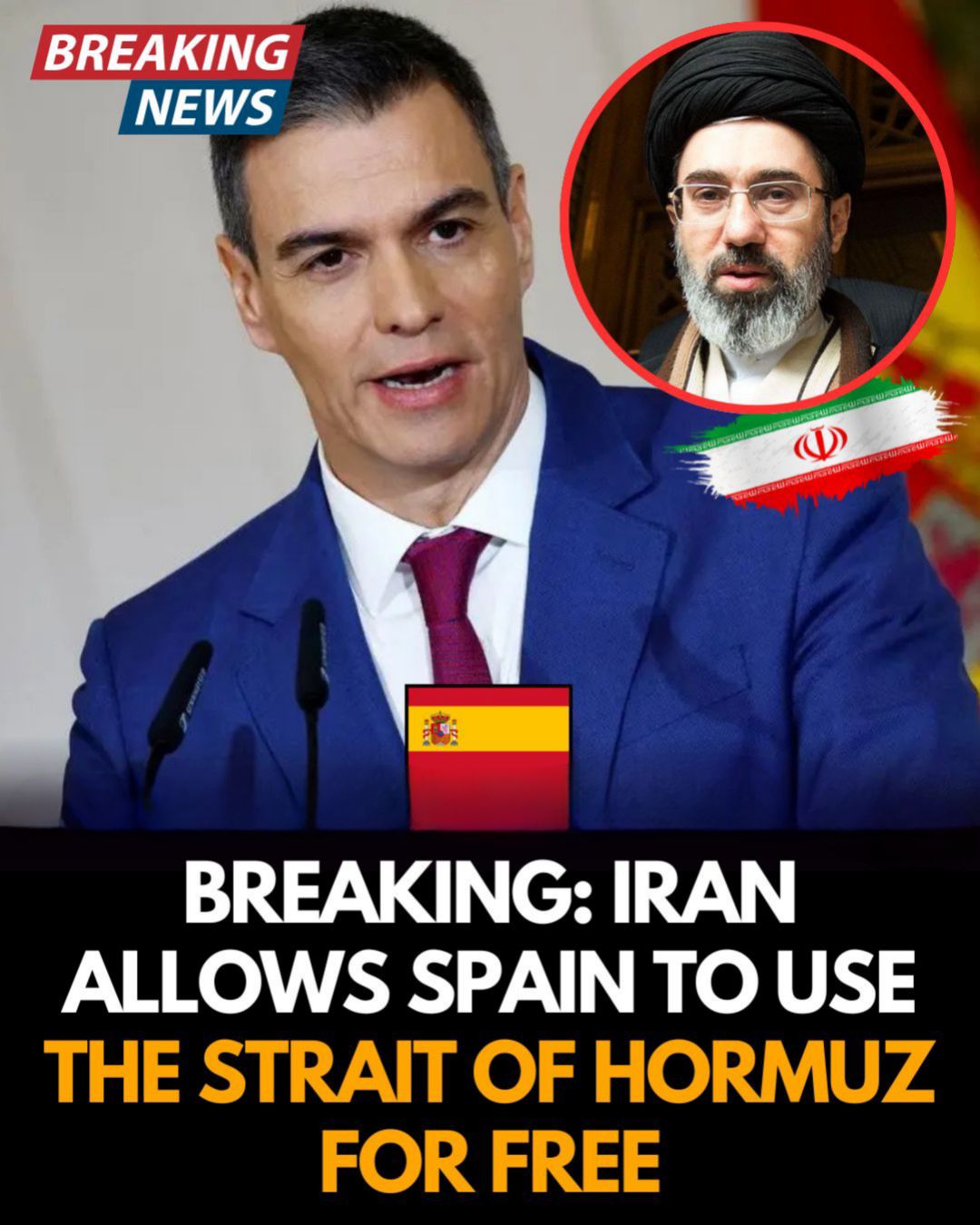
  • Iran has officially granted Spanish-flagged vessels unrestricted and free passage through the Strait of Hormuz, a move seen as a diplomatic "thank you" to Madrid. This decision comes as Tehran continues to enforce a strict "toll road" system, reportedly charging other nations up to $2 million per transit in cryptocurrency or yuan.

    The exemption is largely attributed to Spanish Prime Minister Pedro Sánchez’s vocal criticism of recent U.S. and Israeli military actions in the region. By allowing Spain "complete freedom without restrictions," Iran is effectively rewarding Spain's "no to war" stance and its refusal to let U.S. forces use joint military bases for operations.

    Logistics experts note that the Strait of Hormuz is a vital chokepoint, accounting for roughly 20% of the world's oil supply and a significant portion of global liquefied natural gas. While many European and Western ships remain blocked or face heavy fees, Spanish tankers can now bypass these costs, providing a massive economic advantage to Spanish energy imports.

    This strategic maneuver by Tehran appears designed to deepen the diplomatic wedge between the United States and its European allies. While countries like the UK and Germany have maintained more supportive positions toward U.S. strategy, Spain’s independent path has now secured it a unique maritime corridor.

    Despite the "free" access, the region remains a high-risk zone with heightened military presence and volatile insurance premiums for any vessel entering the Persian Gulf. International maritime organizations are closely watching to see if this "friendly nation" status will be extended to other European countries that distance themselves from the conflict.

    #Spain #Iran #StraitOfHormuz #EnergyCrisis #GlobalTrade
    Iran has officially granted Spanish-flagged vessels unrestricted and free passage through the Strait of Hormuz, a move seen as a diplomatic "thank you" to Madrid. This decision comes as Tehran continues to enforce a strict "toll road" system, reportedly charging other nations up to $2 million per transit in cryptocurrency or yuan. The exemption is largely attributed to Spanish Prime Minister Pedro Sánchez’s vocal criticism of recent U.S. and Israeli military actions in the region. By allowing Spain "complete freedom without restrictions," Iran is effectively rewarding Spain's "no to war" stance and its refusal to let U.S. forces use joint military bases for operations. Logistics experts note that the Strait of Hormuz is a vital chokepoint, accounting for roughly 20% of the world's oil supply and a significant portion of global liquefied natural gas. While many European and Western ships remain blocked or face heavy fees, Spanish tankers can now bypass these costs, providing a massive economic advantage to Spanish energy imports. This strategic maneuver by Tehran appears designed to deepen the diplomatic wedge between the United States and its European allies. While countries like the UK and Germany have maintained more supportive positions toward U.S. strategy, Spain’s independent path has now secured it a unique maritime corridor. Despite the "free" access, the region remains a high-risk zone with heightened military presence and volatile insurance premiums for any vessel entering the Persian Gulf. International maritime organizations are closely watching to see if this "friendly nation" status will be extended to other European countries that distance themselves from the conflict. #Spain #Iran #StraitOfHormuz #EnergyCrisis #GlobalTrade
    Like
    Love
    Wow
    3
    0 Comentários 0 Compartilhamentos 198 Visualizações 0 Anterior
  • Author and political commentator Don Winslow — best known for his bestselling crime novels but also an outspoken critic of former President Donald Trump on social media — sparked a fresh wave of debate this week with a sharply worded post targeting the administration’s handling of the war in Iran. In a message on X, Winslow wrote that since ICE has been treated like Trump’s “own private army,” the president should “send them to fight in Iran instead of some 18‑year‑old kid who will be maimed, disfigured and possibly killed because of your stupidity and insanity.”

    Winslow’s commentary comes amid growing public frustration over the conflict with Iran, ongoing military deployments, and arguments over who should bear the burden of war — criticisms he’s been vocal about previously, using his platform to question both policy and political rhetoric.

    The remark taps into broader debates over military recruitment, immigration enforcement policies, and the human cost of war, combining two highly charged topics — the role of ICE domestically and the prospect of U.S. involvement in prolonged combat overseas. While ICE is actually a domestic law‑enforcement agency focused on immigration and border security (not a combat force), Winslow’s post uses that comparison to underscore his criticism of the administration’s approach to military service and war decision‑making.
    Author and political commentator Don Winslow — best known for his bestselling crime novels but also an outspoken critic of former President Donald Trump on social media — sparked a fresh wave of debate this week with a sharply worded post targeting the administration’s handling of the war in Iran. In a message on X, Winslow wrote that since ICE has been treated like Trump’s “own private army,” the president should “send them to fight in Iran instead of some 18‑year‑old kid who will be maimed, disfigured and possibly killed because of your stupidity and insanity.” Winslow’s commentary comes amid growing public frustration over the conflict with Iran, ongoing military deployments, and arguments over who should bear the burden of war — criticisms he’s been vocal about previously, using his platform to question both policy and political rhetoric. The remark taps into broader debates over military recruitment, immigration enforcement policies, and the human cost of war, combining two highly charged topics — the role of ICE domestically and the prospect of U.S. involvement in prolonged combat overseas. While ICE is actually a domestic law‑enforcement agency focused on immigration and border security (not a combat force), Winslow’s post uses that comparison to underscore his criticism of the administration’s approach to military service and war decision‑making.
    Like
    Love
    Wow
    3
    0 Comentários 0 Compartilhamentos 414 Visualizações 0 Anterior
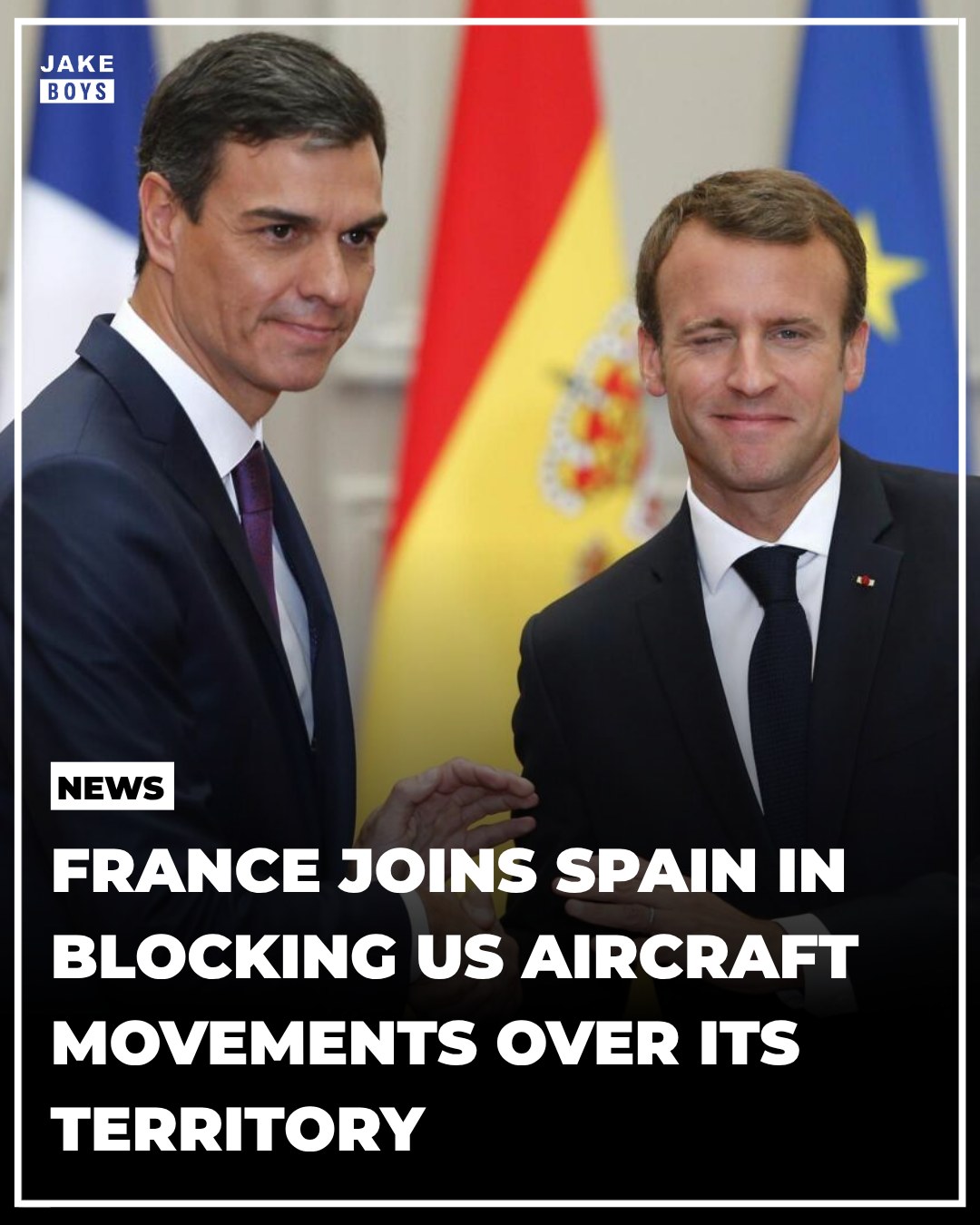
  • Multiple key U.S. allies in Europe are now taking unprecedented steps to restrict American military flights amid the ongoing conflict with Iran, widening diplomatic tensions with Washington. After Spain closed its airspace to U.S. military aircraft involved in operations against Iran — forcing bombers and refueling planes to reroute around Spanish territory — France has joined in by refusing to allow planes carrying U.S. weapons destined for the war to pass over its airspace.

    Spain’s defense minister said the move reflects Madrid’s position that the conflict is “unilateral” and “against international law,” and it follows earlier refusals to let U.S. forces use jointly operated bases for war‑related flights. France’s action — reported by multiple diplomatic sources — marks the first time Paris has denied overflight for U.S. weapons shipments since the Iran conflict began, and has drawn sharp criticism from President Trump.

    These developments signal a deepening rift within NATO, as European leaders balance alliance obligations with opposition to what they view as an escalating military campaign that risks broader regional and global instability.
    Multiple key U.S. allies in Europe are now taking unprecedented steps to restrict American military flights amid the ongoing conflict with Iran, widening diplomatic tensions with Washington. After Spain closed its airspace to U.S. military aircraft involved in operations against Iran — forcing bombers and refueling planes to reroute around Spanish territory — France has joined in by refusing to allow planes carrying U.S. weapons destined for the war to pass over its airspace. Spain’s defense minister said the move reflects Madrid’s position that the conflict is “unilateral” and “against international law,” and it follows earlier refusals to let U.S. forces use jointly operated bases for war‑related flights. France’s action — reported by multiple diplomatic sources — marks the first time Paris has denied overflight for U.S. weapons shipments since the Iran conflict began, and has drawn sharp criticism from President Trump. These developments signal a deepening rift within NATO, as European leaders balance alliance obligations with opposition to what they view as an escalating military campaign that risks broader regional and global instability.
    Like
    Love
    Wow
    3
    0 Comentários 0 Compartilhamentos 438 Visualizações 0 Anterior
  • Finally March is over we will miss it a lot This month we became witnesses to historical events
    Finally March is over we will miss it a lot This month we became witnesses to historical events
    Like
    Love
    Wow
    3
    0 Comentários 0 Compartilhamentos 149KB Visualizações 0 Anterior
Páginas impulsionada