
You must be 18+ to view this content

Search
Discover new people, create new connections and make new friends
-
-
Judge rules Trump order to cut PBS and NPR funding violates free speech protections
A federal judge has ruled that Donald Trump’s executive order aimed at ending funding for public broadcasters NPR and PBS violates the First Amendment. The decision centers on concerns that the move targeted specific viewpoints, raising serious constitutional issues.
In the ruling, the judge emphasized that free speech protections do not allow the government to act against organizations based on differing opinions. The court described the action as a form of viewpoint discrimination, stating it appeared directed at silencing perspectives the administration disagreed with.
The decision reinforces long-standing legal principles around press freedom and government limits. It also highlights the ongoing debate over public media funding and political influence, as questions continue about how far executive power can reach when it comes to shaping or restricting media institutions.
#fblifestyle #photography #community #trump #media #firstamendment
References:
BBC News: Court rulings on media freedom and First Amendment
Reuters: Legal challenges over public broadcasting funding
CNN: Debate over NPR and PBS funding in US politics
Fox News: Coverage of court decisions involving executive ordersJudge rules Trump order to cut PBS and NPR funding violates free speech protections A federal judge has ruled that Donald Trump’s executive order aimed at ending funding for public broadcasters NPR and PBS violates the First Amendment. The decision centers on concerns that the move targeted specific viewpoints, raising serious constitutional issues. In the ruling, the judge emphasized that free speech protections do not allow the government to act against organizations based on differing opinions. The court described the action as a form of viewpoint discrimination, stating it appeared directed at silencing perspectives the administration disagreed with. The decision reinforces long-standing legal principles around press freedom and government limits. It also highlights the ongoing debate over public media funding and political influence, as questions continue about how far executive power can reach when it comes to shaping or restricting media institutions. #fblifestyle #photography #community #trump #media #firstamendment References: BBC News: Court rulings on media freedom and First Amendment Reuters: Legal challenges over public broadcasting funding CNN: Debate over NPR and PBS funding in US politics Fox News: Coverage of court decisions involving executive orders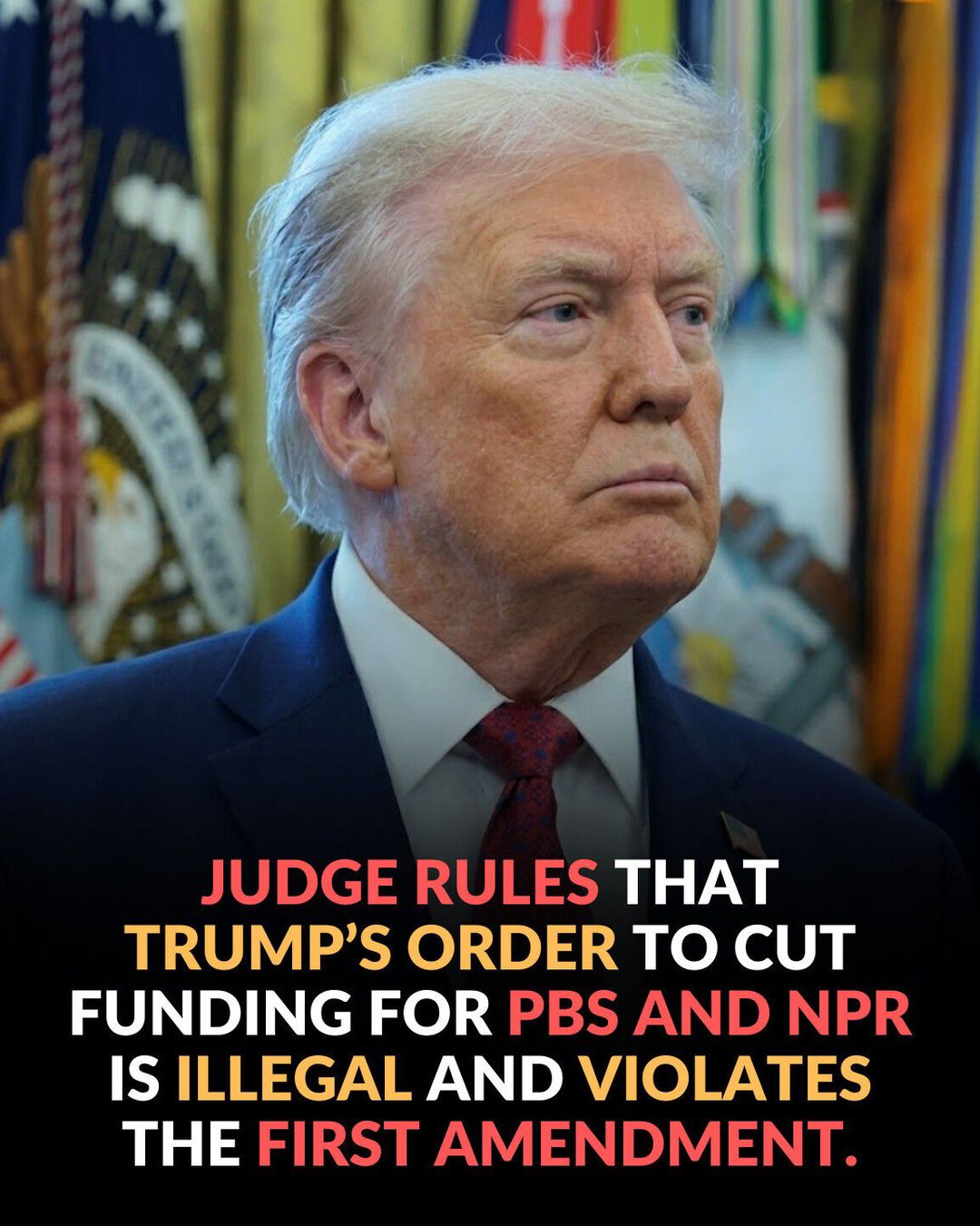 0 Comments 0 Shares 164 Views 0 Reviews

 10
10
-
Sometimes life rewrites a love story in the most unexpected way .
After a traumatic brain injury, Laura Hart Faganello lost much of her memory—including the years she had spent falling in love with and marrying her husband. When she woke up, Brayden Faganello was no longer familiar to her, and the life they once shared felt like a stranger’s story .
But instead of walking away, they made a rare and powerful choice—to begin again.
They reintroduced themselves, went on dates like they had never met before, and slowly rebuilt their connection from scratch . Step by step, moment by moment, something beautiful started to grow again.
Against all odds, they fell in love a second time .
Their journey is a reminder that love isn’t just built on memories or the past. It’s about choosing someone, again and again, even when everything feels uncertain. It’s about patience, effort, and believing in what can be rebuilt .
Not every love story gets a second chance—but theirs did, and they made it count.
So here’s a question that lingers:
If life erased your love story… would you be willing to start over?Sometimes life rewrites a love story in the most unexpected way . After a traumatic brain injury, Laura Hart Faganello lost much of her memory—including the years she had spent falling in love with and marrying her husband. When she woke up, Brayden Faganello was no longer familiar to her, and the life they once shared felt like a stranger’s story . But instead of walking away, they made a rare and powerful choice—to begin again. They reintroduced themselves, went on dates like they had never met before, and slowly rebuilt their connection from scratch . Step by step, moment by moment, something beautiful started to grow again. Against all odds, they fell in love a second time . Their journey is a reminder that love isn’t just built on memories or the past. It’s about choosing someone, again and again, even when everything feels uncertain. It’s about patience, effort, and believing in what can be rebuilt . Not every love story gets a second chance—but theirs did, and they made it count. So here’s a question that lingers: If life erased your love story… would you be willing to start over? 0 Comments 0 Shares 137 Views 0 Reviews
11
0 Comments 0 Shares 137 Views 0 Reviews
11
-
President Trump has unleashed a fiery attack on Pope Leo XIV, labeling the pontiff "weak on crime" and "terrible for foreign policy" after recent criticisms of the Iran war. Trump stated he prefers the Pope's brother, Louis Prevost, calling him "all MAGA" and accusing the Catholic leader of being far too liberal for the Church.
#TrumpVsPope #PopeLeoXIV #IranWar #MAGA #BreakingNewsPresident Trump has unleashed a fiery attack on Pope Leo XIV, labeling the pontiff "weak on crime" and "terrible for foreign policy" after recent criticisms of the Iran war. Trump stated he prefers the Pope's brother, Louis Prevost, calling him "all MAGA" and accusing the Catholic leader of being far too liberal for the Church. #TrumpVsPope #PopeLeoXIV #IranWar #MAGA #BreakingNews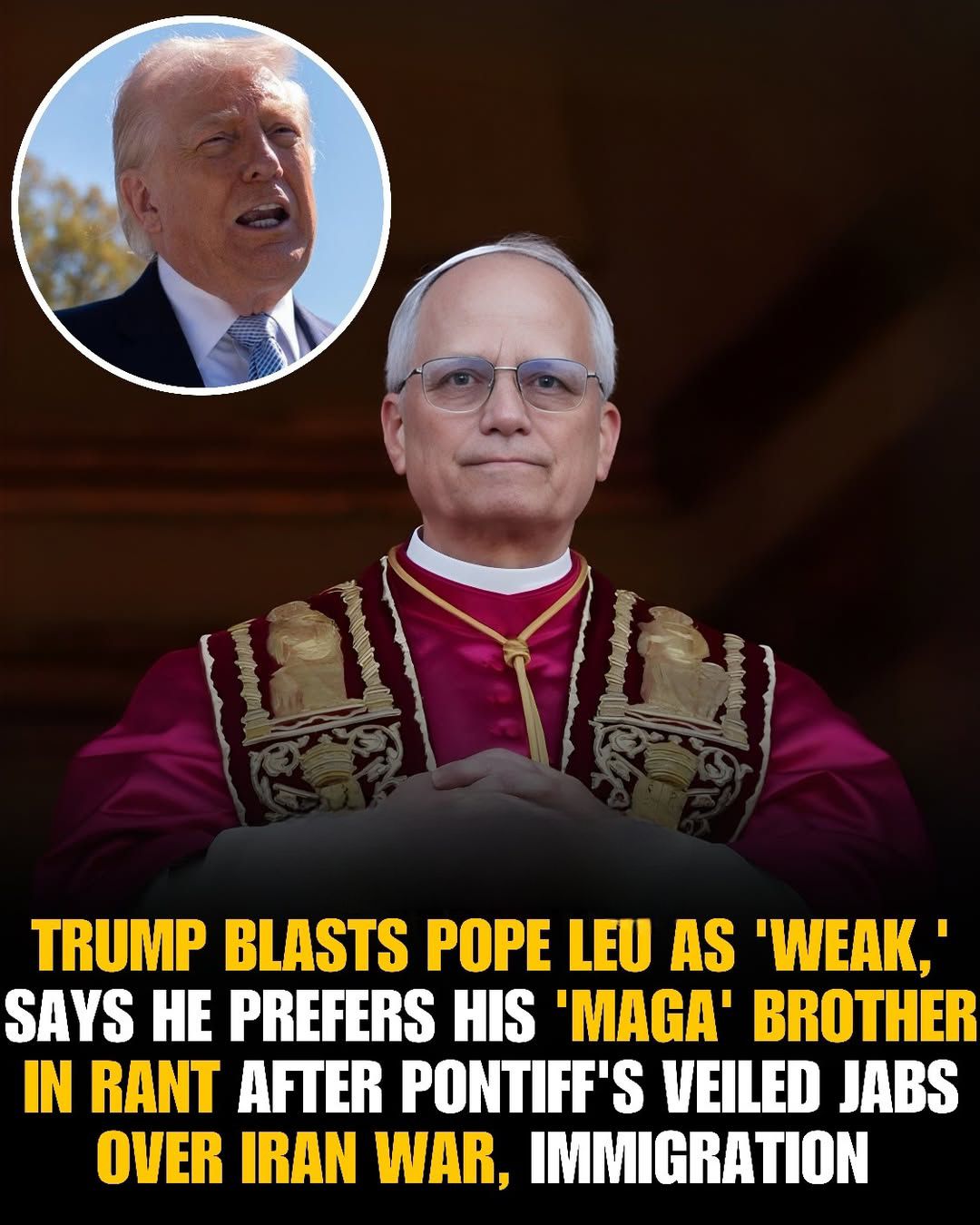 0 Comments 0 Shares 60 Views 0 Reviews
9
0 Comments 0 Shares 60 Views 0 Reviews
9
-
Kansai International Airport stands as one of the world’s most ambitious engineering projects. Built on an artificial island in Osaka Bay at a cost of around $20 billion, the airport has faced a unique challenge since opening in 1994—it has sunk more than 12 meters over time.
Constructed on soft seabed clay, some settling was expected. However, the rate of sinking turned out to be greater than engineers initially predicted. The immense weight of the island and its infrastructure has gradually compressed the ground beneath it.
Despite this, the airport continues to operate smoothly . Engineers have implemented major solutions, including raising seawalls, reinforcing foundations, and constantly monitoring structural stability to prevent flooding and damage.
What makes this story remarkable isn’t just the sinking—it’s the resilience of human engineering . It shows how innovation and persistence can keep even the most challenging projects functioning against the forces of nature .Kansai International Airport stands as one of the world’s most ambitious engineering projects. Built on an artificial island in Osaka Bay at a cost of around $20 billion, the airport has faced a unique challenge since opening in 1994—it has sunk more than 12 meters over time. Constructed on soft seabed clay, some settling was expected. However, the rate of sinking turned out to be greater than engineers initially predicted. The immense weight of the island and its infrastructure has gradually compressed the ground beneath it. Despite this, the airport continues to operate smoothly . Engineers have implemented major solutions, including raising seawalls, reinforcing foundations, and constantly monitoring structural stability to prevent flooding and damage. What makes this story remarkable isn’t just the sinking—it’s the resilience of human engineering . It shows how innovation and persistence can keep even the most challenging projects functioning against the forces of nature .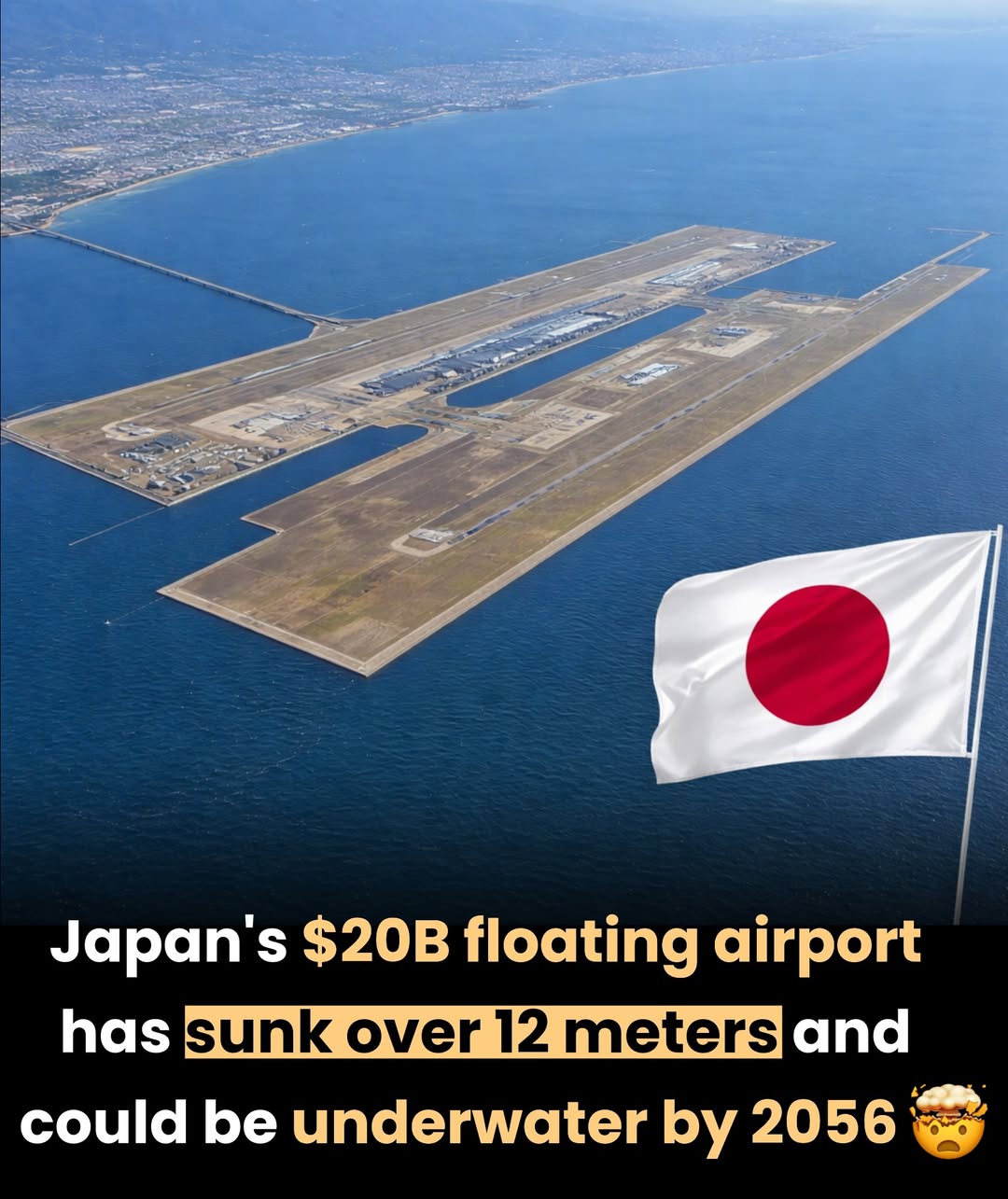 0 Comments 0 Shares 69 Views 0 Reviews
10
0 Comments 0 Shares 69 Views 0 Reviews
10
-
BREAKING: A public disagreement between prominent media and political figures is drawing attention online.
Former Fox News host Tucker Carlson has publicly criticized Donald Trump, stating that he believes the president is being heavily influenced by Israeli Prime Minister Benjamin Netanyahu.
During an appearance on Newsmax, Carlson said he “feels sorry” for Trump and claimed the president appears constrained by outside pressures, suggesting he is unable to act fully on his own decisions.
The remarks come amid a growing feud between the two former allies, reportedly fueled by disagreements over U.S. policy toward Iran and ongoing tensions in the Middle East. Earlier, Trump responded in a Truth Social post, criticizing Carlson and other commentators with harsh language.
This exchange highlights what many observers see as a widening divide within conservative media and political circles, particularly regarding foreign policy and U.S. support for Israel.
#breakingnews #usa #politics #trump #tuckercarlson #israel #foreignpolicy #middleeast #politicalnews #trendingnowBREAKING: A public disagreement between prominent media and political figures is drawing attention online. Former Fox News host Tucker Carlson has publicly criticized Donald Trump, stating that he believes the president is being heavily influenced by Israeli Prime Minister Benjamin Netanyahu. During an appearance on Newsmax, Carlson said he “feels sorry” for Trump and claimed the president appears constrained by outside pressures, suggesting he is unable to act fully on his own decisions. The remarks come amid a growing feud between the two former allies, reportedly fueled by disagreements over U.S. policy toward Iran and ongoing tensions in the Middle East. Earlier, Trump responded in a Truth Social post, criticizing Carlson and other commentators with harsh language. This exchange highlights what many observers see as a widening divide within conservative media and political circles, particularly regarding foreign policy and U.S. support for Israel. #breakingnews #usa #politics #trump #tuckercarlson #israel #foreignpolicy #middleeast #politicalnews #trendingnow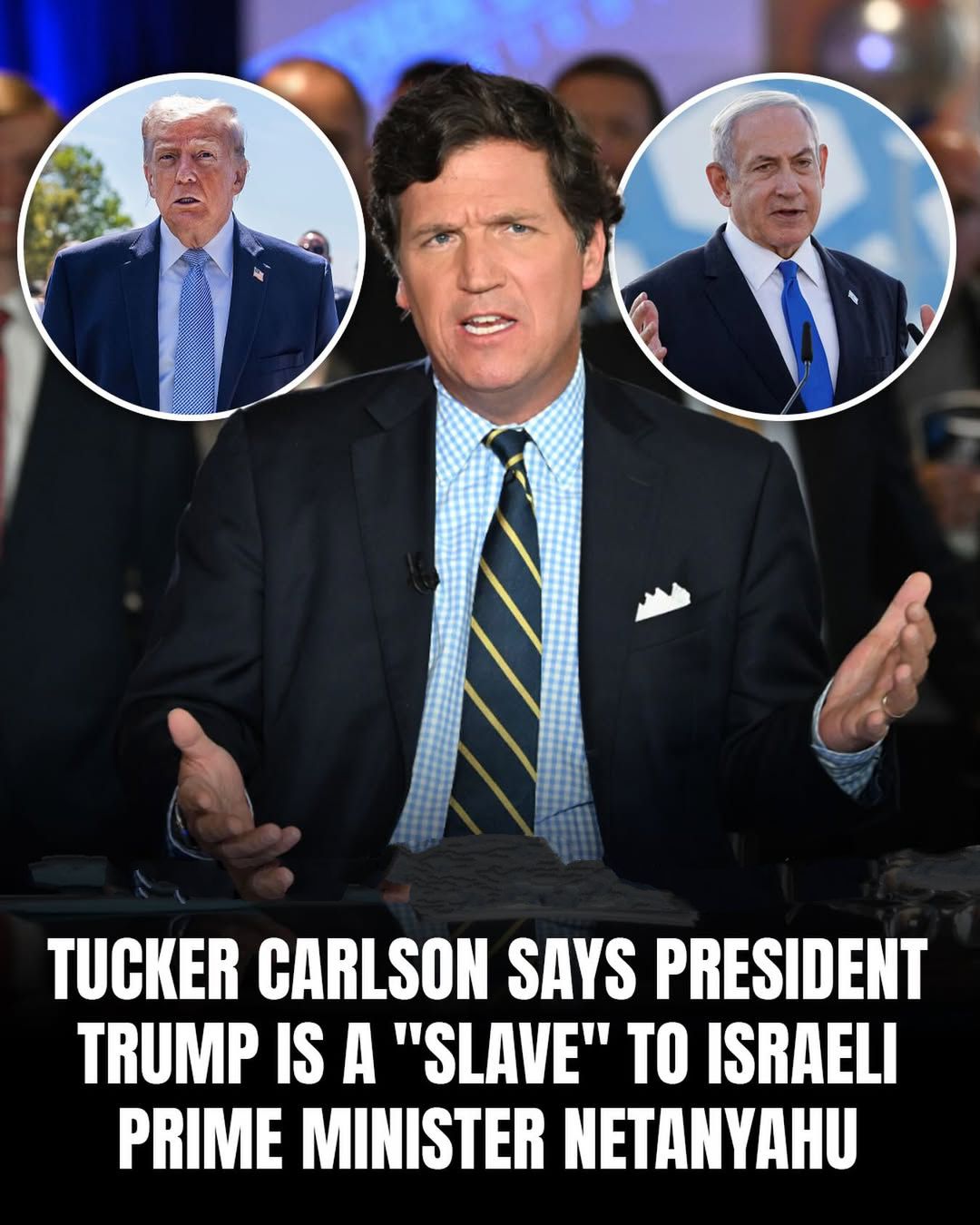 0 Comments 0 Shares 166 Views 0 Reviews
10
0 Comments 0 Shares 166 Views 0 Reviews
10
-
The Spanish government, led by Prime Minister Pedro Sánchez, has officially ruled out any participation in military missions in the Strait. Defense Minister Margarita Robles and Foreign Minister José Manuel Albares have labeled the current U.S.-led military actions as "illegal" and "reckless."
Spain refuses to allow NATO as an organization to launch a collective mission. Since NATO operates on consensus, Spain’s opposition (along with countries like Germany and Italy) effectively blocks a formal NATO-branded operation.
Airspace and Base Restrictions: Spain has gone further than just a diplomatic "no." They have banned U.S. military aircraft from using jointly operated bases in southern Spain and have closed Spanish airspace to flights involved in the Middle East strikes.
ReutersThe Spanish government, led by Prime Minister Pedro Sánchez, has officially ruled out any participation in military missions in the Strait. Defense Minister Margarita Robles and Foreign Minister José Manuel Albares have labeled the current U.S.-led military actions as "illegal" and "reckless." Spain refuses to allow NATO as an organization to launch a collective mission. Since NATO operates on consensus, Spain’s opposition (along with countries like Germany and Italy) effectively blocks a formal NATO-branded operation. Airspace and Base Restrictions: Spain has gone further than just a diplomatic "no." They have banned U.S. military aircraft from using jointly operated bases in southern Spain and have closed Spanish airspace to flights involved in the Middle East strikes. Reuters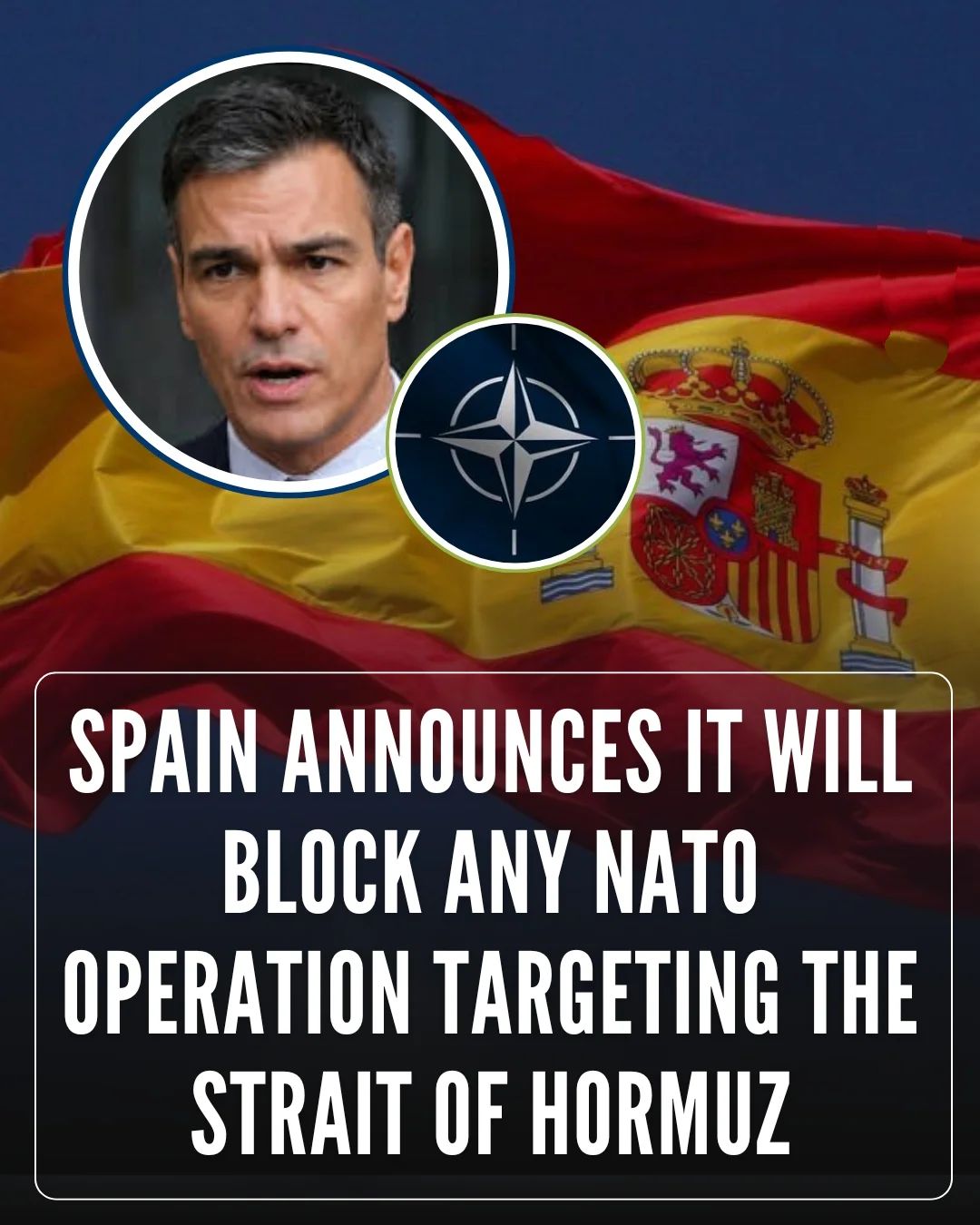 0 Comments 0 Shares 118 Views 0 Reviews
10
0 Comments 0 Shares 118 Views 0 Reviews
10
-
She has 88 million Instagram followers. She used them to call Gaza a "genocide." She did not back down.
Pop star Dua Lipa issued one of her most widely shared statements on the Gaza war in May 2024, writing on Instagram: "Burning children alive can never be justified. The whole world is mobilising to stop the Israeli genocide. Please show your solidarity with Gaza." The post, shared with the hashtag #AllEyesOnRafah, came in response to an Israeli airstrike on a displacement camp in the southern Gaza city of Rafah that killed at least 45 Palestinians, many of them women and children.
The Israeli military described the strike as a "tragic accident," saying it had used precision munitions to target two senior Hamas militants and that shrapnel had ignited a nearby fuel source. The IDF later released audio it said suggested a Hamas ammunition warehouse contributed to the blaze. Palestinian authorities and international observers, including French President Emmanuel Macron and EU foreign policy chief Josep Borrell, condemned the strike "in the strongest terms."
Lipa, 30, who is of Kosovan-Albanian descent, has been a consistent voice for a Gaza ceasefire since October 2023. She has previously signed the Artists4Ceasefire open letter and cited her family's experience fleeing the Kosovo War as shaping her views on displacement and civilian suffering.She has 88 million Instagram followers. She used them to call Gaza a "genocide." She did not back down. Pop star Dua Lipa issued one of her most widely shared statements on the Gaza war in May 2024, writing on Instagram: "Burning children alive can never be justified. The whole world is mobilising to stop the Israeli genocide. Please show your solidarity with Gaza." The post, shared with the hashtag #AllEyesOnRafah, came in response to an Israeli airstrike on a displacement camp in the southern Gaza city of Rafah that killed at least 45 Palestinians, many of them women and children. The Israeli military described the strike as a "tragic accident," saying it had used precision munitions to target two senior Hamas militants and that shrapnel had ignited a nearby fuel source. The IDF later released audio it said suggested a Hamas ammunition warehouse contributed to the blaze. Palestinian authorities and international observers, including French President Emmanuel Macron and EU foreign policy chief Josep Borrell, condemned the strike "in the strongest terms." Lipa, 30, who is of Kosovan-Albanian descent, has been a consistent voice for a Gaza ceasefire since October 2023. She has previously signed the Artists4Ceasefire open letter and cited her family's experience fleeing the Kosovo War as shaping her views on displacement and civilian suffering. 0 Comments 0 Shares 85 Views 0 Reviews
8
0 Comments 0 Shares 85 Views 0 Reviews
8
-
The man negotiating the nuclear deal with Iran admitted on live TV that he is not an expert in nuclear. He went to war 48 hours later. During a press conference Donald Trump told reporters that his decision to launch the Iran war was shaped by conversations with Steve Witkoff, Jared Kushner, Pete Hegseth, and Marco Rubio. Not one active military commander was mentioned. Witkoff is a real estate investor. Kushner is Trump's son in law. Hegseth is a former Fox News host. Rubio is a senator. House Foreign Affairs Democrats later described them as "individuals drawn from the real estate industry rather than diplomatic or national security backgrounds." Witkoff and Kushner led nuclear negotiations with Iran in Geneva without including nuclear experts. Witkoff admitted he is "not an expert in nuclear." Vice President Vance reportedly opposed the war, with Trump telling guests at Mar-a-Lago: "J.D. really doesn't like this." Strikes launched two days later. Congress has demanded all four testify on their roles in the decision to go to war.
#Politics #Geopolitics #BreakingNews #USPolitics #Iran #ForeignPolicyThe man negotiating the nuclear deal with Iran admitted on live TV that he is not an expert in nuclear. He went to war 48 hours later. During a press conference Donald Trump told reporters that his decision to launch the Iran war was shaped by conversations with Steve Witkoff, Jared Kushner, Pete Hegseth, and Marco Rubio. Not one active military commander was mentioned. Witkoff is a real estate investor. Kushner is Trump's son in law. Hegseth is a former Fox News host. Rubio is a senator. House Foreign Affairs Democrats later described them as "individuals drawn from the real estate industry rather than diplomatic or national security backgrounds." Witkoff and Kushner led nuclear negotiations with Iran in Geneva without including nuclear experts. Witkoff admitted he is "not an expert in nuclear." Vice President Vance reportedly opposed the war, with Trump telling guests at Mar-a-Lago: "J.D. really doesn't like this." Strikes launched two days later. Congress has demanded all four testify on their roles in the decision to go to war. #Politics #Geopolitics #BreakingNews #USPolitics #Iran #ForeignPolicy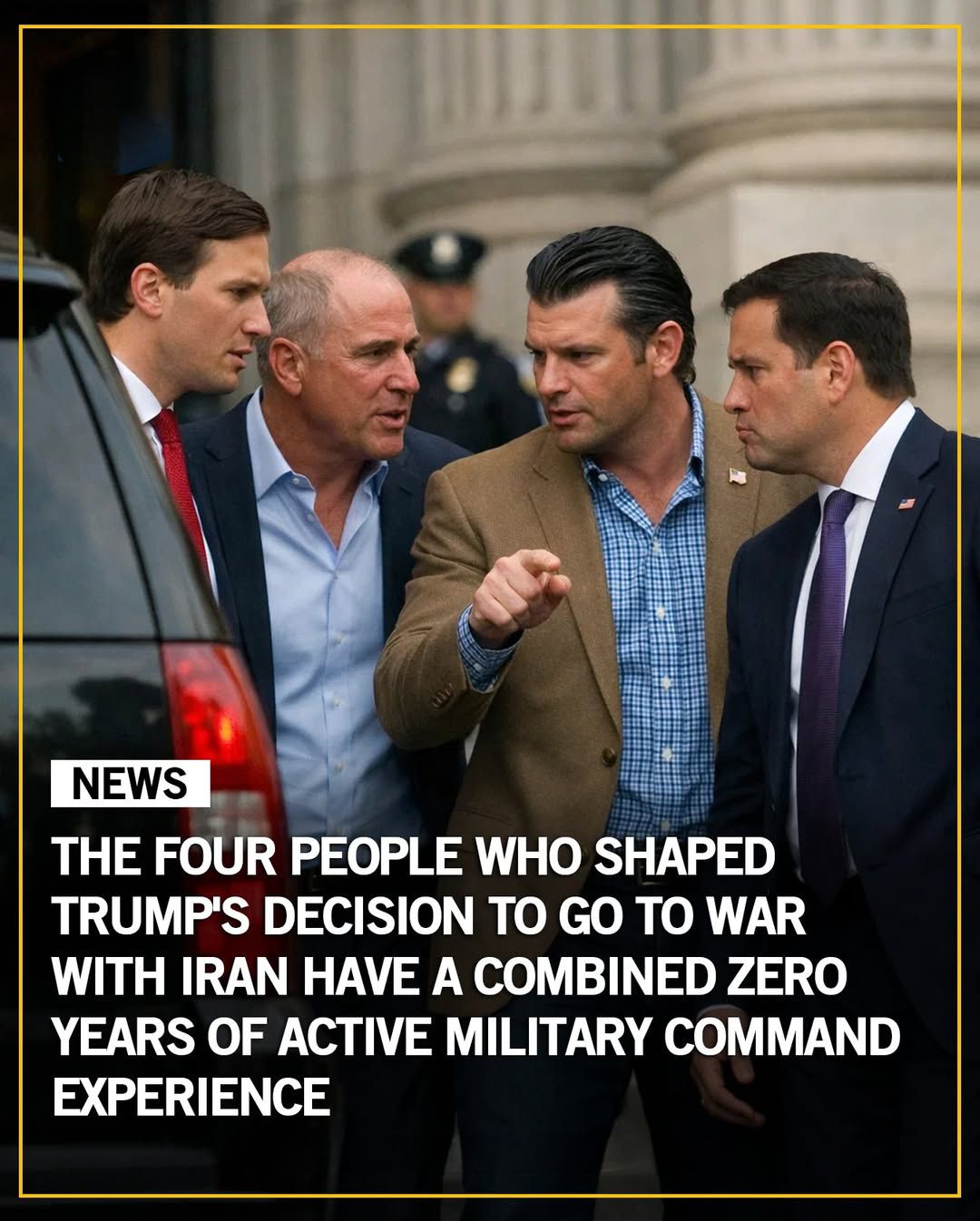 0 Comments 0 Shares 141 Views 0 Reviews
10
0 Comments 0 Shares 141 Views 0 Reviews
10



More Results

 Arabic
 French
 Spanish
 Portuguese
 Deutsch
 Turkish
 Dutch
Dutch
 Italiano
 Russian
 Romaian
 Portuguese (Brazil)
 Greek
Greek