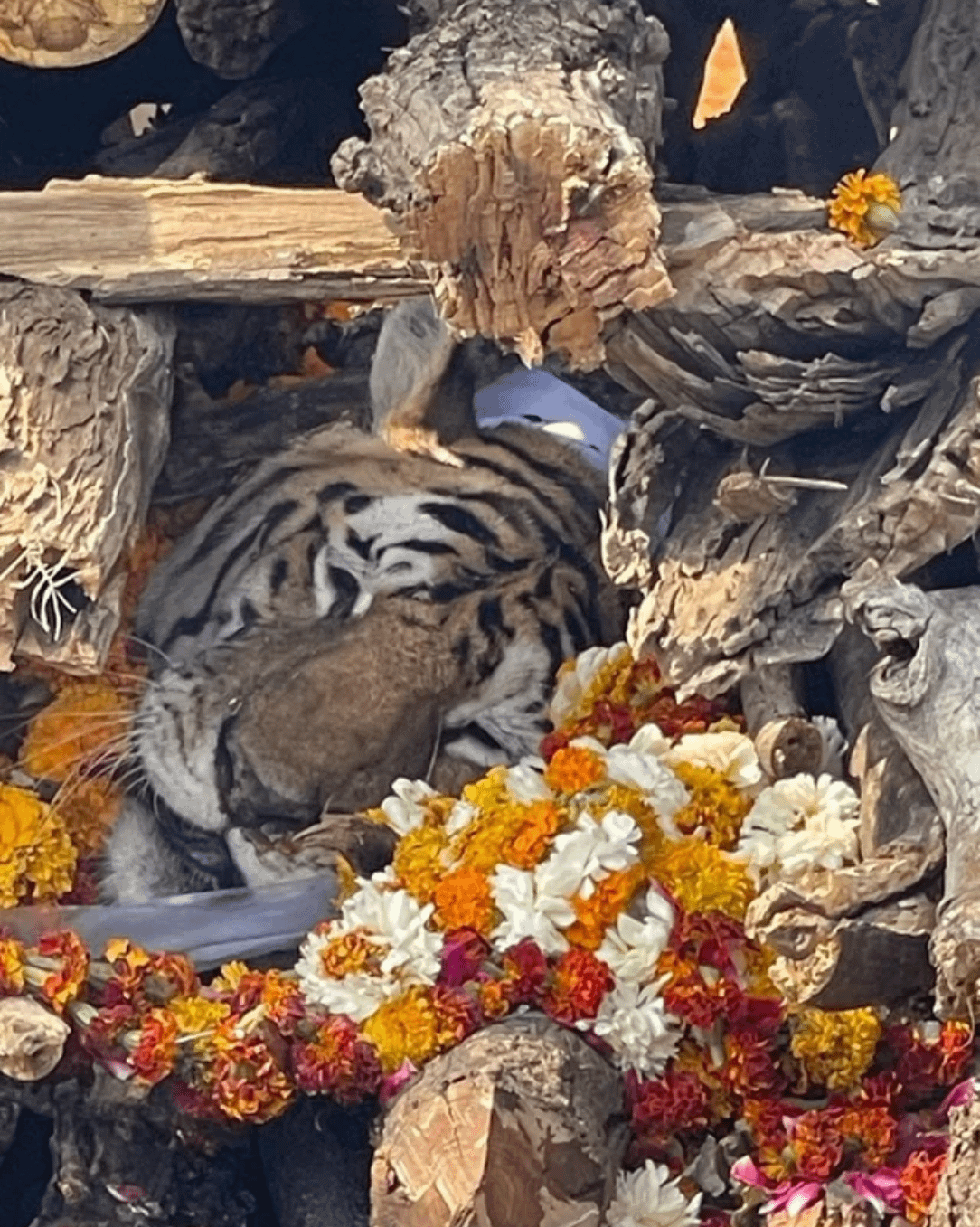

• In January 2022, forest officials in Madhya Pradesh confirmed the death of Collarwali, a tigress from Pench Tiger Reserve who became a symbol of India’s conservation success.

    Known officially as T15, she lived around 16 years and gave birth to 29 cubs across eight litters — an extraordinary number. Many of her cubs survived and established territories of their own, helping rebuild the region’s tiger population.

    Her cremation wasn’t just symbolic. At a time when tiger numbers had once plummeted due to poaching and habitat loss, Collarwali represented real recovery.

    She wasn’t a mascot — she was living proof that conservation works.
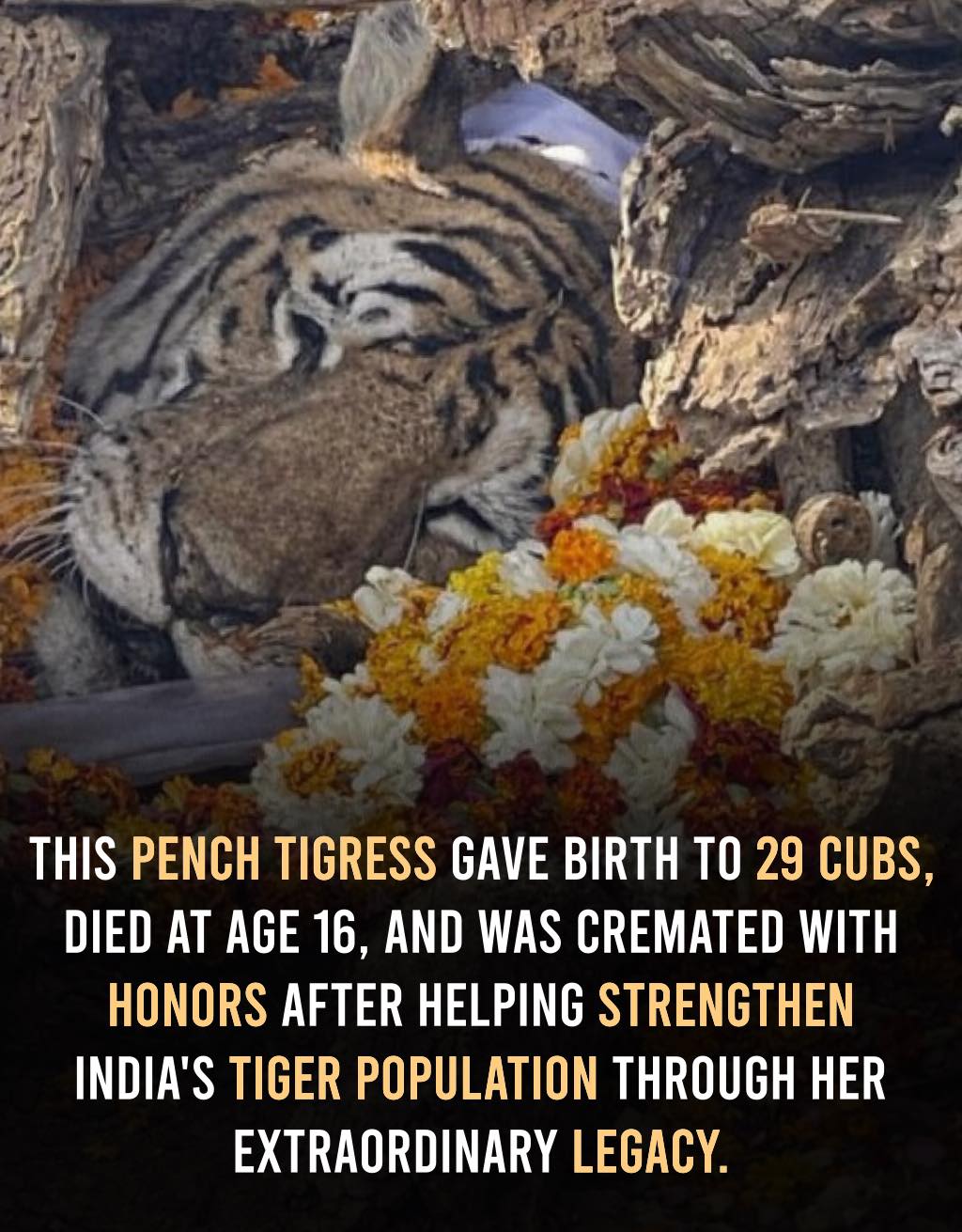
    In January 2022, forest officials in Madhya Pradesh confirmed the death of Collarwali, a tigress from Pench Tiger Reserve who became a symbol of India’s conservation success. Known officially as T15, she lived around 16 years and gave birth to 29 cubs across eight litters — an extraordinary number. Many of her cubs survived and established territories of their own, helping rebuild the region’s tiger population. Her cremation wasn’t just symbolic. At a time when tiger numbers had once plummeted due to poaching and habitat loss, Collarwali represented real recovery. She wasn’t a mascot — she was living proof that conservation works.
    Like
    Love
    Wow
    3
    0 Comentários 0 Compartilhamentos 357 Visualizações 0 Anterior
  • Between Feb. 8 and Feb. 18, 72 tigers ded** at two tourist parks in Chiang Mai . Both parks were branches of Tiger Kingdom, located about 30 kilometers apart and housing more than 240 tigers combined.

    When the dths began, officials initially feared bird flu. Thailand previously lost tens of millions of poultry to avian influenza in the 2000s, and 17 people dd, so the concern was serious.

    Autopsies later revealed a different cause. The tigers tested positive for canine distemper virus, which typically infects dogs but can be fatal to big cats. They also carried Mycoplasma bacteria, affecting the respiratory system. Together, the infections led to severe pneumonia, and the animals suffocated.

    Canine distemper spreads through bodily fluids and air but does not infect humans. Staff who handled the animals are under observation but are not considered at risk.

    Officials acknowledged that detection came too late. By the time symptoms were recognized, the outbreak had already spread extensively.

    The parks closed for disinfection, and surviving tigers were transferred to a care center under quarantine.

    A veterinarian involved in the necropsies suggested another possible concern — contaminated food supplied to both parks, given their close proximity and potential shared vendors. He did not elaborate further.

    Animal rights groups, including PETA Asia, criticized the industry, calling attention to the conditions in which the animals lived.

    Authorities continue to investigate. The remains were cremated and buried. The future of the surviving tigers — and whether the parks will reopen — remains uncertain.
    Between Feb. 8 and Feb. 18, 72 tigers ded** at two tourist parks in Chiang Mai . Both parks were branches of Tiger Kingdom, located about 30 kilometers apart and housing more than 240 tigers combined. When the dths began, officials initially feared bird flu. Thailand previously lost tens of millions of poultry to avian influenza in the 2000s, and 17 people dd, so the concern was serious. Autopsies later revealed a different cause. The tigers tested positive for canine distemper virus, which typically infects dogs but can be fatal to big cats. They also carried Mycoplasma bacteria, affecting the respiratory system. Together, the infections led to severe pneumonia, and the animals suffocated. Canine distemper spreads through bodily fluids and air but does not infect humans. Staff who handled the animals are under observation but are not considered at risk. Officials acknowledged that detection came too late. By the time symptoms were recognized, the outbreak had already spread extensively. The parks closed for disinfection, and surviving tigers were transferred to a care center under quarantine. A veterinarian involved in the necropsies suggested another possible concern — contaminated food supplied to both parks, given their close proximity and potential shared vendors. He did not elaborate further. Animal rights groups, including PETA Asia, criticized the industry, calling attention to the conditions in which the animals lived. Authorities continue to investigate. The remains were cremated and buried. The future of the surviving tigers — and whether the parks will reopen — remains uncertain.
    Like
    Love
    Wow
    3
    0 Comentários 0 Compartilhamentos 355 Visualizações 0 Anterior
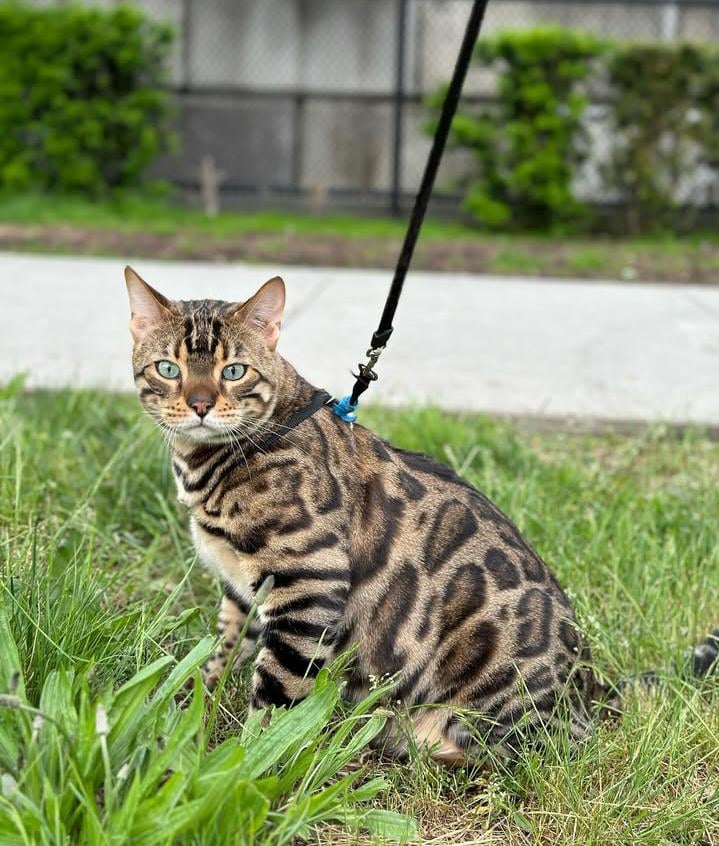
  • Kai Tea in her tiger mode
    Kai Tea in her tiger mode
    Like
    Love
    Wow
    3
    0 Comentários 0 Compartilhamentos 29KB Visualizações 0 Anterior
  • A cat that is no less than a tiger but she Is so cute...
    A cat that is no less than a tiger but she Is so cute...
    Like
    Love
    Wow
    3
    0 Comentários 0 Compartilhamentos 129KB Visualizações 0 Anterior
  • A cremation funeral held for a tiger named "Collarwali" who had given birth to 29 cubs throughout her life in 8 litters. She lived in the Pench Tiger Reserve and died at the age of 16.
    A cremation funeral held for a tiger named "Collarwali" who had given birth to 29 cubs throughout her life in 8 litters. She lived in the Pench Tiger Reserve and died at the age of 16.
    Like
    Love
    Wow
    3
    0 Comentários 0 Compartilhamentos 108KB Visualizações 0 Anterior
Páginas impulsionada