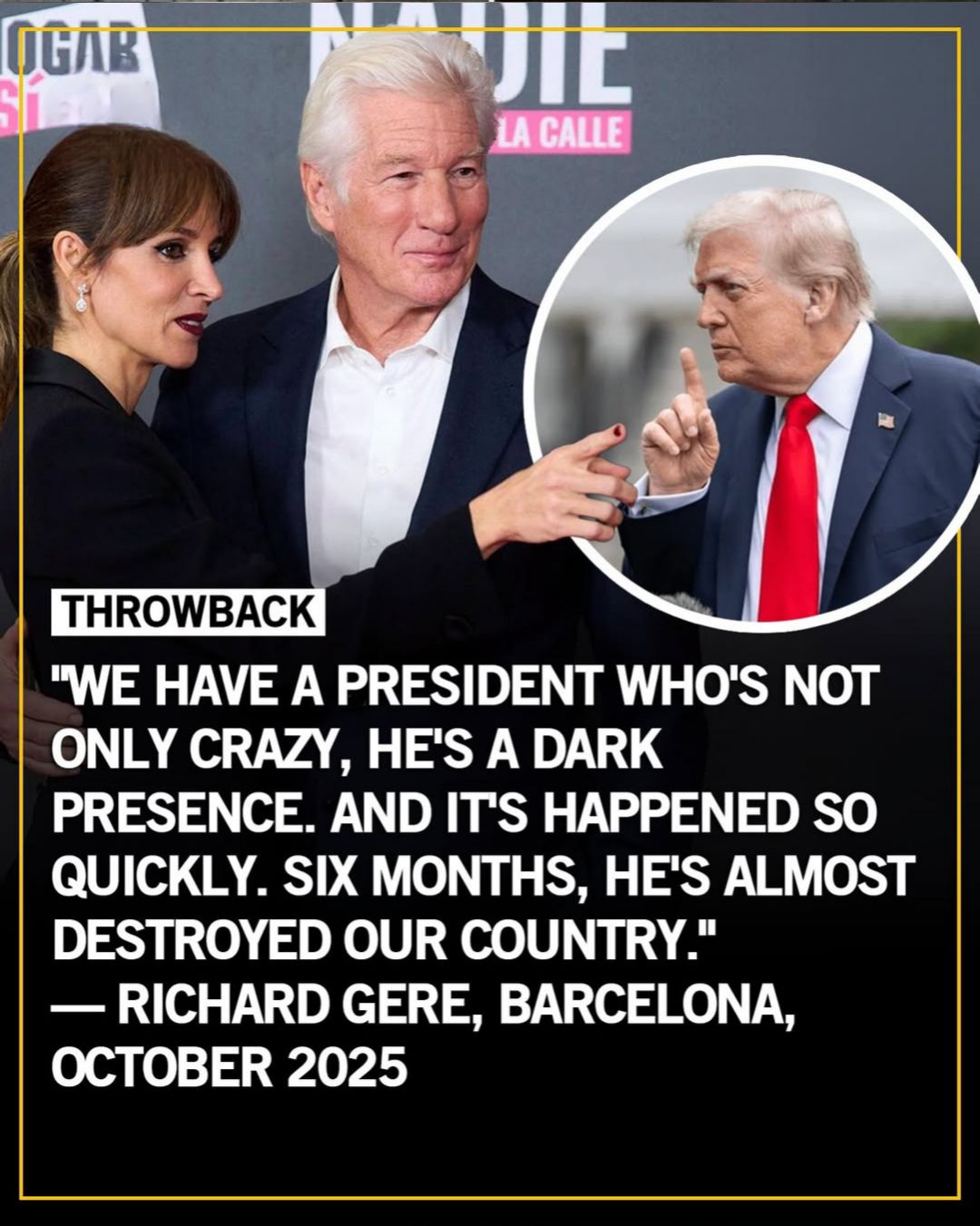
• Is the legal wall around powerful political figures finally starting to crack?

    A major legal shockwave is rippling through Washington after reports that the U.S. Supreme Court ruled Donald Trump cannot claim full immunity related to matters tied to the Jeffrey Epstein investigation. The ruling means he may be compelled to respond to a subpoena connected to the case. It follows testimony linked to Bill Clinton and signals that courts are no longer willing to allow broad claims of presidential protection to block investigative processes tied to Epstein’s network.

    For years, the Epstein case has been surrounded by unanswered questions involving powerful billionaires, politicians, and global elites. Epstein died in federal custody in 2019, but the shadow of his operation has never disappeared. Names, flight logs, financial connections, and sealed records have kept the public asking the same question: who knew what, and who is still being protected?

    Now the legal pressure appears to be rising again. If courts begin forcing testimony and document production from figures at the very top of politics and business, it could reopen one of the most explosive scandals of the last decade. Supporters of accountability say the justice system cannot stop halfway if the goal is truth. Critics argue the political implications will shake Washington to its core.

    Either way, the Epstein story refuses to disappear. The question that has haunted it from the beginning remains the same: will the system actually expose the full network, or will the most powerful names once again slip through the cracks?

    Marcus - THL

    #Epstein #Trump #SupremeCourt #Politics #Justice #BreakingNews #Accountability #WorldNews
    Is the legal wall around powerful political figures finally starting to crack? A major legal shockwave is rippling through Washington after reports that the U.S. Supreme Court ruled Donald Trump cannot claim full immunity related to matters tied to the Jeffrey Epstein investigation. The ruling means he may be compelled to respond to a subpoena connected to the case. It follows testimony linked to Bill Clinton and signals that courts are no longer willing to allow broad claims of presidential protection to block investigative processes tied to Epstein’s network. For years, the Epstein case has been surrounded by unanswered questions involving powerful billionaires, politicians, and global elites. Epstein died in federal custody in 2019, but the shadow of his operation has never disappeared. Names, flight logs, financial connections, and sealed records have kept the public asking the same question: who knew what, and who is still being protected? Now the legal pressure appears to be rising again. If courts begin forcing testimony and document production from figures at the very top of politics and business, it could reopen one of the most explosive scandals of the last decade. Supporters of accountability say the justice system cannot stop halfway if the goal is truth. Critics argue the political implications will shake Washington to its core. Either way, the Epstein story refuses to disappear. The question that has haunted it from the beginning remains the same: will the system actually expose the full network, or will the most powerful names once again slip through the cracks? Marcus - THL #Epstein #Trump #SupremeCourt #Politics #Justice #BreakingNews #Accountability #WorldNews
    Like
    Love
    Wow
    3
    0 Comments 0 Shares 2K Views 0 Reviews
  • Canada has declined requests to provide military support for the ongoing conflict involving Iran, signaling a notable difference in approach from some of its Western allies.

    The Canadian government says its current priority is diplomacy and de-escalation, emphasizing that Canada does not plan to take part in direct combat operations related to the conflict at this time.

    The decision highlights a broader debate among Western allies about the long-term risks of a wider regional war in the Middle East. By staying out of the military coalition, Canada may instead focus on diplomatic engagement, humanitarian support, and efforts to reduce tensions.

    Security analysts note that Canada has historically been a key partner in international missions alongside NATO allies, so the decision could affect coordination on certain military or logistical fronts. However, officials in Ottawa say the move reflects Canada’s assessment of its national interests and strategic priorities.

    The response from global leaders has been mixed. Some observers see the stance as an example of independent foreign policy, while others warn it could add strain to long-standing defense partnerships.

    As the situation evolves, Canada is expected to concentrate on domestic security and potential humanitarian or economic assistance related to the broader regional crisis.

    #BreakingNews #Canada #Geopolitics #IranConflict #ForeignPolicy #WorldNews
    Canada has declined requests to provide military support for the ongoing conflict involving Iran, signaling a notable difference in approach from some of its Western allies. The Canadian government says its current priority is diplomacy and de-escalation, emphasizing that Canada does not plan to take part in direct combat operations related to the conflict at this time. The decision highlights a broader debate among Western allies about the long-term risks of a wider regional war in the Middle East. By staying out of the military coalition, Canada may instead focus on diplomatic engagement, humanitarian support, and efforts to reduce tensions. Security analysts note that Canada has historically been a key partner in international missions alongside NATO allies, so the decision could affect coordination on certain military or logistical fronts. However, officials in Ottawa say the move reflects Canada’s assessment of its national interests and strategic priorities. The response from global leaders has been mixed. Some observers see the stance as an example of independent foreign policy, while others warn it could add strain to long-standing defense partnerships. As the situation evolves, Canada is expected to concentrate on domestic security and potential humanitarian or economic assistance related to the broader regional crisis. #BreakingNews #Canada #Geopolitics #IranConflict #ForeignPolicy #WorldNews
    Like
    Love
    Wow
    3
    0 Comments 0 Shares 1K Views 0 Reviews
  • Global markets are experiencing extreme volatility as tensions in the Middle East and risks to global energy supplies make investors increasingly cautious.
    Economic pressure is also growing around the ongoing U.S.–Iran conflict, as developments in the region continue to influence oil prices, major trade routes, and overall investor sentiment.
    Recent reports indicate that major U.S. indexes such as the Dow Jones and S&P 500 have seen noticeable swings since the tensions escalated. At one point, the Dow had dropped more than 1,000 points from late-February levels when the first airstrikes began, reflecting growing uncertainty in global markets.
    One of the biggest concerns is the Strait of Hormuz, one of the world’s most critical oil chokepoints. Roughly 20% of global oil supply passes through the strait, meaning any disruption to shipping there could trigger a sharp spike in energy prices and intensify inflation fears worldwide.
    During the peak of the tensions, Brent crude oil briefly surged to around $119 per barrel, raising concerns about a potential energy shock and stagflation. Prices later eased closer to $90 per barrel after signals that the conflict might de-escalate, allowing some markets to stabilize temporarily.
    Economists warn that if the conflict becomes prolonged, several risks could grow: • Rising global inflation and fuel costs
    • Disruptions to shipping routes and supply chains
    • Increased currency pressure on developing economies
    • A higher risk of a global economic slowdown
    As uncertainty continues, many investors are shifting toward safe-haven assets like gold and the U.S. dollar, while equity markets and tech stocks continue to experience sharp swings.
    #GlobalEconomy #MarketVolatility #OilCrisis #IranConflict #WorldMarkets #BreakingNews #Geopolitics
    Global markets are experiencing extreme volatility as tensions in the Middle East and risks to global energy supplies make investors increasingly cautious. Economic pressure is also growing around the ongoing U.S.–Iran conflict, as developments in the region continue to influence oil prices, major trade routes, and overall investor sentiment. Recent reports indicate that major U.S. indexes such as the Dow Jones and S&P 500 have seen noticeable swings since the tensions escalated. At one point, the Dow had dropped more than 1,000 points from late-February levels when the first airstrikes began, reflecting growing uncertainty in global markets. One of the biggest concerns is the Strait of Hormuz, one of the world’s most critical oil chokepoints. Roughly 20% of global oil supply passes through the strait, meaning any disruption to shipping there could trigger a sharp spike in energy prices and intensify inflation fears worldwide. During the peak of the tensions, Brent crude oil briefly surged to around $119 per barrel, raising concerns about a potential energy shock and stagflation. Prices later eased closer to $90 per barrel after signals that the conflict might de-escalate, allowing some markets to stabilize temporarily. Economists warn that if the conflict becomes prolonged, several risks could grow: • Rising global inflation and fuel costs • Disruptions to shipping routes and supply chains • Increased currency pressure on developing economies • A higher risk of a global economic slowdown As uncertainty continues, many investors are shifting toward safe-haven assets like gold and the U.S. dollar, while equity markets and tech stocks continue to experience sharp swings. #GlobalEconomy #MarketVolatility #OilCrisis #IranConflict #WorldMarkets #BreakingNews #Geopolitics
    Like
    Love
    Wow
    3
    0 Comments 0 Shares 2K Views 0 Reviews
  • The human cost of Operation Epic Fury is becoming clearer as updated casualty reports reveal a significant rise in wounded U.S. personnel since the conflict began on February 28.
    While early Pentagon briefings reported lower numbers, new figures indicate that around 150 U.S. service members have been injured, with cases ranging from minor blast effects to severe combat trauma.
    Pentagon spokesperson Sean Parnell said roughly 140 of the injuries occurred during the first ten days of Iranian retaliatory strikes. Of those wounded, 108 have already returned to duty, while eight remain in critical condition receiving specialized medical care.
    Officials say some of the injuries include traumatic brain injuries (TBI) caused by repeated exposure to explosions, which can take time to diagnose and report. Many of the incidents were linked to drone and missile attacks targeting U.S. bases in Kuwait and Saudi Arabia.
    Defense Secretary Pete Hegseth has acknowledged that additional casualties are possible as operations continue, even as the Pentagon reports major progress in degrading Iran’s missile launch capabilities.
    The rising injury toll has also sparked debate on Capitol Hill, with lawmakers calling for clearer public briefings on the long-term military, human, and economic costs of the conflict.
    #BreakingNews #USMilitary #IranWar #OperationEpicFury
    The human cost of Operation Epic Fury is becoming clearer as updated casualty reports reveal a significant rise in wounded U.S. personnel since the conflict began on February 28. While early Pentagon briefings reported lower numbers, new figures indicate that around 150 U.S. service members have been injured, with cases ranging from minor blast effects to severe combat trauma. Pentagon spokesperson Sean Parnell said roughly 140 of the injuries occurred during the first ten days of Iranian retaliatory strikes. Of those wounded, 108 have already returned to duty, while eight remain in critical condition receiving specialized medical care. Officials say some of the injuries include traumatic brain injuries (TBI) caused by repeated exposure to explosions, which can take time to diagnose and report. Many of the incidents were linked to drone and missile attacks targeting U.S. bases in Kuwait and Saudi Arabia. Defense Secretary Pete Hegseth has acknowledged that additional casualties are possible as operations continue, even as the Pentagon reports major progress in degrading Iran’s missile launch capabilities. The rising injury toll has also sparked debate on Capitol Hill, with lawmakers calling for clearer public briefings on the long-term military, human, and economic costs of the conflict. #BreakingNews #USMilitary #IranWar #OperationEpicFury
    Like
    Love
    Wow
    3
    0 Comments 0 Shares 1K Views 0 Reviews
  • President Donald Trump said he expects additional American service members could be killed during the ongoing U.S. military campaign against Iran, stating that casualties are an unfortunate reality of war.
    Speaking to reporters, Trump said: “When you have conflicts like this, you always have death,” while emphasizing that the goal of the operation is to “finish the job.”
    The remarks came after the Pentagon confirmed that multiple U.S. troops had already been killed in the conflict, with others wounded in Iranian strikes on American bases across the region.
    Trump also said he had met with families of fallen service members and claimed many urged him to continue the mission until its objectives are completed.
    The comments have added to the ongoing debate in Washington and across the country about the costs and risks of the expanding conflict, as military operations in the region continue.
    #BreakingNews #USMilitary #IranConflict #WorldNews #Geopolitics
    President Donald Trump said he expects additional American service members could be killed during the ongoing U.S. military campaign against Iran, stating that casualties are an unfortunate reality of war. Speaking to reporters, Trump said: “When you have conflicts like this, you always have death,” while emphasizing that the goal of the operation is to “finish the job.” The remarks came after the Pentagon confirmed that multiple U.S. troops had already been killed in the conflict, with others wounded in Iranian strikes on American bases across the region. Trump also said he had met with families of fallen service members and claimed many urged him to continue the mission until its objectives are completed. The comments have added to the ongoing debate in Washington and across the country about the costs and risks of the expanding conflict, as military operations in the region continue. #BreakingNews #USMilitary #IranConflict #WorldNews #Geopolitics
    Like
    Love
    Wow
    3
    0 Comments 0 Shares 1K Views 0 Reviews
More Results