• Concerns about leadership and long-term power are growing, especially as debates intensify in the United States around figures like Donald Trump. Research often cited in governance discussions suggests that in systems with limited accountability, aging leadership can be linked to slower economic performance over time. At the same time, many Americans are facing rising living costs, increasing debt, and housing challenges, raising broader questions about how power should be balanced to protect stability, accountability, and everyday livelihoods
    #USPolitics #Economy #Leadership #Democracy #CostOfLiving #Accountability #PoliticalDebate #StayInformed #TrendingNow
    Concerns about leadership and long-term power are growing, especially as debates intensify in the United States around figures like Donald Trump. Research often cited in governance discussions suggests that in systems with limited accountability, aging leadership can be linked to slower economic performance over time. At the same time, many Americans are facing rising living costs, increasing debt, and housing challenges, raising broader questions about how power should be balanced to protect stability, accountability, and everyday livelihoods #USPolitics #Economy #Leadership #Democracy #CostOfLiving #Accountability #PoliticalDebate #StayInformed #TrendingNow
    Like
    Love
    Wow
    3
    0 Comments 0 Shares 35 Views 0 Reviews
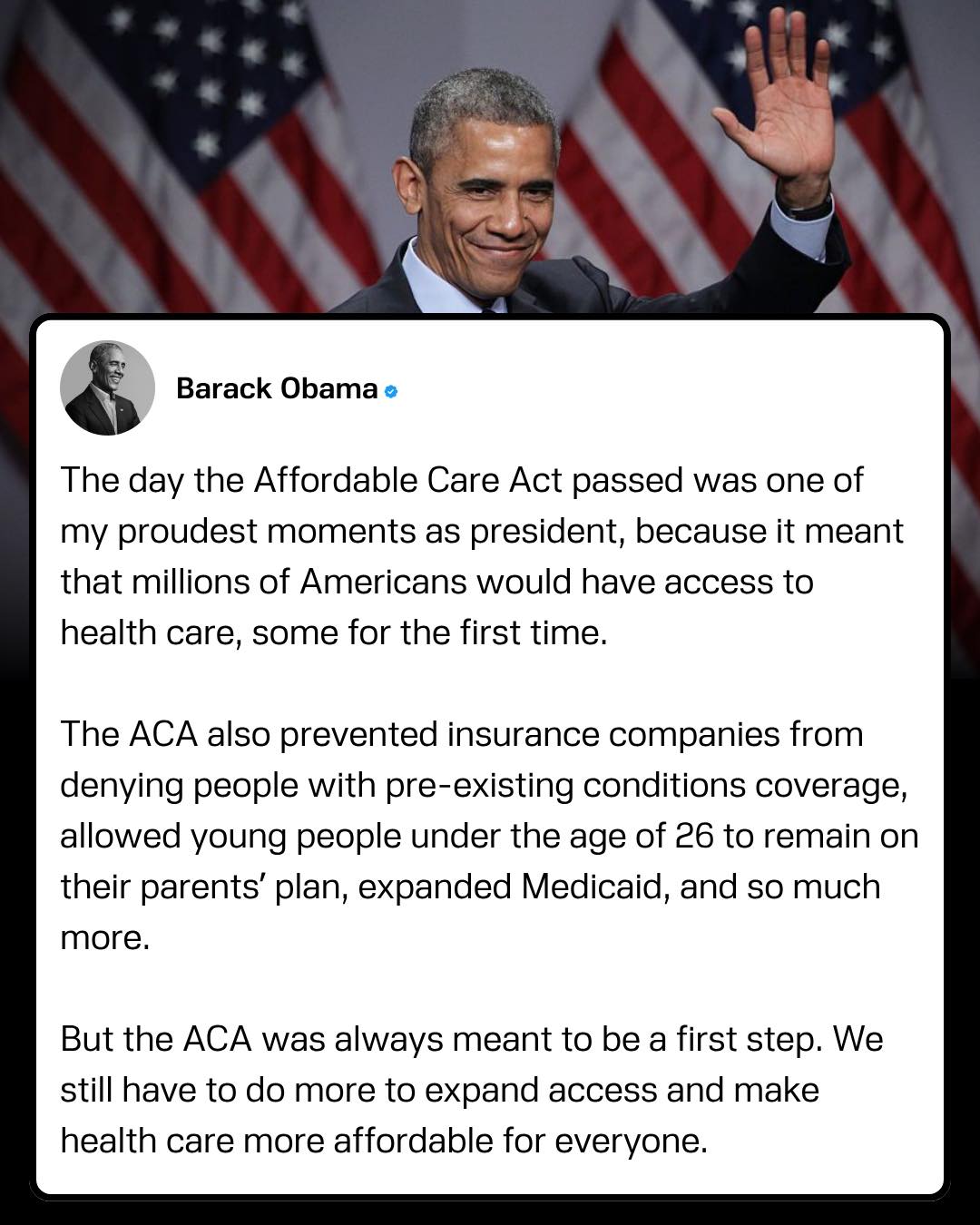
  • 16 years to the day since the passage of the Affordable Care Act, former President Barack Obama is reflecting on what he calls one of the proudest achievements of his presidency.

    The law reshaped the U.S. healthcare system—expanding coverage to millions, protecting people with pre-existing conditions, and allowing young adults to stay on their parents’ plans.

    But as Obama points out, it was never meant to be the final step. The debate over how to make healthcare more affordable and accessible for all Americans is still very much ongoing.
    16 years to the day since the passage of the Affordable Care Act, former President Barack Obama is reflecting on what he calls one of the proudest achievements of his presidency. The law reshaped the U.S. healthcare system—expanding coverage to millions, protecting people with pre-existing conditions, and allowing young adults to stay on their parents’ plans. But as Obama points out, it was never meant to be the final step. The debate over how to make healthcare more affordable and accessible for all Americans is still very much ongoing.
    Like
    Love
    Wow
    3
    0 Comments 0 Shares 208 Views 0 Reviews
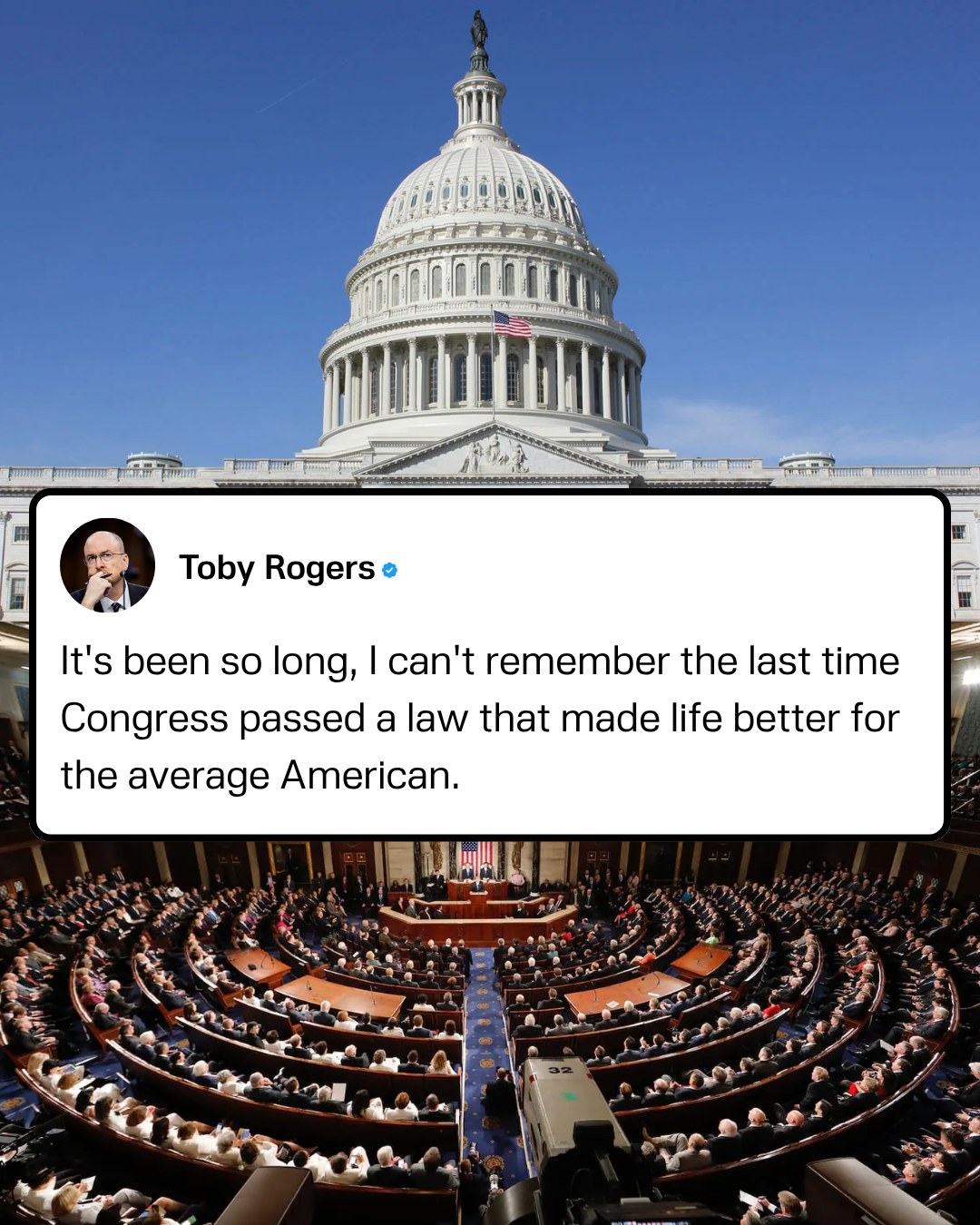
  • Dr. Toby Rogers is voicing a frustration many Americans share, questioning when Congress last passed a law that meaningfully improved everyday life.

    The comment taps into growing skepticism about Washington’s effectiveness, as debates continue over whether lawmakers are addressing the issues that actually impact ordinary people.
    Dr. Toby Rogers is voicing a frustration many Americans share, questioning when Congress last passed a law that meaningfully improved everyday life. The comment taps into growing skepticism about Washington’s effectiveness, as debates continue over whether lawmakers are addressing the issues that actually impact ordinary people.
    Like
    Love
    Wow
    3
    0 Comments 0 Shares 388 Views 0 Reviews
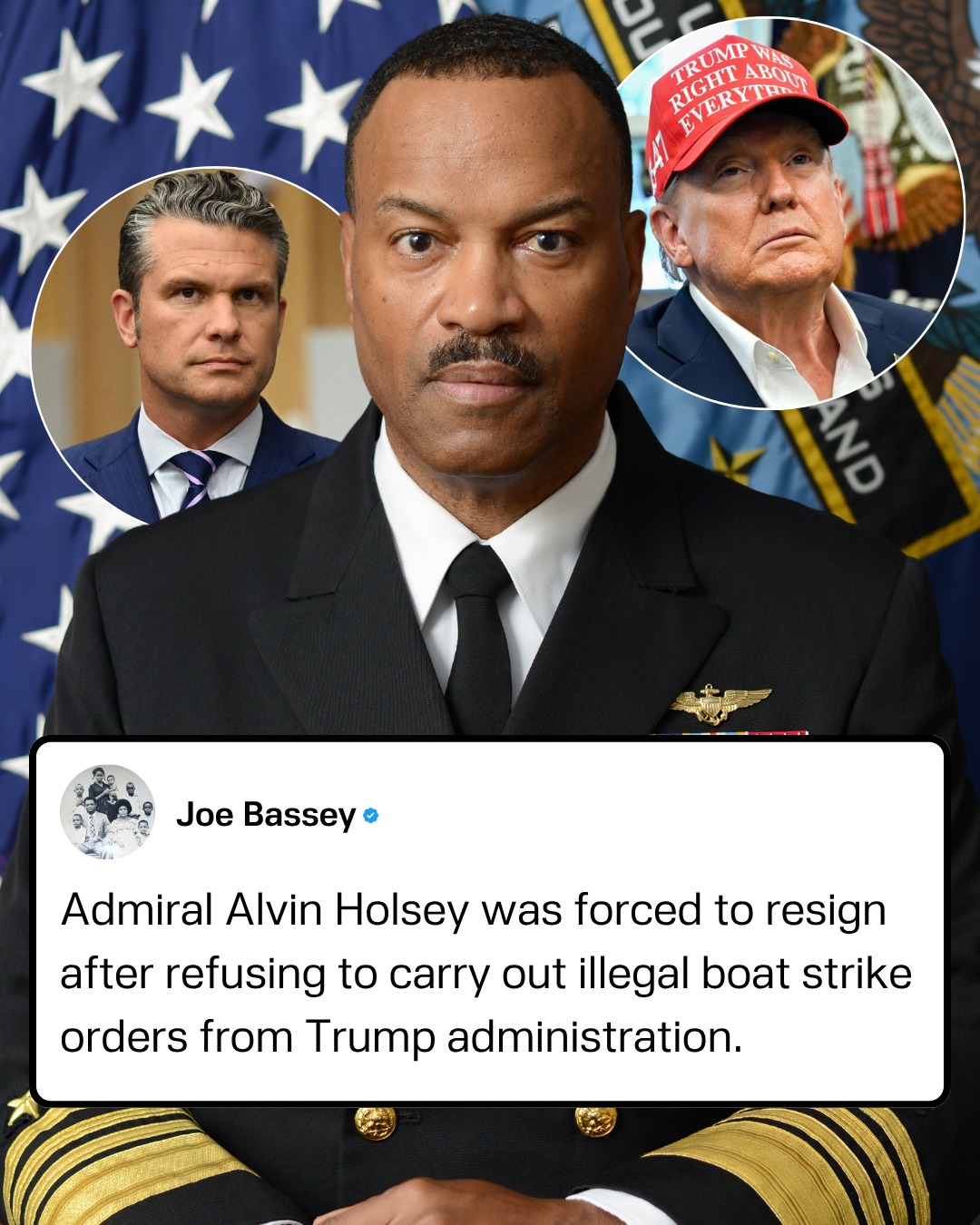
  • Adm. Alvin Holsey — a 37-year Navy veteran and the first Black commander of U.S. Southern Command — was forced out of his role after clashing with the Trump administration over controversial naval strike operations in the Caribbean.

    Holsey, who had spent decades rising through the ranks and leading major commands including Carrier Strike Group One, was overseeing U.S. military activity in Latin America when tensions began to build. At the center of the dispute were lethal strikes on suspected drug-trafficking boats, operations that sparked internal concern among military and legal officials about whether they were operating within U.S. and international law.

    According to multiple reports, Holsey pushed for caution and raised questions about the legal authority and scope of these strikes, particularly as the administration expanded the mission and reclassified it as part of a broader armed conflict.

    His departure came less than a year into what is typically a three-year posting, making it a highly unusual exit for a four-star commander.

    Holsey ultimately retired in December 2025, with officials publicly praising his service, but his exit has been widely linked to growing friction with Pentagon leadership and concerns over the direction of the mission.

    The situation has since become a flashpoint in a larger debate about military accountability, the limits of executive power, and the obligation of officers to question or refuse orders they believe may be unlawful — a principle deeply embedded in U.S. military doctrine.
    Adm. Alvin Holsey — a 37-year Navy veteran and the first Black commander of U.S. Southern Command — was forced out of his role after clashing with the Trump administration over controversial naval strike operations in the Caribbean. Holsey, who had spent decades rising through the ranks and leading major commands including Carrier Strike Group One, was overseeing U.S. military activity in Latin America when tensions began to build. At the center of the dispute were lethal strikes on suspected drug-trafficking boats, operations that sparked internal concern among military and legal officials about whether they were operating within U.S. and international law. According to multiple reports, Holsey pushed for caution and raised questions about the legal authority and scope of these strikes, particularly as the administration expanded the mission and reclassified it as part of a broader armed conflict. His departure came less than a year into what is typically a three-year posting, making it a highly unusual exit for a four-star commander. Holsey ultimately retired in December 2025, with officials publicly praising his service, but his exit has been widely linked to growing friction with Pentagon leadership and concerns over the direction of the mission. The situation has since become a flashpoint in a larger debate about military accountability, the limits of executive power, and the obligation of officers to question or refuse orders they believe may be unlawful — a principle deeply embedded in U.S. military doctrine.
    Like
    Love
    Wow
    3
    0 Comments 0 Shares 468 Views 0 Reviews
  • One X user is questioning the global consequences of domestic gridlock, asking whether the world “really has to burn” because the U.S. can’t impeach a president.

    The post is sparking debate about the balance of power, accountability, and how domestic political failures can ripple onto the international stage.
    One X user is questioning the global consequences of domestic gridlock, asking whether the world “really has to burn” because the U.S. can’t impeach a president. The post is sparking debate about the balance of power, accountability, and how domestic political failures can ripple onto the international stage.
    Like
    Love
    Wow
    3
    0 Comments 0 Shares 370 Views 0 Reviews
More Results