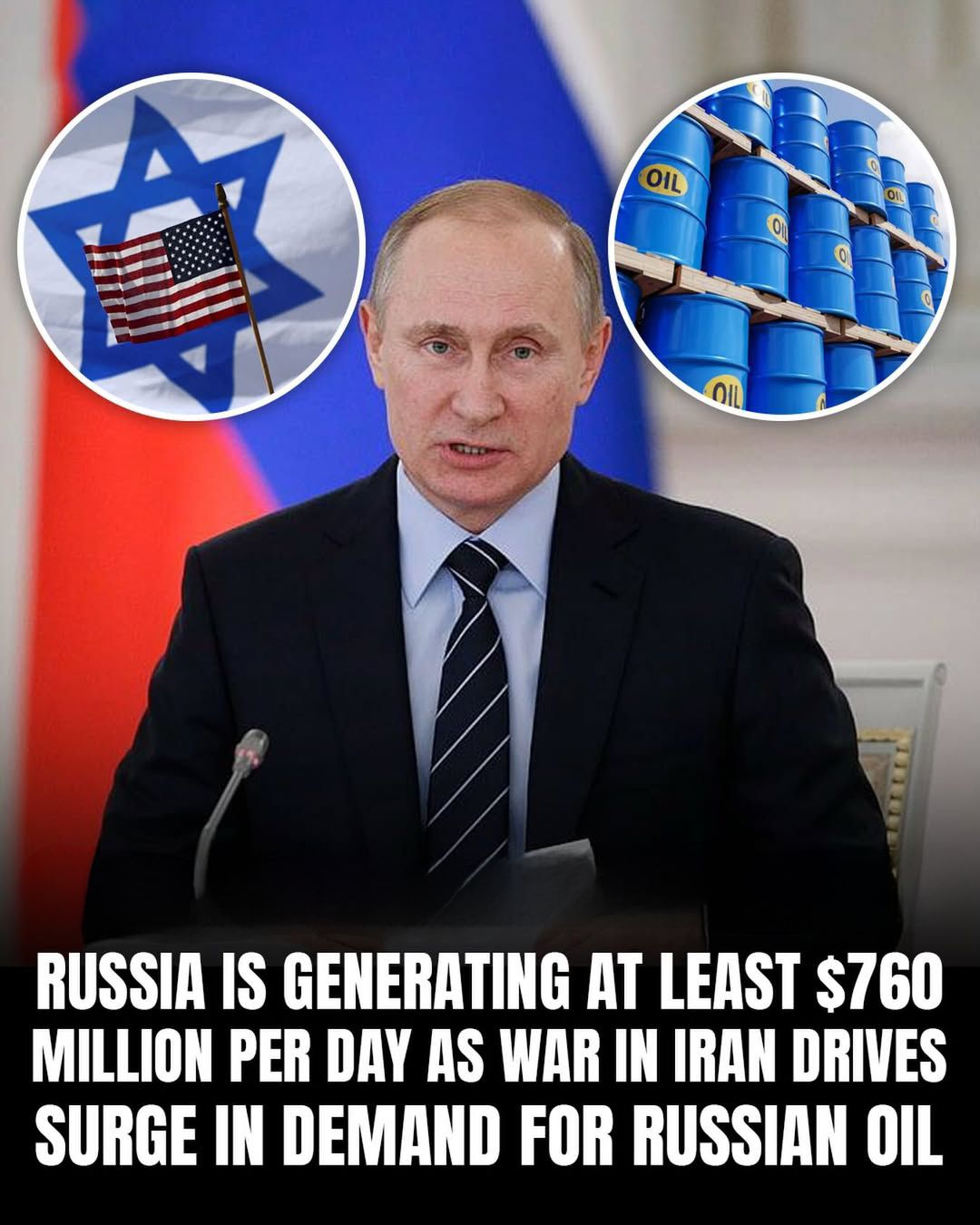
• Global markets are experiencing extreme volatility as tensions in the Middle East and risks to global energy supplies make investors increasingly cautious.
    Economic pressure is also growing around the ongoing U.S.–Iran conflict, as developments in the region continue to influence oil prices, major trade routes, and overall investor sentiment.
    Recent reports indicate that major U.S. indexes such as the Dow Jones and S&P 500 have seen noticeable swings since the tensions escalated. At one point, the Dow had dropped more than 1,000 points from late-February levels when the first airstrikes began, reflecting growing uncertainty in global markets.
    One of the biggest concerns is the Strait of Hormuz, one of the world’s most critical oil chokepoints. Roughly 20% of global oil supply passes through the strait, meaning any disruption to shipping there could trigger a sharp spike in energy prices and intensify inflation fears worldwide.
    During the peak of the tensions, Brent crude oil briefly surged to around $119 per barrel, raising concerns about a potential energy shock and stagflation. Prices later eased closer to $90 per barrel after signals that the conflict might de-escalate, allowing some markets to stabilize temporarily.
    Economists warn that if the conflict becomes prolonged, several risks could grow: • Rising global inflation and fuel costs
    • Disruptions to shipping routes and supply chains
    • Increased currency pressure on developing economies
    • A higher risk of a global economic slowdown
    As uncertainty continues, many investors are shifting toward safe-haven assets like gold and the U.S. dollar, while equity markets and tech stocks continue to experience sharp swings.
    #GlobalEconomy #MarketVolatility #OilCrisis #IranConflict #WorldMarkets #BreakingNews #Geopolitics
    Global markets are experiencing extreme volatility as tensions in the Middle East and risks to global energy supplies make investors increasingly cautious. Economic pressure is also growing around the ongoing U.S.–Iran conflict, as developments in the region continue to influence oil prices, major trade routes, and overall investor sentiment. Recent reports indicate that major U.S. indexes such as the Dow Jones and S&P 500 have seen noticeable swings since the tensions escalated. At one point, the Dow had dropped more than 1,000 points from late-February levels when the first airstrikes began, reflecting growing uncertainty in global markets. One of the biggest concerns is the Strait of Hormuz, one of the world’s most critical oil chokepoints. Roughly 20% of global oil supply passes through the strait, meaning any disruption to shipping there could trigger a sharp spike in energy prices and intensify inflation fears worldwide. During the peak of the tensions, Brent crude oil briefly surged to around $119 per barrel, raising concerns about a potential energy shock and stagflation. Prices later eased closer to $90 per barrel after signals that the conflict might de-escalate, allowing some markets to stabilize temporarily. Economists warn that if the conflict becomes prolonged, several risks could grow: • Rising global inflation and fuel costs • Disruptions to shipping routes and supply chains • Increased currency pressure on developing economies • A higher risk of a global economic slowdown As uncertainty continues, many investors are shifting toward safe-haven assets like gold and the U.S. dollar, while equity markets and tech stocks continue to experience sharp swings. #GlobalEconomy #MarketVolatility #OilCrisis #IranConflict #WorldMarkets #BreakingNews #Geopolitics
    Like
    Love
    Wow
    3
    0 Comments 0 Shares 2K Views 0 Reviews
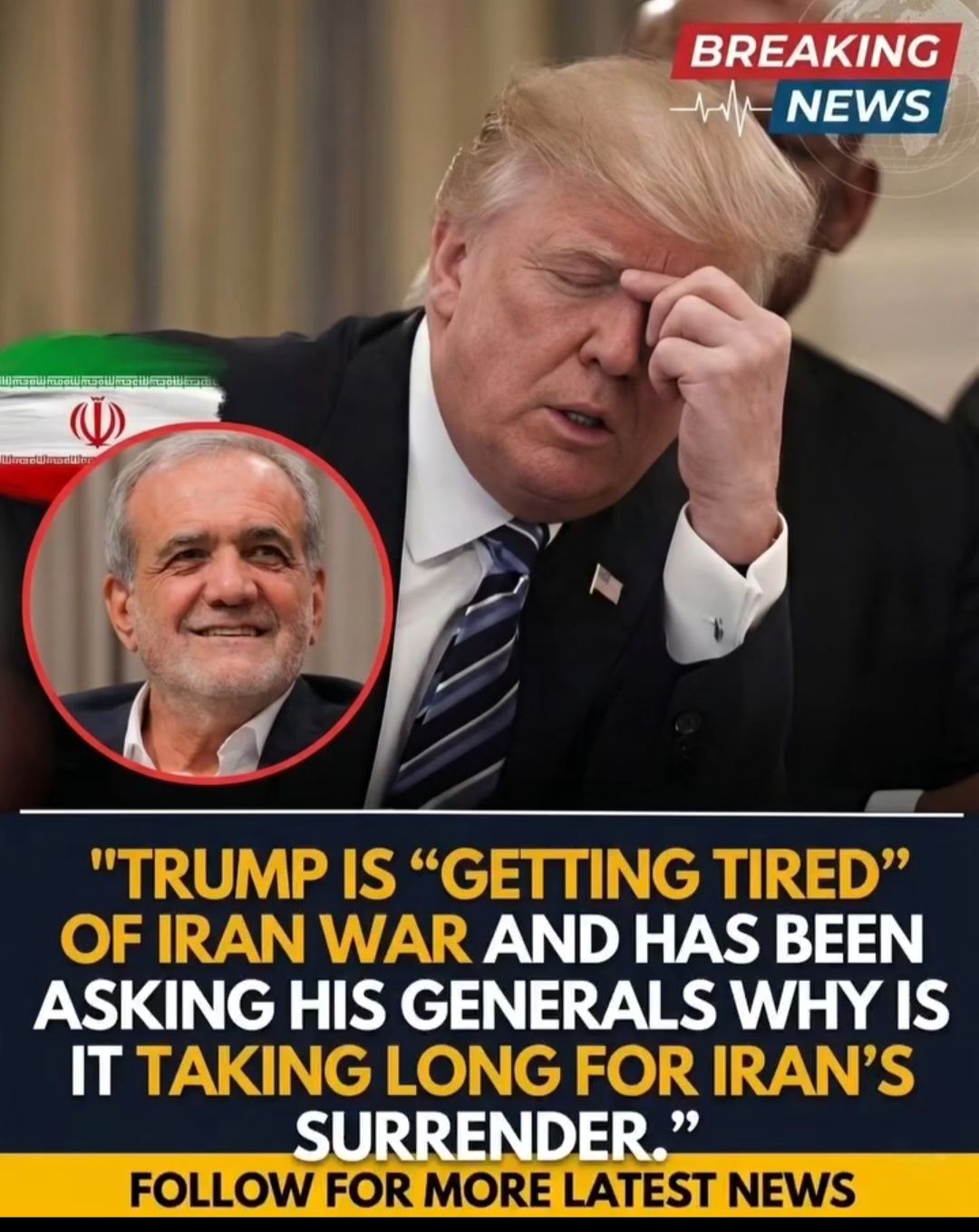
  • President Donald Trump has reportedly expressed growing frustration over the length of the ongoing conflict in the Middle East, telling senior military advisers that he is “getting tired” of the prolonged war with Iran.
    Despite recent Pentagon statements that U.S. forces have been “unleashed” to carry out operations against Iranian targets, the President is said to be questioning why a decisive outcome has not yet been achieved.
    The situation has become increasingly complex as the conflict spreads across the region. Reports indicate that U.S. and allied strikes have targeted key Iranian infrastructure, while Iran has responded with missile attacks against regional targets and energy facilities, raising fears of wider escalation.
    At the same time, global markets are reacting sharply. Concerns over disruptions to energy supplies — particularly around the Strait of Hormuz — have triggered major volatility in oil prices and heightened fears of a broader economic crisis.
    International leaders are now calling for restraint as diplomatic pressure grows to prevent further escalation. Analysts warn that the gap between expectations of a quick resolution and the reality of a prolonged regional conflict could shape global politics and energy markets in the months ahead.
    #WorldNews #MiddleEast #Geopolitics #GlobalEconomy #USPolitics
    President Donald Trump has reportedly expressed growing frustration over the length of the ongoing conflict in the Middle East, telling senior military advisers that he is “getting tired” of the prolonged war with Iran. Despite recent Pentagon statements that U.S. forces have been “unleashed” to carry out operations against Iranian targets, the President is said to be questioning why a decisive outcome has not yet been achieved. The situation has become increasingly complex as the conflict spreads across the region. Reports indicate that U.S. and allied strikes have targeted key Iranian infrastructure, while Iran has responded with missile attacks against regional targets and energy facilities, raising fears of wider escalation. At the same time, global markets are reacting sharply. Concerns over disruptions to energy supplies — particularly around the Strait of Hormuz — have triggered major volatility in oil prices and heightened fears of a broader economic crisis. International leaders are now calling for restraint as diplomatic pressure grows to prevent further escalation. Analysts warn that the gap between expectations of a quick resolution and the reality of a prolonged regional conflict could shape global politics and energy markets in the months ahead. #WorldNews #MiddleEast #Geopolitics #GlobalEconomy #USPolitics
    Like
    Love
    Wow
    3
    0 Comments 0 Shares 1K Views 0 Reviews
  • Rising economic pressure is adding another layer of uncertainty to the ongoing conflict involving the United States and Iran.
    Some analysts argue that the financial shock from the war — including volatility in energy markets and global trade disruptions — could become a major political challenge for President Donald Trump. While humanitarian concerns and geopolitical risks remain central to the debate, economists note that prolonged instability can also trigger serious economic consequences at home and abroad.
    Even if economic pressure encourages a push toward de-escalation, experts say finding a clear path to end the conflict may not be easy. Tensions between Washington and Tehran remain high, and Iranian leaders have signaled they are unlikely to quickly accept a ceasefire after recent military exchanges.
    As markets react and diplomatic options are debated, many observers warn that the situation could continue to shape global politics, energy prices, and economic stability in the months ahead.
    Read more from Jeet Heer at the link in our bio.
    #WorldNews #Geopolitics #GlobalEconomy #MiddleEast #USPolitics
    Rising economic pressure is adding another layer of uncertainty to the ongoing conflict involving the United States and Iran. Some analysts argue that the financial shock from the war — including volatility in energy markets and global trade disruptions — could become a major political challenge for President Donald Trump. While humanitarian concerns and geopolitical risks remain central to the debate, economists note that prolonged instability can also trigger serious economic consequences at home and abroad. Even if economic pressure encourages a push toward de-escalation, experts say finding a clear path to end the conflict may not be easy. Tensions between Washington and Tehran remain high, and Iranian leaders have signaled they are unlikely to quickly accept a ceasefire after recent military exchanges. As markets react and diplomatic options are debated, many observers warn that the situation could continue to shape global politics, energy prices, and economic stability in the months ahead. Read more from Jeet Heer at the link in our bio. #WorldNews #Geopolitics #GlobalEconomy #MiddleEast #USPolitics
    Like
    Love
    Wow
    3
    0 Comments 0 Shares 1K Views 0 Reviews
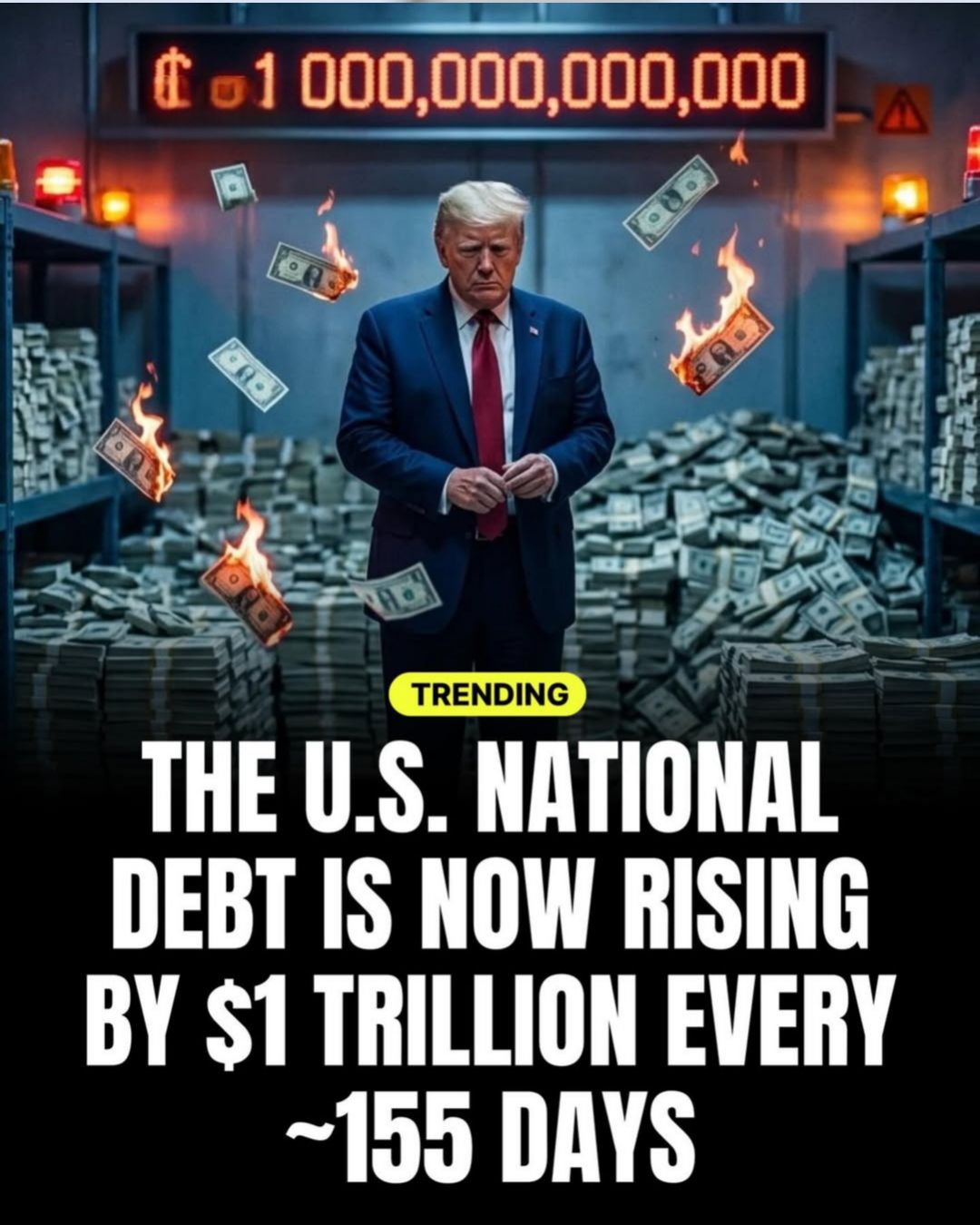
  • U.S. national debt has climbed to roughly $38.9 trillion as of March 2026, highlighting how rapidly government borrowing continues to grow.
    At the current pace, the debt is increasing by about $2.6 trillion per year — roughly $7.2 billion every single day.
    That means the government adds $1 trillion in new debt about every 155 days, reflecting expanding budget deficits as federal spending and borrowing continue to rise.
    Economists say rising debt levels are driven by several factors, including interest payments on existing debt, entitlement programs, defense spending, and broader fiscal policy decisions.
    Liked this content? Follow @Businessbulls.in for more!
    #Businessbulls #Economics #USDebt #Finance #GlobalEconomy
    U.S. national debt has climbed to roughly $38.9 trillion as of March 2026, highlighting how rapidly government borrowing continues to grow. At the current pace, the debt is increasing by about $2.6 trillion per year — roughly $7.2 billion every single day. That means the government adds $1 trillion in new debt about every 155 days, reflecting expanding budget deficits as federal spending and borrowing continue to rise. Economists say rising debt levels are driven by several factors, including interest payments on existing debt, entitlement programs, defense spending, and broader fiscal policy decisions. Liked this content? Follow @Businessbulls.in for more! #Businessbulls #Economics #USDebt #Finance #GlobalEconomy
    Like
    Love
    Wow
    3
    0 Comments 0 Shares 2K Views 0 Reviews
  • How Women Leaders Are Shaping a Disruptive Global Economy

    read more : https://bi-journal.com/women-leaders-are-shaping-global-economy/

    #WomenLeaders #GlobalEconomy #BIJournal #BIJournalnews #BusinessInsightsarticles #BIJournalinterview
    How Women Leaders Are Shaping a Disruptive Global Economy read more : https://bi-journal.com/women-leaders-are-shaping-global-economy/ #WomenLeaders #GlobalEconomy #BIJournal #BIJournalnews #BusinessInsightsarticles #BIJournalinterview
    BI-JOURNAL.COM
    How Women Leaders Are Shaping a Disruptive Global Economy
    Women leaders are reshaping modern business strategy, driving innovation, resilience, and competitive advantage, which is leading to global economic disruption.
    0 Comments 0 Shares 2K Views 0 Reviews
More Results