



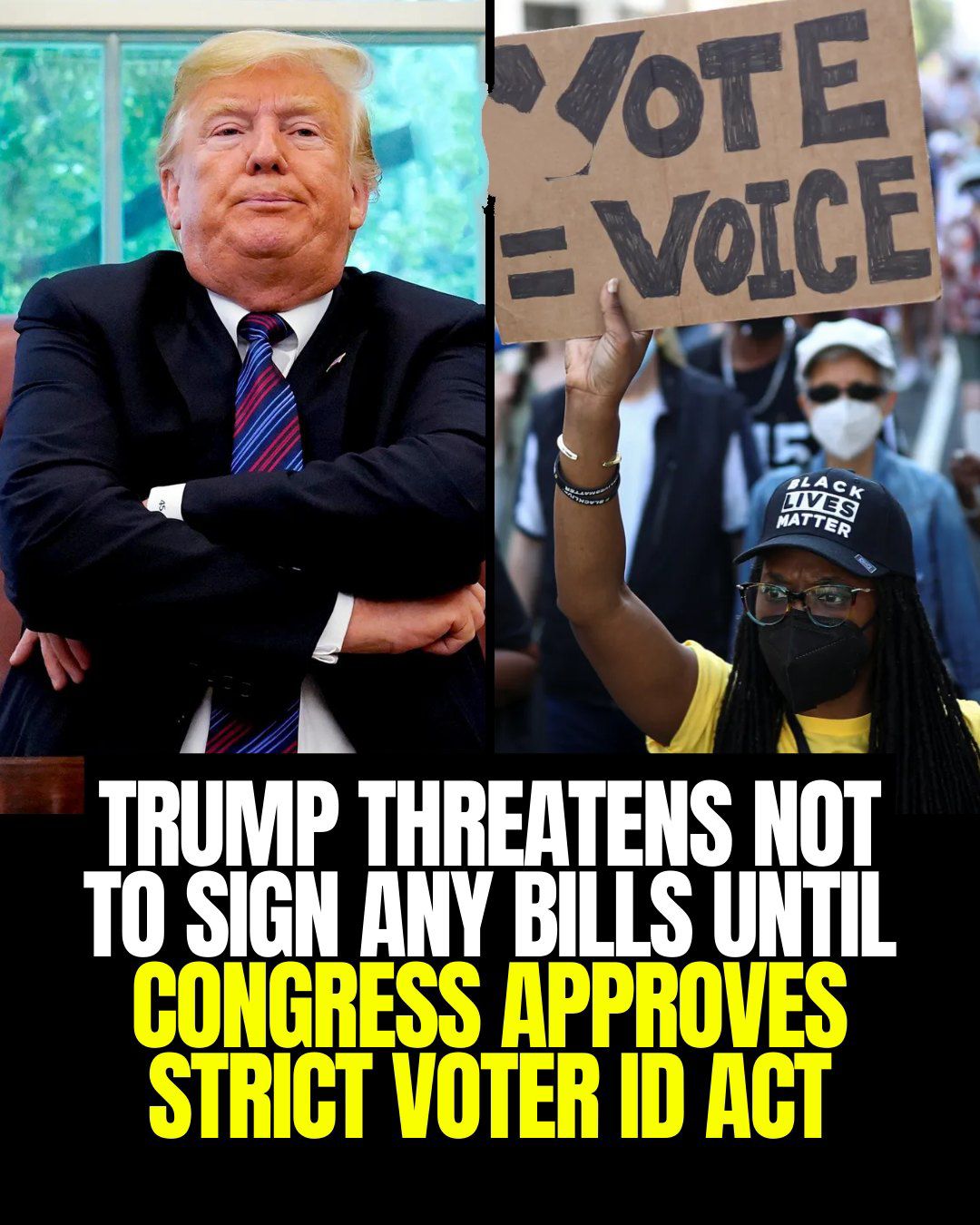
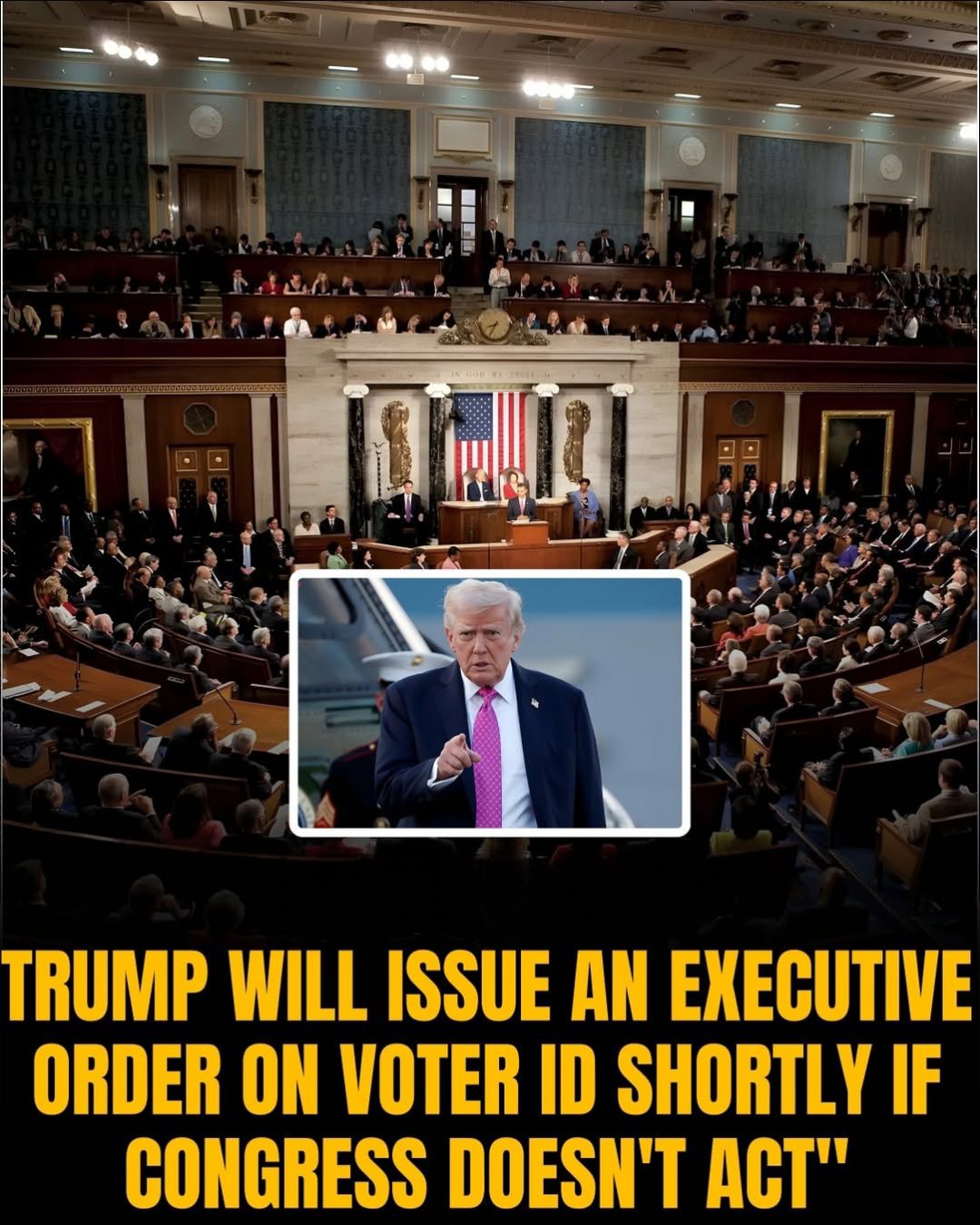
Donald Trump is pressuring Congress to pass the SAVE Act (Safeguard American Voter Eligibility Act) and has threatened to withhold support for other legislation until the bill is approved.
The proposal would require voters to provide documented proof of U.S. citizenship — such as a passport or birth certificate — when registering to vote. It would also introduce stricter voter identification requirements and place tighter limits on mail-in voting.
Supporters of the bill argue it is necessary to prevent non-citizens from voting in U.S. elections. However, critics say there is little evidence that non-citizen voting has affected election outcomes.
The legislation has already passed the House of Representatives but faces significant hurdles in the Senate, where it would likely need 60 votes to overcome a filibuster.
Opponents warn the measure could make voting more difficult for millions of eligible Americans. Many people do not have easy access to documents proving citizenship, and some birth certificates may not match current names, particularly for married women who changed their surnames. Voting rights groups also say the bill could restrict registration drives and allow lawsuits against election officials over registration disputes.
The debate over the SAVE Act reflects a broader national discussion about election security, voter access, and the balance between preventing fraud and protecting voting rights.
Source: The Guardian
#USPolitics #VotingRights #SAVEAct #ElectionLaw #Democracy
The proposal would require voters to provide documented proof of U.S. citizenship — such as a passport or birth certificate — when registering to vote. It would also introduce stricter voter identification requirements and place tighter limits on mail-in voting.
Supporters of the bill argue it is necessary to prevent non-citizens from voting in U.S. elections. However, critics say there is little evidence that non-citizen voting has affected election outcomes.
The legislation has already passed the House of Representatives but faces significant hurdles in the Senate, where it would likely need 60 votes to overcome a filibuster.
Opponents warn the measure could make voting more difficult for millions of eligible Americans. Many people do not have easy access to documents proving citizenship, and some birth certificates may not match current names, particularly for married women who changed their surnames. Voting rights groups also say the bill could restrict registration drives and allow lawsuits against election officials over registration disputes.
The debate over the SAVE Act reflects a broader national discussion about election security, voter access, and the balance between preventing fraud and protecting voting rights.
Source: The Guardian
#USPolitics #VotingRights #SAVEAct #ElectionLaw #Democracy
Donald Trump is pressuring Congress to pass the SAVE Act (Safeguard American Voter Eligibility Act) and has threatened to withhold support for other legislation until the bill is approved.
The proposal would require voters to provide documented proof of U.S. citizenship — such as a passport or birth certificate — when registering to vote. It would also introduce stricter voter identification requirements and place tighter limits on mail-in voting.
Supporters of the bill argue it is necessary to prevent non-citizens from voting in U.S. elections. However, critics say there is little evidence that non-citizen voting has affected election outcomes.
The legislation has already passed the House of Representatives but faces significant hurdles in the Senate, where it would likely need 60 votes to overcome a filibuster.
Opponents warn the measure could make voting more difficult for millions of eligible Americans. Many people do not have easy access to documents proving citizenship, and some birth certificates may not match current names, particularly for married women who changed their surnames. Voting rights groups also say the bill could restrict registration drives and allow lawsuits against election officials over registration disputes.
The debate over the SAVE Act reflects a broader national discussion about election security, voter access, and the balance between preventing fraud and protecting voting rights.
Source: The Guardian
#USPolitics #VotingRights #SAVEAct #ElectionLaw #Democracy



 Language
 English
 VN
VN
 French
 Spanish
 Portuguese
 Turkish
 Dutch
Dutch
 Italiano
 Russian
 Romaian
 Portuguese (Brazil)
 Greek
Greek
 Arabic