• Daily Nichijou meme #2922
    Daily Nichijou meme #2922
    Like
    Haha
    Love
    Wow
    7
    0 Comments 0 Shares 511 Views 0 Reviews
  • I'm a little redhead fucktoy who needs to be used and bred daily
    I'm a little redhead fucktoy who needs to be used and bred daily
    Like
    Yay
    Wow
    Love
    7
    0 Comments 0 Shares 27K Views 0 Reviews
  • You must be 18+ to view this content
  • Daily Nichijou meme #2921
    Daily Nichijou meme #2921
    Love
    Wow
    Haha
    Like
    13
    0 Comments 0 Shares 506 Views 0 Reviews
  • You must be 18+ to view this content
  • In 2011, Debbie Stevens, a 47-year-old mother from Long Island, made a life-changing decision . She offered to donate her kidney to help her boss, Jacqueline Brucia, who urgently needed a transplant. Although she wasn’t a direct match, Stevens still went ahead through a paired exchange program, donating her kidney to a stranger so her boss could receive one from another donor.

    The surgery in August 2011 came with serious complications . Stevens suffered nerve damage, chronic pain, and long-term health issues that made daily work difficult. Despite this, she returned to her job within weeks, feeling pressure to do so.

    According to her legal complaint, her workplace environment soon turned hostile. She alleged mistreatment, lack of medical accommodation, and increasing pressure despite her condition. Months later, in April 2012, she was fired.

    Stevens filed a discrimination case, and authorities found probable cause of a violation. The case was eventually settled privately in 2014.

    Despite everything, she said she never regretted saving a life—but questioned the cost of her kindness.

    In 2011, Debbie Stevens, a 47-year-old mother from Long Island, made a life-changing decision . She offered to donate her kidney to help her boss, Jacqueline Brucia, who urgently needed a transplant. Although she wasn’t a direct match, Stevens still went ahead through a paired exchange program, donating her kidney to a stranger so her boss could receive one from another donor. The surgery in August 2011 came with serious complications . Stevens suffered nerve damage, chronic pain, and long-term health issues that made daily work difficult. Despite this, she returned to her job within weeks, feeling pressure to do so. According to her legal complaint, her workplace environment soon turned hostile. She alleged mistreatment, lack of medical accommodation, and increasing pressure despite her condition. Months later, in April 2012, she was fired. Stevens filed a discrimination case, and authorities found probable cause of a violation. The case was eventually settled privately in 2014. Despite everything, she said she never regretted saving a life—but questioned the cost of her kindness.

    Like
    Love
    Haha
    Wow
    8
    0 Comments 0 Shares 53 Views 0 Reviews
  • A body reshaped until it became part of history

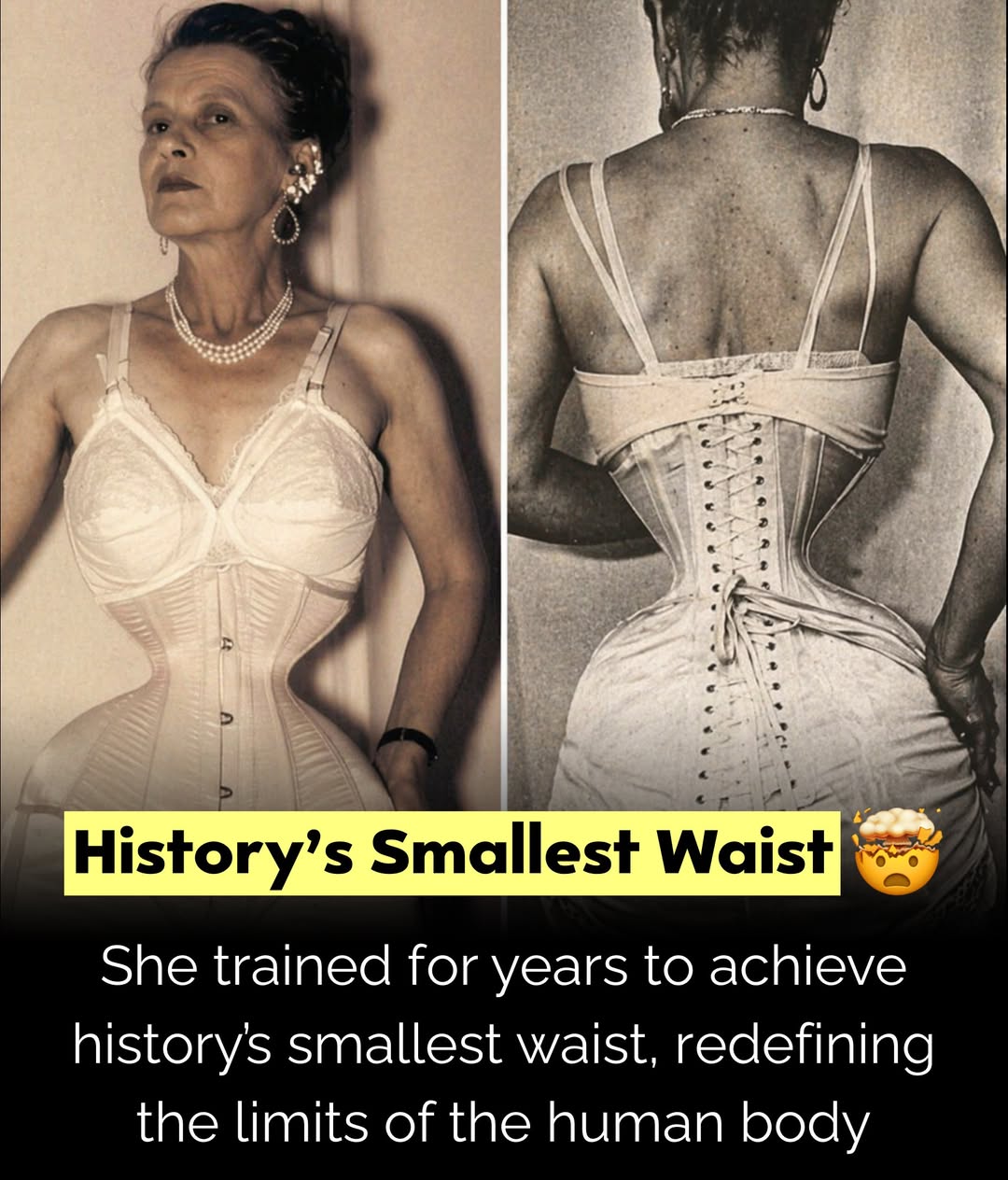
    Ethel Granger remains one of the most extreme and debated figures of the early 20th century. She holds the record for the smallest documented waist—just 13 inches . Born in England , she initially had no interest in corsetry. That changed after marrying William Arnold Granger, who admired tightly corseted waists. What began as a gesture to please him gradually became a strict daily routine .

    There was no sudden transformation—only years of discipline. Tight corsets worn consistently reshaped her body over time, permanently altering her appearance and physical function .

    Ethel also embraced a bold, avant-garde style , including high heels , piercings, and unconventional fashion choices far ahead of her time. She became a symbol in alternative fashion circles long before modern discussions on body modification began.

    Today, her story sparks mixed reactions —devotion for some, pressure for others. It raises deep questions about beauty standards, personal choice, and identity .
    A body reshaped until it became part of history Ethel Granger remains one of the most extreme and debated figures of the early 20th century. She holds the record for the smallest documented waist—just 13 inches . Born in England , she initially had no interest in corsetry. That changed after marrying William Arnold Granger, who admired tightly corseted waists. What began as a gesture to please him gradually became a strict daily routine . There was no sudden transformation—only years of discipline. Tight corsets worn consistently reshaped her body over time, permanently altering her appearance and physical function . Ethel also embraced a bold, avant-garde style , including high heels , piercings, and unconventional fashion choices far ahead of her time. She became a symbol in alternative fashion circles long before modern discussions on body modification began. Today, her story sparks mixed reactions —devotion for some, pressure for others. It raises deep questions about beauty standards, personal choice, and identity .
    Wow
    Like
    Love
    Haha
    11
    0 Comments 0 Shares 54 Views 0 Reviews
  • You must be 18+ to view this content
  • Daily Nichijou meme #2920
    Daily Nichijou meme #2920
    Like
    Love
    Haha
    Wow
    8
    0 Comments 0 Shares 506 Views 0 Reviews
  • You must be 18+ to view this content
  • You must be 18+ to view this content
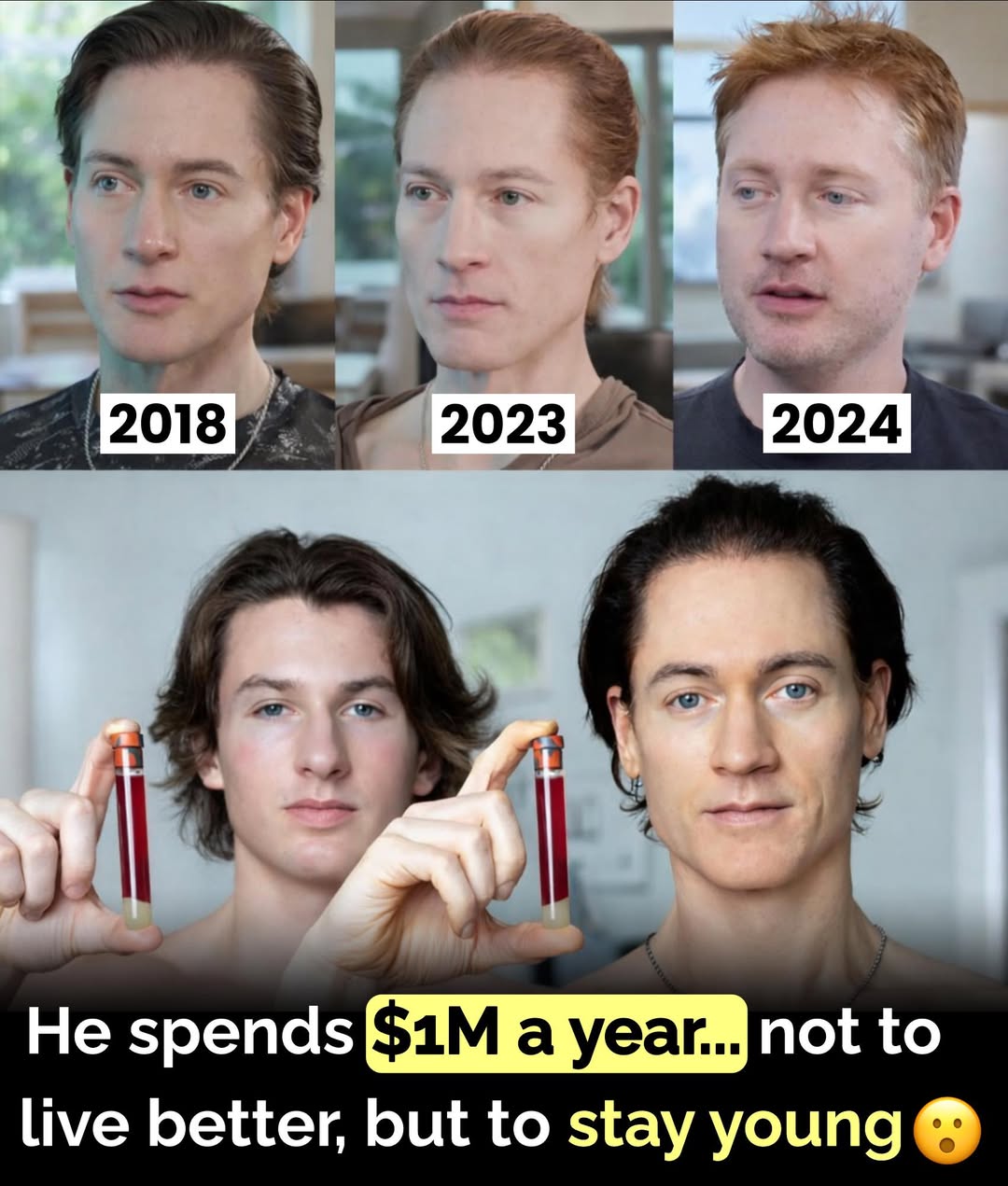
  • At 48, Bryan Johnson isn’t living a normal life—he’s turned his body into a full-time experiment to slow aging. His days are tightly controlled: waking early, eating on schedule, tracking every calorie, step, and hour of sleep, all guided by data, not instinct. He takes over 100 supplements daily, while a team of 30 doctors constantly monitors his heart, skin, lungs, and more—treating his body like a system to optimize.

    He even tried plasma transfusions from his teenage son to reverse aging at a cellular level, though he later stopped due to unclear results. Still, his data claims his body now functions much younger—heart of a 30s man, younger skin, and high lung capacity. Some see fear of aging; he sees a mission. He’s not escaping death—he’s testing life’s limits. The real question: is this the future of health… or something we don’t fully understand yet?
    At 48, Bryan Johnson isn’t living a normal life—he’s turned his body into a full-time experiment to slow aging. His days are tightly controlled: waking early, eating on schedule, tracking every calorie, step, and hour of sleep, all guided by data, not instinct. He takes over 100 supplements daily, while a team of 30 doctors constantly monitors his heart, skin, lungs, and more—treating his body like a system to optimize. He even tried plasma transfusions from his teenage son to reverse aging at a cellular level, though he later stopped due to unclear results. Still, his data claims his body now functions much younger—heart of a 30s man, younger skin, and high lung capacity. Some see fear of aging; he sees a mission. He’s not escaping death—he’s testing life’s limits. The real question: is this the future of health… or something we don’t fully understand yet?
    Like
    Wow
    Love
    Haha
    6
    0 Comments 0 Shares 74 Views 0 Reviews
More Results