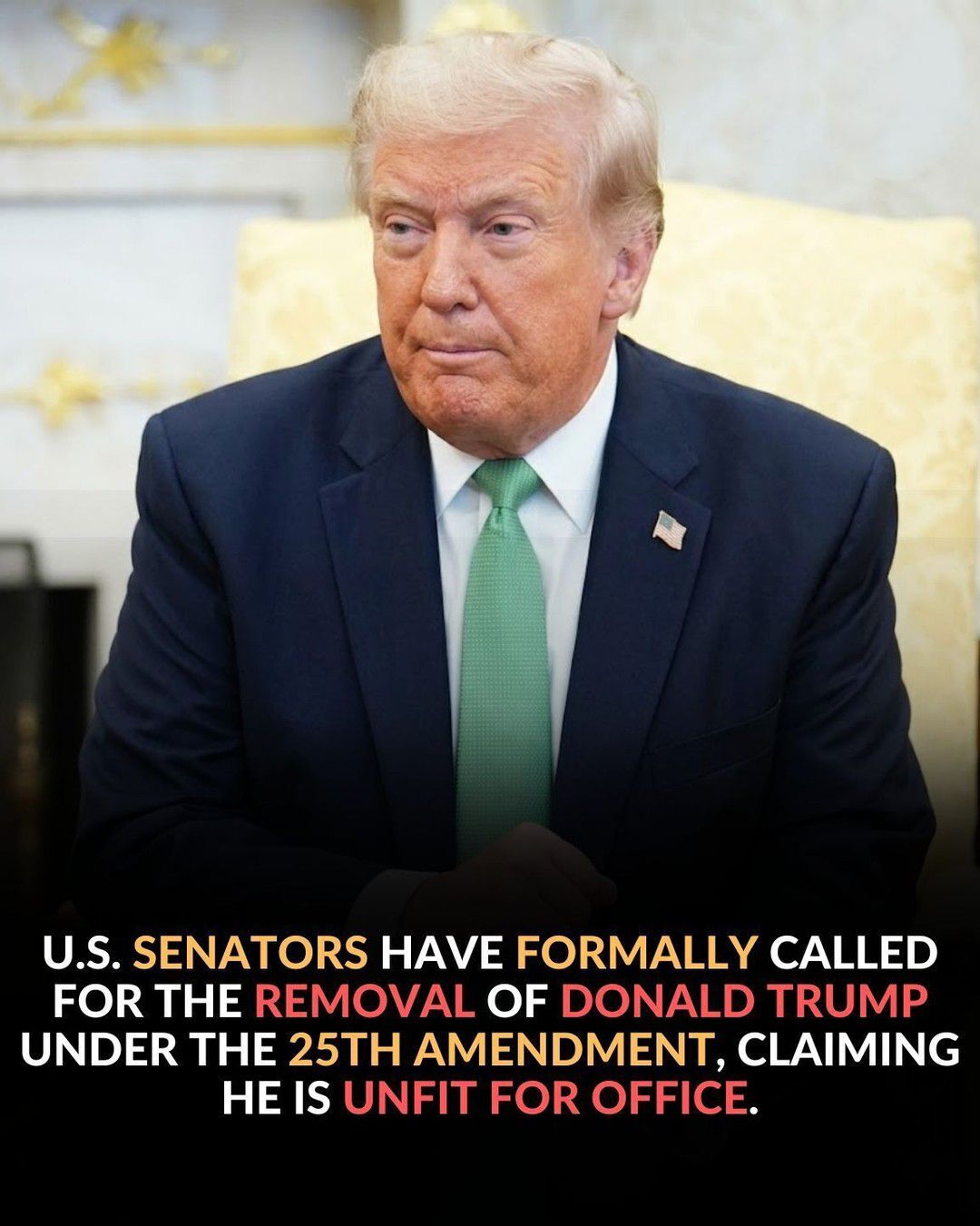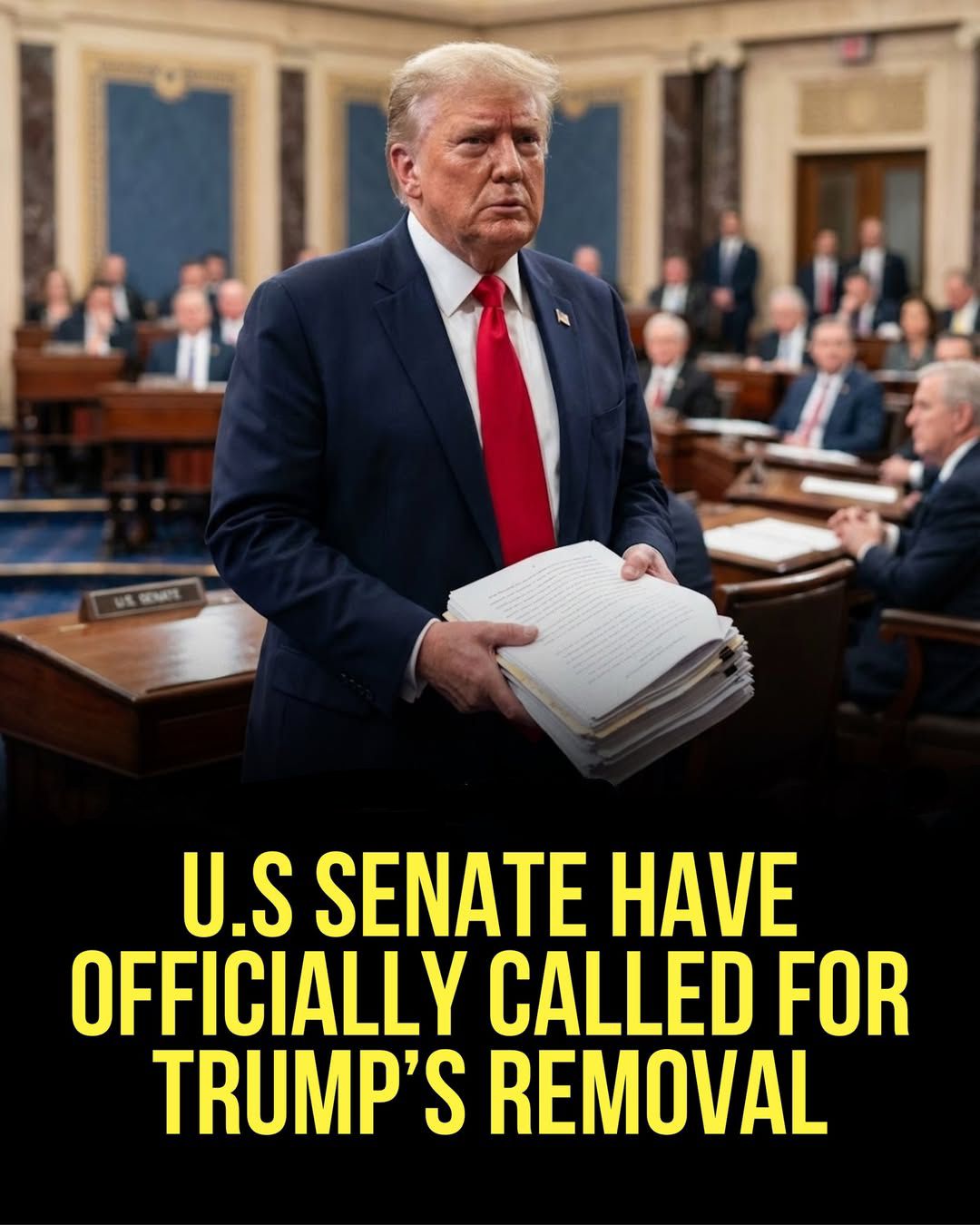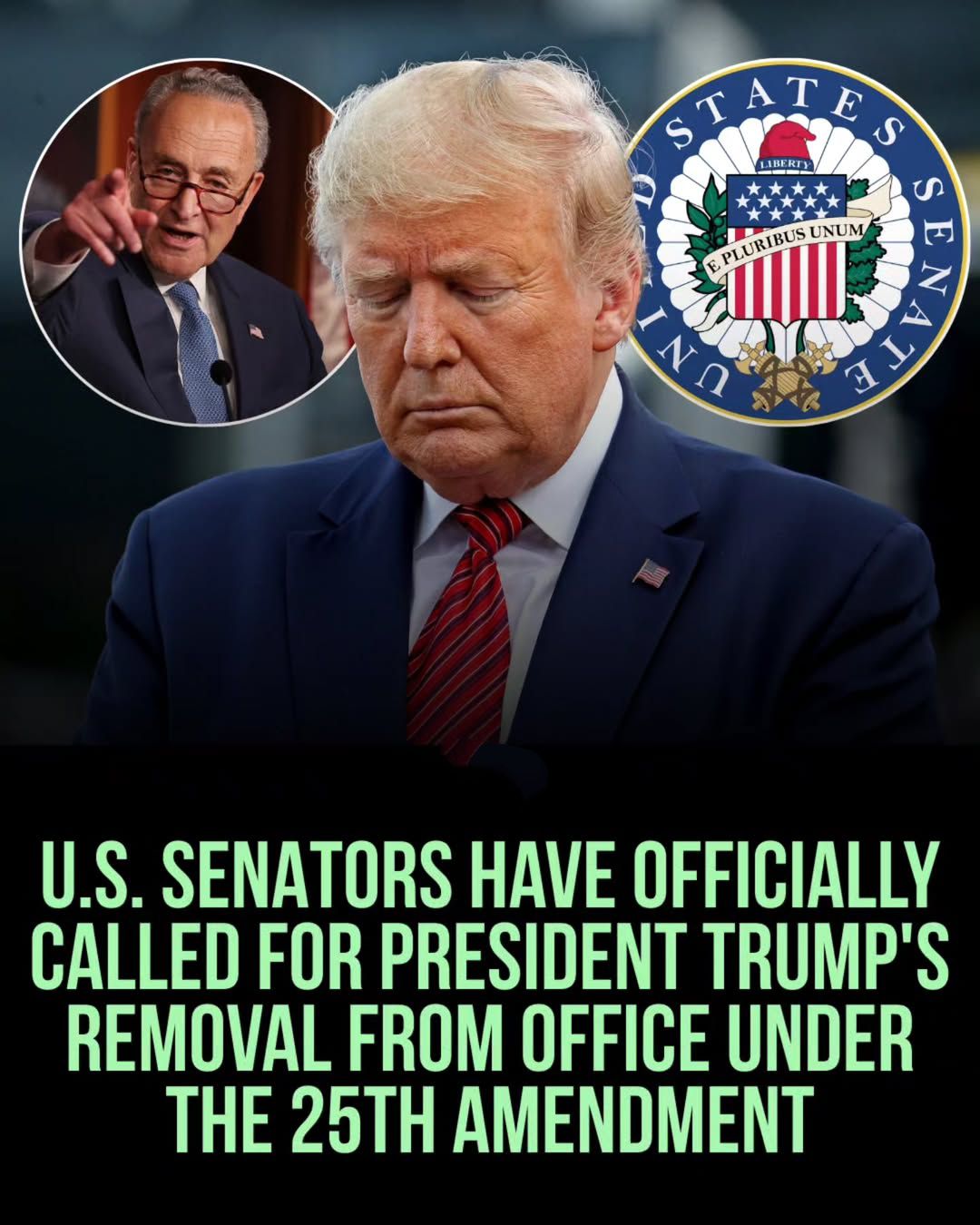

• The political temperature is rising as several U.S. senators have reportedly moved to invoke the Twenty-fifth Amendment to the United States Constitution, a rare and serious constitutional mechanism used when a president is believed to be unable to carry out the duties of the office. Such a move signals significant concern within United States Congress, as the amendment is typically reserved for extreme situations involving incapacity rather than political disagreement.
    Invoking the 25th Amendment would require coordination with the vice president and a majority of the Cabinet, making it a complex and high-threshold process. The discussion reflects not just policy disputes, but deeper questions about leadership, stability, and constitutional responsibility during a period of heightened political tension in the United States.
    #BreakingNews #25thAmendment #USPolitics #Congress #Constitution #PoliticalCrisis

    The political temperature is rising as several U.S. senators have reportedly moved to invoke the Twenty-fifth Amendment to the United States Constitution, a rare and serious constitutional mechanism used when a president is believed to be unable to carry out the duties of the office. Such a move signals significant concern within United States Congress, as the amendment is typically reserved for extreme situations involving incapacity rather than political disagreement. Invoking the 25th Amendment would require coordination with the vice president and a majority of the Cabinet, making it a complex and high-threshold process. The discussion reflects not just policy disputes, but deeper questions about leadership, stability, and constitutional responsibility during a period of heightened political tension in the United States. #BreakingNews #25thAmendment #USPolitics #Congress #Constitution #PoliticalCrisis
    Like
    Love
    Wow
    3
    0 Комментарии 0 Поделились 780 Просмотры 0 предпросмотр
  • Claims that U.S. senators are calling for the removal of Donald Trump under the Twenty-fifth Amendment to the United States Constitution have sparked discussion — but it’s important to understand how the process actually works.
    The 25th Amendment does not allow Congress alone to remove a president. Instead, it requires the vice president and a majority of the cabinet to declare that the president is unable to carry out their duties. Congress then plays a role if the president contests that decision, but it cannot initiate removal by itself.
    Because of that high threshold, public or political calls — even from lawmakers — do not automatically trigger the process. They are typically part of broader political debate about leadership, accountability, and governance.
    Discussions like this highlight the checks and balances built into the United States Constitution, while also reflecting how intense and polarized political discourse can become during contentious periods
    #USPolitics #Trump #25thAmendment #Constitution #PoliticalDebate #Democracy #ChecksAndBalances #StayInformed
    Claims that U.S. senators are calling for the removal of Donald Trump under the Twenty-fifth Amendment to the United States Constitution have sparked discussion — but it’s important to understand how the process actually works. The 25th Amendment does not allow Congress alone to remove a president. Instead, it requires the vice president and a majority of the cabinet to declare that the president is unable to carry out their duties. Congress then plays a role if the president contests that decision, but it cannot initiate removal by itself. Because of that high threshold, public or political calls — even from lawmakers — do not automatically trigger the process. They are typically part of broader political debate about leadership, accountability, and governance. Discussions like this highlight the checks and balances built into the United States Constitution, while also reflecting how intense and polarized political discourse can become during contentious periods #USPolitics #Trump #25thAmendment #Constitution #PoliticalDebate #Democracy #ChecksAndBalances #StayInformed
    Like
    Love
    Wow
    3
    0 Комментарии 0 Поделились 623 Просмотры 0 предпросмотр
  • In recent political developments, some senators have publicly discussed the possibility of invoking the Twenty-fifth Amendment to the United States Constitution in relation to Donald Trump, though no official Senate vote to remove him has taken place. A few Democratic lawmakers, including Ed Markey, have argued that certain presidential actions and rhetoric raise concerns about leadership capacity, urging consideration of the constitutional mechanism that allows power to transfer to the vice president if a president is deemed unable to discharge the duties of office. Ratified in 1967, the 25th Amendment requires the vice president and a majority of the Cabinet to formally declare such inability, with Congress potentially playing a decisive role if the matter is contested. Historically, the amendment has been used only for temporary transfers of power during medical procedures, never to permanently remove a sitting president for capacity concerns. Supporters frame discussion of the amendment as safeguarding democratic stability, while critics describe the push as partisan and emphasize that the constitutional threshold is exceptionally high and politically difficult to achieve without broad bipartisan agreement.
    #USPolitics #25thAmendment #Congress #Constitution #WhiteHouse #PoliticalNews #Democracy
    In recent political developments, some senators have publicly discussed the possibility of invoking the Twenty-fifth Amendment to the United States Constitution in relation to Donald Trump, though no official Senate vote to remove him has taken place. A few Democratic lawmakers, including Ed Markey, have argued that certain presidential actions and rhetoric raise concerns about leadership capacity, urging consideration of the constitutional mechanism that allows power to transfer to the vice president if a president is deemed unable to discharge the duties of office. Ratified in 1967, the 25th Amendment requires the vice president and a majority of the Cabinet to formally declare such inability, with Congress potentially playing a decisive role if the matter is contested. Historically, the amendment has been used only for temporary transfers of power during medical procedures, never to permanently remove a sitting president for capacity concerns. Supporters frame discussion of the amendment as safeguarding democratic stability, while critics describe the push as partisan and emphasize that the constitutional threshold is exceptionally high and politically difficult to achieve without broad bipartisan agreement. #USPolitics #25thAmendment #Congress #Constitution #WhiteHouse #PoliticalNews #Democracy
    Like
    Love
    Wow
    3
    0 Комментарии 0 Поделились 3Кб Просмотры 0 предпросмотр
  • Political tensions are rising after a senator publicly suggested exploring action under the Twenty-fifth Amendment to the United States Constitution in relation to Donald Trump.
    The 25th Amendment provides a constitutional process for the temporary or permanent transfer of presidential powers if a president is deemed unable to carry out the duties of the office. However, invoking it sets an exceptionally high threshold. It requires the vice president and a majority of the Cabinet to formally declare incapacity. If the president contests that determination, Congress must then approve the action with a two-thirds vote in both the House and Senate. Historically, the amendment has primarily been used for short-term medical situations rather than political disagreements.
    Legal scholars and constitutional experts note that without clear and documented incapacity, any attempt to apply the amendment would face steep constitutional, political, and institutional hurdles. Because it directly affects executive authority and presidential succession, even raising the possibility often sparks intense bipartisan reactions.
    As election cycles approach and rhetoric intensifies, constitutional mechanisms like the 25th Amendment frequently reenter public debate — sometimes as political messaging, sometimes as serious institutional discussion. Ultimately, any real movement would depend not on public calls alone, but on formal action within the executive branch and Congress.
    #USPolitics #25thAmendment #Constitution #ExecutivePower #PoliticalDebate
    Political tensions are rising after a senator publicly suggested exploring action under the Twenty-fifth Amendment to the United States Constitution in relation to Donald Trump. The 25th Amendment provides a constitutional process for the temporary or permanent transfer of presidential powers if a president is deemed unable to carry out the duties of the office. However, invoking it sets an exceptionally high threshold. It requires the vice president and a majority of the Cabinet to formally declare incapacity. If the president contests that determination, Congress must then approve the action with a two-thirds vote in both the House and Senate. Historically, the amendment has primarily been used for short-term medical situations rather than political disagreements. Legal scholars and constitutional experts note that without clear and documented incapacity, any attempt to apply the amendment would face steep constitutional, political, and institutional hurdles. Because it directly affects executive authority and presidential succession, even raising the possibility often sparks intense bipartisan reactions. As election cycles approach and rhetoric intensifies, constitutional mechanisms like the 25th Amendment frequently reenter public debate — sometimes as political messaging, sometimes as serious institutional discussion. Ultimately, any real movement would depend not on public calls alone, but on formal action within the executive branch and Congress. #USPolitics #25thAmendment #Constitution #ExecutivePower #PoliticalDebate
    Like
    Love
    Wow
    3
    0 Комментарии 0 Поделились 3Кб Просмотры 0 предпросмотр