
• Massachusetts Congressman Jake Auchincloss didn’t hold back during a CNN interview, labeling the current situation “Operation Epic Failure.” He argued that former President Donald Trump is heading down a path that could define his presidency negatively, warning that it risks becoming a historic misstep in U.S. foreign policy.
    Trump supporters have pushed back, calling the criticism politically motivated, while others see it as a legitimate concern over unfolding events. The exchange has intensified public debate, highlighting high stakes in US foreign policy and escalating political rhetoric.
    #JakeAuchincloss #DonaldTrump #Politics #USNews #BreakingNews #ForeignPolicy #Military #Geopolitics #NationalSecurity #PoliticalDebate #CurrentEvents #America #TrendingNow #ViralNews
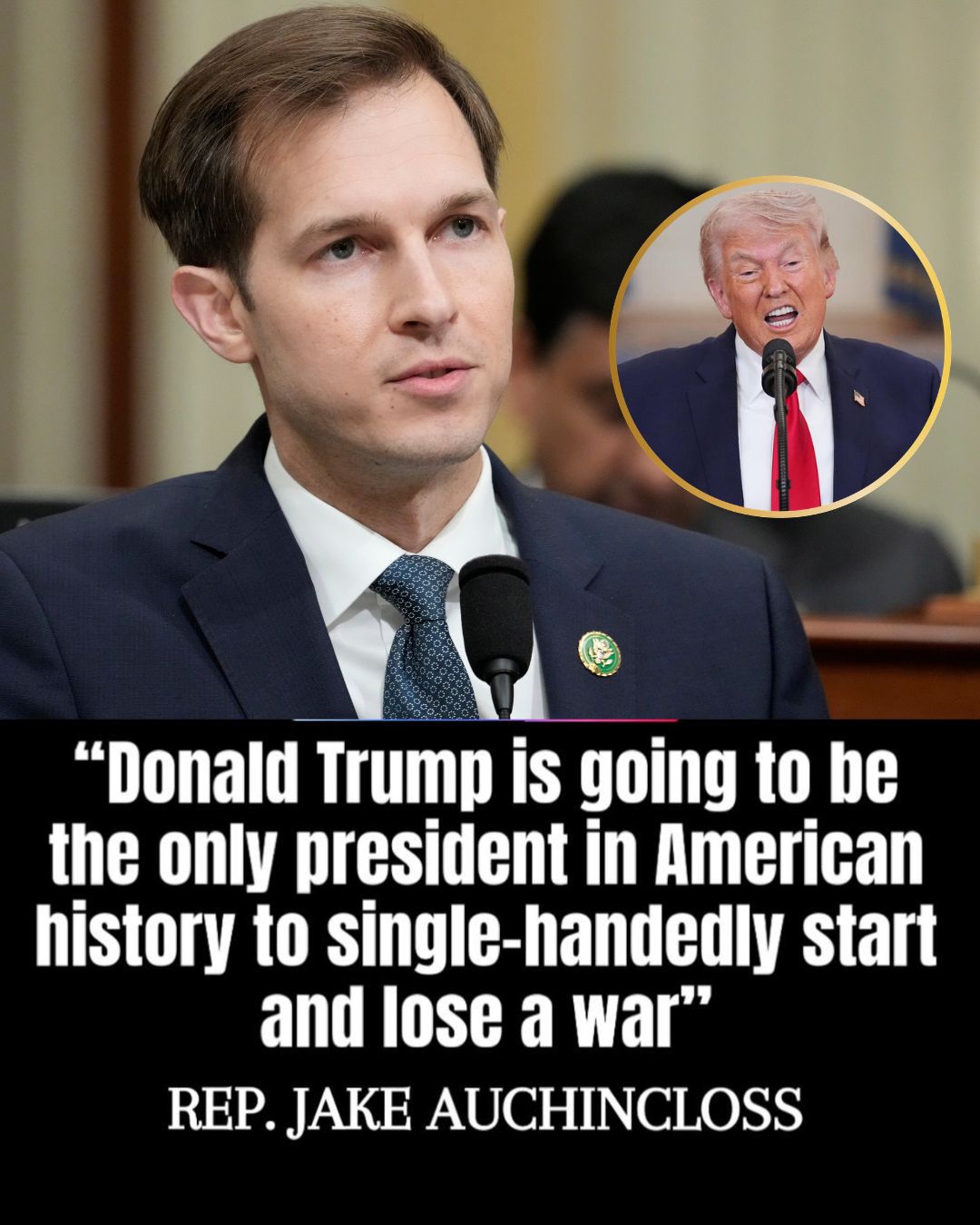
    Massachusetts Congressman Jake Auchincloss didn’t hold back during a CNN interview, labeling the current situation “Operation Epic Failure.” He argued that former President Donald Trump is heading down a path that could define his presidency negatively, warning that it risks becoming a historic misstep in U.S. foreign policy. Trump supporters have pushed back, calling the criticism politically motivated, while others see it as a legitimate concern over unfolding events. The exchange has intensified public debate, highlighting high stakes in US foreign policy and escalating political rhetoric. #JakeAuchincloss #DonaldTrump #Politics #USNews #BreakingNews #ForeignPolicy #Military #Geopolitics #NationalSecurity #PoliticalDebate #CurrentEvents #America #TrendingNow #ViralNews
    Like
    Love
    Wow
    3
    0 Comments 0 Shares 2K Views 0 Reviews
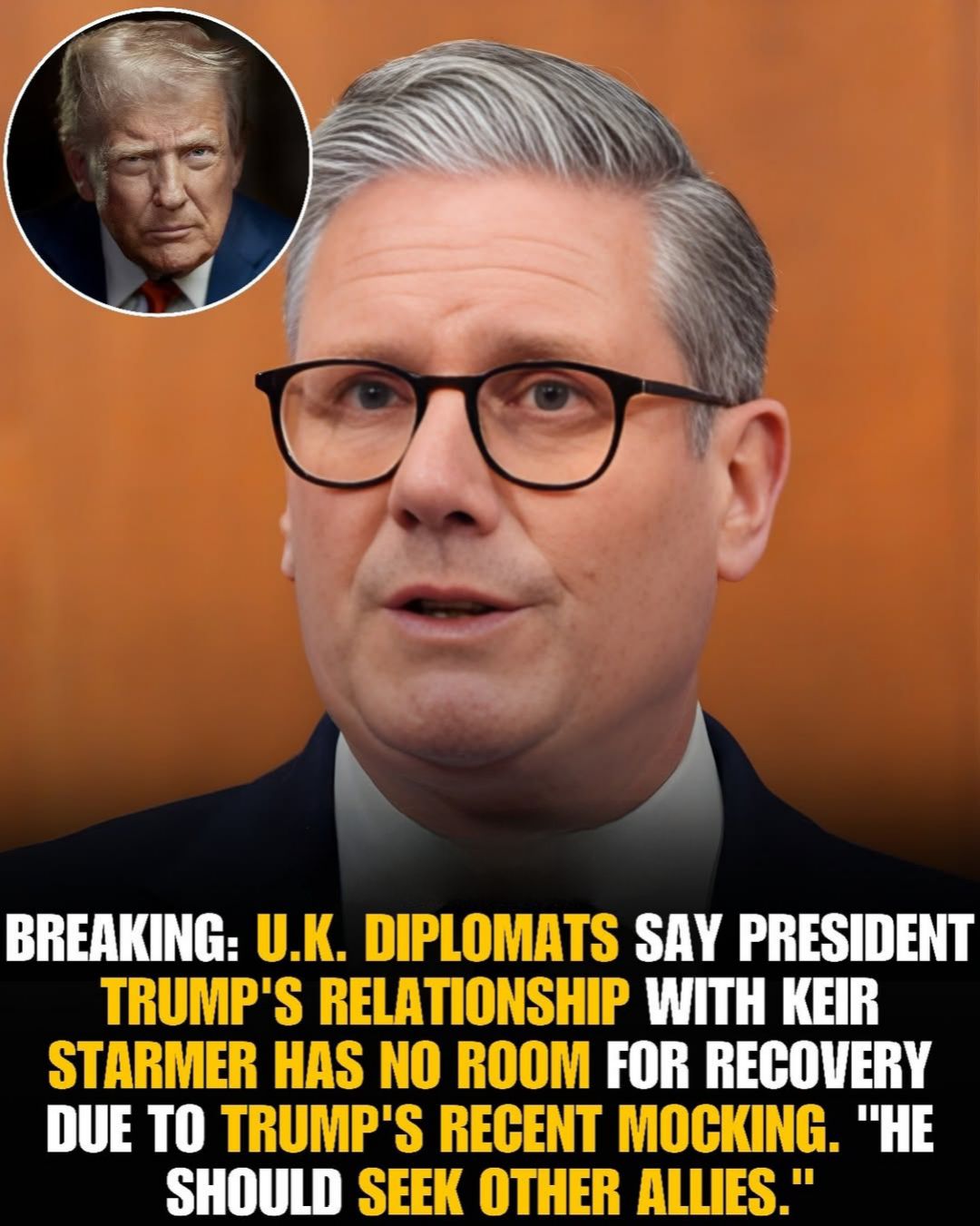
  • Reports from British diplomatic circles suggest that tensions between Donald Trump and UK Prime Minister Keir Starmer have reached a serious low point, with some officials describing the relationship as effectively broken. The strain reportedly intensified after public remarks and criticism, raising concerns about the future of the long-standing U.S.–UK “special relationship.”
    According to these claims, UK officials may now be considering a broader strategy—strengthening ties with other global partners to reduce reliance on Washington during a period of uncertainty. However, situations like this can evolve quickly, and diplomatic relationships often shift behind the scenes.
    For now, the developments highlight growing tension at the top level of international politics and the delicate balance of alliances in a changing global landscape.
    #TrumpStarmer #UKPolitics #USForeignPolicy #BreakingNews #Geopolitics
    Reports from British diplomatic circles suggest that tensions between Donald Trump and UK Prime Minister Keir Starmer have reached a serious low point, with some officials describing the relationship as effectively broken. The strain reportedly intensified after public remarks and criticism, raising concerns about the future of the long-standing U.S.–UK “special relationship.” According to these claims, UK officials may now be considering a broader strategy—strengthening ties with other global partners to reduce reliance on Washington during a period of uncertainty. However, situations like this can evolve quickly, and diplomatic relationships often shift behind the scenes. For now, the developments highlight growing tension at the top level of international politics and the delicate balance of alliances in a changing global landscape. #TrumpStarmer #UKPolitics #USForeignPolicy #BreakingNews #Geopolitics
    Like
    Love
    Wow
    3
    0 Comments 0 Shares 1K Views 0 Reviews
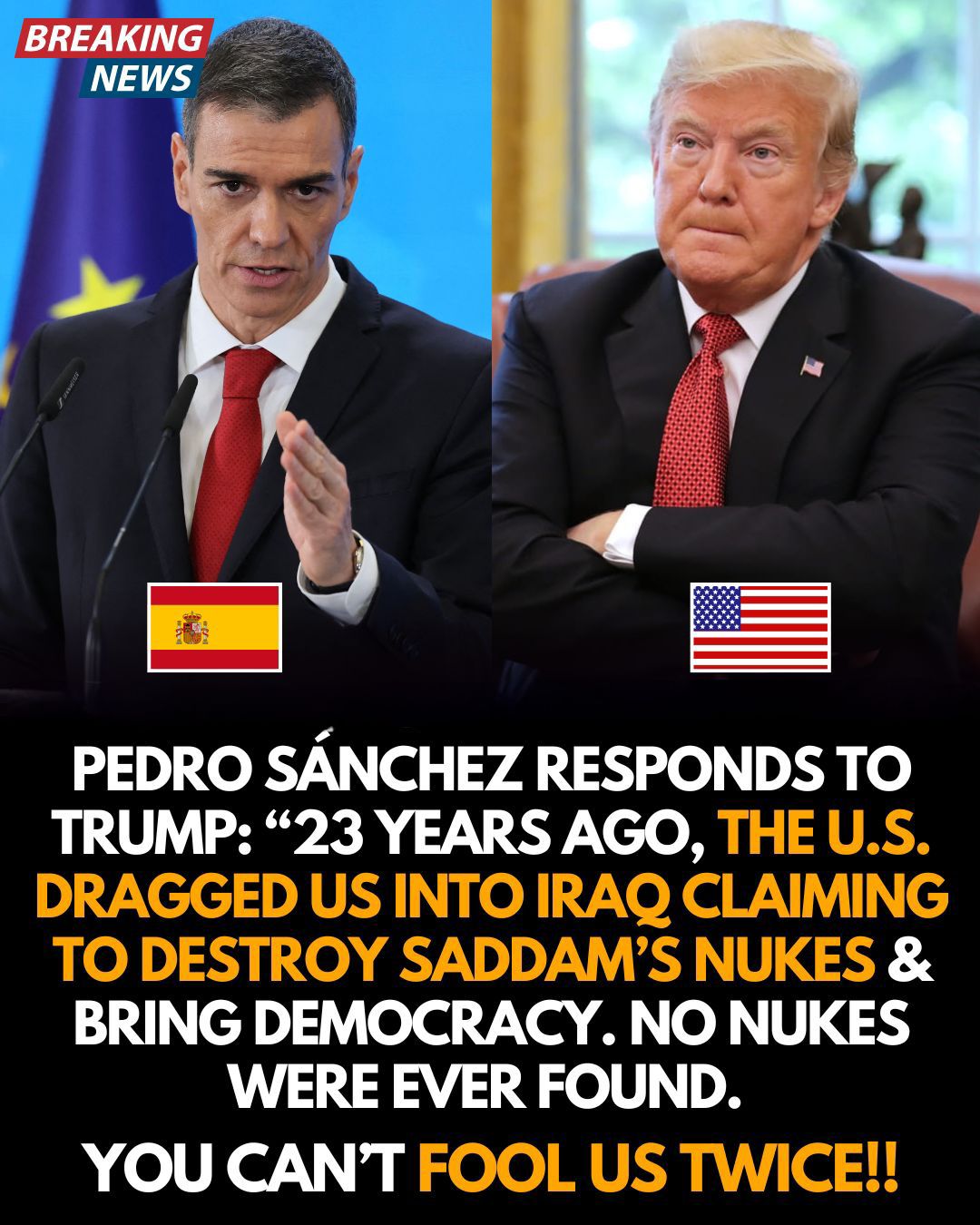
  • Prime Minister Pedro Sánchez has invoked the legacy of the 2003 Iraq War to justify Spain's firm refusal to support the current U.S.-led military offensive against Iran. Recalling the "No to War" movement that defined Spanish politics over two decades ago, Sánchez criticized the reliance on intelligence-led interventions that lack international legal backing. The Prime Minister’s remarks follow a significant diplomatic rift after Spain barred U.S. aircraft from using its military bases at Rota and Morón for strikes in the Persian Gulf. By drawing a direct line to the "unjust war" in Iraq, the Spanish government is positioning itself as a primary European antagonist to the "maximum pressure" strategy. Sánchez emphasized that Spain will not be "complicit" in a conflict he believes will lead to further regional instability and a surge in global terrorism. This stance has already triggered threats of a total trade embargo from the White House, which has labeled Spain a "terrible ally." Despite these economic pressures, the Spanish administration maintains that "blind and servile obedience" is not a substitute for leadership. The government has instead called for a return to diplomacy and the UN Charter to resolve the ongoing maritime and nuclear disputes with Tehran. As tensions within NATO continue to widen, Sánchez’s "No to War" revival has resonated with anti-war demonstrators across Europe. The world is watching to see if Spain's defiance will influence other EU members to reconsider their level of support for the ongoing aerial and land war. #PedroSanchez #NoToWar #ForeignPolicy #NATO #InternationalLaw
    Prime Minister Pedro Sánchez has invoked the legacy of the 2003 Iraq War to justify Spain's firm refusal to support the current U.S.-led military offensive against Iran. Recalling the "No to War" movement that defined Spanish politics over two decades ago, Sánchez criticized the reliance on intelligence-led interventions that lack international legal backing. The Prime Minister’s remarks follow a significant diplomatic rift after Spain barred U.S. aircraft from using its military bases at Rota and Morón for strikes in the Persian Gulf. By drawing a direct line to the "unjust war" in Iraq, the Spanish government is positioning itself as a primary European antagonist to the "maximum pressure" strategy. Sánchez emphasized that Spain will not be "complicit" in a conflict he believes will lead to further regional instability and a surge in global terrorism. This stance has already triggered threats of a total trade embargo from the White House, which has labeled Spain a "terrible ally." Despite these economic pressures, the Spanish administration maintains that "blind and servile obedience" is not a substitute for leadership. The government has instead called for a return to diplomacy and the UN Charter to resolve the ongoing maritime and nuclear disputes with Tehran. As tensions within NATO continue to widen, Sánchez’s "No to War" revival has resonated with anti-war demonstrators across Europe. The world is watching to see if Spain's defiance will influence other EU members to reconsider their level of support for the ongoing aerial and land war. #PedroSanchez #NoToWar #ForeignPolicy #NATO #InternationalLaw
    Like
    Love
    Wow
    3
    0 Comments 0 Shares 2K Views 0 Reviews
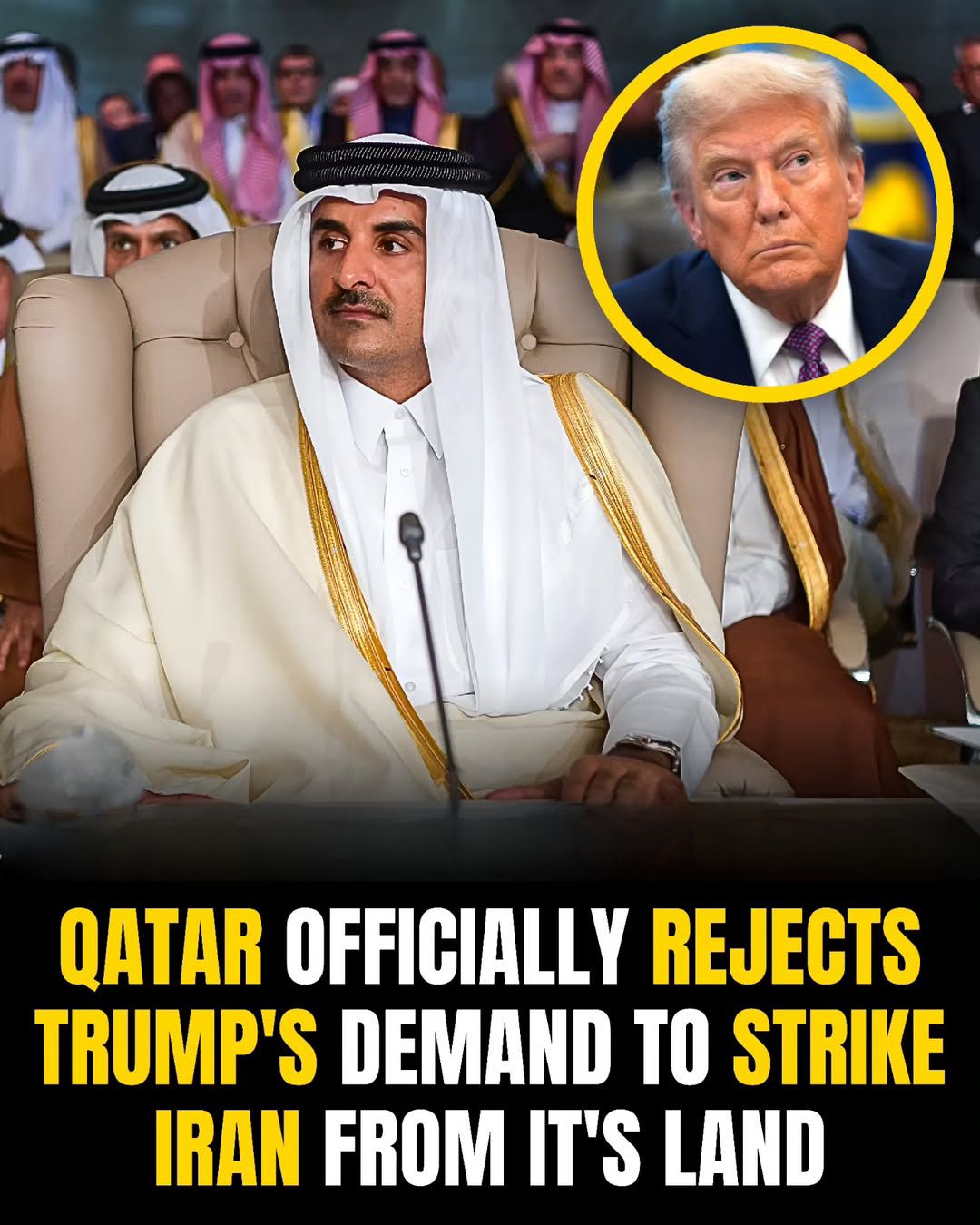
  • Qatar has officially refused to allow its territory or airspace to be used for any U.S. military strikes against Iran. Despite its role as host to the Al-Udeid Air Base, the largest U.S. military facility in the Middle East, Qatar is prioritizing regional stability to avoid being drawn into a devastating direct conflict.

    This firm stance follows reports of intense pressure from President Trump, who warned of severe consequences if the region escalates further. Tensions peaked after claims that Iran targeted Qatari territory in retaliation for Israeli actions, leading Trump to threaten the destruction of the shared South Pars/North Field gas deposit—the world’s largest natural gas field—if Qatar is attacked again.

    For Qatar, the situation is a high-stakes diplomatic balancing act. By rejecting the demand to facilitate strikes, they are protecting their critical energy infrastructure and maintaining their position as a neutral mediator. The move highlights a growing divide between U.S. military strategy and the security concerns of its Gulf allies.

    #Qatar #IranCrisis #MiddleEastTensions #USForeignPolicy #Geopolitics
    Qatar has officially refused to allow its territory or airspace to be used for any U.S. military strikes against Iran. Despite its role as host to the Al-Udeid Air Base, the largest U.S. military facility in the Middle East, Qatar is prioritizing regional stability to avoid being drawn into a devastating direct conflict. This firm stance follows reports of intense pressure from President Trump, who warned of severe consequences if the region escalates further. Tensions peaked after claims that Iran targeted Qatari territory in retaliation for Israeli actions, leading Trump to threaten the destruction of the shared South Pars/North Field gas deposit—the world’s largest natural gas field—if Qatar is attacked again. For Qatar, the situation is a high-stakes diplomatic balancing act. By rejecting the demand to facilitate strikes, they are protecting their critical energy infrastructure and maintaining their position as a neutral mediator. The move highlights a growing divide between U.S. military strategy and the security concerns of its Gulf allies. #Qatar #IranCrisis #MiddleEastTensions #USForeignPolicy #Geopolitics
    Like
    Love
    Wow
    3
    0 Comments 0 Shares 1K Views 0 Reviews
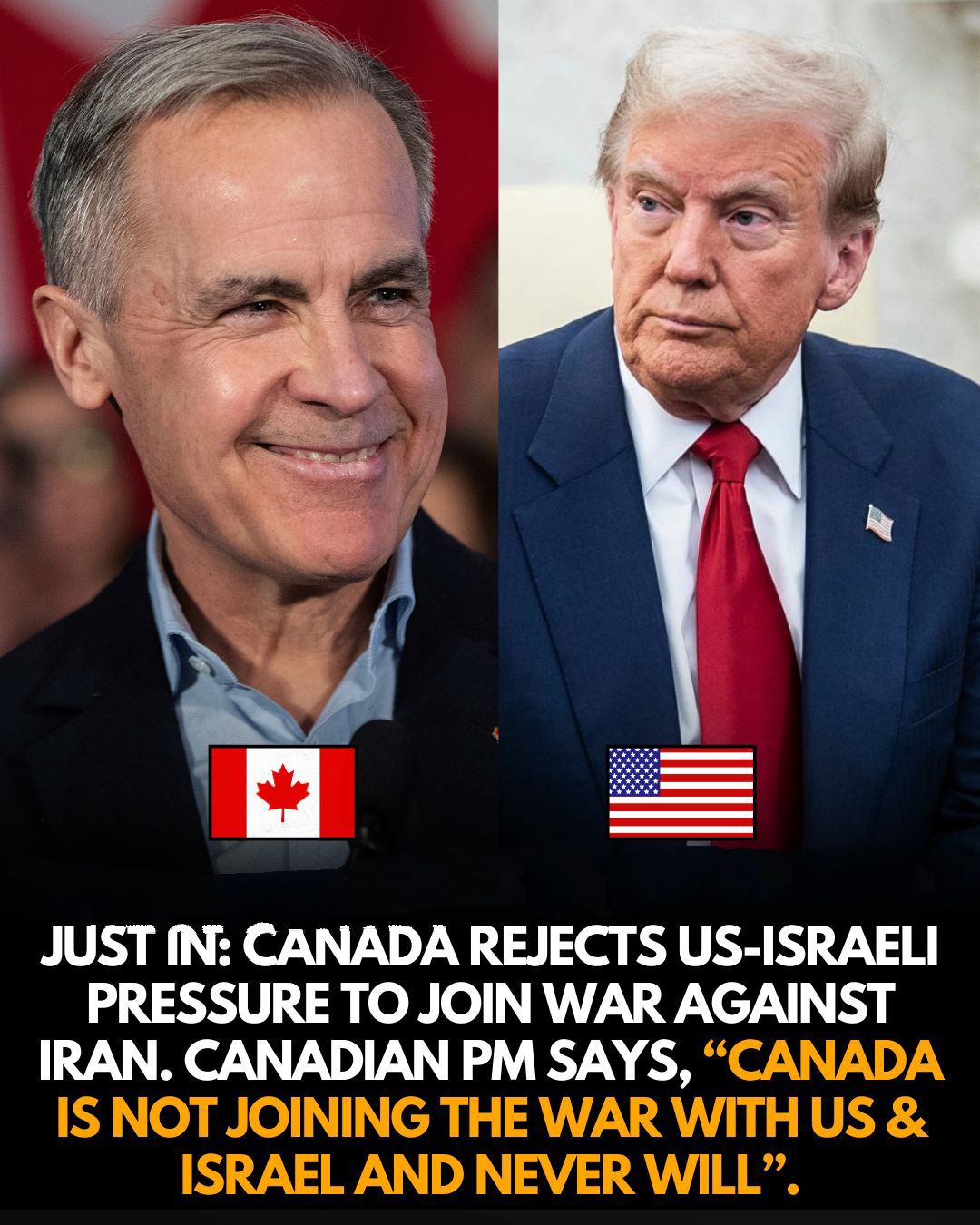
  • Canada has declined requests to provide military support for the ongoing conflict involving Iran, signaling a notable difference in approach from some of its Western allies.

    The Canadian government says its current priority is diplomacy and de-escalation, emphasizing that Canada does not plan to take part in direct combat operations related to the conflict at this time.

    The decision highlights a broader debate among Western allies about the long-term risks of a wider regional war in the Middle East. By staying out of the military coalition, Canada may instead focus on diplomatic engagement, humanitarian support, and efforts to reduce tensions.

    Security analysts note that Canada has historically been a key partner in international missions alongside NATO allies, so the decision could affect coordination on certain military or logistical fronts. However, officials in Ottawa say the move reflects Canada’s assessment of its national interests and strategic priorities.

    The response from global leaders has been mixed. Some observers see the stance as an example of independent foreign policy, while others warn it could add strain to long-standing defense partnerships.

    As the situation evolves, Canada is expected to concentrate on domestic security and potential humanitarian or economic assistance related to the broader regional crisis.

    #BreakingNews #Canada #Geopolitics #IranConflict #ForeignPolicy #WorldNews
    Canada has declined requests to provide military support for the ongoing conflict involving Iran, signaling a notable difference in approach from some of its Western allies. The Canadian government says its current priority is diplomacy and de-escalation, emphasizing that Canada does not plan to take part in direct combat operations related to the conflict at this time. The decision highlights a broader debate among Western allies about the long-term risks of a wider regional war in the Middle East. By staying out of the military coalition, Canada may instead focus on diplomatic engagement, humanitarian support, and efforts to reduce tensions. Security analysts note that Canada has historically been a key partner in international missions alongside NATO allies, so the decision could affect coordination on certain military or logistical fronts. However, officials in Ottawa say the move reflects Canada’s assessment of its national interests and strategic priorities. The response from global leaders has been mixed. Some observers see the stance as an example of independent foreign policy, while others warn it could add strain to long-standing defense partnerships. As the situation evolves, Canada is expected to concentrate on domestic security and potential humanitarian or economic assistance related to the broader regional crisis. #BreakingNews #Canada #Geopolitics #IranConflict #ForeignPolicy #WorldNews
    Like
    Love
    Wow
    3
    0 Comments 0 Shares 2K Views 0 Reviews
More Results