
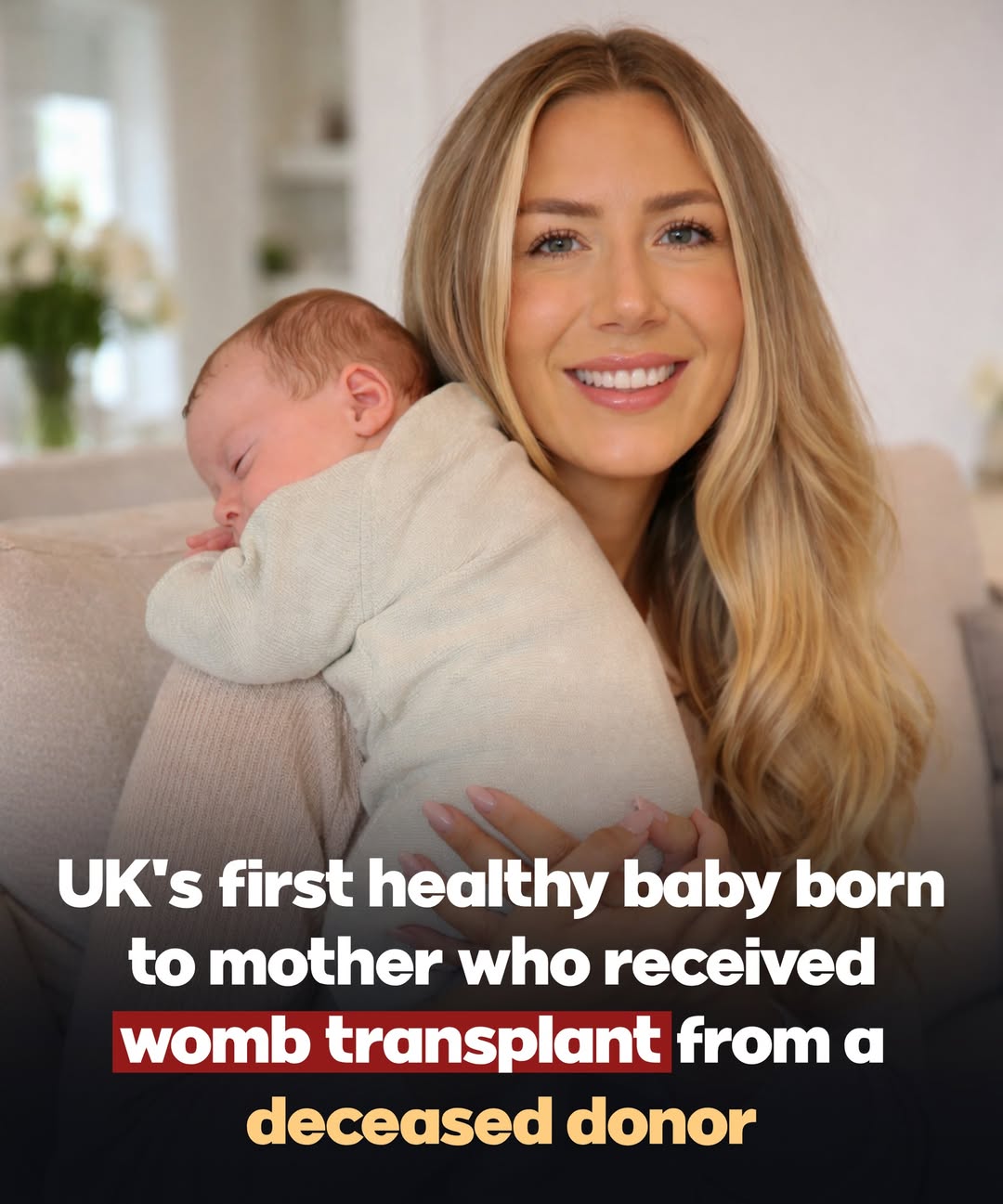
• A baby boy has been born in the UK to a woman who received a womb transplant from a deceased donor, marking a national medical milestone.

    The mother, Grace Bell, who lives with Mayer-Rokitansky-Küster-Hauser syndrome, gave birth in December 2025 at Queen Charlotte’s and Chelsea Hospital.

    Her transplant surgery took place in June 2024 at Churchill Hospital. After the procedure, doctors used IVF and embryo transfer to achieve the pregnancy.

    The successful birth shows that deceased-donor womb transplants may allow women born without a uterus to carry and deliver their own babies.

    The case is part of an ongoing UK clinical trial exploring whether womb transplantation could one day become a routine medical treatment.

    A remarkable step forward for medicine — and a life-changing moment for one family.
    A baby boy has been born in the UK to a woman who received a womb transplant from a deceased donor, marking a national medical milestone. The mother, Grace Bell, who lives with Mayer-Rokitansky-Küster-Hauser syndrome, gave birth in December 2025 at Queen Charlotte’s and Chelsea Hospital. Her transplant surgery took place in June 2024 at Churchill Hospital. After the procedure, doctors used IVF and embryo transfer to achieve the pregnancy. The successful birth shows that deceased-donor womb transplants may allow women born without a uterus to carry and deliver their own babies. The case is part of an ongoing UK clinical trial exploring whether womb transplantation could one day become a routine medical treatment. A remarkable step forward for medicine — and a life-changing moment for one family.
    Like
    Love
    Wow
    3
    0 Commentaires 0 Parts 110 Vue 0 Aperçu
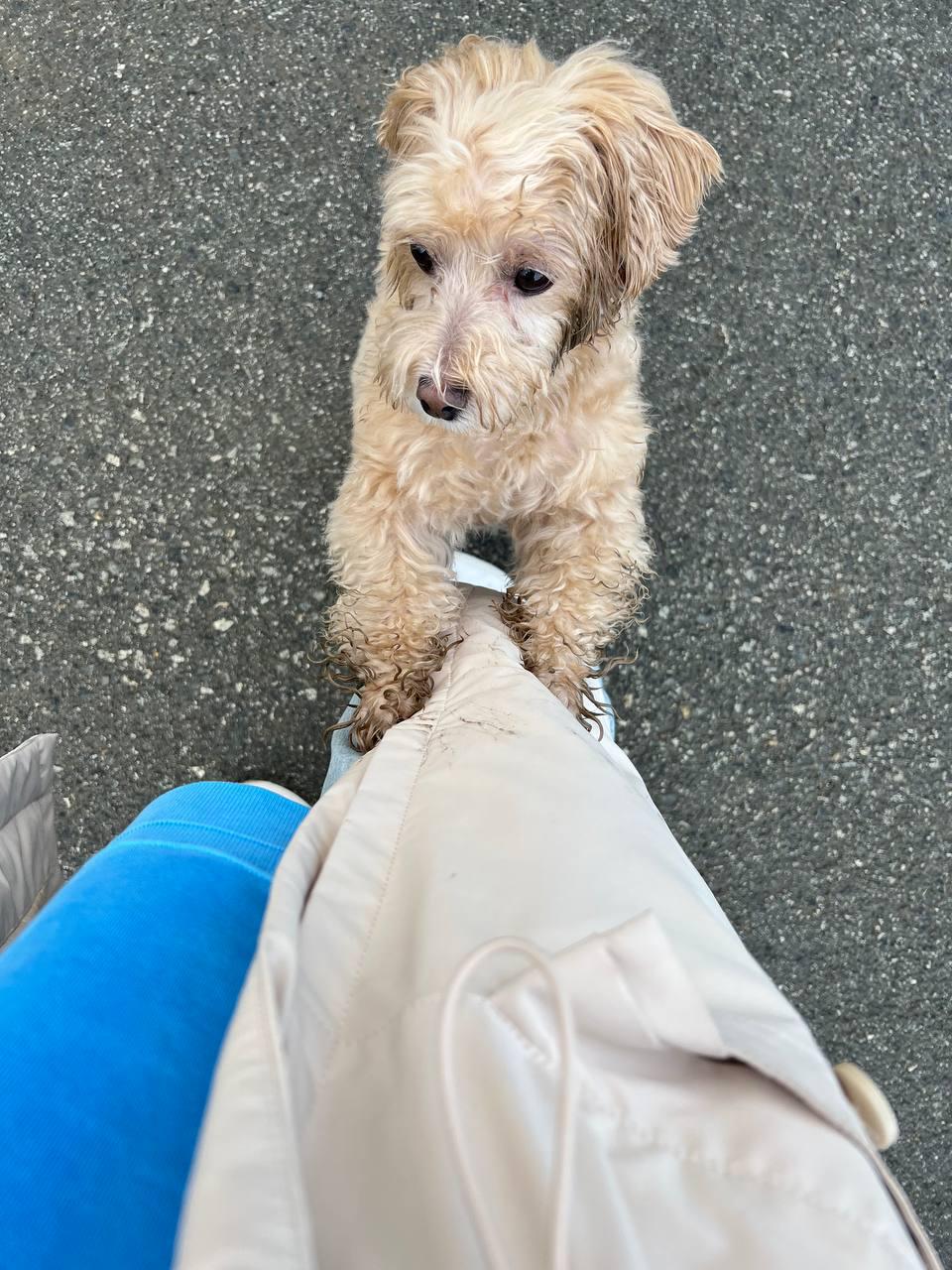
  • I think he’s trying to tell me the walk was a success... and that he needs a bath.
    I think he’s trying to tell me the walk was a success... and that he needs a bath.
    Like
    Love
    Wow
    3
    0 Commentaires 0 Parts 127KB Vue 0 Aperçu
  • successfullyOptimisedTheStartupTimeBy30Seconds
    successfullyOptimisedTheStartupTimeBy30Seconds
    Like
    Love
    Wow
    3
    0 Commentaires 0 Parts 418 Vue 0 Aperçu
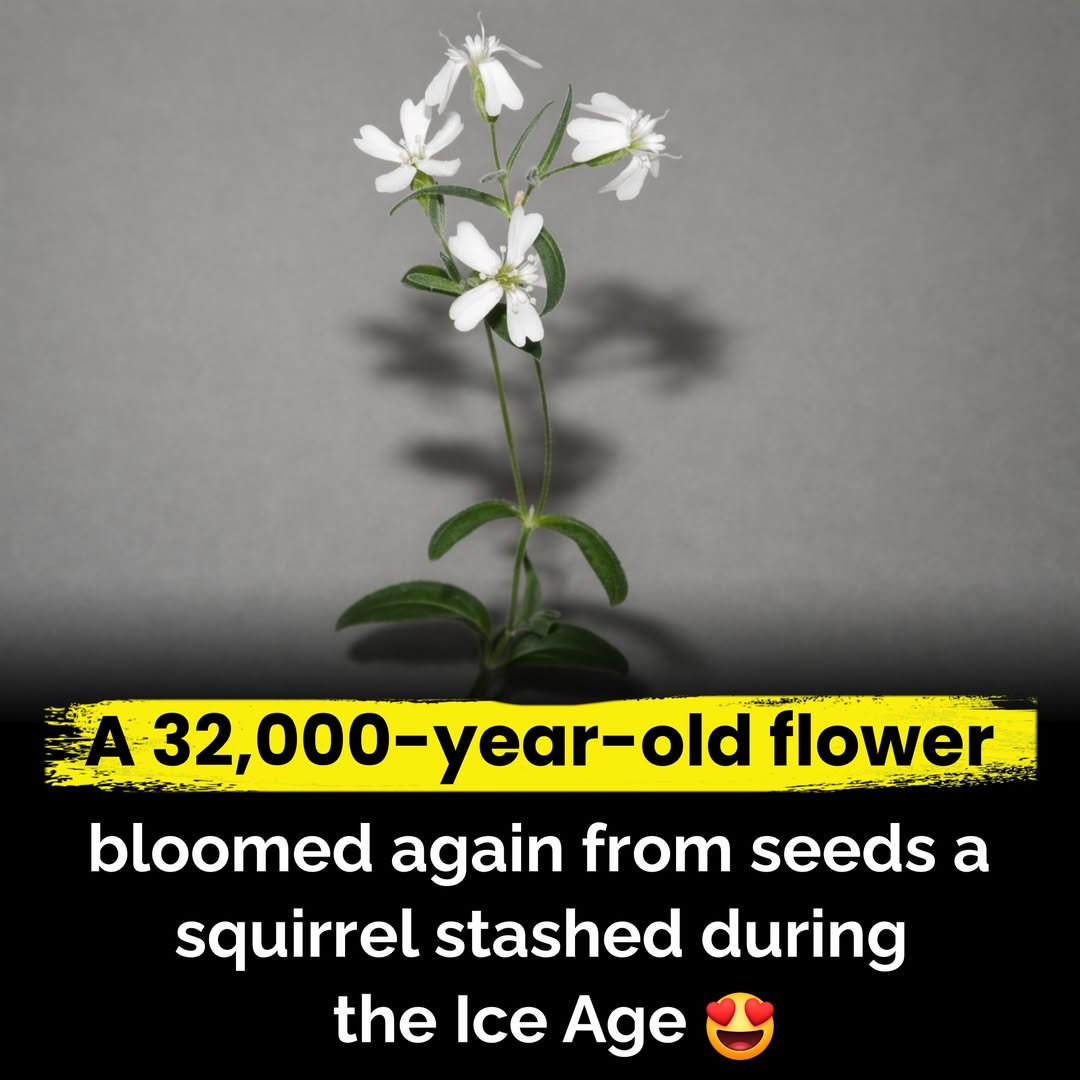
  • Scientists successfully revived a plant from 32,000-year-old seeds discovered frozen in Siberian permafrost — making it the oldest organism ever brought back to life.

    The seeds belonged to Silene stenophylla and were found buried 124 feet underground near the Kolyma River, preserved inside an Ice Age squirrel’s burrow. Constantly frozen at about 19°F (-7°C), the extreme cold prevented cellular decay since the time of the woolly mammoths . Although the mature seeds were damaged, researchers extracted living tissue from immature ones and grew them in a sterile lab environment. The regenerated plants not only bloomed but produced fertile seeds, showing slight evolutionary differences from modern varieties.

    Beyond reviving ancient life, the breakthrough offers valuable insight for biodiversity preservation . Studying how these cells survived for millennia could strengthen global seed banks and help protect plant genetics against future climate disasters.
    Scientists successfully revived a plant from 32,000-year-old seeds discovered frozen in Siberian permafrost — making it the oldest organism ever brought back to life. The seeds belonged to Silene stenophylla and were found buried 124 feet underground near the Kolyma River, preserved inside an Ice Age squirrel’s burrow. Constantly frozen at about 19°F (-7°C), the extreme cold prevented cellular decay since the time of the woolly mammoths . Although the mature seeds were damaged, researchers extracted living tissue from immature ones and grew them in a sterile lab environment. The regenerated plants not only bloomed but produced fertile seeds, showing slight evolutionary differences from modern varieties. Beyond reviving ancient life, the breakthrough offers valuable insight for biodiversity preservation . Studying how these cells survived for millennia could strengthen global seed banks and help protect plant genetics against future climate disasters.
    Like
    Love
    Wow
    3
    0 Commentaires 0 Parts 234 Vue 0 Aperçu
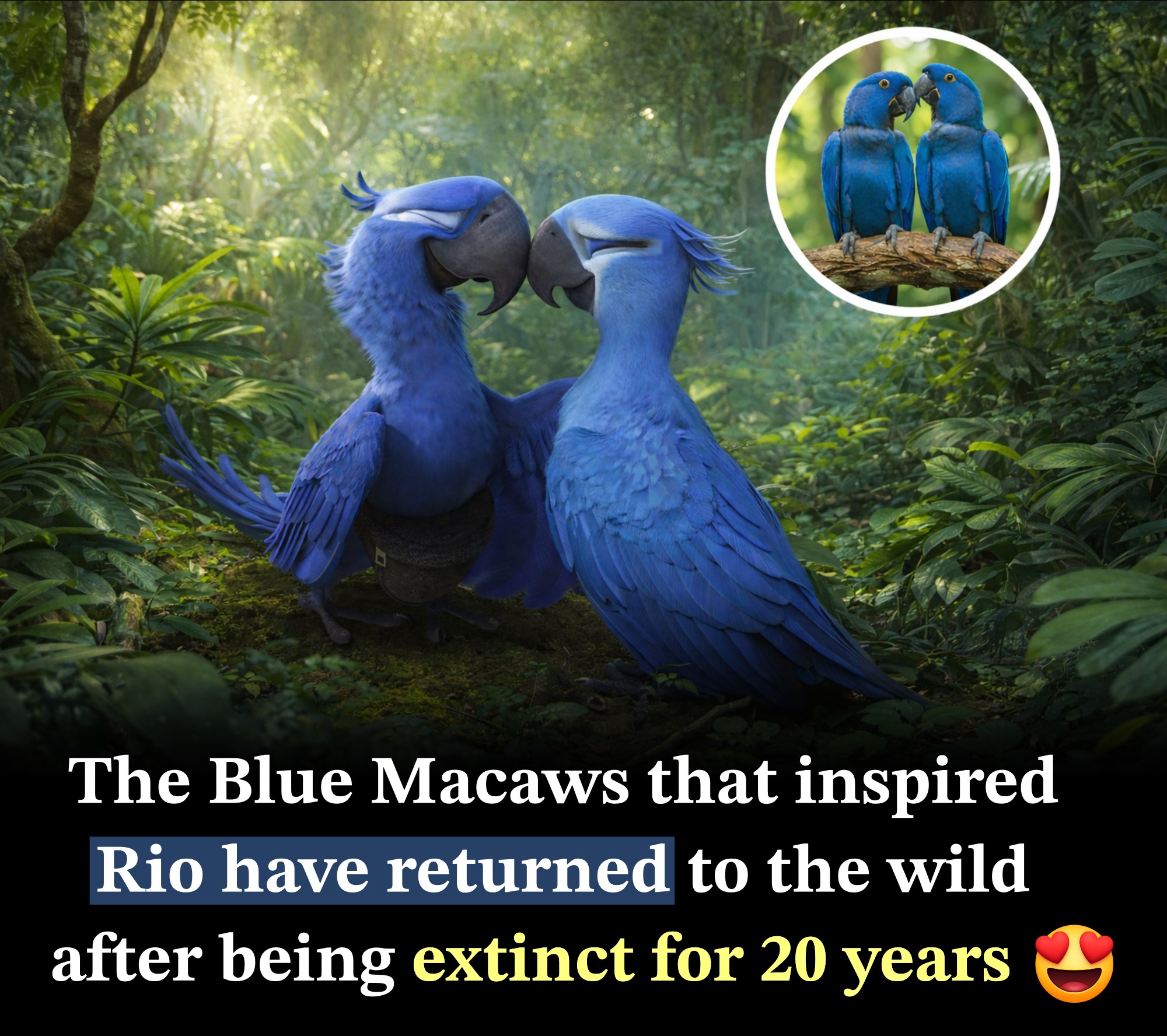
  • Amazing update from Brazil! After more than two decades extinct in the wild, Spix’s macaws — the bright blue parrots that inspired Rio — are finally flying free again.

    Following years of international conservation work , these rare birds have been successfully reintroduced into their native Caatinga habitat. Watching them soar through the skies once more is a powerful reminder that dedication, science, and global teamwork can truly bring species back from the brink
    Amazing update from Brazil! After more than two decades extinct in the wild, Spix’s macaws — the bright blue parrots that inspired Rio — are finally flying free again. Following years of international conservation work , these rare birds have been successfully reintroduced into their native Caatinga habitat. Watching them soar through the skies once more is a powerful reminder that dedication, science, and global teamwork can truly bring species back from the brink
    Like
    Love
    Wow
    3
    0 Commentaires 0 Parts 312 Vue 0 Aperçu
Plus de résultats