• successfullyOptimisedTheStartupTimeBy30Seconds
    successfullyOptimisedTheStartupTimeBy30Seconds
    Like
    Love
    Wow
    3
    0 Commentarios 0 Acciones 318 Views 0 Vista previa
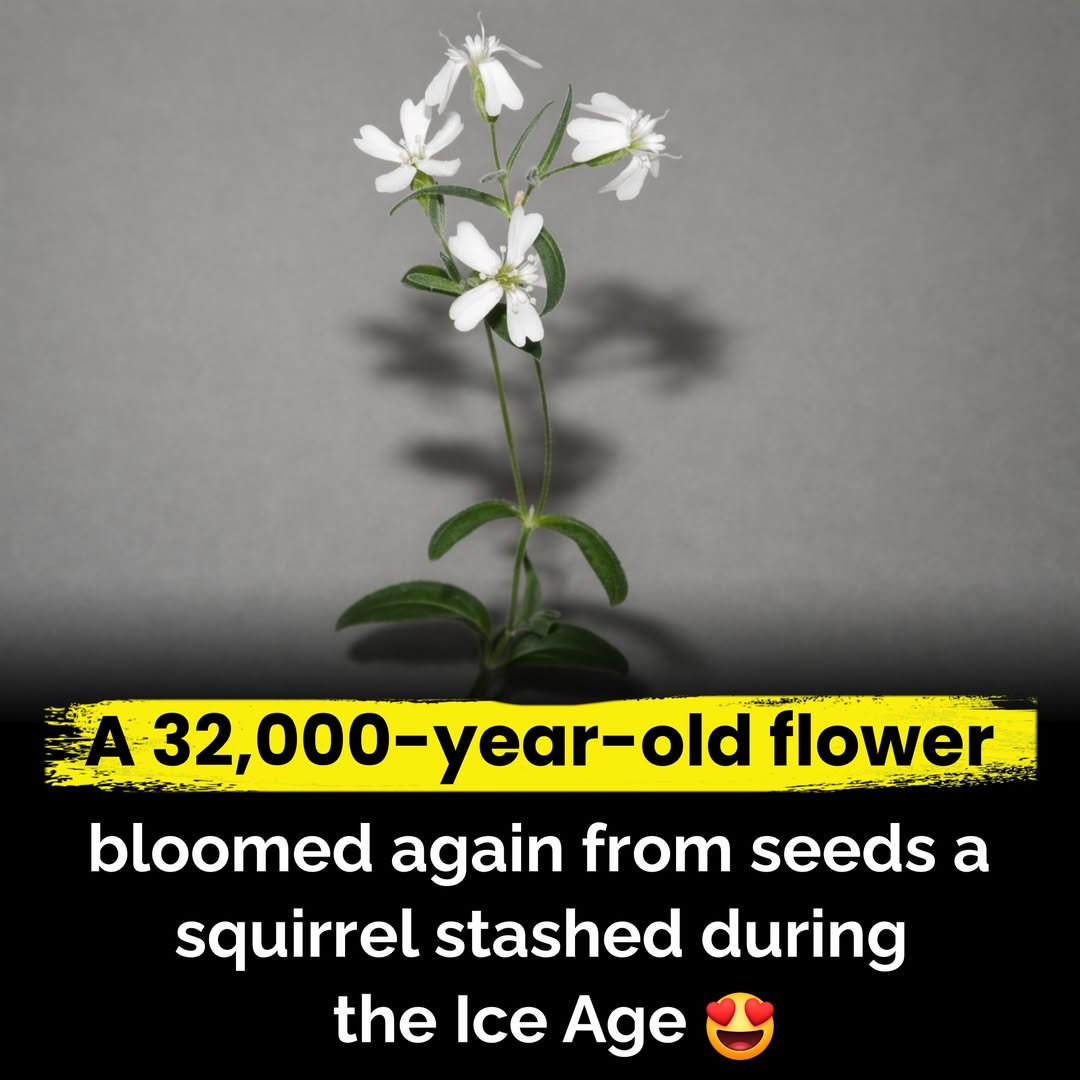
  • Scientists successfully revived a plant from 32,000-year-old seeds discovered frozen in Siberian permafrost — making it the oldest organism ever brought back to life.

    The seeds belonged to Silene stenophylla and were found buried 124 feet underground near the Kolyma River, preserved inside an Ice Age squirrel’s burrow. Constantly frozen at about 19°F (-7°C), the extreme cold prevented cellular decay since the time of the woolly mammoths . Although the mature seeds were damaged, researchers extracted living tissue from immature ones and grew them in a sterile lab environment. The regenerated plants not only bloomed but produced fertile seeds, showing slight evolutionary differences from modern varieties.

    Beyond reviving ancient life, the breakthrough offers valuable insight for biodiversity preservation . Studying how these cells survived for millennia could strengthen global seed banks and help protect plant genetics against future climate disasters.
    Scientists successfully revived a plant from 32,000-year-old seeds discovered frozen in Siberian permafrost — making it the oldest organism ever brought back to life. The seeds belonged to Silene stenophylla and were found buried 124 feet underground near the Kolyma River, preserved inside an Ice Age squirrel’s burrow. Constantly frozen at about 19°F (-7°C), the extreme cold prevented cellular decay since the time of the woolly mammoths . Although the mature seeds were damaged, researchers extracted living tissue from immature ones and grew them in a sterile lab environment. The regenerated plants not only bloomed but produced fertile seeds, showing slight evolutionary differences from modern varieties. Beyond reviving ancient life, the breakthrough offers valuable insight for biodiversity preservation . Studying how these cells survived for millennia could strengthen global seed banks and help protect plant genetics against future climate disasters.
    Like
    Love
    Wow
    3
    0 Commentarios 0 Acciones 168 Views 0 Vista previa
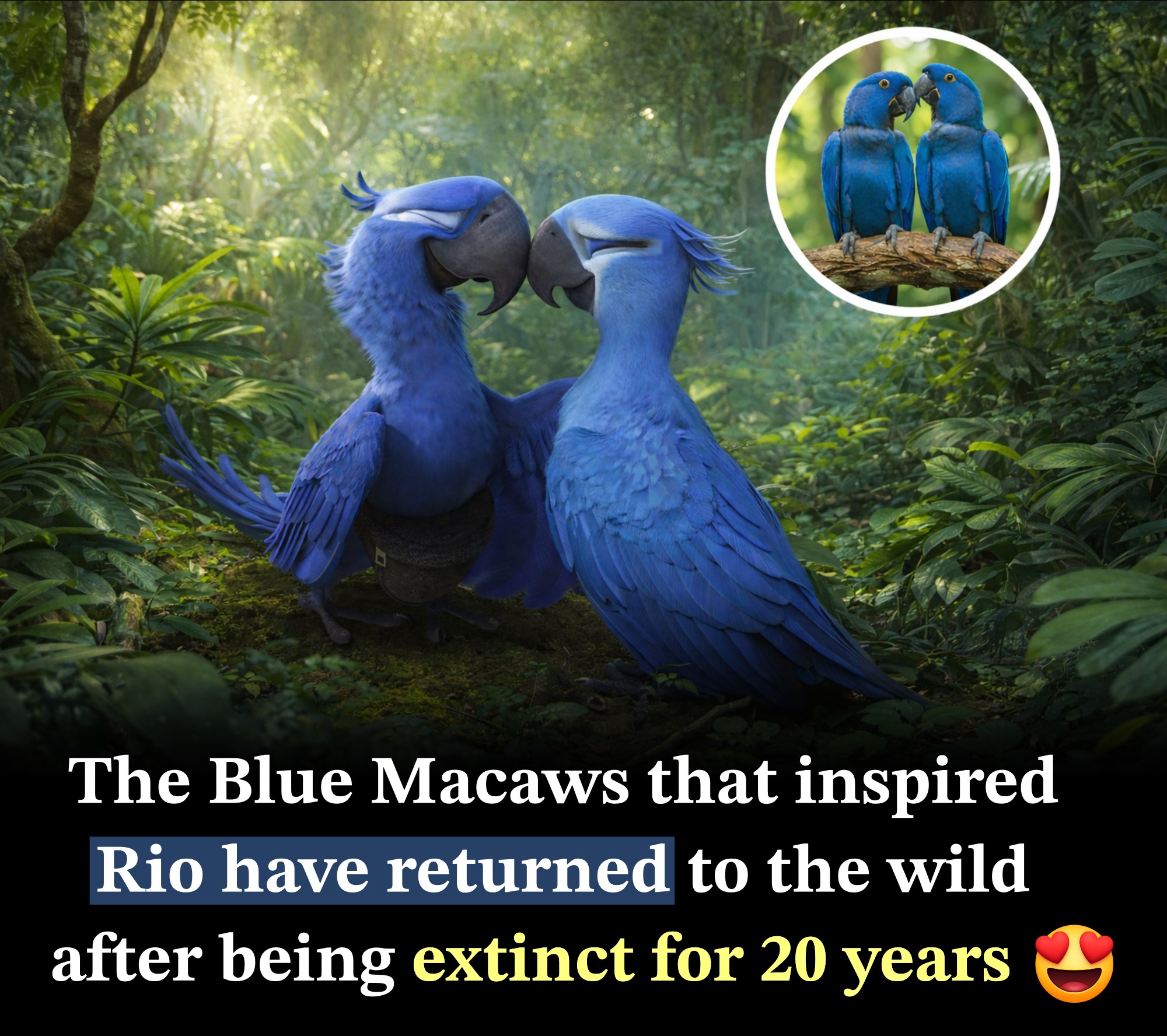
  • Amazing update from Brazil! After more than two decades extinct in the wild, Spix’s macaws — the bright blue parrots that inspired Rio — are finally flying free again.

    Following years of international conservation work , these rare birds have been successfully reintroduced into their native Caatinga habitat. Watching them soar through the skies once more is a powerful reminder that dedication, science, and global teamwork can truly bring species back from the brink
    Amazing update from Brazil! After more than two decades extinct in the wild, Spix’s macaws — the bright blue parrots that inspired Rio — are finally flying free again. Following years of international conservation work , these rare birds have been successfully reintroduced into their native Caatinga habitat. Watching them soar through the skies once more is a powerful reminder that dedication, science, and global teamwork can truly bring species back from the brink
    Like
    Love
    Wow
    3
    0 Commentarios 0 Acciones 188 Views 0 Vista previa
  • Former U.S. President Barack Obama sparked widespread discussion after saying that “80% of the world’s problems come from old men hanging on and refusing to step down.” Speaking broadly about global leadership, Obama argued that political and corporate stagnation can occur when leaders remain in power too long, limiting opportunities for innovation, diversity, and new perspectives.
    His remarks have reignited debate about generational turnover in leadership, with supporters agreeing that fresh voices are essential for tackling modern challenges, while critics caution against framing complex global issues too narrowly. Regardless of viewpoint, the comments have fueled renewed conversation about succession, mentorship, and the future of leadership worldwide.
    Don’t forget to like and follow
    #Leadership #GenerationalChange #BarackObama #Success #Business #Innovation #FutureLeaders #Viral #Money
    Former U.S. President Barack Obama sparked widespread discussion after saying that “80% of the world’s problems come from old men hanging on and refusing to step down.” Speaking broadly about global leadership, Obama argued that political and corporate stagnation can occur when leaders remain in power too long, limiting opportunities for innovation, diversity, and new perspectives. His remarks have reignited debate about generational turnover in leadership, with supporters agreeing that fresh voices are essential for tackling modern challenges, while critics caution against framing complex global issues too narrowly. Regardless of viewpoint, the comments have fueled renewed conversation about succession, mentorship, and the future of leadership worldwide. Don’t forget to like and follow #Leadership #GenerationalChange #BarackObama #Success #Business #Innovation #FutureLeaders #Viral #Money
    Like
    Love
    Wow
    3
    0 Commentarios 0 Acciones 885 Views 0 Vista previa
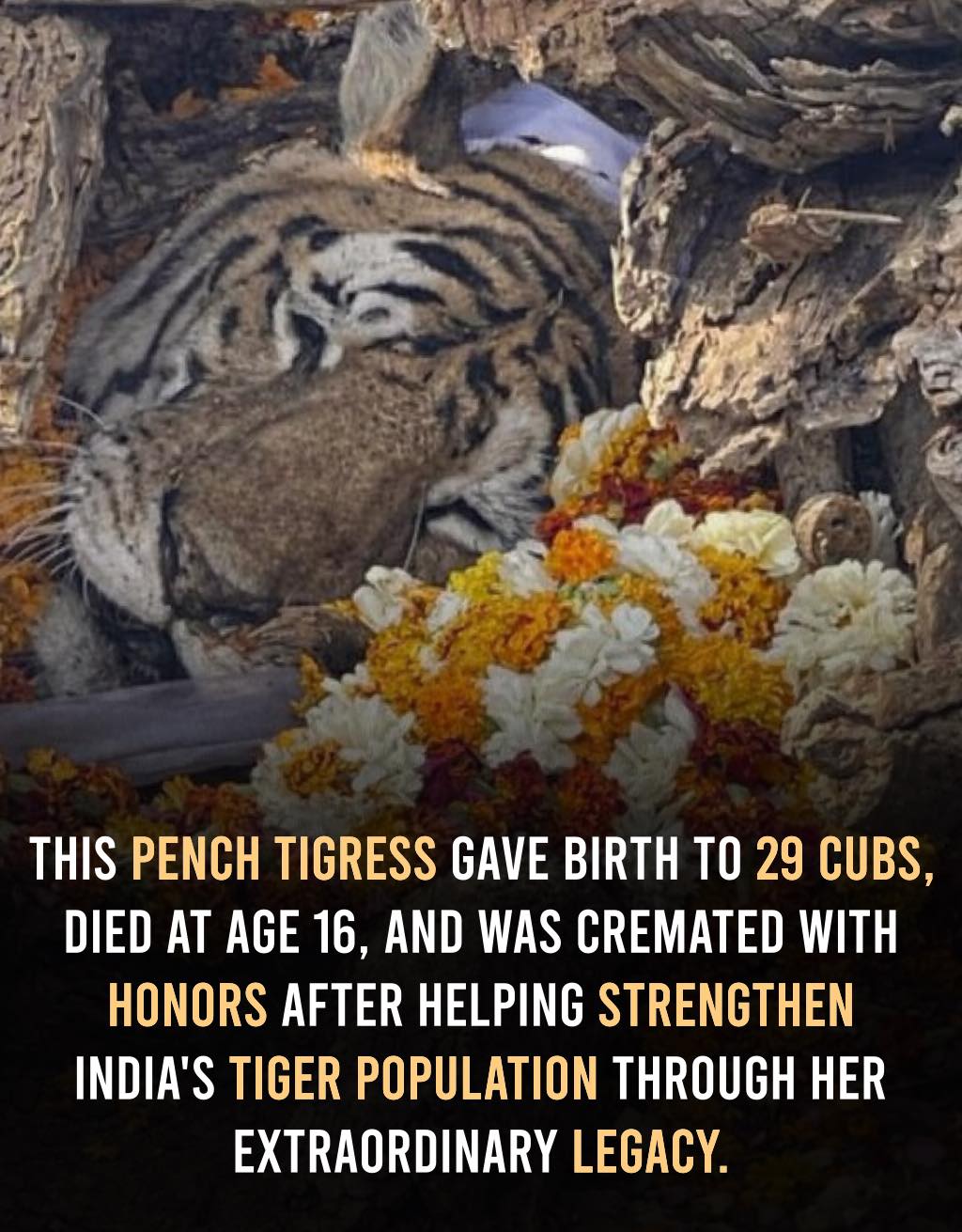
  • In January 2022, forest officials in Madhya Pradesh confirmed the death of Collarwali, a tigress from Pench Tiger Reserve who became a symbol of India’s conservation success.

    Known officially as T15, she lived around 16 years and gave birth to 29 cubs across eight litters — an extraordinary number. Many of her cubs survived and established territories of their own, helping rebuild the region’s tiger population.

    Her cremation wasn’t just symbolic. At a time when tiger numbers had once plummeted due to poaching and habitat loss, Collarwali represented real recovery.

    She wasn’t a mascot — she was living proof that conservation works.
    In January 2022, forest officials in Madhya Pradesh confirmed the death of Collarwali, a tigress from Pench Tiger Reserve who became a symbol of India’s conservation success. Known officially as T15, she lived around 16 years and gave birth to 29 cubs across eight litters — an extraordinary number. Many of her cubs survived and established territories of their own, helping rebuild the region’s tiger population. Her cremation wasn’t just symbolic. At a time when tiger numbers had once plummeted due to poaching and habitat loss, Collarwali represented real recovery. She wasn’t a mascot — she was living proof that conservation works.
    Like
    Love
    Wow
    3
    0 Commentarios 0 Acciones 297 Views 0 Vista previa
Resultados de la búsqueda